Nassau exceeds expectations even when expectations are high. What images cannot convey is the texture — the way air feels on your skin at dusk, the aroma that greets you in the central market, conversations flowing in rhythms that belong only to this place.
This itinerary balances the must-see landmarks with quieter neighborhoods where the city's true character emerges. Eat everything, walk everywhere, and talk to strangers. The city rewards curiosity with generosity.

Downtown Nassau & History
Morning (8:00 AM) — Parliament Square morning: The atmosphere builds gradually as you explore — from initial orientation to genuine immersion. Allow at least an hour, more if you read every plaque and peer around every corner. The surrounding streets offer good cafes for a post-visit debrief over coffee or a cold drink. Check opening hours in advance as seasonal schedules vary.
Mid-Morning (10:30 AM) — Queens Staircase climb: This is one of Nassau's defining experiences — photographs cannot fully convey the combination of visual impact and cultural significance. Spend at least 45 minutes here, preferably in the morning when the light is best and crowds are manageable. The views from elevated sections reward the climb, offering a perspective that reframes the city's layout.
Afternoon (1:00 PM) — Fort Charlotte exploration: Arrive early — by midday the tour groups arrive in force. The atmosphere is best appreciated at a slow pace, with stops to absorb details that reveal themselves only to those paying attention. A local guide can unlock layers of meaning invisible to the uninstructed eye. Budget at least an hour and resist the urge to rush.
Late Afternoon (3:30 PM) — Straw Market shopping: The combination of natural beauty and human history here creates an experience on multiple levels. First-time visitors often focus on the photogenic elements, but the deeper reward comes from understanding why this place exists and what it means to the people who live here. Take your time — the place is not going anywhere.
Evening (6:00 PM) — Junkanoo Beach afternoon: What makes this stop essential is how it connects to Nassau's larger story — a narrative of decisions, ambitions, and compromises that explain why the city looks and feels the way it does. Experiencing it in person adds a dimension that reading about it cannot replicate.
Paradise Island & Atlantis
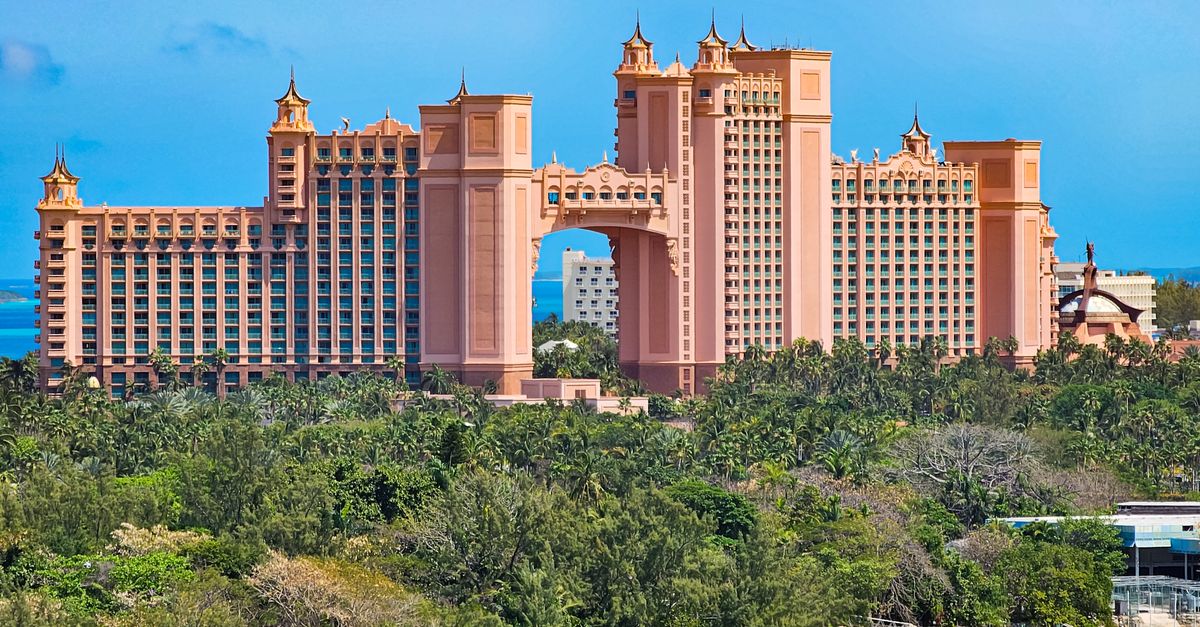
Morning (8:00 AM) — Atlantis resort and aquarium: The atmosphere builds gradually as you explore — from initial orientation to genuine immersion. Allow at least an hour, more if you read every plaque and peer around every corner. The surrounding streets offer good cafes for a post-visit debrief over coffee or a cold drink. Check opening hours in advance as seasonal schedules vary.
Mid-Morning (10:30 AM) — Cabbage Beach swimming: This is one of Nassau's defining experiences — photographs cannot fully convey the combination of visual impact and cultural significance. Spend at least 45 minutes here, preferably in the morning when the light is best and crowds are manageable. The views from elevated sections reward the climb, offering a perspective that reframes the city's layout.
Afternoon (1:00 PM) — Marina Village shopping: Arrive early — by midday the tour groups arrive in force. The atmosphere is best appreciated at a slow pace, with stops to absorb details that reveal themselves only to those paying attention. A local guide can unlock layers of meaning invisible to the uninstructed eye. Budget at least an hour and resist the urge to rush.
Late Afternoon (3:30 PM) — Fish Fry at Arawak Cay evening: The combination of natural beauty and human history here creates an experience on multiple levels. First-time visitors often focus on the photogenic elements, but the deeper reward comes from understanding why this place exists and what it means to the people who live here. Take your time — the place is not going anywhere.
Blue Lagoon Island & Beach Day
Morning (8:00 AM) — Blue Lagoon Island excursion: The atmosphere builds gradually as you explore — from initial orientation to genuine immersion. Allow at least an hour, more if you read every plaque and peer around every corner. The surrounding streets offer good cafes for a post-visit debrief over coffee or a cold drink. Check opening hours in advance as seasonal schedules vary.
Mid-Morning (10:30 AM) — Dolphin encounter optional: This is one of Nassau's defining experiences — photographs cannot fully convey the combination of visual impact and cultural significance. Spend at least 45 minutes here, preferably in the morning when the light is best and crowds are manageable. The views from elevated sections reward the climb, offering a perspective that reframes the city's layout.
Afternoon (1:00 PM) — Cable Beach afternoon: Arrive early — by midday the tour groups arrive in force. The atmosphere is best appreciated at a slow pace, with stops to absorb details that reveal themselves only to those paying attention. A local guide can unlock layers of meaning invisible to the uninstructed eye. Budget at least an hour and resist the urge to rush.
Late Afternoon (3:30 PM) — Potters Cay Dock seafood dinner: The combination of natural beauty and human history here creates an experience on multiple levels. First-time visitors often focus on the photogenic elements, but the deeper reward comes from understanding why this place exists and what it means to the people who live here. Take your time — the place is not going anywhere.

Budget Breakdown (Per Person, 3 Days)
| Category | Budget | Mid-Range | Luxury |
|---|---|---|---|
| Accommodation (3 nights) | BSD 240 | BSD 600 | BSD 1,800 |
| Food & Drinks | BSD 90 | BSD 225 | BSD 600 |
| Transport | BSD 30 | BSD 75 | BSD 200 |
| Activities | BSD 60 | BSD 150 | BSD 450 |
| Total | BSD 420 | BSD 1,050 | BSD 3,050 |
Practical Tips for Nassau
Getting Around
Jitney buses, taxis, water taxis covers most of Nassau. Combine public transport for longer distances with walking for neighborhoods. Download offline maps before arriving. Multi-day transit passes almost always offer better value than single tickets.
When to Visit
Visit Nassau during December-April for comfortable walking weather and accessible outdoor attractions. Shoulder seasons bring fewer crowds and lower prices.
Neighbourhoods to Know in Nassau
Nassau and its surrounding communities occupy a relatively compact geography — New Providence Island is only 21 miles long — but the character shifts considerably from one pocket to the next. Knowing which area suits your interests and budget before you arrive means less time reorienting and more time in motion.
Downtown Nassau is the historical and commercial core, centered on Bay Street and the Parliament Square complex. This is where the colonial architecture is densest — pink government buildings, the old British Colonial hotel, the Supreme Court — and where cruise ship passengers concentrate between 9 AM and 4 PM on arrival days. Outside those hours, and especially in the early morning when the harbour is quiet and the shopkeepers are setting up, the area has genuine atmosphere. The Straw Market on Bay Street is the best place to buy locally made baskets, bags, and braided hats; prices are negotiable and BSD 20–40 buys a quality piece. The Nassau Public Library, a converted octagonal jail built in 1797, is worth five minutes of anyone's time for the architecture alone.
Arawak Cay — universally known as "The Fish Fry" — is a strip of colourfully painted seafood shacks on the western waterfront about a ten-minute walk from Bay Street. This is where Nassau locals actually eat rather than where the cruise ship itineraries send them. Half a dozen conch preparations are available: cracked conch (battered and fried), conch salad (raw, cured in citrus with onions and peppers), conch fritters, and conch in butter sauce. A full conch salad at Twin Brothers or Goldie's runs BSD 12–18 depending on size; a plate of cracked conch with peas and rice costs BSD 15–22. Come for lunch or early dinner between noon and 7 PM when the cooks are at full pace.
Shirley Street and Grants Town, south of Bay Street, are residential neighbourhoods where the tourist infrastructure drops away and the everyday rhythms of Nassau become visible: bakeries selling Johnny cake and sweet bread, barbershops with handwritten price lists in the window, and rum bars where a glass of Kalik costs BSD 3–4. This is not a tourist area and does not try to be — which makes it worth a slow walk for the texture it provides. Stay aware and keep to main streets during daylight hours.
Cable Beach, west of downtown along West Bay Street, is Nassau's resort corridor: a stretch of white sand backed by all-inclusive hotels, casino gaming (the Baha Mar resort has the largest casino in the Caribbean), and the kind of poolside infrastructure that rewards doing very little, very comfortably. The beach itself is public despite the resort presence — walk past the hotel entrances and spread your towel on the same sand the guests are paying premium rates to access.
More Caribbean exploring? Read our Punta Cana 3-Day Itinerary for your next adventure.


