
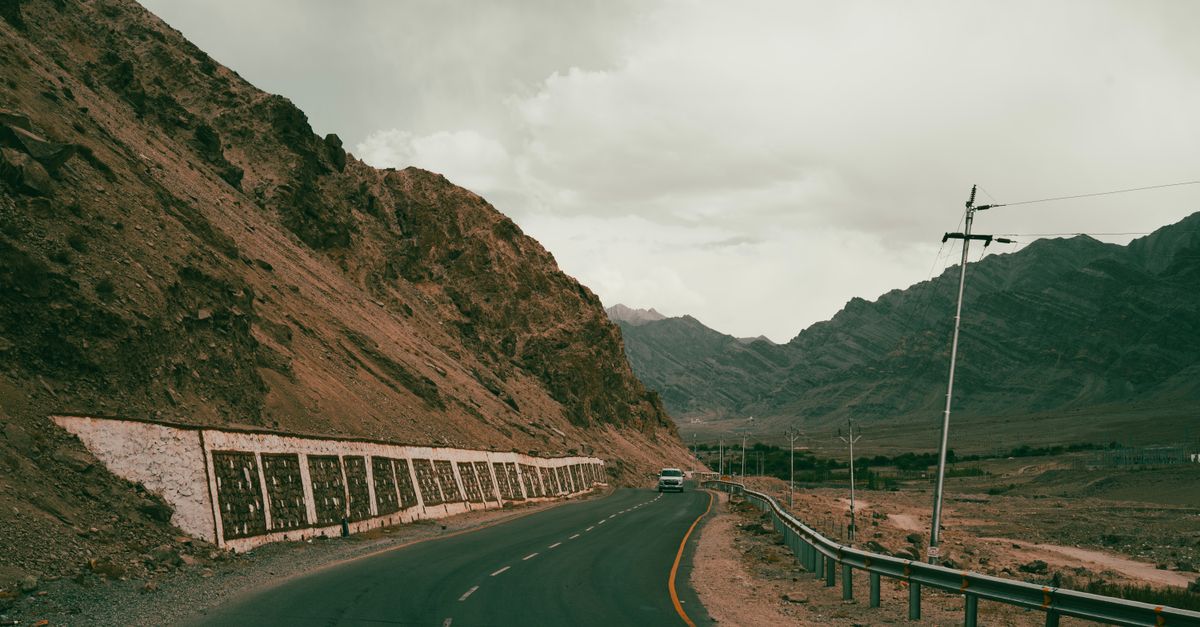
Leh Ladakh is India's last frontier — a high-altitude desert landscape of stark beauty where Tibetan Buddhist monasteries perch on cliff faces, turquoise lakes reflect snow-capped peaks, and some of the world's highest motorable roads test both vehicles and resolve. At 3,500 meters, Leh requires acclimatization before any serious activity. Three days in Leh town covers the essential monasteries, palaces, and markets while your body adjusts to the altitude.
Leh Town & Acclimatization
Day 1 is for acclimatization. Altitude sickness is a real risk at 3,500 meters. Move slowly, drink 3-4 liters of water, avoid alcohol, and don't exert yourself. The body needs 24-48 hours to adjust. Ignore this advice at your peril — severe altitude sickness requires evacuation.
Morning — Gentle Walk: Walk slowly through Leh's main bazaar. The old town lanes have Tibetan-style wooden buildings, prayer wheels, and small shops selling pashmina shawls (₹2,000-15,000), turquoise jewelry (₹200-2,000), and Buddhist artifacts. The pace should be leisurely — this is not a sightseeing day.
Afternoon — Leh Palace: The 9th-story former royal palace (₹30) overlooks the entire town. A gentle climb — take it very slowly. The views of the Indus Valley, Stok Kangri peak, and the surrounding desert mountains are extraordinary. The Namgyal Tsemo Gompa above the palace rewards the fit with even higher views.
Evening — Changspa Road: The backpacker area has cafes, restaurants, and bookshops. Rest, eat, and hydrate. Dinner at The Tibetan Kitchen for momos and thukpa (₹100-250). Sleep early — your body is working hard to acclimatize.
Monasteries & Indus Valley
Morning — Thiksey Monastery: The most photogenic monastery in Ladakh (₹30) — a 12-story complex rising from a hilltop that's often compared to Lhasa's Potala Palace. The 15-meter Maitreya Buddha is stunning. Attend the 6 AM morning prayer ceremony if you can manage the early start — the monks' chanting in the dim prayer hall is profound.
Midday — Hemis Monastery: Ladakh's largest and wealthiest monastery (₹50), famous for the Hemis Festival (June-July) featuring masked dances. The museum houses a remarkable collection of thangka paintings, gold Buddhas, and sacred texts. The courtyard and surrounding mountains create a dramatic setting.
Afternoon — Shey Palace & Stok Palace: Shey (₹30) has a copper-gilt seated Buddha and ruined royal quarters. Stok Palace (₹50) is the current residence of the Ladakhi royal family — the museum has the queen's turquoise-studded perak headdress and Ladakhi artifacts.
Evening — Leh Market: Browse for souvenirs — Ladakhi prayer flags (₹50-200), singing bowls (₹500-3,000), and yak wool scarves (₹500-2,000). Dinner at Bon Appetit for surprisingly good continental food (₹200-400) or Gesmo for reliable Ladakhi-Tibetan fare (₹100-250).
Pangong Lake or Nubra Valley (if permits ready)
Full Day — Pangong Lake (if acclimatized): The 160-kilometer drive to Pangong Tso (5-6 hours each way over Chang La pass at 5,360 meters) reaches one of the world's most stunning lakes — 134 kilometers long, straddling India and China. The impossibly blue water against bare brown mountains is surreal. Requires Inner Line Permit (₹600, arranged through travel agents in Leh). Day trip is exhausting — overnight camping (₹1,500-3,000/tent) is better.
Alternative — Nubra Valley: Drive over Khardung La (5,359 meters, one of the world's highest motorable roads) to the Nubra Valley. Sand dunes at Hunder with double-humped Bactrian camels (₹300/ride), Diskit Monastery with a 32-meter Maitreya statue, and hot springs at Panamik. Requires ILP. Minimum 2 days recommended.
Evening — Final Leh Dinner: End at Alchi Kitchen for Ladakhi cuisine (₹150-350) or Lamayuru Restaurant for Tibetan-Indian fusion (₹100-300). The night sky in Ladakh — at 3,500 meters with minimal light pollution — offers stargazing that rivals professional observatories.

Practical Tips
India is intense, overwhelming, and deeply rewarding — a country where every sense is engaged simultaneously. First-time visitors should prepare for crowds, noise, heat, and persistent touts while remaining open to the extraordinary warmth, spirituality, and beauty that define the Indian experience. The Indian rupee (₹) offers excellent value — budget ₹2,000-4,000/day for comfortable mid-range travel.
Food safety matters in India. Drink only bottled water (₹20-50), avoid raw salads at local restaurants, eat freshly cooked food (the hotter the better), and peel all fruits. Street food is generally safe if the stall is busy (high turnover = fresh food). If you do get sick, pharmacies sell Norfloxacin and electrolytes over the counter. India rewards a strong stomach — the food is worth the risk.
Indian transport varies by distance and budget. For cities, use Uber/Ola (₹50-200 for most trips). Between cities, trains are India's best experience — book on IRCTC website or app. Domestic flights connect major cities cheaply (IndiGo, SpiceJet). Auto-rickshaws are essential for last-mile transport — insist on the meter or agree on a fare before starting. Traffic is chaotic everywhere — cross streets assertively and don't make eye contact with drivers (it signals them to speed up).
Best Times to Visit & Budgeting
Timing your visit matters enormously for both weather and crowds. Peak tourist seasons bring higher prices, sold-out accommodations, and crowded attractions. Shoulder seasons (the weeks just before and after peak) often deliver the best balance — good weather, manageable crowds, and reasonable prices. Off-season travel is the cheapest but check for monsoon rains, extreme heat, or seasonal closures.
Budget planning for three days should account for accommodation (30-40% of total), food (20-25%), transport (15-20%), activities and entrance fees (15-20%), and a contingency buffer (10%). The biggest savings come from choosing accommodations wisely — a well-located mid-range hotel that eliminates taxi costs can be cheaper than a budget hotel in a remote area plus daily transport.
Travel insurance is non-negotiable. A single hospital visit in most Asian countries costs more than a year of comprehensive travel insurance (0-80 for a 2-week trip). Ensure your policy covers emergency medical evacuation — this is the expensive scenario that justifies the premium. Download your policy documents to your phone for offline access.
Currency exchange tips: ATMs generally offer better rates than airport exchange counters. Withdraw larger amounts less frequently to minimize per-transaction fees. Carry some US dollars (0-100) as universal backup — they're accepted in emergencies across most of Asia. Notify your bank of travel plans to prevent card blocks. Use a travel-specific card (Wise, Revolut) for the best exchange rates and lowest fees.
Download essential apps before arriving: Google Maps (with offline maps for your destination), Google Translate (with offline language packs), the local ride-hailing app (Grab for Southeast Asia, DiDi for China, Uber/Ola for India), and your accommodation booking confirmation. A portable battery pack (10,000-20,000 mAh) keeps your phone alive through a full day of navigation, photography, and ride-hailing.
Seasonal Highlights
Ladakh's extreme altitude and high-desert climate creates seasons of almost incomprehensible contrast. The window for comfortable travel is narrow — roughly May to September — but each month within that window offers a distinct character that shapes the experience fundamentally. Understanding the seasonal rhythm before booking determines whether you arrive to blooming apricot orchards or dusty, brown pre-monsoon heat.
May and early June are the transition months. The Manali-Leh highway typically opens in late May after snow clearance (the exact date varies by snowfall each year — check current conditions on the Border Roads Organisation website before planning a road trip). Temperatures in Leh reach 15-20 degrees in the afternoon but drop sharply below zero at night. The landscape is brown but dramatic, and tourist crowds have not yet arrived — accommodation prices are 20-30% lower than peak season. The Hemis Festival, the largest monastic festival in Ladakh featuring vibrant masked cham dances, falls in late June or July depending on the Tibetan lunar calendar.
July and August are peak months. The Srinagar-Leh highway is fully open and internal roads to Pangong, Nubra, and Tso Moriri are accessible. Day temperatures in Leh reach 25-30 degrees; the surrounding peaks and passes receive brief monsoon moisture that briefly greens the valley floor. July is the busiest month — book accommodation in advance and expect Inner Line Permit processing to take 1-2 days. The Ladakh Festival in September (first week) showcases polo matches, archery, traditional costumes, and music from all twenty districts of Ladakh at the polo ground in Leh.
October brings the crowds home and the temperature down sharply. By mid-October, nights dip to -5 to -10 degrees and many guesthouses close. The Manali-Leh highway typically closes by late October with the first heavy snowfall. For travellers willing to bundle up, October offers extraordinary solitude — Pangong Lake's colours deepen to an almost unreal indigo in the autumn light, and the monasteries are quieter than at any point during the tourist season.
The apricot blossom season (late April to early May) is Ladakh's best-kept secret. The Indus and Shyok valleys erupt in white and pink blossom against the brown desert mountains — a combination found nowhere else in the subcontinent. Villages like Turtuk near the Pakistan border and Khalsi on the Srinagar highway are particularly beautiful during this window. Accommodation is scarce and the roads just barely open, but for photographers and travellers who have already seen Ladakh's summer face, blossom season reveals an entirely different region.


