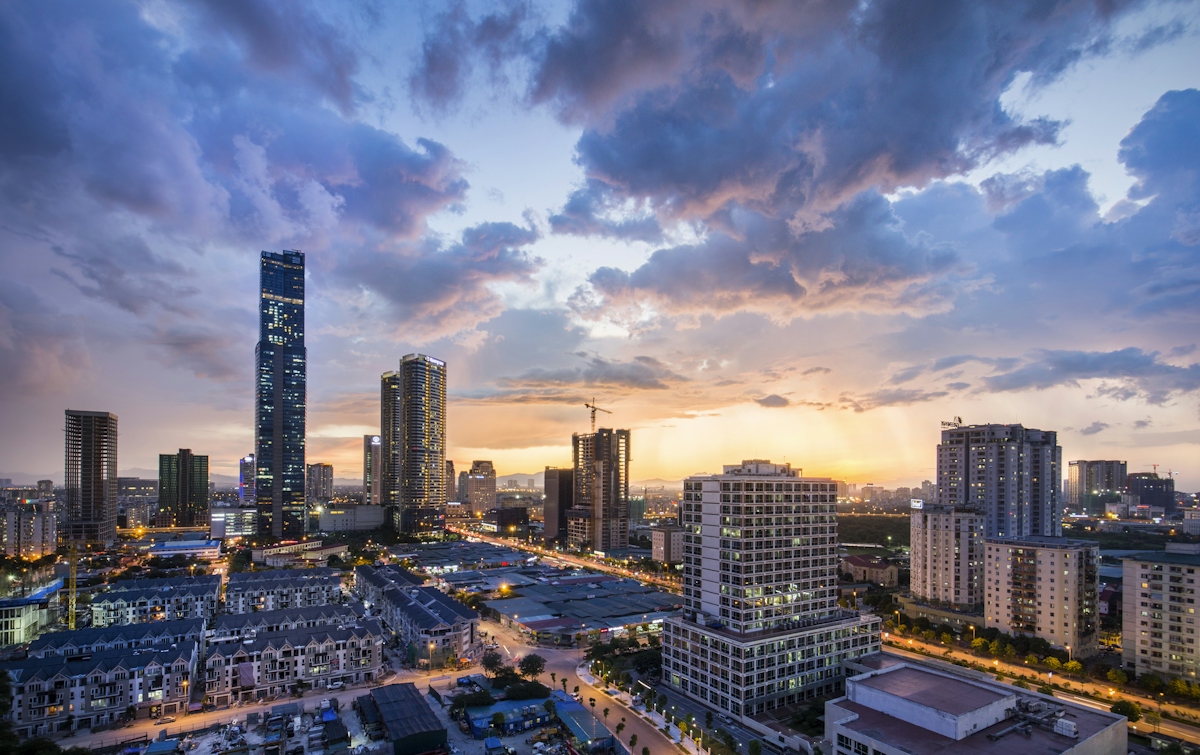
Hanoi is Vietnam's ancient heart — a city of lakes, temples, and tree-lined boulevards where a thousand years of history lives alongside the controlled chaos of modern Vietnamese life. Where Saigon sprints, Hanoi strolls. The Old Quarter's narrow streets still follow the medieval guild layout, with each street named for the trade it once monopolized: silk, silver, paper, tin.
The food here is arguably Vietnam's best — simpler, subtler, and more deeply traditional than the south. The coffee culture is an art form. And the city's proximity to Ha Long Bay makes it the gateway to one of the world's most spectacular natural landscapes.
Old Quarter, Hoan Kiem Lake & Temple of Literature
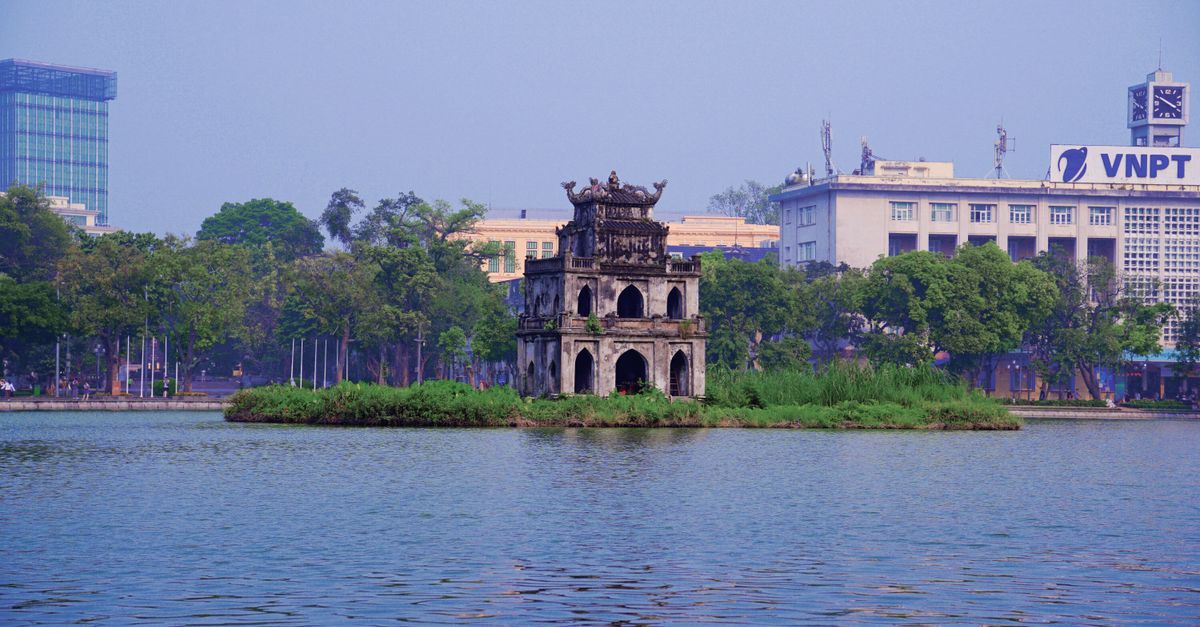
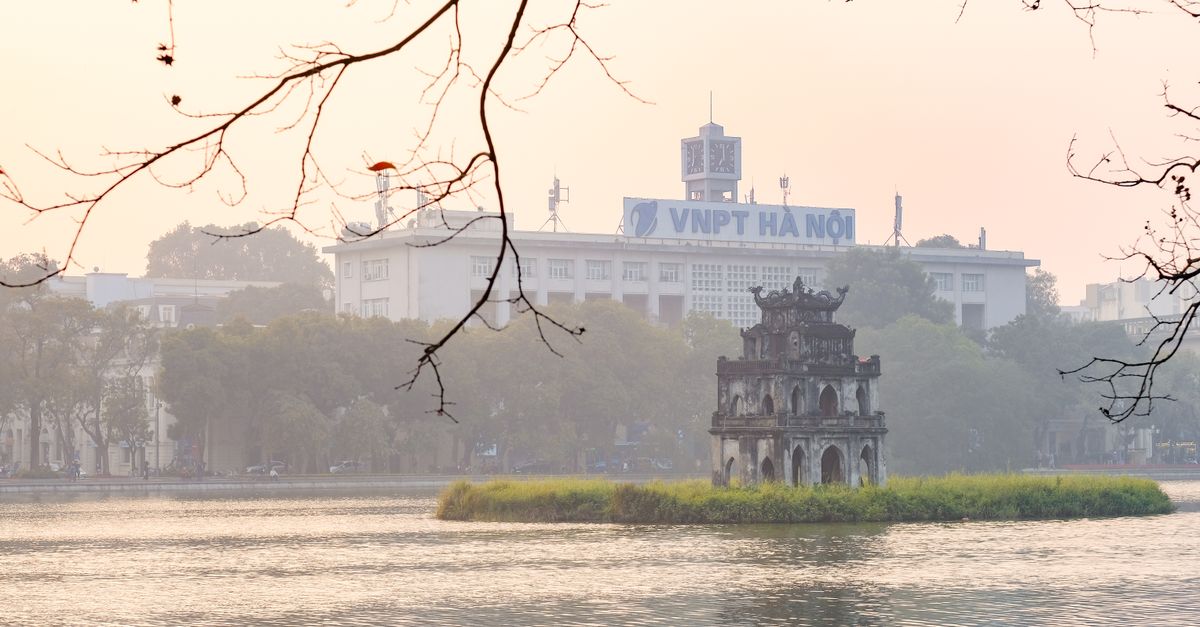
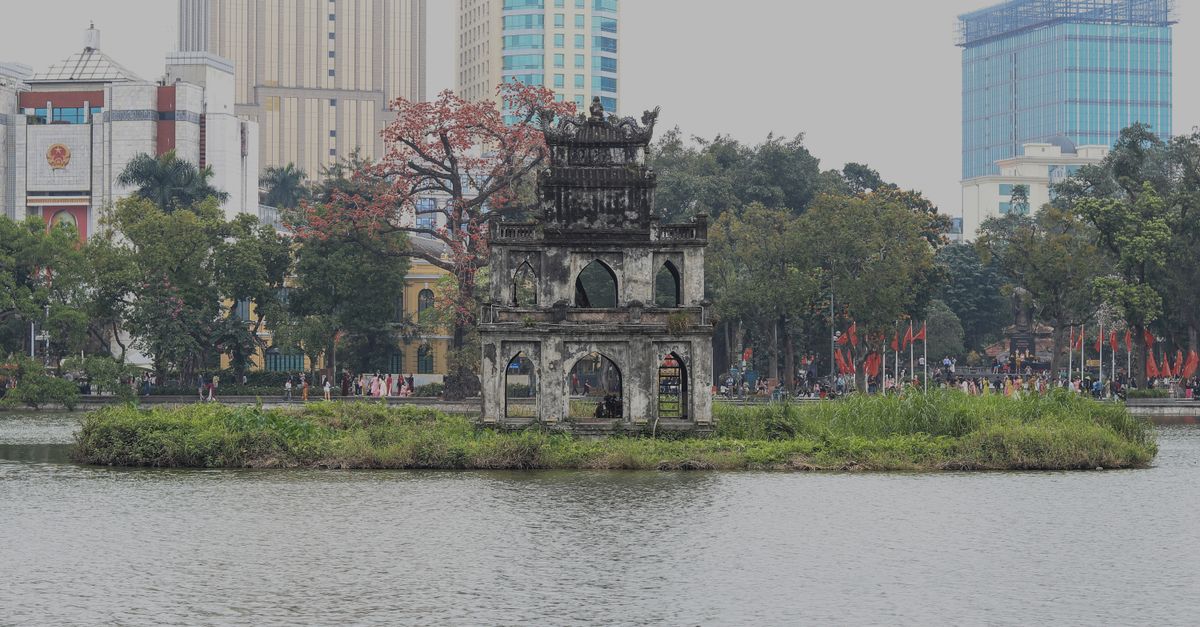
Morning (7:00 AM): Start early at Hoan Kiem Lake, the spiritual and geographical heart of Hanoi. At dawn, the lake's shores come alive with tai chi practitioners, joggers, and elderly couples doing morning exercises. Walk around the entire lake (1.7 km) and cross the iconic red The Huc Bridge to Ngoc Son Temple (VND 30,000) on a small island. The temple houses a preserved giant turtle — the lake's legendary guardian — and the morning mist over the water creates an atmosphere that photographs beautifully.
Have breakfast at a pho stall on one of the streets radiating from the lake. Hanoi pho is different from the south — clearer broth, fewer herbs, more focus on the pure flavor of beef and star anise. A bowl costs VND 40,000-60,000 at any local stall.
Late Morning (9:30 AM): Plunge into the Old Quarter, Hanoi's chaotic, mesmerizing medieval heart. The 36 streets were originally organized by trade — Hang Gai (silk), Hang Bac (silver), Hang Ma (paper goods). Today, the guild names remain even as the trades have changed. The streets are narrow, the traffic is relentless, and the energy is intoxicating.
Walk through Dong Xuan Market, the Old Quarter's largest covered market (free entry). The ground floor sells fresh food and household goods; the upper floors have clothing and fabrics. The surrounding streets are packed with street food vendors — grab a banh cuon (steamed rice roll with minced pork, VND 30,000) from any vendor with a queue.
Lunch (12:00 PM): Eat bun cha at Bun Cha Huong Lien on Le Van Huu — famous as "Obama's bun cha" after Barack Obama ate here with Anthony Bourdain in 2016. The table they shared is now preserved behind glass. A serving costs VND 40,000 and includes smoky grilled pork patties, rice noodles, fresh herbs, and a bowl of sweet-sour dipping broth that you ladle over everything. It's one of Vietnam's greatest dishes.
Afternoon (2:00 PM): Visit the Temple of Literature (Van Mieu, VND 30,000), founded in 1070 as Vietnam's first national university. The complex is a serene oasis of courtyards, gardens, and ancient pavilions honoring scholars who passed the royal examinations over 700 years. The stone turtle stelae — 82 stone turtles each bearing a stele carved with the names of doctoral graduates — are a UNESCO-recognized treasure.
The temple grounds are shaded by ancient banyan trees and the architecture is the finest example of traditional Vietnamese design in the country. Allow one hour. Visit on a weekday to avoid wedding photo groups that crowd the courtyards on weekends.
Evening (5:30 PM): Return to the Old Quarter for bia hoi — fresh draught beer brewed daily and served on the sidewalk for VND 10,000-15,000 per glass. The famous Bia Hoi Corner (intersection of Ta Hien and Luong Ngoc Quyen) is the epicenter — grab a tiny plastic stool, order a glass, and watch the Old Quarter's evening chaos unfold around you.
For dinner, eat pho cuon (fresh pho noodle rolls stuffed with beef and herbs, VND 50,000 for a plate) at one of the restaurants on Ngu Xa Street.
Ho Chi Minh Mausoleum, West Lake & Museums
Morning (7:30 AM): Visit the Ho Chi Minh Mausoleum (free, closed Mondays and Fridays), where the preserved body of Vietnam's founding father lies in a climate-controlled glass sarcophagus. The experience is solemn and highly ceremonial — guards enforce silence, no photography inside, no hands in pockets, no shorts or sleeveless tops. The queue can be long, so arrive by 7:30 AM.
After the mausoleum, explore the surrounding complex: Ho Chi Minh's Stilt House (VND 40,000) — the modest wooden house on stilts where he lived and worked, a deliberate contrast to the colonial presidential palace next door. The One Pillar Pagoda (free), built in 1049 and designed to resemble a lotus flower emerging from water, is one of Hanoi's most iconic structures.
Late Morning (10:30 AM): Walk or Grab to West Lake (Ho Tay), Hanoi's largest lake at 17 km circumference. The lakeside is lined with cafes, temples, and residential neighborhoods that feel distinctly different from the Old Quarter's density. Visit Tran Quoc Pagoda (free), the oldest pagoda in Hanoi (6th century), beautifully situated on a small peninsula jutting into the lake.
Have lunch at one of the lakeside restaurants — banh tom (crispy shrimp cake, VND 40,000) is a West Lake specialty, originally made with freshwater shrimp from the lake itself.
Afternoon (2:00 PM): Visit the Vietnam Museum of Ethnology (VND 40,000), widely considered the best museum in Vietnam. The indoor galleries showcase the cultures of Vietnam's 54 ethnic groups with excellent displays of clothing, tools, and ritual objects. The outdoor section features full-scale reconstructions of traditional houses from different ethnic communities — you can walk through a Bahnar communal house, an Ede longhouse, and a Tay stilt house.
Evening (5:00 PM): Catch a Water Puppet Show at the Thang Long Water Puppet Theatre (VND 100,000) on the shore of Hoan Kiem Lake. This uniquely Vietnamese art form dates back to the 11th century — puppeteers stand waist-deep in water behind a screen and manipulate wooden puppets on the water's surface, accompanied by traditional music. Shows last 50 minutes and are genuinely enchanting. Book tickets in advance as shows sell out daily.
Ha Long Bay Day Trip
Morning (6:00 AM): Depart early for Ha Long Bay, 170 km east of Hanoi. The UNESCO World Heritage Site is a seascape of nearly 2,000 limestone karst islands rising dramatically from emerald waters — one of the most visually stunning landscapes on Earth.
Day trip options: A standard group day trip costs VND 800,000-1,500,000 per person including hotel pickup, lunch on the boat, kayaking, and a cave visit. The drive takes 3.5-4 hours each way via highway. Full-day trips depart by 6-7 AM and return by 8-9 PM. For more time on the water, consider Lan Ha Bay trips (slightly farther but less crowded) at similar prices.
The day includes a 4-5 hour cruise through the karst formations, lunch of fresh seafood on the boat, kayaking through caves and lagoons, and a cave visit. If you have more time, an overnight cruise (VND 2,500,000-5,000,000) is dramatically better — sunset and sunrise on the bay, swimming, and far fewer crowds.
Evening (8:30 PM): Return to Hanoi and end your trip with egg coffee at Cafe Giang on Nguyen Huu Huan Street — the cafe that invented this Hanoi specialty in 1946. Ca phe trung is espresso topped with a whipped mixture of egg yolk, condensed milk, and sugar that creates a custard-like foam. It costs VND 35,000 and tastes nothing like what you'd expect — rich, sweet, and deeply satisfying. The original cafe is a tiny upstairs room that seats about 20 people. Arrive after 9 PM when the crowds thin.
3-Day Budget Breakdown
| Category | Budget | Mid-Range | Comfort |
|---|---|---|---|
| Accommodation (3 nights) | VND 450,000 | VND 1,800,000 | VND 4,500,000 |
| Food & Drinks | VND 350,000 | VND 900,000 | VND 2,400,000 |
| Transport | VND 200,000 | VND 500,000 | VND 1,200,000 |
| Activities & Tours | VND 900,000 | VND 2,000,000 | VND 5,000,000 |
| Total 3 Days | VND 1,900,000 | VND 5,200,000 | VND 13,100,000 |
Ready to book? Compare hotel prices in Hanoi and find flights to Hanoi on JustCheckin.


