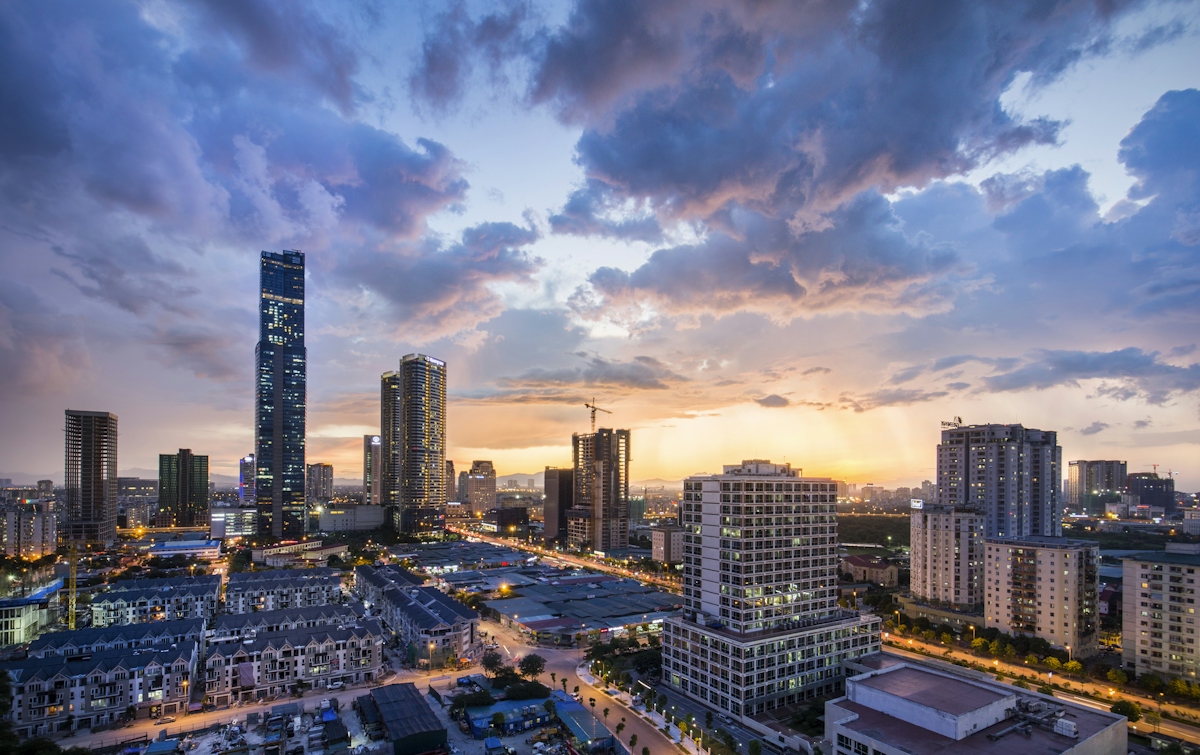
Hanoi — First Timer's Guide
First Timer's Guide

First Time in Hanoi? Everything You Need to Know

Hanoi is gentler than Ho Chi Minh City but no less chaotic. The traffic is dense, the streets are narrow, the sidewalks are occupied by parked motorbikes a...

🌎 Hanoi, VN 📖 7 min read 💰 Mid-range budget Updated Jun 2026

Hanoi is gentler than Ho Chi Minh City but no less chaotic. The traffic is dense, the streets are narrow, the sidewalks are occupied by parked motorbikes and street food vendors, and the noise never fully stops. But beneath the surface chaos is a city with deep cultural pride, genuine warmth toward visitors, and a pace that — once you adjust — feels more thoughtful than frantic.

This guide covers everything you need to know before landing: airport transfers, common scams, street-crossing techniques, and the cultural basics that will make your first Hanoi experience smoother.
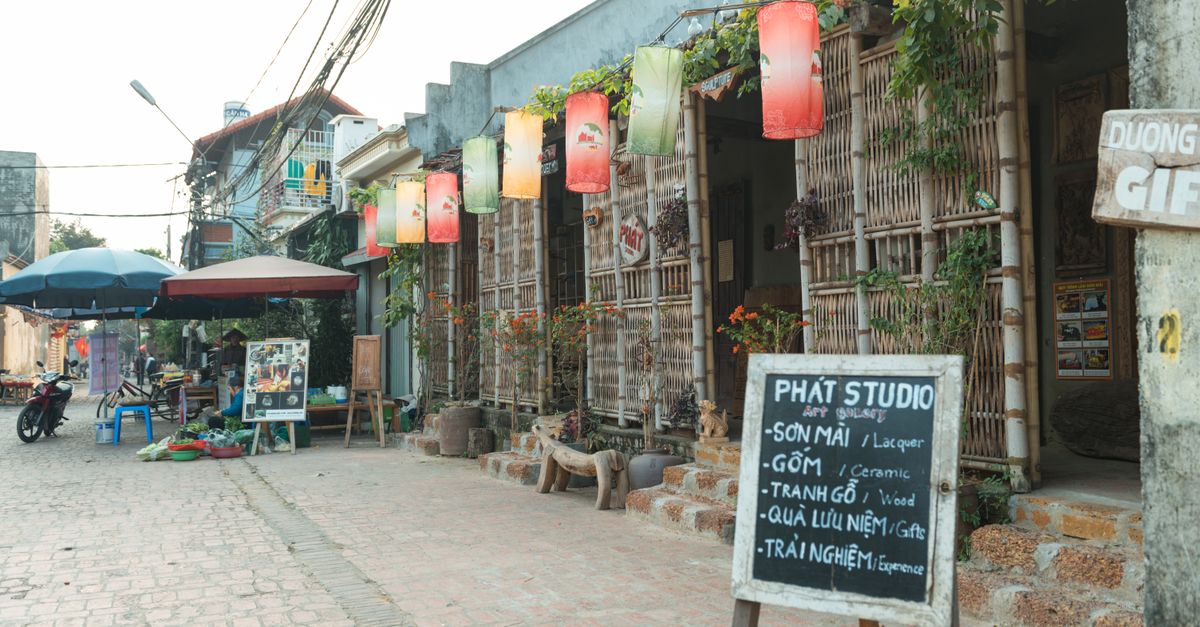
Hanoi Old Quarter with hanging lanterns and colonial architecture
The Old Quarter's narrow lanes are overwhelming at first — within a day, they'll feel like home. Photo: Unsplash

Noi Bai Airport to the Old Quarter

Noi Bai Airport is 25 km north of Hanoi. The journey to the Old Quarter takes 40-60 minutes depending on traffic.

Airport Bus 86 (VND 45,000, 50-60 minutes)

The official airport bus runs every 25-30 minutes from outside the arrivals exit to Hanoi Old Quarter (Hang Tre Street). It's air-conditioned, has luggage storage, and accepts cash or VinaSun prepaid cards. The cheapest option and perfectly comfortable.

Grab (VND 200,000-300,000, 40-50 minutes)

Book a Grab car from the app using the airport WiFi (free). The fare is fixed before you book — no surprises. Follow signs to the designated Grab pickup point outside the terminal. This is the recommended option for most travelers, especially with luggage.

Taxi (VND 350,000-450,000, 40-50 minutes)

Use only Noi Bai Taxi (official airport taxi, white cars) or Mai Linh (green). The official taxi counter is inside the arrivals hall — book there, not from touts outside. Avoid unmarked cars and anyone approaching you inside the terminal. The airport taxi fare is metered and should be VND 350,000-450,000 to the Old Quarter including highway toll.

💡 SIM card: Buy a tourist SIM card at the airport arrivals hall. Viettel and Mobifone sell 30-day unlimited data SIMs for VND 100,000-200,000 ($4-8). Having mobile data for Grab, Google Maps, and Google Translate is practically essential in Hanoi. Most booths will install the SIM and set it up for you.

Grab — Essential for Hanoi

Download Grab before arriving. It's the dominant ride-hailing app in Vietnam and eliminates every transportation headache: no language barrier, no fare negotiation, no scam risk. GPS-tracked, upfront pricing, cash or card payment.

Grab Bike is the go-to for most trips: VND 10,000-25,000 for rides within the central city. Helmets are provided. The drivers are experienced and the motorbike ride through Hanoi's traffic is an experience in itself. Grab Car costs 2-3x more but is preferable in rain or with luggage.

Crossing Streets in Hanoi

Hanoi's traffic rules are similar to HCMC's: motorbikes dominate, traffic lights are loosely observed, and pedestrian crossings are decorative suggestions. The technique is the same: walk at a slow, steady, constant pace and the motorbikes will flow around you. Do not stop. Do not run. Do not make sudden movements.

Hanoi traffic is slightly slower than Saigon's, which makes crossing marginally less terrifying. The Old Quarter streets are narrow, which means traffic is close but moving slowly. Larger roads like Tran Quang Khai and Le Thai To along the lake have traffic lights that drivers mostly obey — use them when available.

Common Scams

Taxi/Cyclo Scams

Fake taxis: Vehicles painted to look like Mai Linh or Vinasun with subtly different names (Mal Linh, VinaSan). Use Grab instead. Cyclo overcharging: Drivers quote "50" and mean $50 USD, not VND 50,000. Always agree on a price in VND, show the amount on your phone, and confirm before getting in.

Shoe Shine Scam

Persistent shoe shiners "accidentally" polish your shoes and demand payment, or insist on cleaning shoes that don't need it. Say "khong" (no) firmly and walk away. Do not engage.

Changed Menu Prices

Some tourist-area restaurants show you a menu with one set of prices, then bring a bill with higher ones. Take a photo of the menu when you sit down. Check the bill against the menu before paying. This is uncommon at street food stalls — it mainly happens at sit-down restaurants near Hoan Kiem Lake.

Friendship Bracelet / Student Survey

Someone ties a "friendship bracelet" on your wrist then demands payment, or a "student" asks you to fill out a survey then tries to sell you something. Both are common in the Old Quarter. Decline firmly and walk away.
💡 The honest majority: Despite these scams, the vast majority of Hanoians are genuinely friendly and honest. Street food vendors, shop owners, and ordinary people will go out of their way to help lost tourists. Don't let scam awareness turn into distrust — it's a small minority that operates this way.
Traditional water puppet theater in Hanoi
Water puppetry — a uniquely Vietnamese art form dating to the 11th century, performed nightly at Hoan Kiem Lake. Photo: Unsplash

Money & Payments

The currency is Vietnamese Dong (VND). Quick conversion: VND 25,000 = approximately $1 USD. The notes range from VND 1,000 to VND 500,000 — the two highest denominations (200,000 and 500,000) are similar in color (blue-green), so check carefully when paying.

Hanoi is cash-dominant. Street food, bia hoi, most restaurants, and local shops accept only cash. ATMs are abundant — Vietcombank, BIDV, Agribank, and Techcombank accept international cards. Withdraw VND 3,000,000-5,000,000 at a time. Some ATMs charge VND 22,000 per transaction.

Water Puppet Show

Don't skip the Thang Long Water Puppet Theatre (VND 100,000) on the north shore of Hoan Kiem Lake. Performances run multiple times daily and last 50 minutes. The art form dates to the 11th century — puppeteers hidden behind a bamboo screen manipulate wooden puppets on a pool of water, accompanied by live traditional music.

Book tickets in advance at the box office or online — shows regularly sell out, especially the 6:30 PM and 8:00 PM performances. Sit in the first five rows for the best view of the water effects.

Weather & When to Visit

Spring (March-April): Ideal conditions. Warm (20-25°C), occasional drizzle but mostly pleasant. The best time to visit.

Summer (May-August): Hot and humid (30-35°C) with heavy afternoon rain showers. Still rewarding but physically demanding. Stay hydrated and seek air conditioning during the hottest hours.

Autumn (September-November): Beautiful. Cooling temperatures, clear skies, and less rain. October and November are excellent months to visit.

Winter (December-February): Cold by Vietnamese standards (10-17°C), grey, and drizzly. Pack warm layers — Vietnamese buildings rarely have heating. The cold can be surprisingly uncomfortable because of the dampness. Lunar New Year (Tet, late January/early February) is spectacular but many businesses close for a week.

Visa

Most nationalities can apply for a Vietnam e-visa ($25 USD, 90 days, single entry) at the official website. Many countries qualify for visa exemption up to 45 days. Check current requirements before booking — rules change frequently. Apply at evisa.xuatnhapcanh.gov.vn.
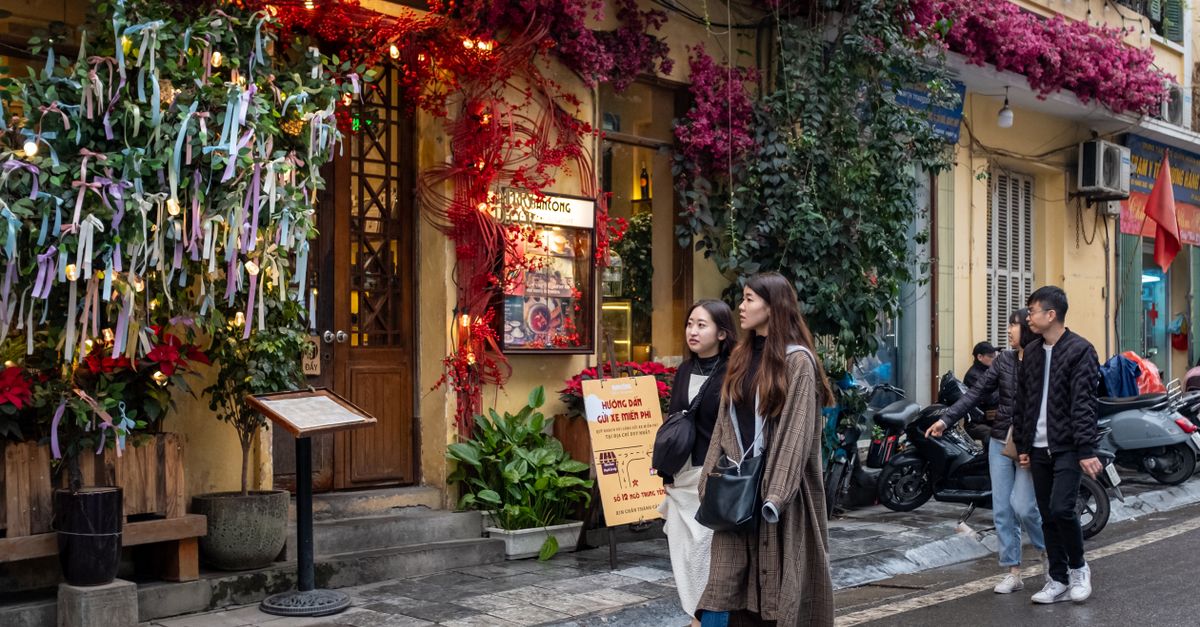
French Quarter tree-lined boulevard in Hanoi
Hanoi's French Quarter boulevards — where colonial architecture meets Vietnamese street life. Photo: Unsplash

Common First-Timer Mistakes

Skipping the Old Quarter at night. The Old Quarter transforms after dark — the weekend night market, the bia hoi corners, and the street food vendors create an atmosphere that's completely different from daytime.

Only eating pho. Pho is essential, but bun cha, banh cuon, and egg coffee are equally iconic Hanoi dishes. Eat them all.

Booking the cheapest Ha Long Bay tour. The cheapest options (under VND 600,000) use low-quality boats, serve bad food, and spend more time driving than sailing. Mid-range tours (VND 1,000,000-1,500,000) are dramatically better. Overnight cruises are worth the investment.

Walking everywhere in summer. The heat and humidity are brutal from June through August. Use Grab bikes for anything beyond 10 minutes of walking. Your energy is better spent eating and exploring than sweating through a 30-minute walk.

Ready to plan your first Hanoi trip? Compare hotels in Hanoi and find flights to Hanoi on JustCheckin.

JC
JustCheckin Editorial Team
Researched, written, and verified by travel experts. Last updated Jun 01, 2026.
COMPLETE HANOI TRAVEL GUIDE

Everything you need for Hanoi

🗺️
3-Day Itinerary
🍜
Food Guide
💎
Hidden Gems
💰
Budget Guide
✈️
First Timer's Guide
You are here
🏨
Hotels

Daily Budget — Hanoi

Typical traveller costs · All figures in USD

🎒
$40
Budget/day
🏨
$100
Mid-range/day
$300
Luxury/day

💱 Vietnamese Dong (VND) - 1 USD is roughly 25,000 VND

Culture & Etiquette

👗
Dress Code
Hanoi is a conservative city, so it's best to dress modestly, especially when visiting temples or pagodas. Cover your shoulders and knees, and avoid revealing clothing. For men, a long-sleeved shirt and pants are recommended. For women, a scarf or shawl can be a good addition to your outfit.
🤝
Local Customs
In Hanoi, it's customary to remove your shoes before entering a home or temple. You'll often see shoe racks or mats outside the entrance. When eating with locals, use your right hand to eat and avoid finishing a meal completely, as this can imply the host didn't provide enough food. Also, avoid public displays of affection, as they're generally frowned upon.
⚠️
Watch Out For
Be cautious of scams targeting tourists, such as: - Taxi scams: Always use a reputable taxi company or ride-hailing app. - Street vendors: Be wary of overly friendly vendors who may be trying to sell you overpriced or low-quality goods. - ATM scams: Be mindful of your surroundings when using ATMs, and avoid using them in isolated areas.
Dos & Don'ts
In Hanoi, it's considered polite to: - Use both hands when giving or receiving something. - Avoid pointing with your feet or using your left hand. - Use a slight bow or a nod to show respect. - Remove your hat when entering a temple or pagoda.
👩
Solo Female Safety
As a solo female traveler in Hanoi, be aware of your surroundings, especially at night. Avoid walking alone in dimly lit areas and use reputable taxi services or ride-hailing apps. Keep your valuables secure and be mindful of your belongings in crowded areas.
🏳️‍🌈
LGBTQ+ Notes
Vietnam has made significant progress in LGBTQ+ rights, but there's still a way to go. Same-sex relationships are legal, but public displays of affection may still attract unwanted attention. Be respectful of local customs and avoid drawing unnecessary attention to yourself.
📷
Photography
When taking pictures in Hanoi, be mindful of the following: - Avoid taking pictures of military personnel or government buildings. - Respect people's privacy and avoid taking photos of them without permission. - Don't take pictures of Buddha statues or other sacred objects without permission. - Be respectful of local customs and traditions when taking pictures of street performers or vendors.

Getting Around Hanoi

✈️
Airport Transfer
Take a taxi or Grab from Noi Bai International Airport to Hanoi city center, costing around 350,000 - 500,000 VND (~15-22 USD) for a 30-40 minute ride.
🚇
Public Transport
Hanoi has a well-developed public bus system, with buses running frequently and costing 5,000 - 10,000 VND (~0.22-0.44 USD) per ride.
📱
Taxi & Ride Apps
Use Grab or Go-Van taxi apps for a convenient and affordable ride-hailing experience in Hanoi.
🛵
Rental Tips
Rent a motorbike or scooter for a day, costing around 150,000 - 200,000 VND (~6.50-8.70 USD), but be aware of traffic rules and road conditions.
🗺️
Getting Around
Download Google Maps or a local navigation app to help you navigate Hanoi's streets and avoid traffic congestion.

Frequently Asked Questions

No, tap water is not safe to drink in Hanoi. It's recommended to drink bottled or filtered water to avoid waterborne illnesses. You can find bottled water at most convenience stores, supermarkets, and street vendors.
Viettel, Vinaphone, and Mobifone are the three major mobile operators in Vietnam. You can purchase a prepaid SIM card at the airport, convenience stores, or mobile shops. A SIM card with a data package is recommended for tourists to stay connected and navigate the city.
Vietnam uses Type A, C, and D power sockets with a standard voltage of 220V and a frequency of 50Hz. You may need a universal power adapter to charge your devices.
Bargaining is a common practice at local markets in Hanoi. Start with a lower price, and be prepared to walk away if you don't like the price. Smiling and being friendly can also help to get a better deal.
Tipping is not mandatory in Hanoi, but it's appreciated for good service. A tip of 5-10% is sufficient for restaurant and bar staff, while 1-2 USD is enough for taxi drivers and tour guides.
Be mindful of pickpocketing and petty theft in crowded areas, and keep an eye on your belongings. Avoid walking alone at night, and use reputable taxi services or ride-hailing apps. Also, be cautious when crossing the street, as traffic in Hanoi can be chaotic.
Hanoi's streets can be confusing, but you can use Google Maps or a local SIM card to get around. You can also ask locals for directions or hire a taxi or ride-hailing service. Additionally, many streets in Hanoi have signs in English, making it easier to navigate.
The cost of living in Hanoi is relatively low compared to other major cities in Southeast Asia. You can find affordable accommodation, food, and transportation options. However, prices can vary depending on the location and quality of services.
In Hanoi, it's customary to remove your shoes before entering temples or homes, and to use your right hand when eating or giving or receiving something. You should also respect the local dress code, especially when visiting temples or attending cultural events.
Hanoi has a relatively low risk of diseases, but you should still take precautions against mosquito-borne illnesses like dengue fever and Zika virus. You should also drink plenty of water, eat well, and get enough rest to avoid dehydration and fatigue.
✨ Jiai — Travel AI Open Full →
Hi! I'm **Jiai**. Ask me about hotels, flights, activities or budgets for any destination.
✈️

You're on a roll!

Enter your email for unlimited Jiai access + personalised travel deals.

No spam. Unsubscribe anytime.