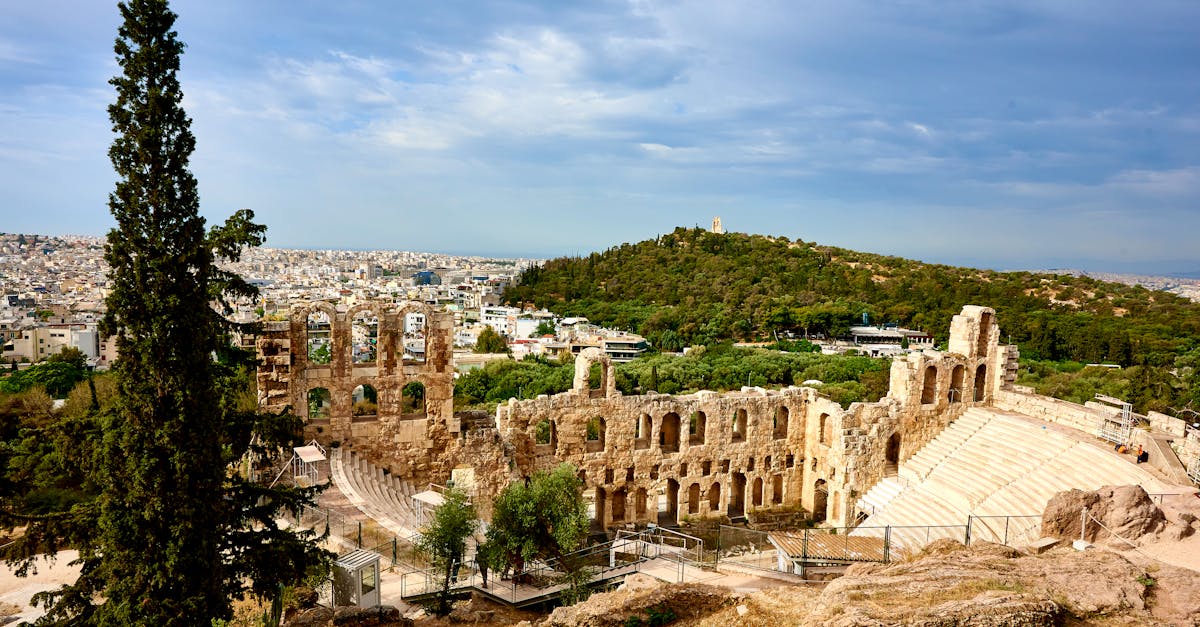
Athens First-Timer Guide: Everything You Need to Know
Athens is chaotic, sun-blasted, and completely addictive. But the heat, the transport system, and the local rhythms of life can trip up unprepared visitors. This guide covers the practical details that will make your first visit smooth.
From airport transfers to pickpocket hotspots, here's what you actually need to know.

Getting from the Airport to Athens
Athens International Airport (Eleftherios Venizelos) sits 33 km east of the city center. Three reliable options get you into town.
Metro Line 3 (blue) runs directly from the airport to Syntagma and Monastiraki. The journey takes about 40 minutes, costs €9 one-way (€15 return if bought together), and trains run every 30 minutes from 6:30 AM to 11:30 PM. This is the best option for most visitors.
The X95 express bus runs 24/7 between the airport and Syntagma Square. It costs €6 and takes 50-70 minutes depending on traffic. Buses run every 15-20 minutes during the day and every 30-40 minutes overnight. This is your only public transport option after the metro closes.
Taxis charge a flat rate of €40 (daytime, 5 AM-midnight) or €55 (midnight-5 AM) to the city center. Insist on the meter or agree on the flat rate before getting in. Uber and Beat (a local ride-hailing app) operate at similar prices.
The Athens Transport Card
The Ath.ena Card is the rechargeable transit card for all Athens transport. You can buy one at any metro station for €2 (the card itself) and load single rides (€1.20 each, 90-minute validity), day passes (€4.10), or 5-day tourist passes (€9).
The 5-day tourist pass includes one airport metro trip plus unlimited city transport. For a 3-day visit, this is the best value. Without the card, you can still buy paper tickets at machines and kiosks.
Athens' central metro stations double as archaeological museums. Syntagma station has a glass floor showing an excavated ancient road. Acropolis station displays reproductions and artifacts from the hill above. Take a moment to look around instead of rushing to the exit.
Heat Warning: June Through August
Athens gets scorching in summer. July and August regularly hit 38-42°C, and the reflected heat off marble ruins feels even hotter. This is not a "bring sunscreen" situation — it's a "restructure your entire day" situation.
Do outdoor sightseeing before 10 AM and after 5 PM. Spend midday in air-conditioned museums, restaurants, or your hotel. The Acropolis opens at 8 AM — be there at opening and you'll have it largely to yourself before the heat and crowds peak.

Carry at least 1 liter of water at all times. Refill at public fountains — Athens' water is perfectly safe. Wear a hat, use SPF 50+, and don't underestimate dehydration. The Acropolis has no shade whatsoever.
Spring (April-May) and autumn (September-October) are the ideal times to visit. Temperatures are 20-28°C, crowds are manageable, and the light on the ancient marble is golden and perfect for photography.
Pickpockets & Safety
Athens is generally safe, but pickpocketing is a real issue in tourist areas. Monastiraki flea market, the Monastiraki metro station, crowded buses, and the Plaka tourist strip are the main hotspots.
Keep your phone in a front pocket or zipped bag. Use a crossbody bag rather than a backpack in crowded areas. Be especially vigilant on the metro during rush hour and at Omonia station.
Scams to watch for: people trying to tie "friendship bracelets" on your wrist (then demand payment), petition-signers who distract while accomplices pickpocket, and fake "bird poop" incidents where someone points out a stain on you while their partner empties your pockets. Simply saying "no" firmly and walking away handles all of these situations. Don't engage in conversation.
Despite these warnings, Athens is a safe city. Violent crime against tourists is extremely rare. Normal urban awareness is all you need.
Neighborhoods to Know
Plaka is the oldest neighborhood, draped around the Acropolis slopes. Charming but touristy — eat breakfast here, but find dinner elsewhere. Anafiotika, the whitewashed village tucked into the Acropolis hillside, is a hidden gem within Plaka.
Monastiraki has the flea market, excellent souvlaki, and rooftop bars with Acropolis views. It's the city's most energetic area. Psyrri, adjacent to Monastiraki, has the best nightlife and street art.
Koukaki, south of the Acropolis, is where young Athenians live and eat. Great restaurants, zero tourist menus, and easy access to the Acropolis metro station. This is the best neighborhood for accommodation that balances value and location.
Exarchia is Athens' anarchist/alternative quarter. Covered in graffiti, filled with live music venues and cheap tavernas, and consistently fascinating. Safe during the day, a bit edgier at night. Don't be intimidated — it's one of Athens' most authentic neighborhoods.
Eating Etiquette
Greeks eat late. Lunch is 1:30-3 PM, dinner rarely before 9 PM. Restaurants that are empty at 7:30 PM will be packed at 10 PM. Adjust your schedule and you'll eat better food with a better atmosphere.
Sharing is fundamental. Order several dishes for the table rather than individual mains. Greeks order meze (small plates), salads, and mains all at once, and everything arrives when it's ready — not in courses. Embrace the chaos.
The bill won't arrive until you ask for it ("ton logariasmo, parakalo"). Sitting at a taverna table for hours after finishing is perfectly normal and expected. Rushing you out would be deeply un-Greek. At the end of a meal, you may receive a small complimentary dessert or fruit plate — this is standard Greek hospitality, not an upsell.
Practical Quick Reference
| Detail | Info |
|---|---|
| Currency | Euro (€) |
| Language | Greek (English widely spoken in tourist areas) |
| Tipping | Round up or 5-10% at restaurants |
| Tap water | Safe to drink, free from fountains |
| Pharmacies | Green cross signs, well-stocked, English-speaking staff |
| Emergency | 112 (EU-wide), 100 (police), 166 (ambulance) |
| Plugs | Type C/F (standard European 2-pin) |

Useful Greek Phrases
"Yassas" (hello/goodbye, formal), "Yassou" (informal). "Efharisto" (thank you). "Parakalo" (please/you're welcome). "Poso kani?" (how much?). "Ton logariasmo" (the bill). "Nero" (water). "Bira" (beer). Even a few words of Greek earn you warmer service and genuine smiles.
The Greek alphabet can be intimidating, but metro stations and major signs all have Latin script translations. Restaurant menus in tourist areas are almost always bilingual. In Exarchia or residential neighborhoods, a translation app helps with menus that are Greek-only — but pointing and smiling works too.
Athens doesn't try to be polished or Instagram-perfect. It's messy, loud, hot, and overflowing with 2,500 years of uninterrupted human civilization. Come prepared for the practical realities, and you'll be free to absorb the wonder that hides around every sun-bleached corner.
Essential Apps & Resources
Getting around Athens is far easier with the right tools loaded before you land. The OASA Telematics app (free, iOS and Android) shows real-time arrivals for all Athens buses, trams, and the metro — it's the difference between a confident wait at a stop and frustrated guessing. The metro itself is clean and well-signed, but surface bus routes can be confusing without live tracking. Buy or top up your Ath.ena transit card at airport or city metro stations using cash or card — the card costs €2 and single rides are €1.20, valid for 90 minutes across all modes.
For Acropolis tickets, book online through the official e-ticketing system (etickets.tap.gr) at least 3-5 days before your visit during April-October. Walk-up tickets often sell out or have queues of 45-90 minutes by mid-morning. The combined ticket (€30 in peak season) covers the Acropolis, Acropolis Museum, Ancient Agora, Roman Agora, Kerameikos, Temple of Poseidon at Sounio, and several other sites. If you're visiting more than three archaeological sites, it's significantly better value than paying separately. The Acropolis Museum website (theacropolismuseum.gr) has virtual tours and exhibition guides worth reading the night before your visit.
For food navigation, use Google Maps reviews filtered to "visited recently" — Athens' restaurant scene changes rapidly and pre-pandemic recommendations can lead you to closed or declined addresses. The neighborhood around Monastiraki has many tourist traps charging €15-25 for average souvlaki — reliable local spots worth the short walk include Kostas on Pentelis Street in Syntagma (pork souvlaki in pita, €3.50) and To Steki tou Ilia in Thissio (grilled lamb chops, €12-16 per portion). For coffee, Athenians take their espresso seriously — any kafeneio that has been open for decades will serve better coffee than a branded chain.
The Visit Athens app (free) consolidates museum opening hours, temporary exhibitions, and free entry days — most state museums offer free admission on the first Sunday of each month from November through March. The Acropolis Museum is free every Friday evening. Weather apps are essential: Athens' summer heat is genuine and the difference between 36°C and 42°C matters for how you plan your day. Meteoblue and Windy both give accurate hourly Athens forecasts. Emergency contacts: 112 (EU emergency), 100 (Greek police), 166 (ambulance), 199 (fire service).
Plan your 3-day Athens itinerary Athens' hidden gems most tourists miss


