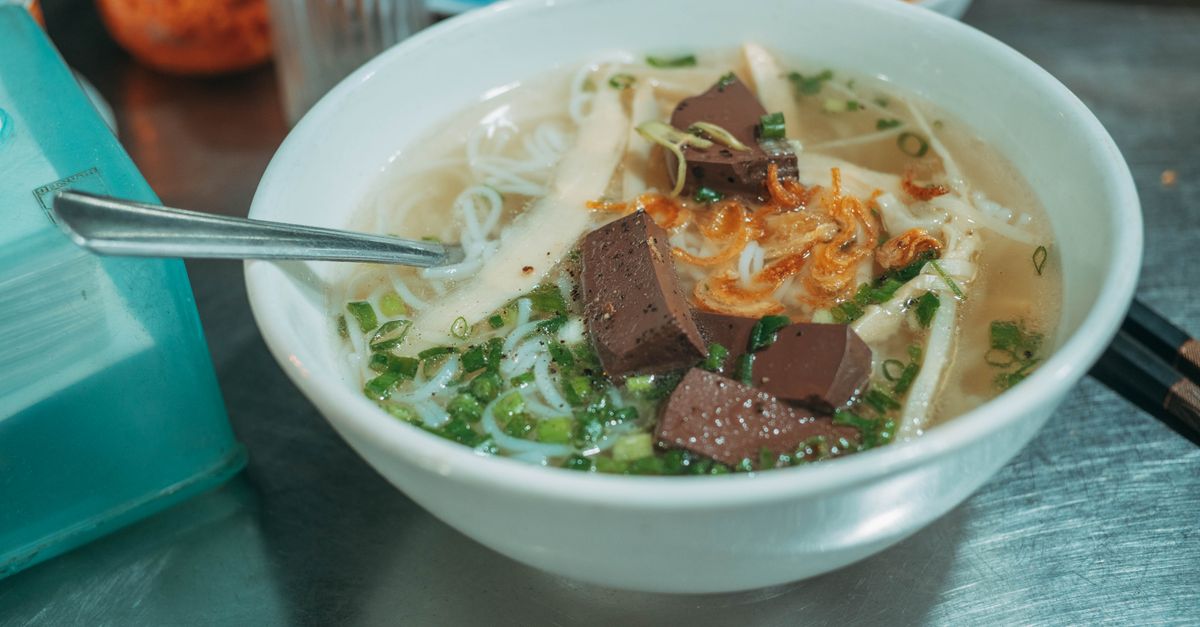
Da Nang is central Vietnam's coastal hub — a modern, clean city with a stunning beach, the Marble Mountains, and the Golden Bridge drawing millions of visitors. It's also the gateway to both Hoi An and Hue, making it a perfect base for exploring the region. Three days gives you the city itself plus time for the mountains and the increasingly impressive culinary scene.
The Vietnamese dong (VND) is the currency — expect large numbers (a meal is 50,000-100,000 VND, roughly $2-4). Grab is the best transport option (rides VND 20,000-50,000 across the city). Da Nang is flat and bikeable — hotel bicycle rentals are common (VND 50,000/day).
My Khe Beach, Marble Mountains & Dragon Bridge
Morning (7:00 AM) — My Khe Beach: Rated among Asia's most beautiful urban beaches, My Khe stretches 30 kilometers with fine white sand and warm water. Swim early before the heat peaks. Beachfront cafes serve Vietnamese iced coffee (ca phe sua da, VND 15,000-25,000) — the perfect morning start.
Late Morning (10:00 AM) — Marble Mountains: Five limestone and marble hills (VND 40,000 entry, VND 15,000 elevator) containing Buddhist pagodas, caves with shrines, and panoramic viewpoints. Thuy Son (Water Mountain) is the most accessible and impressive. The cave temples with natural skylights are atmospheric. Bring water — the stairs are steep in the heat.
Afternoon — Son Tra Peninsula: Drive or Grab to the Linh Ung Pagoda on Son Tra Peninsula for a 67-meter white Lady Buddha statue overlooking Da Nang Bay. The coastal road has excellent views. Monkey Mountain at the tip of the peninsula offers wild monkeys and military history.
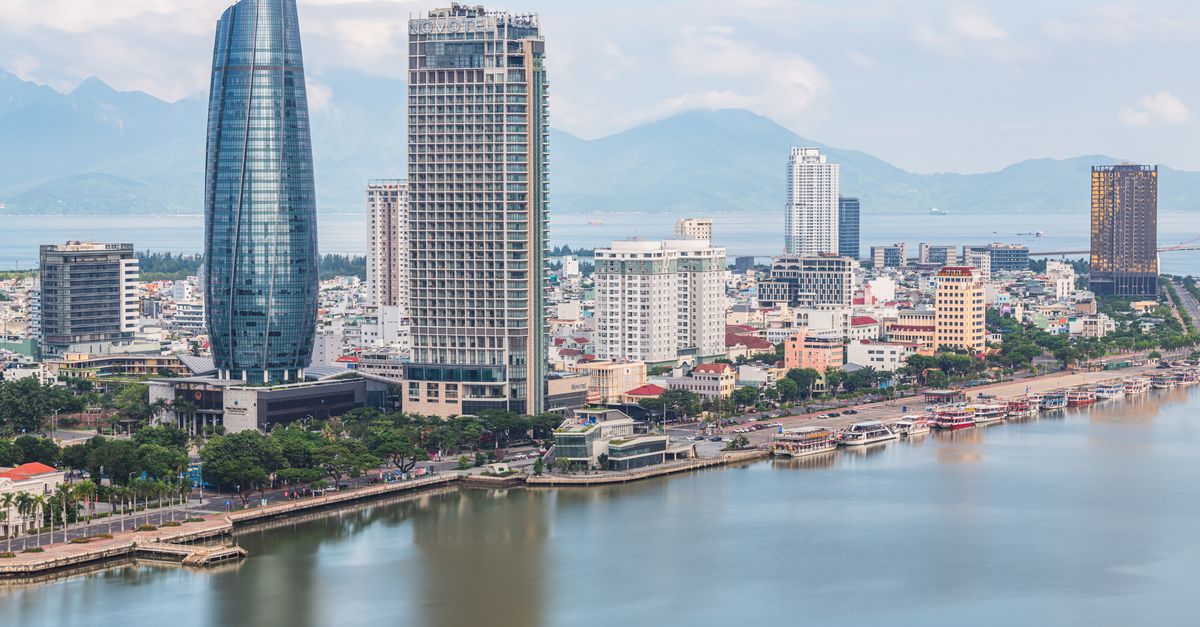
Evening — Dragon Bridge: Da Nang's iconic dragon-shaped bridge breathes fire and water every Saturday and Sunday at 9 PM. Even on other nights, the lit bridge is stunning. Walk the Han River promenade and dine at riverside restaurants — banh xeo (crispy pancakes, VND 30,000-50,000) is the local specialty.
Ba Na Hills & Sun World
Full Day — Ba Na Hills: The Sun World complex (VND 900,000 entry including cable car) sits at 1,487 meters elevation with cooler temperatures and cloud-level views. The cable car ride — one of the world's longest at 5.8 kilometers — is spectacular. Highlights include the Golden Bridge (giant stone hands holding a golden walkway), French Village (kitsch but photogenic), and Fantasy Park (indoor amusement park). Food is overpriced inside — eat before or after. Budget a full day.
Evening — Da Nang Street Food: Return to the city for dinner at the Con Market area. Bun cha ca (fish cake noodle soup, VND 30,000), mi quang (turmeric noodles, VND 35,000-50,000), and nem lui (grilled pork sausage on lemongrass, VND 40,000) are the local standards.
Hoi An Day Trip or Beach Day
Option A — Hoi An Day Trip: Just 30 kilometers south (Grab VND 150,000-200,000 or local bus VND 30,000), Hoi An's UNESCO old town deserves a full day. See the dedicated Hoi An itinerary for details. Return to Da Nang by evening.
Option B — Beach & Culture Day: Spend the morning at My Khe Beach, visit the Museum of Cham Sculpture (VND 60,000) — the world's largest collection of Cham artifacts — and explore the Korean-influenced Han Market area. Afternoon surfing lessons available on My Khe (VND 500,000-700,000 for 90 minutes).
Evening — Seafood Feast: Da Nang's seafood restaurants along the beach road serve the freshest catch at local prices. Choose your fish, crab, or prawns from tanks and specify the cooking method. A seafood dinner for two with beer runs VND 300,000-500,000 total.
Getting Around Da Nang
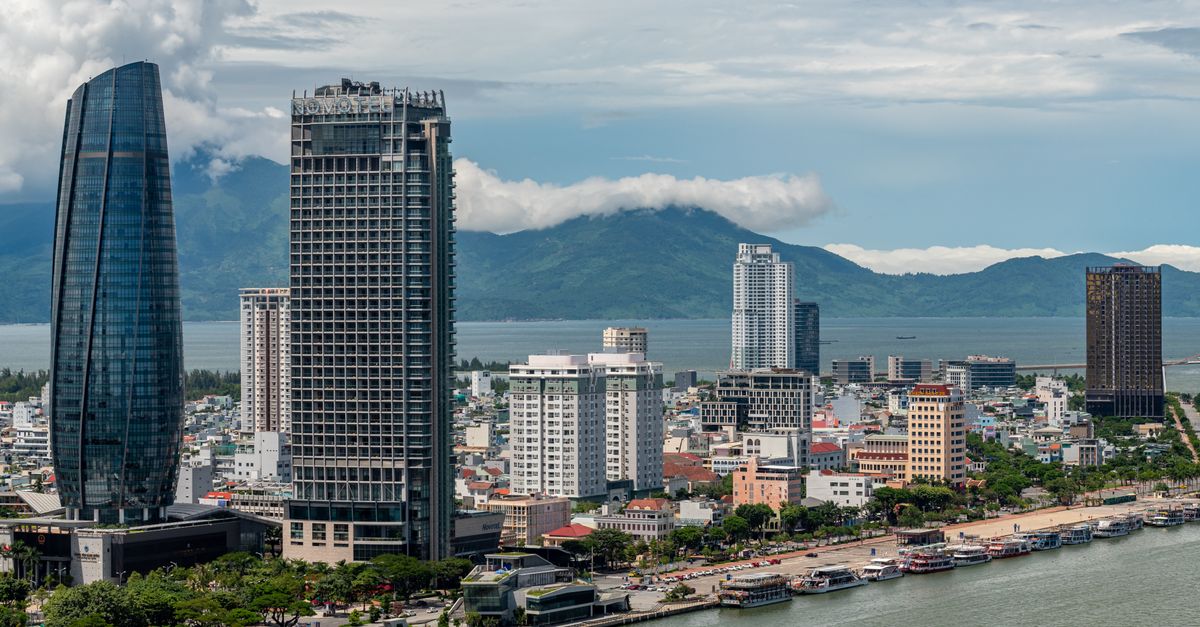
Da Nang is one of Vietnam's most navigable cities — compact enough to understand quickly yet spread across a coastal strip that rewards smart transport choices. The Han River divides the city east-to-west, with My Khe Beach on the east bank and the city centre, markets, and most restaurants on the west. Bridges connect the two sides at multiple points, making crossings easy at any time of day.
Grab is the non-negotiable app for getting around. A ride from the city centre to My Khe Beach costs VND 25,000–40,000 (roughly $1–1.50); from the beach to Marble Mountains, expect VND 50,000–70,000. The app shows fare estimates upfront, so there is no haggling. Always confirm the vehicle plate matches the app before boarding. Grab Bike (motorbike) is faster in traffic and cheaper; Grab Car is cooler in the heat and suits luggage or groups.
Motorbike rental is the preferred option for travelers spending more than two or three days. Most guesthouses and dedicated rental shops along Nguyen Van Linh Street rent automatic scooters for VND 100,000–150,000 per day — a price that makes any distance trivial. An international driving permit is technically required but rarely checked; the greater risk is traffic inexperience. Stick to wider roads initially and avoid the narrow medina-like lanes around Con Market until your comfort level builds.
Cycling works well for the flat beach corridor and city centre. Bicycle rentals (VND 50,000–80,000 per day from most hotels) are ideal for the Han Riverfront path and the 6-kilometre stretch along Vo Nguyen Giap Street hugging the coast. The Son Tra Peninsula road is a magnificent coastal loop but involves steep gradients — a motorbike handles it more comfortably than a bicycle.
For Ba Na Hills, either hire a private car (VND 300,000–500,000 return including wait time via Grab or a hotel-arranged driver) or book a tour that includes transport. The mountain road is narrow and demanding — self-driving a rented scooter is possible but not recommended for nervous riders. The Hoi An trip by local bus (line 1, VND 30,000 from Da Nang bus station on Le Duan Street) takes about 45 minutes and departs every 20–30 minutes between 5:30 AM and 6:00 PM.
Practical Tips
Vietnam's currency uses large numbers that take getting used to — a meal might cost 50,000 VND (roughly $2). ATMs dispense VND and are widely available. Credit cards are accepted at hotels and restaurants in tourist areas but cash is essential for street food, markets, and smaller establishments. The Vietnamese dong cannot be exchanged outside Vietnam — spend or exchange before departure.
Grab is the essential app in Vietnam — it works for motorbike taxis (xe om), cars, and food delivery. Traditional taxi companies (Vinasun and Mai Linh) are reliable metered alternatives. Crossing the street in Vietnamese cities is a leap of faith — step confidently at a steady pace and let the traffic flow around you. Do not stop or run. The traffic looks chaotic but follows an organic logic that respects pedestrians who commit to their path.
Vietnamese people are curious, friendly, and proud of their country and food. Learning basic Vietnamese — 'xin chao' (hello), 'cam on' (thank you) — is appreciated and will enhance every interaction. The country is safe for travelers with normal precautions. Petty theft (phone snatching) occurs in cities — keep valuables secured.
Best Times to Visit & Budgeting
Timing your visit matters enormously for both weather and crowds. Peak tourist seasons bring higher prices, sold-out accommodations, and crowded attractions. Shoulder seasons (the weeks just before and after peak) often deliver the best balance — good weather, manageable crowds, and reasonable prices. Off-season travel is the cheapest but check for monsoon rains, extreme heat, or seasonal closures.
Budget planning for three days should account for accommodation (30-40% of total), food (20-25%), transport (15-20%), activities and entrance fees (15-20%), and a contingency buffer (10%). The biggest savings come from choosing accommodations wisely — a well-located mid-range hotel that eliminates taxi costs can be cheaper than a budget hotel in a remote area plus daily transport.
Travel insurance is non-negotiable. A single hospital visit in most Asian countries costs more than a year of comprehensive travel insurance (0-80 for a 2-week trip). Ensure your policy covers emergency medical evacuation — this is the expensive scenario that justifies the premium. Download your policy documents to your phone for offline access.
Currency exchange tips: ATMs generally offer better rates than airport exchange counters. Withdraw larger amounts less frequently to minimize per-transaction fees. Carry some US dollars (0-100) as universal backup — they're accepted in emergencies across most of Asia. Notify your bank of travel plans to prevent card blocks. Use a travel-specific card (Wise, Revolut) for the best exchange rates and lowest fees.
Download essential apps before arriving: Google Maps (with offline maps for your destination), Google Translate (with offline language packs), the local ride-hailing app (Grab for Southeast Asia, DiDi for China, Uber/Ola for India), and your accommodation booking confirmation. A portable battery pack (10,000-20,000 mAh) keeps your phone alive through a full day of navigation, photography, and ride-hailing.