Da Nang is Vietnam's third-largest city and has been extensively redeveloped over the past two decades into a coastal resort destination — the beach hotels on My Khe Beach, the dragon bridge that breathes fire on weekends, the cable car to Ba Na Hills. This tourism infrastructure is genuine and the beaches are genuinely excellent. But Da Nang is also the city closest to several of Vietnam's most extraordinary overlooked destinations: the Marble Mountains, the Cham Museum, the traditional fishing village of Non Nuoc, and the back roads of the Son Tra peninsula where 300-year-old banyan trees shade military lookout posts and red-shanked douc langurs watch you from the forest canopy.
This guide is for travelers who want to use Da Nang as a base for genuine exploration rather than just beach time — though the beach time is also excellent and should not be entirely sacrificed. The city's strategic position, with Hoi An 30km south, Hue 100km north, and the jungle-covered Son Tra peninsula immediately to the east, makes it one of the best-located cities in central Vietnam for a diverse itinerary.
These ten places represent Da Nang at its most interesting — the ones that reward curiosity rather than convenience.

1. Cham Museum at Opening — The Best Sculpture Collection in Southeast Asia
The Museum of Cham Sculpture in Da Nang is the finest collection of Cham art in the world and, by extension, one of the most important sculpture collections in Southeast Asia. It is not generally treated this way — most visitors give it 45 minutes before the bus moves on. This is a significant error. The Cham civilization that flourished in central and southern Vietnam from the 2nd to 15th centuries produced Hindu and Buddhist sculpture of extraordinary technical accomplishment, and the collection here — assembled from ruined temples across the region — includes some pieces that stand with the finest religious sculpture in the world. The 7th-century Tra Kieu altar pedestal, with its narrative panels of musicians and dancers, is as fine as anything in South or Southeast Asian art.
The collection is organized by region of origin (My Son, Tra Kieu, Dong Duong, Thap Mam) and this organization matters — each workshop had a distinct style, and understanding the evolution of Cham art from the early (angular, hieratic) to the mature (fluid, expressive) period requires seeing the collections in sequence. The terracotta Ganesha figures, the sandstone Shiva lingas, the bronze Brahma heads — these are not academic exercises but objects of extraordinary visual power that deserve sustained attention. The French-era pavilion building housing the collection is itself beautiful and allows natural light to illuminate the stone sculpture in ways that enhance rather than diminish the objects.
Cham Museum is at 02 2-9 Street in Da Nang city center, walking distance from the Han River bridge. Entry 60,000 VND. Open daily 7am–5pm. Arrive at opening for the first 30 minutes with minimal other visitors. Audio guide available in English at 30,000 VND rental. The museum gift shop has excellent academic publications on Cham art at 150,000–400,000 VND — considerably cheaper than the same texts in international bookshops. The My Son ruins (90km southwest) are the field equivalent of this museum — visiting both gives the complete picture of Cham civilization.
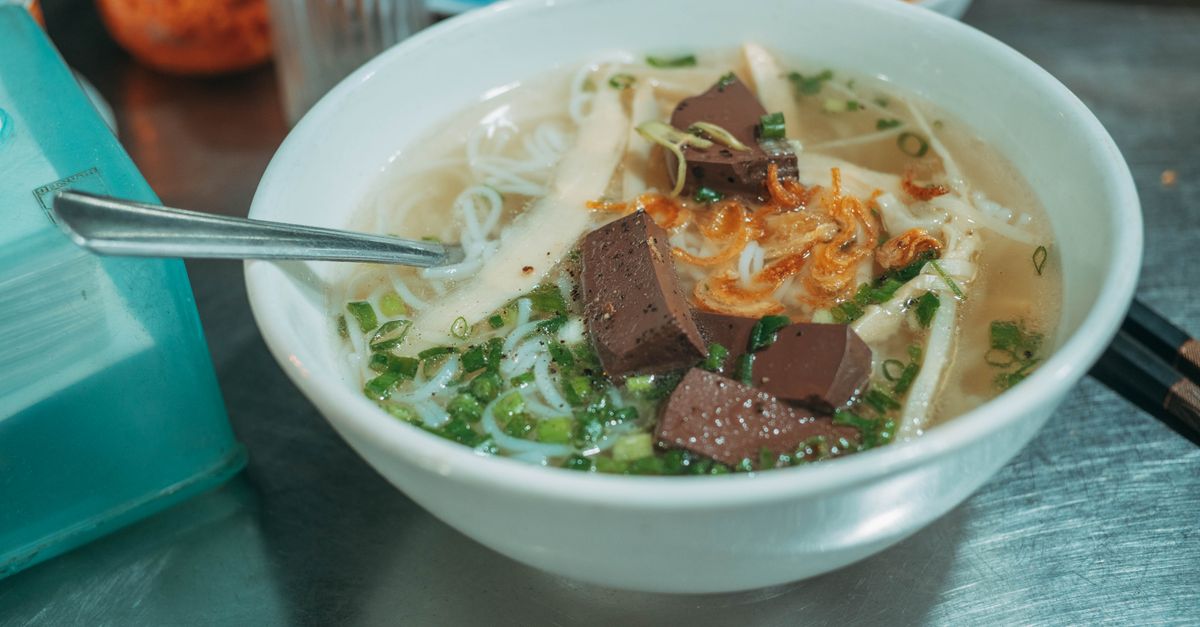
The riverside café area directly across 2-9 Street from the museum has several Vietnamese breakfast spots serving bun bo Hue (beef noodle soup, slightly different from the Hue version but excellent) and banh mi from 20,000–40,000 VND. A complete breakfast adjacent to one of Southeast Asia's great museums for under $2 is one of Da Nang's genuine pleasures.
2. Non Nuoc Village — The Marble Carvers
The Non Nuoc stone carving village at the base of the Marble Mountains is one of the most extraordinary concentrations of skilled craft in Vietnam. Over 3,000 artisans work in the village, producing stone sculptures ranging from garden ornaments to temple-quality religious statues in the white marble (actually a mixture of marble and limestone) from the five marble mountains above. The carving studios line the roads for several kilometers, and wandering through them — the sound of chisels on stone echoing from every building, stone dust drifting in the air, finished pieces standing in rows along the road — is a genuinely distinctive sensory experience unavailable anywhere else in Vietnam.
The quality range is enormous: most production is functional decorative work (fish, lions, simple Buddha figures) that is designed for export through the souvenir shops. But a smaller number of workshops produce custom religious statuary of exceptional quality — Da Nang marble Buddhist and Hindu figures that are commissioned by temples across Vietnam, by the Vietnamese diaspora communities in the US and Australia, and by collectors in Japan and Korea. Finding these workshops requires walking past the tourist-facing stalls to the production facilities further from the road. The craftspeople in these studios are welcoming to visitors who show genuine interest and will demonstrate the carving of a fine line or a difficult detail.
Non Nuoc village is at the base of the Marble Mountains on Nguyen Tat Thanh Boulevard, 9km south of Da Nang city center. Grab or taxi from the city costs 80,000–120,000 VND. Rental motorbike allows the most flexible exploration. Free to walk through the village. Best visited 8–11am on weekdays when production is in full swing. The village has no formal tourist infrastructure — ask workshop owners if you can watch production and most will say yes. Bringing a translator app helps with negotiations for custom pieces.
The Marble Mountains (Ngu Hanh Son) immediately north of the village are a key Da Nang attraction — five marble and limestone peaks with temple caves and spectacular views. Thuy Son (the tallest and most visited peak) has the finest cave temples; Huyen Khong Cave, with its natural skylight and wartime bomb craters, is the most dramatic. Entry 40,000 VND; elevator to the top 15,000 VND. Best before 9am for the cave light and minimal crowds.
3. Son Tra Peninsula — Urban Wildlife and Empty Beaches
The Son Tra Peninsula, the forested headland immediately east of Da Nang center, is one of Vietnam's most extraordinary urban wildlife sanctuaries. The red-shanked douc langur, one of the world's most beautiful primates (electric blue face, chestnut "boots," white beard), survives in significant numbers in the Son Tra forest — the peninsula has the highest density of this endangered species anywhere in the world, and sightings are near-guaranteed for those who walk the forest trails in the early morning. The Ba Na Social Forest area on the peninsula's western flank is the best access point for wildlife watching, with the troops most active 6–8am before the heat drives them to shade.
The peninsula's coastline is equally remarkable: several beaches on the east coast (Bai Nam, Bai Con, Bai Rang) are accessible only by motorbike via the single winding road that circumnavigates the peninsula, and are either completely empty or used by a small number of fishing families. These are among the finest beaches in the Da Nang area and lack even a single plastic chair for hire. The road itself, climbing from sea level to 480 meters at the summit plateau of Son Tra Mountain, offers spectacular views of both the Da Nang Bay and the open South China Sea on its different sections.
Son Tra Peninsula starts 3km east of Da Nang center. Rental motorbike from the city (150,000–200,000 VND/day) is the ideal transport. No entry fees for the forest or beaches. The circuit of the full peninsula takes about 3 hours by motorbike. The Ba Na Social Forest access point is off the main peninsula road near the Linh Ung Pagoda (the enormous hilltop Buddha statue). Wildlife watching requires quiet movement and ideally binoculars. The Intercontinental resort at the peninsula's northern end has a café open to non-guests with extraordinary views of Da Nang Bay from the clifftop at 200,000 VND per person minimum spend.
The military lookout at Son Tra Mountain summit (Kim Lien Peak) is technically a restricted area but the road is open to civilians during daylight and the view from the concrete platform at the peak — 360 degrees of coastline from Hue in the north to the Cham Islands in the south — is the finest panorama in the Da Nang region. The U.S. military used this summit as a signals intelligence facility during the Vietnam War; the infrastructure is still visible among the vegetation.
4. My Khe Beach at Dawn — The Original Version
My Khe Beach is genuinely excellent — a 30km stretch of white sand facing the South China Sea, warm water year-round except in the November–February northeast monsoon when swells make swimming inadvisable. The beach has been extensively developed with hotels and restaurants, which is fine. But arrive at 5:30am and you'll find a different version: Vietnamese families doing their morning exercise in the surf, elderly fishermen launching their round basket boats (thung chai) to check their nets 300 meters offshore, and the entire beach before the sun rises high enough to make it uncomfortable. The thung chai are one of Vietnam's most characterful traditional craft — circular, buoyant, and extraordinarily maneuverable by those who know how.
The fish market that operates at the north end of My Khe Beach (around Pham Van Dong Street) from approximately 5:30–8:30am is one of Da Nang's finest morning experiences — the catch from the overnight fishing boats is auctioned in a rapid-fire process that takes three hours to clear the quayside, and the variety of South China Sea species available is staggering. A fisherman named Minh, who operates a small boat from the north end of the beach market, runs informal fishing morning trips for visitors (200,000 VND per person, 4–7am, catch included) — ask at the fish market for his contact if this sounds appealing.
My Khe Beach starts 1km east of Da Nang center. Free beach access along the entire length. The promenade (Vo Nguyen Giap Street) runs parallel to the beach. Best time: 5:30–8:30am for the fishing community activity; 4–6pm for the afternoon swim when the sun is lower and the water temperature has peaked. Avoid November to February when northeast swells can make swimming dangerous (red flag days are enforced). The beach on the south end of the strip, around the Fusion Suites area, is slightly less crowded than the north end at peak season.
The best seafood in Da Nang is not in the tourist restaurants on Vo Nguyen Giap Street — it's at the small grills on the parallel back streets, particularly around Do Quang Street, where the day's catch is cooked over charcoal at 60,000–150,000 VND per serving. Ask for ca thu (mackerel) or cua bien (sea crab) and indicate your preference for grilled (nuong) or steamed (hap). The restaurant will weigh the fish and agree a price before cooking.
5. Bach Dang Street Food at Night — Da Nang's Best Evening
Bach Dang Street along the western bank of the Han River is Da Nang's main evening promenade, and on weekend nights it closes to traffic and becomes a pedestrian food street. But the interesting food is not on Bach Dang itself — it's on the small streets running perpendicular to it, particularly around the intersection with Tran Phu Street, where a cluster of street food vendors sets up from 6pm and serves the distinctly Da Nang versions of central Vietnamese dishes. Mi Quang (Da Nang's signature turmeric noodle dish with shrimp, pork, quail eggs, and a crunchy rice cracker) is best here at 30,000–50,000 VND per bowl.
The Han River at night, from the walking promenade at the river's edge, is genuinely beautiful — the Dragon Bridge (Cau Rong) is illuminated from its base and the light plays on the river surface, and on Saturday and Sunday nights at 9pm the bridge breathes actual fire and water from its dragon head. This tourist spectacle is described in every Da Nang guide, and it is worth seeing once — the crowd gathering on the riverbank at 8:45pm for the 9pm show is one of the city's most animated weekly social events, entirely free to attend. The Bach Dang street food stalls peak in activity exactly during the waiting period before the show.
Bach Dang Street runs along the west bank of the Han River in Da Nang city center, walkable from most hotels. The street food cluster is most active 6–10pm on weekdays and until midnight on weekends. The bridge fire show runs at 9pm Saturday and Sunday. Free to watch. Mi Quang at a street stall costs 25,000–40,000 VND; banh trang cuon thit heo (rice paper with grilled pork, peanuts, and herbs) costs 50,000–80,000 VND for a large serving — this dish is specifically Da Nang and is among the finest in the city's repertoire.
The Da Nang night market on An Thuong Street (the backpacker area 1km west of the beach) is less polished than the riverside area but has better food stalls and a more local evening atmosphere. The stalls here are set up by neighborhood vendors selling corn, sweet potato, and the distinctly Vietnamese chao (rice congee) varieties that are the preferred late-night eating of the city's young working population. A bowl of chao with chicken and ginger costs 20,000–30,000 VND and is the ideal end to a Da Nang evening.
6. Lang Co Lagoon — The Undiscovered Beach Between Two Cities
Lang Co is a thin strip of land on the north side of Hai Van Pass, sandwiched between a sheltered blue lagoon on the west and the South China Sea on the east. The lagoon side has the village and the fishing culture; the sea side has an 8km beach that is arguably more beautiful than My Khe and receives perhaps one-twentieth the visitors. The village itself, connected to the mainland by a causeway bridge, is a traditional Vietnamese fishing community where the dominant smell is fish sauce (being made in large barrels along the main street) and where the daily market reflects the actual economy of a coastal fishing village rather than anything designed for tourism.
The lagoon side of Lang Co is remarkable for its water color — a particularly intense shade of blue-green that results from the combination of depth, marine plants, and the light at this latitude. Kayaks can be rented from several Lang Co guesthouses (100,000–150,000 VND/hour) for exploration of the lagoon, which has mangroves on its southern edge, small fishing operations scattered across it, and the Thanh Binh Island in its center that was historically a rest stop for the traders using the Hai Van Pass trade route. The lagoon at golden hour (5–6pm) with the mountains reflected in the still water is one of central Vietnam's finest natural views.
Lang Co is 60km north of Da Nang, most dramatically reached by motorbike over Hai Van Pass (the coastal mountain pass that was the historic boundary between the kingdoms of Champa and Dai Viet). The pass takes about 45 minutes from Da Nang by motorbike (Route 1A, the old road — not the tunnel) and the view from the summit is among the finest coastal views in Vietnam. The road is narrow in sections but well-maintained. Lang Co resort accommodation (several mid-range and budget options) makes an overnight stay easy; a night here breaks the Da Nang–Hue journey pleasantly.
The seafood restaurants in Lang Co village serve catch-of-the-day at prices that reflect the local economy rather than the tourism economy: a grilled fish meal for two costs 150,000–250,000 VND. The specific dish to order is ca nuc nuong (grilled trevally) with the Lang Co dipping sauce of fish sauce, lime, and chili that the village's restaurants make slightly differently from everywhere else — the local lime variety used here has a particular flavor that the version served in Da Nang cannot replicate.

7. Hai Van Pass — The Road That Changes Weather
Hai Van Pass (Pass of the Clouds) is the 496-meter crossing point of the Truong Son range that separates central Vietnam's climatic zones — south of the pass is the sunny Da Nang zone (predominantly dry), north is the Hue zone (predominantly wet and misty). The pass has been strategically significant for two thousand years — armies have fought for control of it, every major power that has controlled Vietnam has built fortifications on its summit. The French Indochinese military bunkers, reinforced by American forces during the Vietnam War and now covered in tropical vegetation, are the dominant visible structure at the summit alongside the original gate of a mandarin road marker from the Nguyen Dynasty.
The drive over the pass on the old Route 1A (not the tunnel, which bypasses the pass entirely) takes about 45 minutes from Da Nang and is one of the finest road trips in Vietnam — the road climbs through thick forest, emerging at the summit into a microclimate that often has cloud and cool air while Da Nang bakes below. The view from the summit, when clear, is one of Vietnam's most famous: Da Nang Bay curving south with My Khe Beach visible, and Lang Co's lagoon visible to the north. The summit fortifications can be walked in 20 minutes and the history of their different occupations is legible in the layers of construction.
The pass road is accessible by motorbike from Da Nang (Route 1A north, follow signs for Lang Co rather than the tunnel). The summit area has a small café and souvenir stalls. No entry fees for the fortifications. The pass can be combined with a Lang Co lagoon visit for a full-day circuit. The easiest organized approach is the Open Tour bus (which still uses the pass road rather than the tunnel) — buy a ticket in Da Nang for 80,000–120,000 VND and ask the driver to wait 15 minutes at the summit while you explore.
In misty season (November–March on the north Hue side), the pass summit can be literally inside a cloud, with visibility 10 meters and temperature 10°C cooler than sea level. This is not a deterrent — the atmospheric experience of standing on a 2,000-year-old mountain pass in the clouds, surrounded by military ruins and the sound of the wind, is among the finest free experiences in central Vietnam. Bring a light jacket regardless of season.
8. Trung Luong Waterfall — The Mountain Drive No One Takes
The Trung Luong waterfall area in the Hoa Vang district west of Da Nang, approximately 30km from the city center, is a pocket of forest waterfalls and highland scenery that receives almost no foreign visitors. The access road (Route 602) climbs through traditional Co Tu ethnic minority villages — the Co Tu are one of the indigenous Montagnard peoples of central Vietnam who maintained their culture through both the American War and the subsequent collectivization period. Their villages, with the distinctive communal house (gươl) that is the social and ceremonial center of Co Tu life, are accessible by motorbike on this road.
The specific waterfall complex at Trung Luong has several falls accessible by a forest trail from the road end, with natural swimming pools at the base of the main falls that are used by Da Nang families on hot season weekends. On weekdays these pools are essentially empty — a natural forest swimming hole with 10-meter falls above it, cool water, and the sound of the forest, with no plastic chairs or drink vendors in sight. The trail from the road to the falls takes 20–30 minutes through genuine lowland forest.
Trung Luong is accessible only by motorbike or private car — no public transport. Take Route 14B west from Da Nang toward Tuy Loan, then south on Route 602 following signs for Trung Luong. The drive takes about 45 minutes. No entry fees for the waterfall area. The Co Tu villages along Route 602 are welcoming to respectful visitors — stopping to observe (without photographing without permission) the traditional weaving and construction is appropriate. The district has a small eco-tourism program with guide services available through the Hoa Vang district tourism office for those wanting guided cultural visits.
The Co Tu traditional market at Bha Ho village on Route 602 operates on the first and fifteenth of each lunar month and is one of the most authentic highland markets in the Da Nang area — beeswax, forest honey, traditional textiles, and the small handmade bronze ornaments that are specific to Co Tu ceremonial culture. Arrive before 8am for the full activity.
9. Da Nang Cathedral — The Rooster Church
Da Nang Cathedral, built by the French in 1923, is nicknamed the Cock Church (Nha Tho Con Ga) for the metal weather vane rooster on its pink steeple. It is the largest Roman Catholic church in the Da Nang diocese and serves the substantial Catholic community that has been in central Vietnam since the 17th century. The church itself, in French Gothic Revival style with pink stucco walls that make it startlingly visible against the blue sky, is genuinely beautiful — the interior has good stained glass, carved wooden pews, and the particular quality of light that competent Gothic Revival architecture achieves even in a tropical setting.
Mass at Da Nang Cathedral (Sunday at 5am, 7am, 9am; daily at 5am and 5pm) draws hundreds of parishioners and provides a window into the Vietnamese Catholic community's devotional life — something that most visitors entirely miss. The Sunday 9am mass is the most elaborate, with full choir and the traditional Vietnamese Catholic music that has its own distinct character from Western Catholic liturgical music. Photography is not appropriate during services; arriving before or after is fine.
The cathedral is on Tran Phu Street in Da Nang center, 500m from the Han River. Free entry. Open daily during regular hours; mass schedule as above. The surrounding streets have several good Vietnamese Catholic food stalls serving breakfast specialties on Sunday morning — the tradition of post-mass breakfast is strong in Vietnamese Catholic communities, and the stalls that set up around the cathedral on Sunday morning are among the best breakfast options in the city center. Banh cuon (steamed rice rolls with pork) and the local da nang-style chao are the specific dishes to seek.
Walking north from the cathedral to the Han River bridge and south along the riverside promenade creates a 30-minute circuit that passes through the densest concentration of Da Nang's daily urban life — the flower market (Cho Hoa) on the riverbank, the coffee shops where the city's young professionals congregate before work, and the fruit sellers who set up along the river wall from dawn.
10. Con Market — Da Nang's Everyday Bazaar
Han Market gets all the foreign visitors because it's in the tourist guidebooks. Con Market (Cho Con), 600m further west on Ong Ich Khiem Street, is where Da Nang residents actually shop and is dramatically more interesting. It is the city's largest market, covering two floors of a 1960s-era market building plus extensive surrounding stalls, and its 2,000 vendors cover every category from fresh produce to electronics to traditional medicine to ao dai (traditional Vietnamese dress) tailoring. The distinction in atmosphere from Han Market is the absence of tourist pricing and the presence of a functional economy — people buying things they actually need at prices that reflect supply and demand rather than visitor expectations.
The specific things to buy at Con Market: fresh local spices (Da Nang is in a region with extraordinary culinary herb production), the local varieties of dried shrimp that are used in central Vietnamese cooking and are not available in supermarkets, and the custom ao dai tailoring in the first floor fabric section (fabric MYR 200,000–800,000 VND/meter, tailoring 200,000–400,000 VND for a complete garment with a 2-day turnaround). The dried food section has a remarkable selection of the preserved and fermented items that are central to Vietnamese cuisine — man nem (fermented fish paste), banh da (rice crackers), and dried seaweed from the South China Sea coast.
Con Market is on Ong Ich Khiem Street in Da Nang center, 800m from the Han River. Free to walk through. Open daily 6am–6pm; most active 6–11am. The basement level has a food court serving central Vietnamese breakfast dishes for 20,000–50,000 VND — this is where market vendors eat, which is the highest possible recommendation. The bun cha ca (fish cake noodle soup) served here from 7am until sold out (typically by 10am) is the finest version of this distinctly Da Nang dish available in the city.