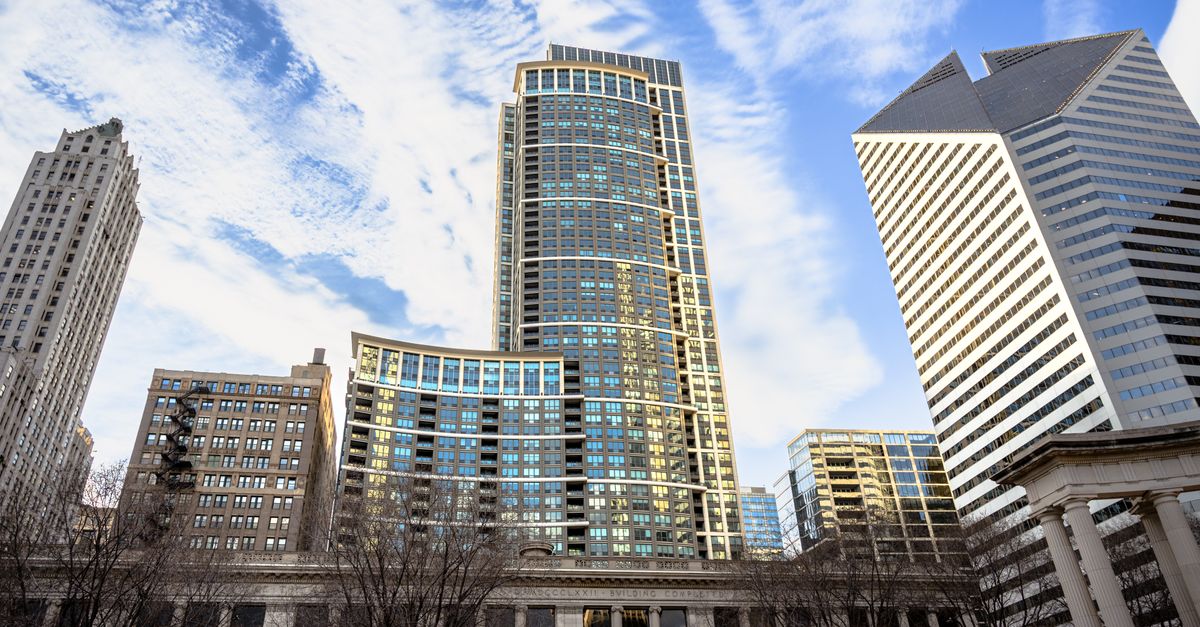
Chicago exceeds expectations even when expectations are high. What images cannot convey is the texture — the way air feels on your skin at dusk, the aroma that greets you in the central market, conversations flowing in rhythms that belong only to this place.
This itinerary balances the must-see landmarks with quieter neighborhoods where the city's true character emerges. Eat everything, walk everywhere, and talk to strangers. The city rewards curiosity with generosity.

Millennium Park, Art Institute & The Loop
Morning (8:00 AM) — Millennium Park morning walk: The atmosphere builds gradually as you explore — from initial orientation to genuine immersion. Allow at least an hour, more if you read every plaque and peer around every corner. The surrounding streets offer good cafes for a post-visit debrief over coffee or a cold drink. Check opening hours in advance as seasonal schedules vary.
Mid-Morning (10:30 AM) — Cloud Gate (The Bean) photos: This is one of Chicago's defining experiences — photographs cannot fully convey the combination of visual impact and cultural significance. Spend at least 45 minutes here, preferably in the morning when the light is best and crowds are manageable. The views from elevated sections reward the climb, offering a perspective that reframes the city's layout.
Afternoon (1:00 PM) — Art Institute of Chicago galleries: Arrive early — by midday the tour groups arrive in force. The atmosphere is best appreciated at a slow pace, with stops to absorb details that reveal themselves only to those paying attention. A local guide can unlock layers of meaning invisible to the uninstructed eye. Budget at least an hour and resist the urge to rush.
Late Afternoon (3:30 PM) — Willis Tower Skydeck views: The combination of natural beauty and human history here creates an experience on multiple levels. First-time visitors often focus on the photogenic elements, but the deeper reward comes from understanding why this place exists and what it means to the people who live here. Take your time — the place is not going anywhere.
Evening (6:00 PM) — Chicago Riverwalk evening: What makes this stop essential is how it connects to Chicago's larger story — a narrative of decisions, ambitions, and compromises that explain why the city looks and feels the way it does. Experiencing it in person adds a dimension that reading about it cannot replicate.
North Side: Lincoln Park & Wrigleyville
Morning (8:00 AM) — Lincoln Park Zoo visit: The atmosphere builds gradually as you explore — from initial orientation to genuine immersion. Allow at least an hour, more if you read every plaque and peer around every corner. The surrounding streets offer good cafes for a post-visit debrief over coffee or a cold drink. Check opening hours in advance as seasonal schedules vary.
Mid-Morning (10:30 AM) — Lincoln Park Conservatory: This is one of Chicago's defining experiences — photographs cannot fully convey the combination of visual impact and cultural significance. Spend at least 45 minutes here, preferably in the morning when the light is best and crowds are manageable. The views from elevated sections reward the climb, offering a perspective that reframes the city's layout.
Afternoon (1:00 PM) — Wrigley Field neighborhood walk: Arrive early — by midday the tour groups arrive in force. The atmosphere is best appreciated at a slow pace, with stops to absorb details that reveal themselves only to those paying attention. A local guide can unlock layers of meaning invisible to the uninstructed eye. Budget at least an hour and resist the urge to rush.
Late Afternoon (3:30 PM) — Second City comedy show evening: The combination of natural beauty and human history here creates an experience on multiple levels. First-time visitors often focus on the photogenic elements, but the deeper reward comes from understanding why this place exists and what it means to the people who live here. Take your time — the place is not going anywhere.
Architecture Tour & Neighborhoods
Morning (8:00 AM) — Chicago Architecture boat tour: The atmosphere builds gradually as you explore — from initial orientation to genuine immersion. Allow at least an hour, more if you read every plaque and peer around every corner. The surrounding streets offer good cafes for a post-visit debrief over coffee or a cold drink. Check opening hours in advance as seasonal schedules vary.
Mid-Morning (10:30 AM) — Magnificent Mile shopping: This is one of Chicago's defining experiences — photographs cannot fully convey the combination of visual impact and cultural significance. Spend at least 45 minutes here, preferably in the morning when the light is best and crowds are manageable. The views from elevated sections reward the climb, offering a perspective that reframes the city's layout.
Afternoon (1:00 PM) — Navy Pier entertainment: Arrive early — by midday the tour groups arrive in force. The atmosphere is best appreciated at a slow pace, with stops to absorb details that reveal themselves only to those paying attention. A local guide can unlock layers of meaning invisible to the uninstructed eye. Budget at least an hour and resist the urge to rush.
Late Afternoon (3:30 PM) — Pilsen neighborhood murals: The combination of natural beauty and human history here creates an experience on multiple levels. First-time visitors often focus on the photogenic elements, but the deeper reward comes from understanding why this place exists and what it means to the people who live here. Take your time — the place is not going anywhere.
Evening (6:00 PM) — Chinatown dinner: What makes this stop essential is how it connects to Chicago's larger story — a narrative of decisions, ambitions, and compromises that explain why the city looks and feels the way it does. Experiencing it in person adds a dimension that reading about it cannot replicate.

Budget Breakdown (Per Person, 3 Days)
| Category | Budget | Mid-Range | Luxury |
|---|---|---|---|
| Accommodation (3 nights) | $150 | $420 | $1,100 |
| Food & Drinks | $75 | $200 | $550 |
| Transport | $20 | $45 | $120 |
| Activities | $40 | $100 | $280 |
| Total | $285 | $765 | $2,050 |
Practical Tips for Chicago
Getting Around
CTA L trains and buses covers most of Chicago. Combine public transport for longer distances with walking for neighborhoods. Download offline maps before arriving. Multi-day transit passes almost always offer better value than single tickets.
When to Visit
Visit Chicago during June-September for comfortable walking weather and accessible outdoor attractions. Shoulder seasons bring fewer crowds and lower prices.
Local Culture & Etiquette
Chicago has a directness that sets it apart from both the East and West Coasts. Chicagoans are proud of their city and quick to debate its merits — whether that means deep-dish versus thin-crust, the Cubs versus the White Sox, or which neighborhood has the best hot dog stand. Engaging with that civic pride, rather than treating Chicago as a stop on a Greatest Hits of America tour, earns immediate warmth from locals who are deeply invested in the city's reputation.
The hot dog rules are non-negotiable in local eyes. A Chicago-style hot dog is a Vienna Beef frank in a poppy-seed bun, topped with yellow mustard, chopped white onion, bright-green sweet pickle relish, tomato slices, a dill pickle spear, sport peppers, and celery salt. Ketchup is explicitly banned. At Portillo's (several locations, $5-7) or Superdawg Drive-In on Nagle Avenue, ordering with ketchup will get you a look that communicates more than words. Deep dish from Lou Malnati's ($20-28 for a medium) is another institution — order online for pickup to avoid the wait.
Tipping culture is robust and expected. Fifteen percent is the absolute floor at sit-down restaurants; 20% is standard for competent service, 25% for genuinely good service. Tipping at coffee shops ($1-2) and food counters is common. Bartenders expect $1-2 per drink. Failing to tip is noticed and remembered. At music venues in Pilsen or Logan Square, showing up early (doors are usually 30-45 minutes before showtime), buying at least one drink per set, and not filming the entire performance on your phone are the unspoken codes of the room.
The L (elevated rail) is the city's social equalizer — every socioeconomic class rides it, and the Red Line especially connects neighborhoods that would otherwise feel isolated from each other. On the Blue Line from O'Hare, you pass through Wicker Park and Ukrainian Village before reaching the Loop. On the Green Line, you get a surface-level view of the South Side that no guidebook provides. Riding the full loop of the elevated downtown circle — the "Loop" that gives the district its name — costs only the price of a transit pass ($2.50) and delivers one of Chicago's best architectural perspectives.
Exploring more US cities? Read our Boston 3-Day Itinerary for your next adventure.