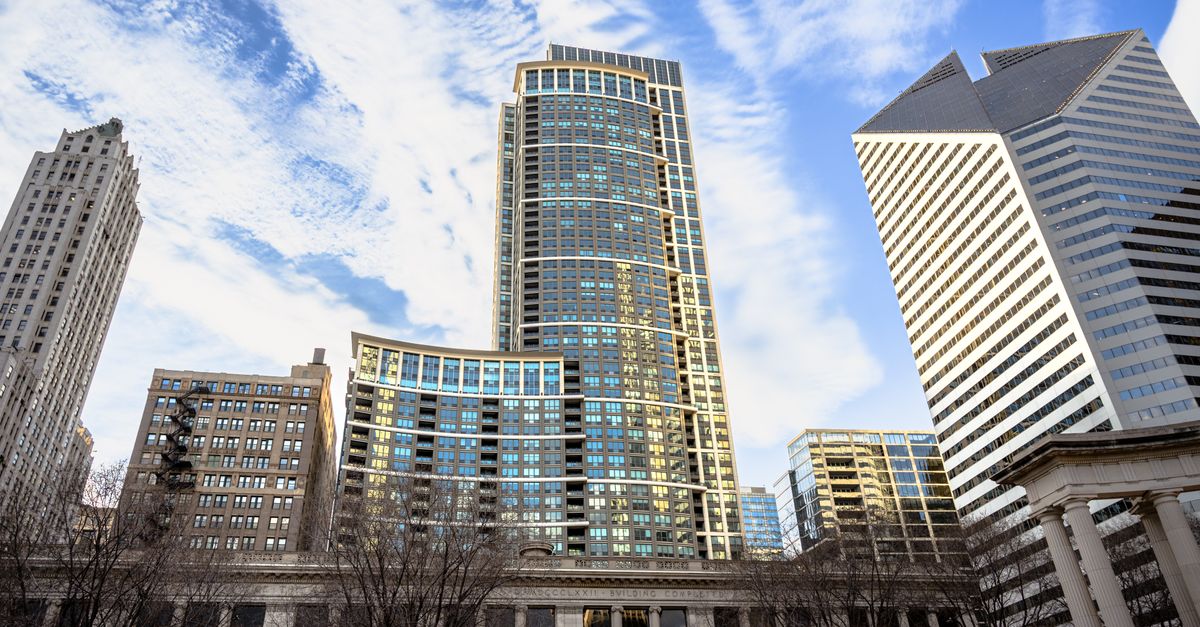
Chicago's tourist narrative is told in a handful of scenes: the Bean, Millennium Park, architecture river tours, deep-dish pizza, the lakefront. These are all legitimate, but they account for a small fraction of a city that is architecturally extraordinary in its entirety, culturally diverse in ways that few American cities match, and built around a lakefront public commons that is the most underutilized tourist attraction in the Midwest. The tourists go to the same three neighborhoods; the city sprawls for miles in every direction, each section with its own distinct identity.
This guide is for travelers who want to push beyond the tourist infrastructure — to eat Chicago Polish food in Avondale, to walk the neighborhoods that produced the Chicago Blues and the Chicago house music scene, to find the parks and cultural institutions that local residents actually use. Chicago rewards the extra train ride, the willingness to eat in strip malls, and the curiosity to ask what's beyond the next elevated track stop.
The Chicago Transit Authority's L train system is genuinely excellent and connects virtually every neighborhood of interest. A Ventra card ($5 at stations) makes getting around effortless and inexpensive. Most of the city's best experiences are $10 train rides from downtown.

1. Pilsen's Mexican Mural District
Pilsen, the Mexican-American neighborhood on Chicago's Lower West Side, contains a concentration of public murals that rivals the Mission District in San Francisco and Wynwood in Miami — but without the self-promotion, the tour groups, or the gallery-district posturing. The murals here are painted on building facades, viaducts, and retaining walls throughout the neighborhood, produced by local artists for local audiences over decades of community art practice. They address Mexican history, immigration, labor, and identity with a directness that is both beautiful and politically serious.
The neighborhood's identity as a Mexican-American cultural center developed in the 1960s and 1970s as the community established institutions, businesses, and cultural organizations that have maintained the neighborhood's character through significant economic pressure. The National Museum of Mexican Art on West 19th Street is the anchor cultural institution — free admission, with a permanent collection that represents Mexican and Mexican-American art from pre-Columbian times to the present.
Take the Pink Line L to the 18th Street station — you're in the heart of Pilsen. Walk 18th Street east to west: the commercial strip has tamale shops, Mexican bakeries (La Mejikana at 1736 W 18th is essential), and taquerias. The mural walk extends into surrounding residential streets — particularly 16th Street and the blocks around Throop and Halsted.
Free to explore. Budget $10–15 for food: tamales ($2 each), agua fresca ($3), lunch at a taqueria ($10–14). National Museum of Mexican Art is free, open Tuesday–Sunday 10am–5pm. The neighborhood's best tacos are at La Casa del Pueblo on Blue Island Avenue.
2. The Chicago Blues Scene in Bronzeville
The Chicago Blues was born when Southern Black migrants arrived in the city in the Great Migration and transformed Delta Blues into an electrified urban music form. The neighborhood where this happened — Bronzeville on the South Side — produced Muddy Waters, Howlin' Wolf, and Buddy Guy. The street called "Blues Heaven" (2120 S Michigan Avenue) is the former headquarters of Chess Records, where recordings that defined rock and roll were made. It's a museum now, and genuinely worth visiting for anyone with serious musical interest.
Buddy Guy's Legends on S Wabash Avenue in the South Loop is the living continuation of this tradition — a blues club that still hosts real performances and where Guy himself has been known to take the stage unannounced. The combination of historical documentation (Chess Records) and living tradition (Buddy Guy's) is unique in American musical geography.
Take the Green or Red Line to Cermak-McCormick Place for the Chess Records building (now the Blues Heaven Foundation, admission $10–15, tours Tuesday–Saturday). Buddy Guy's Legends is in the South Loop near Wabash and Balbo — check their calendar for performance schedules. Cover charges typically $10–20 with a drink minimum.
Chess Records museum admission approximately $15. Buddy Guy's has no cover most weeknights; weekend shows $10–20 cover. Budget $40–60 for a full evening including dinner and two or three drinks at the club. Arrive early on weekends — the club fills by 9pm.
3. Logan Square's Independent Restaurant Scene
Logan Square has been Chicago's most exciting independent restaurant neighborhood for a decade, and despite significant gentrification has maintained a density and quality of independent dining that rivals any neighborhood in the city. The stretch of Milwaukee Avenue through Logan Square and into nearby Avondale contains Lula Café (vegetable-forward New American, a genuine Chicago institution), Longman & Eagle (whiskey bar and kitchen with one of the city's best burgers), and Daisies (Italian-influenced small plates in a converted bungalow). These are restaurants for Chicago residents, not tourism infrastructure.
Logan Square's restaurant culture grew from its status as an affordable alternative to Wicker Park and Lincoln Park in the 2000s, attracting chefs who couldn't afford the rents in more central neighborhoods. The square itself — the circular intersection of Milwaukee, Kedzie, and Logan Boulevards — is anchored by a striking Illinois Centennial Monument from 1918 and surrounded by some of Chicago's most beautiful Greystone apartment buildings.
Take the Blue Line L to the Logan Square station — you're on Milwaukee Avenue. Walk north toward the boulevard and square, or south toward Damen Avenue, exploring side streets. The neighborhood is extremely walkable once you're there. The farmers market operates at the Logan Square Farmers Market on Sundays from May through October.
Dinner at neighborhood restaurants: $20–40 per person. Lula Café brunch is legendary — plan for a 30-minute wait on weekends. The Sunday farmers market is free to browse; budget $15–20 for produce, bread, and prepared foods.
4. Graceland Cemetery's Architectural Monuments
Chicago's most extraordinary outdoor architecture collection is not in a museum, a park, or a neighborhood — it's in Graceland Cemetery on North Clark Street in Uptown. The cemetery contains mausoleums and monuments by Louis Sullivan, Daniel Burnham, Mies van der Rohe, Howard Van Doren Shaw, and other architects who built Chicago's skyline, and the structures themselves are masterpieces of funerary architecture. Sullivan's Getty Tomb (1890) is considered one of the finest works of American architecture; the Ryerson Tomb (also Sullivan) is equally magnificent. Mies van der Rohe's grave is marked by a simple stone slab he designed himself.
The cemetery has been open since 1860 and contains the graves of many of the figures who built and ran Chicago: Marshall Field, Philip Armour, George Pullman. The landscape design — rolling hills, a reflecting pond, mature trees — is itself a 19th-century work of landscape art in the tradition of Père Lachaise in Paris.
Located at 4001 N Clark Street in Uptown — take the Red Line to Sheridan, walk 10 minutes, or take the 22 Clark bus directly to the entrance. Open daily 8am–4pm. Free entry. The cemetery office can provide maps showing the locations of notable graves and monuments.
Free. Allow 1.5–2 hours for a thorough walk. The Chicago Architecture Foundation occasionally leads tours here — check their schedule. Combine with lunch or coffee in the Andersonville neighborhood, 15 minutes walk north on Clark Street.
5. The Chicago Cultural Center
The Chicago Cultural Center on Michigan Avenue is arguably the most beautiful interior space in Chicago — two Tiffany glass domes, a Preston Bradley Hall that rivals any concert hall on earth for visual splendor, Carrara marble walls, and galleries on multiple levels. Entry is free. It was built in 1897 as the city's central public library and now functions as a municipal arts center, hosting exhibitions, performances, and permanent installations. On any given day, it's populated by Chicago residents getting married, practicing instruments, or attending gallery openings. Tourists walk past it constantly on the way to Millennium Park, which is directly across Michigan Avenue.
The building's exterior is civic grandeur from the Beaux-Arts era; the interior is more opulent than the exterior prepares you for. The south dome's Tiffany glass, 38 feet in diameter, is considered one of the finest examples of the form in the world.
Located at 78 E Washington Street, directly across from Millennium Park. Open Monday–Thursday 8am–7pm, Friday 8am–6pm, Saturday 9am–6pm, Sunday 10am–6pm. Free admission. No reservation required for general entry.
Free. Weddings and private events sometimes close certain areas — call ahead to confirm gallery access. The nearby Chicago Architecture Center (111 E Wacker Drive, $15 admission) is the perfect complement for architecture-focused visitors.
6. The Polish Triangle and Milwaukee Avenue's Avondale Section
Chicago has more people of Polish descent than any city outside Warsaw. The Polish Triangle — the intersection of Milwaukee, Ashland, and Division Streets in Wicker Park — marks the southern edge of a Polish cultural corridor that extends north through Logan Square into Avondale. In Avondale specifically, Milwaukee Avenue between Belmont and Addison Avenues has Polish delis, bakeries, and restaurants that have operated continuously for decades. Kasia's Deli on Milwaukee makes pierogi by hand daily; the Staropolska restaurant serves bigos, golabki, and hunter's stew to multi-generational regulars.
Chicago's Polish community is the foundation of much of the city's blue-collar working-class culture, and the institutions they built — the parishes, the community centers, the delis — are some of the best-maintained ethnic neighborhood institutions in American cities. This is living history, not nostalgia performance.
Take the Blue Line to the Belmont or Avondale station and walk along Milwaukee Avenue. The core Polish commercial strip is between Belmont and Addison Avenues. Plan a weekday lunch or weekend morning visit when the delis and bakeries are fully stocked.
Budget $10–20 for a full lunch. Pierogi at Kasia's run $8–12 for a generous portion. Pasieka bakery produces excellent Polish breads and pastries. The Copernicus Center (5216 W Lawrence Avenue, slightly further north) hosts cultural events and has a remarkable painted interior.
7. Jackson Park's Museum of Science and Industry Neighborhood
The Museum of Science and Industry is one of the best science museums in the country and consistently undervisited by tourists staying in the Loop, who find it "too far" (it's 20 minutes by Metra train or 25 minutes on the 10 bus). The museum building is itself extraordinary — the former Palace of Fine Arts from the 1893 World's Columbian Exposition, restored to permanent use. Adjacent Jackson Park, also redesigned for the exposition by Frederick Law Olmsted, includes a Japanese garden, lagoons, and the new Obama Presidential Center under construction.
The Woodlawn and Hyde Park neighborhoods surrounding the park are among Chicago's most interesting: Hyde Park is home to the University of Chicago and a concentrated cluster of bookshops, cafés, and architecture including Robie House — one of Frank Lloyd Wright's greatest works, open for tours.
Take the Metra Electric Line from Millennium Station to the Museum of Science and Industry stop (20 minutes, approximately $4). Or the 10 bus from Michigan Avenue. The museum at 5700 S Lake Shore Drive is open daily; admission $21.95–29.95 adults.
Museum admission $22–30. Frank Lloyd Wright's Robie House tours are $20 (book at flwright.org). The 57th Street Books in Hyde Park is one of Chicago's best independent bookshops. Plan a full day if you're combining the museum, Jackson Park, and Hyde Park exploration.
8. Garfield Park Conservatory
The Garfield Park Conservatory on Chicago's West Side is one of the largest botanical conservatories in the world — 4.5 acres of glass houses containing tropical plants from every continent, including ancient cycads, a stunning fern house, a palm house, and a children's garden. It was designed by Jens Jensen in 1906 and is a masterpiece of landscape architecture as well as a functioning plant collection. Entry is free. It serves primarily the West Side neighborhood community, and on a weekday morning the conservatory is tranquil, warm, and almost otherworldly in its tropical lushness against Chicago's winter exterior.
Jensen designed the conservatory to mimic a Midwestern glacial landscape — lagoons, sweeping plant arrangements, a sense of nature rather than botanical exhibition. The result is both more relaxing and more visually interesting than conservatories with a primarily scientific focus.
Take the Green Line to the Conservatory-Central Park Drive station — the conservatory is directly adjacent. Open Wednesday–Sunday, hours vary by season (check the website). Free admission, though donations are appreciated.
Free. Budget nothing except transit. The surrounding Garfield Park neighborhood has a rich history — the park itself was designed by Olmsted and Vaux and includes a gold dome fieldhouse from 1928. Combine with a visit to the National Museum of Puerto Rican Arts and Culture in the park (free).

9. Chinatown's Wentworth Avenue Markets
Chicago's Chinatown is compact, coherent, and genuinely functional as a neighborhood rather than a tourist attraction. The corridor along Wentworth Avenue between Cermak Road and 24th Street contains restaurants, supermarkets, tea shops, and herbal medicine shops that serve a large Chinese-American community. The two Chinatown Squares arcades (built to resemble traditional Chinese architecture) are well-maintained and house a mix of restaurants and shops. The weekend dim sum scene — at MingHin Cuisine and Phoenix Restaurant — is excellent by any national standard.
Chicago's Cantonese community has been present in this location since the early 20th century; the current commercial strip has expanded and evolved continuously. The Chinatown Square development added Taiwanese and Shanghainese restaurants that now coexist with the older Cantonese establishments, creating a diverse Chinese food landscape within a few blocks.
Take the Red Line to Cermak-Chinatown station and walk south on Wentworth Avenue. The commercial strip is immediately accessible. Weekend morning visits (9am–noon) are best for dim sum; the restaurants begin dimming service around 2pm. Weekday afternoons are quietest.
Dim sum breakfast: $15–25 per person. Dinner at neighborhood restaurants: $12–20 per person. The Chinatown supermarket on Wentworth sells exceptional produce, prepared foods, and specialty items at prices significantly below comparable Whole Foods or specialty grocery prices.
10. Wicker Park's Vintage and Independent Retail Scene
The intersection of Milwaukee, Damen, and North Avenues in Wicker Park — another Chicago triple-street junction — is the center of the city's most concentrated independent retail and vintage shopping corridor. Buffalo Exchange, Kokorokoko vintage (Black-owned, exceptional curation), Myopic Books (a beautiful three-story used bookshop on Milwaukee), and a series of independent clothing designers occupy the blocks radiating from the intersection. This is shopping that reflects the neighborhood rather than a mall developer's vision of consumption.
Wicker Park's commercial culture grew from its identity as an artists' neighborhood in the 1980s and 1990s — Nelson Algren lived here, Smashing Pumpkins recorded here, and the affordable rents attracted a creative community whose commercial infrastructure has partly survived despite the neighborhood's current expensive status.
Take the Blue Line to the Damen station and walk north and south on Milwaukee Avenue and Damen Avenue from the intersection. The retail cluster is densest within 4 blocks of the Damen/Milwaukee junction. Myopic Books at 1564 N Milwaukee is a mandatory stop for any book lover.
Browsing free. Budget whatever you're comfortable spending on vintage clothing or books — quality varies by day. Dinner options in the neighborhood include Big Star (James Beard-nominated tacos, $3–4 each) and Dove's Luncheonette (Southern food, $15–25). Both require reservations on weekends.