Barcelona — Budget Guide
Budget Guide

Barcelona on a Budget — How to Visit Without Breaking the Bank

Barcelona is one of Western Europe's best-value major cities for travellers. The beach is free, a glass...

🌎 Barcelona, ES 📖 8 min read 💰 Budget budget Updated May 2026

Barcelona on a Budget: How to Spend €50-70 Per Day

Barcelona is one of Western Europe's best-value major cities for travellers. The beach is free, a glass of wine costs less than a bottle of water at some restaurants, and a three-course lunch with a drink runs €12. With smart choices on transport and accommodation, you can explore Gaudí's city thoroughly on €50-70 per day — and still eat and drink like a local. Here's exactly how.

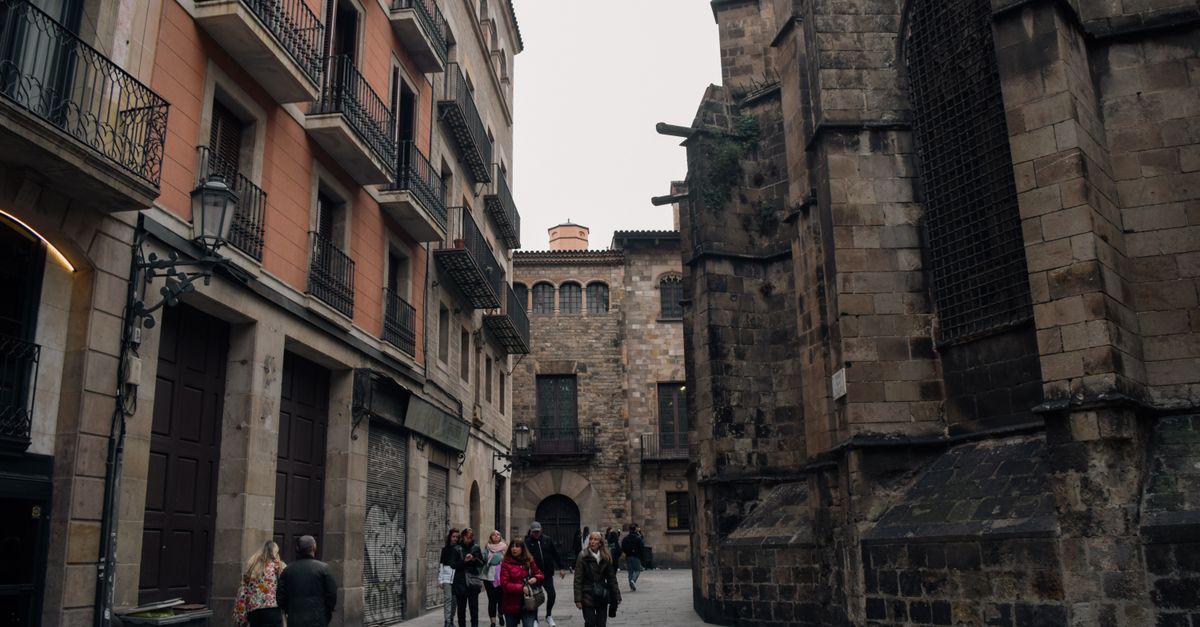
Barcelona Gothic Quarter narrow street with old buildings and balconies
The Gothic Quarter — centuries of history with no admission charge

Accommodation: €18-35 Per Night

Hostels in Barcelona are plentiful, well-run, and excellent value. Sant Jordi Hostels (with locations in Sagrada Familia, Gràcia, and Rock Palace) consistently rank among Europe's best, offering clean dorms from €20-30 with communal kitchens, social events, and rooftop terraces. Kabul Party Hostel on Plaça Reial has beds from €18-25 and puts you right in the Gothic Quarter — it's lively and social with a famous nightly atmosphere.

For quieter options, Casa Gracia near Passeig de Gràcia has boutique-style dorms from €22 with a rooftop terrace, bar, and Mediterranean design that doesn't feel like a hostel at all. Hostels in Gràcia, Poble-sec, and Sant Antoni tend to be €5-10 cheaper per night than those in Eixample or El Born, while being equally central. Book at least a week ahead in summer — Barcelona fills up fast from June through September and prices spike for last-minute bookings.

Transport: €3-5 Per Day

The T-Casual card costs €11.35 for 10 integrated metro, bus, and tram rides within Zone 1 — that works out to €1.14 per trip, compared to €2.55 for a single ticket bought at the machine. One T-Casual card typically lasts 3-4 days if you walk between close attractions and only use metro for longer distances. The card is not shareable between passengers.

Better yet: walk. Barcelona's main attractions cluster into walkable zones. The Gothic Quarter, El Born, La Rambla, and Barceloneta are all connected on foot within 20-30 minutes. Eixample (Passeig de Gràcia, Casa Batlló, Casa Milà) is a 15-minute walk from the Gothic Quarter. Only use the metro for Sagrada Familia, Park Güell, Montjuïc, and getting to/from the airport. Bikes are another excellent option — Donkey Republic and similar services rent from €8 per day, and Barcelona has an extensive network of bike lanes.

Free Things to Do

Barceloneta Beach is free, gorgeous, and easily accessible — bring a towel, buy a €1.50 beer from a nearby supermarket (Mercadona or Bon Preu), and spend the morning swimming and people-watching. The Gothic Quarter is essentially an open-air museum of medieval architecture that costs nothing to explore. Parc de la Ciutadella has a boating lake (€6 for 30 minutes), a cascading fountain, and wide lawns perfect for a supermarket-bought picnic lunch.

Free museum admission days are a genuine money-saver if you plan around them. Many Barcelona museums offer free entry on the first Sunday of each month. The Picasso Museum is free on Thursday evenings (5-8pm) and every first Sunday. MNAC (National Art Museum of Catalonia, with Romanesque murals and an incredible building) is free on Saturdays after 3pm and all day on first Sundays. Montjuïc Castle is free on Sundays after 3pm. The Bunkers del Carmel offers the best 360-degree panoramic view in Barcelona — completely free, any time, any day.

Free Views: Skip paid observation decks entirely. The Bunkers del Carmel viewpoint is better than any ticketed experience, and it's free. Other free viewpoints: the Montjuïc cable car station terrace, the rooftop café of El Corte Inglés department store on Plaça Catalunya (buy a coffee, enjoy the panorama), and the Carmel Park hillside paths.

Eating on €12-20 Per Day

Breakfast (€3-4): Skip hotel breakfast and go to a neighbourhood bakery or café. A café con leche and a croissant cost €3-4 at any local spot — less if you stand at the bar rather than sitting at a table (some traditional bars charge different prices). Supermarkets (Mercadona, Bon Preu, Lidl) sell excellent bread, cheese, and fruit for DIY breakfasts under €3.

Lunch (€10-15): The menú del día is Barcelona's single best food deal and the key to eating well on a budget. Nearly every non-tourist restaurant offers a set lunch: starter (soup, salad, or pasta), main course (meat, fish, or stew), dessert or coffee, bread, and a drink (water, beer, or wine) — all for €10-15. This is the exact same kitchen producing €25 à la carte dishes at dinner, at less than half the price. Eat your big meal at lunch and keep dinner light.

Dinner (€5-10): A caña (small draft beer) costs €1-2.50 at most neighbourhood bars. Individual tapas plates run €3-6 each — three well-chosen plates and two cañas make a satisfying dinner for €12-15 total. Can Paixano (La Xampanyeria) in Barceloneta sells glasses of cava for €1.50 and bocadillos (filled baguettes with ham, cheese, or chorizo) for €3-5 in a raucous standing-room-only atmosphere. Supermarket dinners (good bread, local cheese, Catalan sausage, olives, and wine) cost €5-8 and can be eaten in any of Barcelona's beautiful parks.

Panoramic view of Barcelona from Bunkers del Carmel viewpoint
Bunkers del Carmel — the best free viewpoint in Barcelona, especially at sunset

Cheap Nights Out

Pre-game with supermarket wine (€3-5 for a perfectly drinkable bottle of local red or rosé) at the beach or in a park before heading out — Barcelona bars charge €5-8 for cocktails and €3-5 for wine, so starting early saves significantly. Raval and El Born have the cheapest and most interesting bar scenes — small, eclectic, and full of locals.

Many clubs offer free entry before midnight or on certain nights. Razzmatazz (five rooms, five music styles) and Sala Apolo (live music and DJ sets in a beautiful old theatre) both have free or reduced-entry nights mid-week. For free entertainment: the Magic Fountain of Montjuïc runs a spectacular free music-and-light show on summer evenings (Thursday-Sunday, check seasonal schedule). Street performers on La Rambla and in Plaça Reial are consistently excellent, and summer brings free outdoor cinema and concert events in parks across the city.

Daily Budget Breakdown

Category Shoestring Comfortable Budget Budget+
Hostel / Accommodation €18-22 €22-32 €35-55
Food €10-15 €18-25 €25-40
Transport €2 (mostly walking) €3-5 €5-8
Attractions €0 (free museum days) €8-12 €12-20
Daily Total €30-39 €51-74 €77-123
The Caña Trick: The €1-2.50 caña (small draft beer, roughly 200ml) is your budget drink in Barcelona. If you simply order "una cerveza" you'll get a larger, pricier glass or bottle. Always specify "una caña, por favor" — locals drink small and order often, and you'll save €1-2 per round doing the same.
Colourful tapas dishes served at a Barcelona bar
Tapas and cañas — a full dinner for under €15 at the right neighbourhood bar

Budget Accommodation Tips

Barcelona's accommodation landscape rewards early bookers and punishes spontaneity. The city operates near full capacity from June through September, and good budget beds disappear weeks in advance during major events — Mobile World Congress (late February), Sónar music festival (June), and Primavera Sound (June) can push even hostel dorm prices above €50 per night. Outside these windows, booking 2-3 weeks ahead is usually sufficient to secure reasonable rates, but booking the day before in summer is genuinely risky and often expensive.

Neighbourhood choice significantly affects both price and experience. Eixample and El Born hostels carry a premium for their central location — expect to pay €5-10 more per dorm bed than equivalent quality in Gràcia, Poble-sec, or Sant Antoni. These latter neighbourhoods are genuinely local in character, served by excellent metro connections (L3 for Poble-sec, L4/L5 for Gràcia), and increasingly popular with travellers who prefer their Barcelona less tourist-heavy. The 15-minute metro ride to the Gothic Quarter costs €1.14 on a T-Casual card — the savings easily cover the extra transport.

Hostel kitchens are serious money-savers in Barcelona. A supermarket shop at Mercadona or Bon Preu (both widespread in residential neighbourhoods) costs €5-8 for breakfast and lunch supplies — bread, tomatoes, olive oil, jamón ibérico, local cheese, fruit — that would cost €15-25 at a café or restaurant. Most hostels provide cooking facilities and at minimum a fridge; using them for breakfast and one other meal per day cuts your food budget by 30-40% without sacrificing quality, since Spanish supermarket produce is excellent.

💡 Airbnb and apartment rentals become competitive for groups of 3-4 people, particularly for stays of 4+ nights in Gràcia or Poble-sec. A private apartment sleeping four costs €80-120 per night — that's €20-30 per person, cheaper than many hostel dorm beds and with a full kitchen that cuts catering costs dramatically. Split the cost, cook one dinner at the apartment, and you're spending less than a hostel while having significantly more comfort and space.

One overlooked option: the city's albergues juveniles (official youth hostels run by the Xarxa de Cases de Joventut network) include Alberg Mare de Déu de Montserrat in the hills above the city. It's a 30-minute bus ride from the centre but operates at subsidised rates (€18-22 with breakfast included), has a swimming pool open in summer, and offers stunning views over the city. For budget travellers willing to trade location for facilities, this is unbeatable value in one of Europe's most expensive tourist cities.

Start Planning

Find budget hotels in Barcelona | Search cheap flights to Barcelona

JC
JustCheckin Editorial Team
Researched, written, and verified by travel experts. Last updated May 30, 2026.
COMPLETE BARCELONA TRAVEL GUIDE

Everything you need for Barcelona

🗺️
3-Day Itinerary
🍜
Food Guide
💎
Hidden Gems
💰
Budget Guide
You are here
✈️
First Timer's Guide
🏨
Hotels

Daily Budget — Barcelona

Typical traveller costs · All figures in USD

🎒
$80
Budget/day
🏨
$180
Mid-range/day
$450
Luxury/day

💱 Euro (EUR) - 1 EUR is approximately 1.08 USD

Culture & Etiquette

👗
Dress Code
Barcelona is generally casual, but for churches like the Sagrada Familia or Barcelona Cathedral, shoulders and knees should be covered. Avoid overly revealing clothing in these places. For evenings, smart casual is common for restaurants and bars.
🤝
Local Customs
Greetings involve a handshake or two kisses on the cheek (starting with the right cheek) between friends and acquaintances. Punctuality is appreciated but not as rigid as in some Northern European countries. 'Siesta' is less common in the city center, but some smaller shops might close mid-afternoon. Tipping is not obligatory but appreciated for good service (rounding up the bill or leaving a few euros).
⚠️
Watch Out For
Be wary of pickpockets, especially in crowded tourist areas like Las Ramblas, the Gothic Quarter, and on public transport (metro, buses). Keep valuables secure and out of sight. Watch out for 'distraction' scams where someone might spill something on you or ask for directions while an accomplice attempts to steal your belongings. Be cautious of overly friendly strangers offering unsolicited help or tours.
Dos & Don'ts
Do: Learn a few basic Catalan or Spanish phrases ('Hola', 'Gràcies'/'Gracias', 'Si us plau'/'Por favor'). Be patient and polite. Enjoy the local pace of life. Don't: Be loud or disruptive in public spaces. Assume everyone speaks English. Litter or disrespect historical sites.
👩
Solo Female Safety
Barcelona is generally safe for solo female travelers. However, exercise the same precautions as in any major city. Be aware of your surroundings, especially at night. Avoid walking alone in poorly lit or deserted areas. Keep your phone charged and share your itinerary with someone. Trust your instincts; if a situation feels uncomfortable, remove yourself from it.
🏳️‍🌈
LGBTQ+ Notes
Barcelona is very LGBTQ+ friendly and considered one of Europe's most welcoming cities. The city has a vibrant LGBTQ+ scene, particularly in the Eixample district, with numerous bars, clubs, and events. Same-sex marriage is legal, and discrimination based on sexual orientation or gender identity is prohibited.
📷
Photography
Generally, you can photograph most public spaces and landmarks. However, avoid photographing people without their explicit consent, especially children. Inside churches, photography may be restricted or prohibited, particularly during services. Be mindful of private property and security cameras.

Getting Around Barcelona

✈️
Airport Transfer
The Aerobus is the fastest and most convenient way from Barcelona El Prat Airport (BCN) to the city center, costing around €5.90 for a single ticket and taking about 35 minutes.
🚇
Public Transport
Barcelona boasts an excellent public transport system, including the metro, buses, and trams, all integrated under the T-casual card for cost-effective travel.
📱
Taxi & Ride Apps
Cabify and Free Now are the most popular ride-hailing apps in Barcelona; they offer competitive pricing and reliable service compared to hailing taxis on the street.
🛵
Rental Tips
Renting a scooter can be convenient for short distances, but be aware of traffic and parking regulations; car rental is generally not recommended for navigating the city center due to congestion and limited parking.
🗺️
Getting Around
Purchase a T-casual travel card for easy access to metro and bus lines; download an offline map of Barcelona for efficient navigation.

Frequently Asked Questions

While tap water in Barcelona is technically safe to drink according to EU standards, many residents and tourists prefer bottled water due to its taste, which can be quite chlorinated. You can buy bottled water cheaply at supermarkets. If you're concerned about taste, consider using a water filter or asking for filtered water at restaurants.
Barcelona uses Type F electrical outlets, also known as Schuko. These have two round pins. The standard voltage in Spain is 230V with a frequency of 50Hz. Most modern electronics (laptops, phone chargers) are dual-voltage, but always check the label on your devices. You'll likely need an adapter for your plugs.
For affordable data and calls, consider purchasing a local SIM card from providers like Orange, Vodafone, or Movistar. You can buy them at their stores or sometimes at convenience stores and airports. Many tourists also opt for eSIMs if their phone supports it, which can be activated online before or upon arrival. Check coverage and data plans that suit your needs.
Catalans, and Barcelonians in particular, value politeness. A 'bon dia' (good morning) or 'hola' when entering a shop or restaurant is appreciated. Punctuality is generally expected for appointments. When dining, it's common to eat later than in many other countries; lunch is typically between 2-4 PM and dinner from 9 PM onwards. Avoid loud conversations in public transport and be mindful of personal space.
The most common issue for tourists is pickpocketing, especially in crowded areas like Las Ramblas, the Gothic Quarter, and on public transport. Keep your belongings secure, wear bags across your body, and be aware of your surroundings. Avoid displaying expensive jewelry or electronics openly. Be cautious of common scams, such as distraction techniques used by thieves.
Bargaining is generally not expected in most shops, restaurants, or cafes in Barcelona. Prices are usually fixed. However, in some smaller, independent souvenir shops or at flea markets (like Els Encants Vells), you might find a little room for negotiation, but don't expect significant discounts. It's best to assume prices are firm unless the seller indicates otherwise.
Tipping is not obligatory in Spain, but it is appreciated for good service. For meals in restaurants, leaving a few extra euros or rounding up the bill is common if you're satisfied. For taxis, rounding up the fare is typical. In bars, you might leave small change. Service charges are often included in the bill, so there's no expectation of a large tip.
Meal times in Barcelona are later than in many other countries. Lunch is typically served between 2:00 PM and 4:00 PM, and dinner is usually from 9:00 PM onwards. Many restaurants close between lunch and dinner service. If you arrive for dinner before 8:00 PM, you might find the kitchen not yet open or the restaurant quite empty. It's advisable to plan your meals accordingly, especially if you prefer a quieter dining experience.
On public transport (metro, buses), it's polite to offer your seat to the elderly, pregnant women, or people with disabilities. Avoid blocking the doors and keep your voice down. When boarding, let passengers disembark first. Keep your bags off the seats if the vehicle is crowded. Using headphones for music or calls is also recommended.
If your passport is lost or stolen, immediately report it to the local police (Mossos d'Esquadra) to get a report, which you'll need for your embassy. Contact your country's embassy or consulate in Spain as soon as possible to arrange for emergency travel documents. If your wallet is stolen, also report it to the police and contact your bank to cancel all credit and debit cards.
✨ Jiai — Travel AI Open Full →
Hi! I'm **Jiai**. Ask me about hotels, flights, activities or budgets for any destination.
✈️

You're on a roll!

Enter your email for unlimited Jiai access + personalised travel deals.

No spam. Unsubscribe anytime.