Barcelona — 3-Day Itinerary
3-Day Itinerary

Barcelona in 3 Days — The Perfect Itinerary

Barcelona delivers world-class architecture, Mediterranean beaches, and tapas culture in a compact, walkable pa...

🌎 Barcelona, ES 📖 6 min read 📅 3-day trip 💰 Mid-range budget Updated Jun 2026

3 Days in Barcelona: The Perfect Itinerary

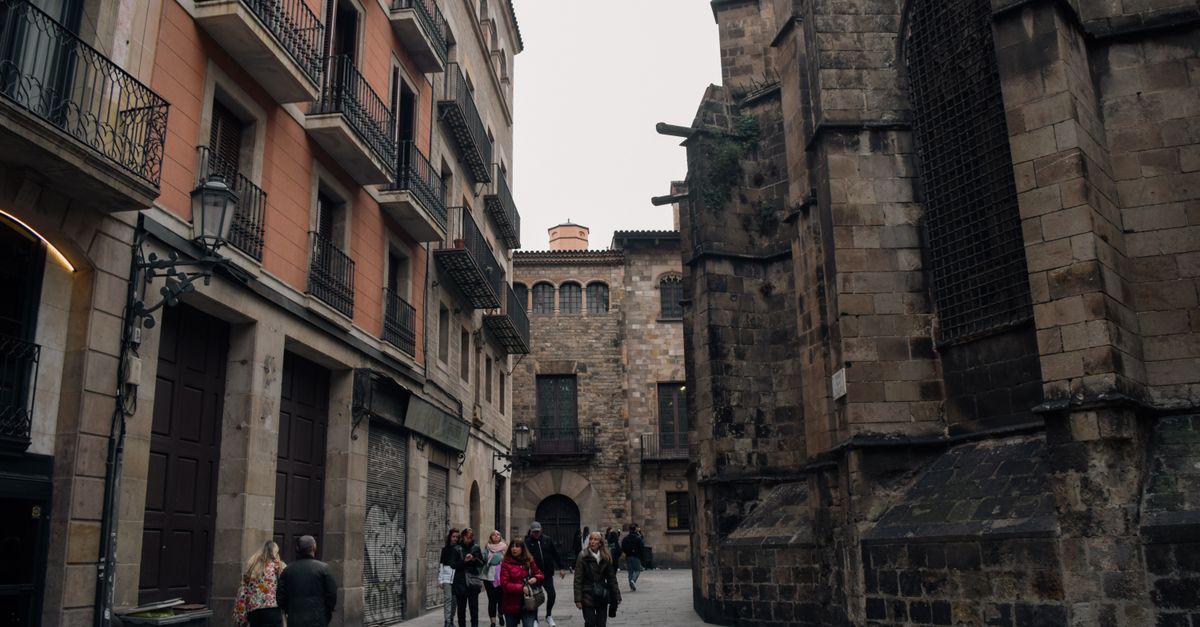
Barcelona delivers world-class architecture, Mediterranean beaches, and tapas culture in a compact, walkable package. This three-day itinerary covers Gaudí's masterpieces, the Gothic Quarter's medieval lanes, and Barceloneta's beachfront — with enough downtime built in for vermouth breaks and people-watching at outdoor terraces. The city rewards slow wandering, so resist the urge to rush between landmarks.

Sagrada Familia basilica exterior with cranes and blue sky in Barcelona
La Sagrada Familia — Gaudí's unfinished masterpiece, under construction since 1882
Day 1

Sagrada Familia & the Gothic Quarter

Book Sagrada Familia tickets online well in advance (€26 basic, €36 with tower access). This is non-negotiable — walk-up tickets are rarely available and the queue for cancellations can waste half your morning. Book the earliest slot (9am) for the best light through the stained glass. The morning sun pours through the warm-toned east windows, filling the forest-like interior columns with amber and gold. Spend 90 minutes inside minimum; the detail is overwhelming and rewards patience.

Take the metro (L2 or L5) to Jaume I station and plunge into the Barri Gòtic (Gothic Quarter). Get deliberately lost in the medieval streets — every corner reveals something. Find the Barcelona Cathedral (free entry before 12:30pm, €9 donation after), the hidden Roman temple columns tucked inside a courtyard on Carrer del Paradís (free, easy to miss behind an unmarked door), and the elegant Plaça Reial with its palm trees and Gaudí-designed lampposts — his first public commission.

Lunch: Bar Cañete on Carrer de la Unió serves some of Barcelona's best tapas at the bar counter — grilled prawns, razor clams, and jamón ibérico. Budget €30-40 per person with wine. For something cheaper, any Gothic Quarter bar offers a menú del día (set lunch) for €12-15 with three courses and a drink.

Evening: stroll La Rambla (keep your wallet secure — pickpockets are aggressive here), then cross into El Born for drinks. Paradiso is a hidden cocktail bar entered through a pastrami shop front on Carrer de Rera Palau — the door of the fridge swings open to reveal a lavish Art Deco bar. Cocktails run €13-15 and the experience is unforgettable.

Day 2

Park Güell, Gràcia & Modernista Architecture

Book Park Güell timed entry online (€10) for the first morning slot. The monumental zone — with the mosaic dragon fountain, the hypostyle hall of tilting columns, and the serpentine bench terrace overlooking the city and sea — requires tickets. The rest of the park's wooded hillsides and walking paths are free and beautifully wild. Arrive right at opening to photograph the iconic mosaic salamander without crowds.

Walk downhill (20 minutes) into the Gràcia neighbourhood — a former independent village with its own distinct personality, still visible in its village-square layout and fiercely local character. Browse independent boutiques, vintage shops, and neighbourhood cafés around Plaça del Sol and Plaça de la Vila de Gràcia. Lunch: grab a menú del día at any local restaurant for €12-15 — three courses with bread, water, and a glass of wine. This is how Catalans eat at midday.

Afternoon: walk south along Passeig de Gràcia to see Gaudí's residential masterpieces. Casa Batlló (€35, with augmented reality guide) is the more theatrical experience with its dragon-spine rooftop and skull-like balconies. Casa Milà / La Pedrera (€25) has the famous undulating stone facade and a rooftop of surreal chimney sculptures.

Evening: kick off vermouth hour at Bar Calders in Sant Antoni (vermut on tap for €3 a glass, served with olives and a siphon of soda). Dinner in Gràcia's restaurant-lined streets — try La Pepita for creative Catalan tapas (€20-25 per person) or La Bodegueta for traditional wine and cheese. Gràcia is lively until late and full of locals rather than tourists.

Colourful mosaic bench at Park Güell overlooking Barcelona
Park Güell's mosaic terrace — book the first morning slot for crowd-free photos
Day 3

Barceloneta Beach & Montjuïc

Start the morning at Barceloneta Beach — the city's most accessible stretch of Mediterranean sand, lined with xiringuitos (beach bars) and backed by the old fishermen's quarter with its narrow streets and laundry-draped balconies. Swim if the weather allows (water is warm enough May through October), walk the boardwalk, and grab a café con leche (€2-2.50) at a beachfront terrace. For a proper breakfast, La Mar Salada near the marina does excellent grilled sardines (€8) and seafood rice dishes.

Afternoon: take the funicular from Paral·lel metro station or the Telefèric cable car (€13 return, with spectacular aerial views) up to Montjuïc. Visit the Fundació Joan Miró (€15), one of the world's great modern art museums, housed in a beautiful white building designed by Josep Lluís Sert. Walk through the Jardins de Mossèn Costa i Llobera — a free hillside cactus garden with 800 species from five continents. Explore Montjuïc Castle (€5, free on Sundays after 3pm) for 360-degree views of the city, port, and sea.

Sunset: the viewpoints near the cable car station and along the Montjuïc walking paths offer panoramic views as the city lights up below. Head back down for a final dinner at Can Paixano (La Xampanyeria) in Barceloneta — a chaotic, standing-room-only bar pouring cava and serving cured meats and bocadillos for €3-5 each. On summer evenings (Thursday through Sunday), the Magic Fountain of Montjuïc puts on a free music-and-light show at the base of the hill — arrive 15 minutes early for a good spot.

Where to Base Yourself

For this itinerary, the best areas to stay are El Born (central, atmospheric, walkable to the Gothic Quarter, Barceloneta, and restaurants), Eixample (grid-layout streets near Passeig de Gràcia, Sagrada Familia, and excellent local dining), or Gràcia (neighbourhood feel, cheaper than the centre, walkable to Park Güell, great tapas scene). Avoid staying near Sants station or the airport — you'll spend too much time on metro commutes. The Gothic Quarter itself has limited accommodation and can be noisy at night due to bar crowds.

Barcelona 3-Day Budget Breakdown

Category Budget Mid-Range Comfort
Accommodation (per night) €20-35 hostel €80-130 hotel €180-300 boutique
Food (per day) €15-25 €35-55 €70-120
Transport (per day) €5 (walk + metro) €5-8 €15-25 taxi
Attractions (3 days) €36 (Sagrada + Güell) €80-120 €120-180
3-Day Total €150-250 €380-560 €700-1,200
Quick Tips
  • Buy a T-Casual card (€11.35) for 10 metro and bus rides — far cheaper than single tickets at €2.55 each.
  • Book Sagrada Familia and Park Güell at least 2 weeks ahead — morning slots sell out, especially in summer and on weekends.
  • Locals eat lunch at 2pm and dinner at 9-10pm. Restaurants open early for tourists but the food, atmosphere, and service are better at local hours.
  • Pickpockets are aggressive on La Rambla, the metro, and at any crowded tourist site. Use a crossbody bag worn in front and keep your phone in a zipped pocket.
  • Free walking tours depart daily from Plaça de l'Àngel — tip-based and excellent for Gothic Quarter history and context.
Barcelona beachfront with W Hotel and Barceloneta beach
Barceloneta Beach — Mediterranean swimming in the middle of the city

Plan Your Barcelona Trip

Find hotels in Barcelona | Search flights to Barcelona

JC
JustCheckin Editorial Team
Researched, written, and verified by travel experts. Last updated Jun 01, 2026.
COMPLETE BARCELONA TRAVEL GUIDE

Everything you need for Barcelona

🗺️
3-Day Itinerary
You are here
🍜
Food Guide
💎
Hidden Gems
💰
Budget Guide
✈️
First Timer's Guide
🏨
Hotels

Daily Budget — Barcelona

Typical traveller costs · All figures in USD

🎒
$80
Budget/day
🏨
$180
Mid-range/day
$450
Luxury/day

💱 Euro (EUR) - 1 EUR is approximately 1.08 USD

Culture & Etiquette

👗
Dress Code
Barcelona is generally casual, but for churches like the Sagrada Familia or Barcelona Cathedral, shoulders and knees should be covered. Avoid overly revealing clothing in these places. For evenings, smart casual is common for restaurants and bars.
🤝
Local Customs
Greetings involve a handshake or two kisses on the cheek (starting with the right cheek) between friends and acquaintances. Punctuality is appreciated but not as rigid as in some Northern European countries. 'Siesta' is less common in the city center, but some smaller shops might close mid-afternoon. Tipping is not obligatory but appreciated for good service (rounding up the bill or leaving a few euros).
⚠️
Watch Out For
Be wary of pickpockets, especially in crowded tourist areas like Las Ramblas, the Gothic Quarter, and on public transport (metro, buses). Keep valuables secure and out of sight. Watch out for 'distraction' scams where someone might spill something on you or ask for directions while an accomplice attempts to steal your belongings. Be cautious of overly friendly strangers offering unsolicited help or tours.
Dos & Don'ts
Do: Learn a few basic Catalan or Spanish phrases ('Hola', 'Gràcies'/'Gracias', 'Si us plau'/'Por favor'). Be patient and polite. Enjoy the local pace of life. Don't: Be loud or disruptive in public spaces. Assume everyone speaks English. Litter or disrespect historical sites.
👩
Solo Female Safety
Barcelona is generally safe for solo female travelers. However, exercise the same precautions as in any major city. Be aware of your surroundings, especially at night. Avoid walking alone in poorly lit or deserted areas. Keep your phone charged and share your itinerary with someone. Trust your instincts; if a situation feels uncomfortable, remove yourself from it.
🏳️‍🌈
LGBTQ+ Notes
Barcelona is very LGBTQ+ friendly and considered one of Europe's most welcoming cities. The city has a vibrant LGBTQ+ scene, particularly in the Eixample district, with numerous bars, clubs, and events. Same-sex marriage is legal, and discrimination based on sexual orientation or gender identity is prohibited.
📷
Photography
Generally, you can photograph most public spaces and landmarks. However, avoid photographing people without their explicit consent, especially children. Inside churches, photography may be restricted or prohibited, particularly during services. Be mindful of private property and security cameras.

Getting Around Barcelona

✈️
Airport Transfer
The Aerobus is the fastest and most convenient way from Barcelona El Prat Airport (BCN) to the city center, costing around €5.90 for a single ticket and taking about 35 minutes.
🚇
Public Transport
Barcelona boasts an excellent public transport system, including the metro, buses, and trams, all integrated under the T-casual card for cost-effective travel.
📱
Taxi & Ride Apps
Cabify and Free Now are the most popular ride-hailing apps in Barcelona; they offer competitive pricing and reliable service compared to hailing taxis on the street.
🛵
Rental Tips
Renting a scooter can be convenient for short distances, but be aware of traffic and parking regulations; car rental is generally not recommended for navigating the city center due to congestion and limited parking.
🗺️
Getting Around
Purchase a T-casual travel card for easy access to metro and bus lines; download an offline map of Barcelona for efficient navigation.

Frequently Asked Questions

While tap water in Barcelona is technically safe to drink according to EU standards, many residents and tourists prefer bottled water due to its taste, which can be quite chlorinated. You can buy bottled water cheaply at supermarkets. If you're concerned about taste, consider using a water filter or asking for filtered water at restaurants.
Barcelona uses Type F electrical outlets, also known as Schuko. These have two round pins. The standard voltage in Spain is 230V with a frequency of 50Hz. Most modern electronics (laptops, phone chargers) are dual-voltage, but always check the label on your devices. You'll likely need an adapter for your plugs.
For affordable data and calls, consider purchasing a local SIM card from providers like Orange, Vodafone, or Movistar. You can buy them at their stores or sometimes at convenience stores and airports. Many tourists also opt for eSIMs if their phone supports it, which can be activated online before or upon arrival. Check coverage and data plans that suit your needs.
Catalans, and Barcelonians in particular, value politeness. A 'bon dia' (good morning) or 'hola' when entering a shop or restaurant is appreciated. Punctuality is generally expected for appointments. When dining, it's common to eat later than in many other countries; lunch is typically between 2-4 PM and dinner from 9 PM onwards. Avoid loud conversations in public transport and be mindful of personal space.
The most common issue for tourists is pickpocketing, especially in crowded areas like Las Ramblas, the Gothic Quarter, and on public transport. Keep your belongings secure, wear bags across your body, and be aware of your surroundings. Avoid displaying expensive jewelry or electronics openly. Be cautious of common scams, such as distraction techniques used by thieves.
Bargaining is generally not expected in most shops, restaurants, or cafes in Barcelona. Prices are usually fixed. However, in some smaller, independent souvenir shops or at flea markets (like Els Encants Vells), you might find a little room for negotiation, but don't expect significant discounts. It's best to assume prices are firm unless the seller indicates otherwise.
Tipping is not obligatory in Spain, but it is appreciated for good service. For meals in restaurants, leaving a few extra euros or rounding up the bill is common if you're satisfied. For taxis, rounding up the fare is typical. In bars, you might leave small change. Service charges are often included in the bill, so there's no expectation of a large tip.
Meal times in Barcelona are later than in many other countries. Lunch is typically served between 2:00 PM and 4:00 PM, and dinner is usually from 9:00 PM onwards. Many restaurants close between lunch and dinner service. If you arrive for dinner before 8:00 PM, you might find the kitchen not yet open or the restaurant quite empty. It's advisable to plan your meals accordingly, especially if you prefer a quieter dining experience.
On public transport (metro, buses), it's polite to offer your seat to the elderly, pregnant women, or people with disabilities. Avoid blocking the doors and keep your voice down. When boarding, let passengers disembark first. Keep your bags off the seats if the vehicle is crowded. Using headphones for music or calls is also recommended.
If your passport is lost or stolen, immediately report it to the local police (Mossos d'Esquadra) to get a report, which you'll need for your embassy. Contact your country's embassy or consulate in Spain as soon as possible to arrange for emergency travel documents. If your wallet is stolen, also report it to the police and contact your bank to cancel all credit and debit cards.
✨ Jiai — Travel AI Open Full →
Hi! I'm **Jiai**. Ask me about hotels, flights, activities or budgets for any destination.
✈️

You're on a roll!

Enter your email for unlimited Jiai access + personalised travel deals.

No spam. Unsubscribe anytime.