
The food culture in Xian reflects centuries of regional tradition refined by generations of cooks who specialize in single dishes. The street food scene offers the most authentic and affordable eating, while restaurants provide comfort and variety. Eating here is a cultural experience as much as a culinary one — the rituals of ordering, seasoning, and sharing reveal local values.
Must-Try Dishes
1. Roujiamo (Chinese Hamburger) — CNY 8-15
Xi'an's most famous street food — slow-braised pork or beef chopped and stuffed into a crispy, flaky flatbread (mo). The bread is baked in a clay oven and the meat is simmered for hours in a 20+ spice broth. CNY 8-15 at Muslim Quarter stalls. Fan Ji La Zhi Roujiamo is the legendary spot.
2. Biang Biang Noodles — CNY 15-25
Hand-pulled belt-wide noodles (the widest in Chinese cuisine) served with chili oil, garlic, and vinegar. The character 'biang' has 58 strokes — the most complex in Chinese. Slapped against the counter to stretch. CNY 15-25 at any noodle shop.
3. Yang Rou Paomo (Lamb Soup with Bread) — CNY 30-50
Lamb broth poured over hand-torn flatbread pieces — the diner tears the bread into tiny pieces (a meditative 20-minute process) before the kitchen adds broth and lamb. Lao Sun Jia near the Drum Tower has served this since 1898 (CNY 30-50).
4. Lamb Skewers (Yang Rou Chuan) — CNY 3-5/skewer
Cumin-and-chili-dusted lamb skewers grilled over charcoal — the Silk Road snack that's now ubiquitous across China. The Muslim Quarter stalls grill them fresh for CNY 3-5 each. The smoke, the sizzle, and the cumin aroma are intoxicating.
5. Liangpi (Cold Skin Noodles) — CNY 8-12
Slippery, chewy cold noodles (made from wheat starch) served with bean sprouts, cucumber, chili oil, and garlic vinegar sauce. Xi'an's essential summer dish. CNY 8-12 from any street vendor or restaurant.
6. Persimmon Cake (Shi Zi Bing) — CNY 5-10
Flattened persimmon cakes with walnut and rose filling, pan-fried until crispy. A Xi'an specialty available in the Muslim Quarter for CNY 5-10 each. The sweet persimmon and crunchy exterior are addictive.
Where to Eat
City Center — Convenient & Diverse
The tourist center has English menus, air conditioning, and familiar service. Useful for your first meal and when you need comfort, but not where the best food lives. Budget CNY30-80 per person.
Local Neighborhoods — Authentic Flavors
Ten minutes from tourist zones, restaurants serve local families. Prices drop, authenticity rises, and the food improves. Language barriers exist but enthusiasm for sharing food transcends words. Budget CNY15-40 per person.
Markets & Street Food — Best Value
Morning and evening markets offer the cheapest, freshest food. Point at what looks good, watch what locals order, and eat standing or at communal tables. Budget CNY8-25 per person for a full meal.
Eating Culture in Xian
Chinese dining is communal — dishes are ordered for the table, not for individuals, and placed on a lazy Susan or in the center for sharing. The host (or the person who invited) typically orders and pays. When dining with Chinese friends, expect a tug-of-war over the bill — offering to pay is polite, insisting three times is expected, and ultimately the inviter pays.
Chopstick etiquette matters: don't point with them, don't tap your bowl (it's associated with begging), and don't stand them vertically in rice. It's acceptable to hold your rice bowl close to your mouth and push rice in with chopsticks. Tea is refilled constantly — leaving the lid off your teapot signals the waiter for more water.
Chinese menus can be overwhelming — dozens to hundreds of dishes. Use Dianping (China's Yelp) to see what's popular at each restaurant. Photo menus are increasingly common. At hotpot restaurants, the waiter will help with ordering quantities. At dim sum restaurants, tick your selections on a paper order form — the carts of food are becoming less common as digital ordering replaces them.
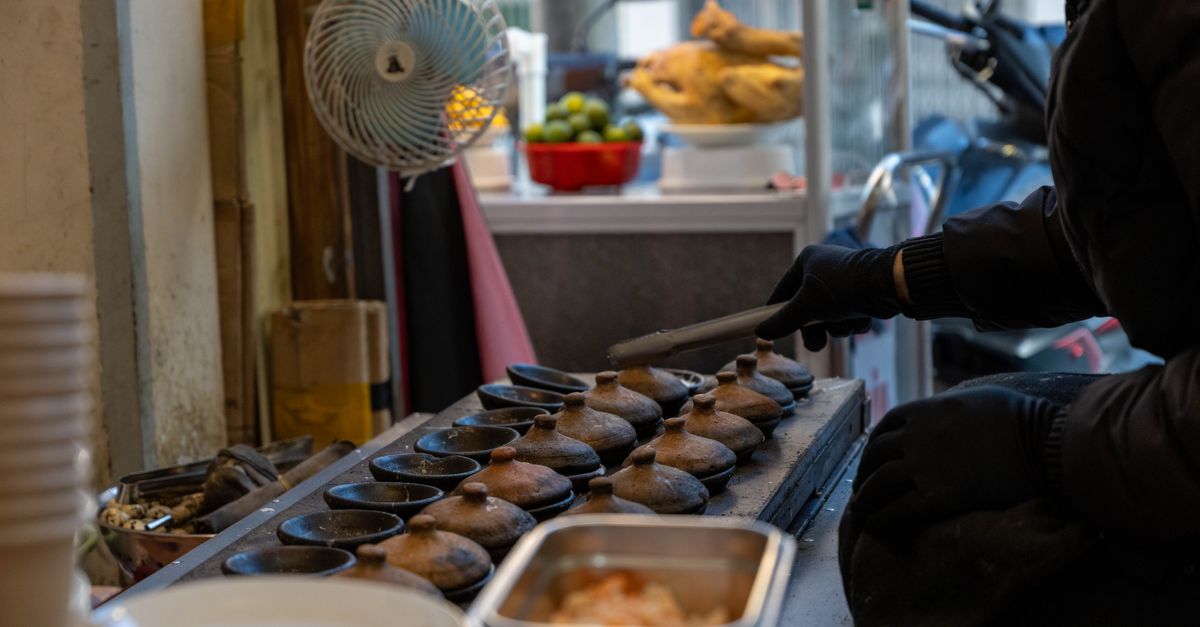
Street food and market food in China is safe and excellent. The stalls with the longest lines have the best food and the highest turnover (freshest cooking). Avoid pre-cooked food sitting at room temperature for extended periods. Morning markets (6-9 AM) and night markets (6-10 PM) are the peak street food times.
Street Food & Markets
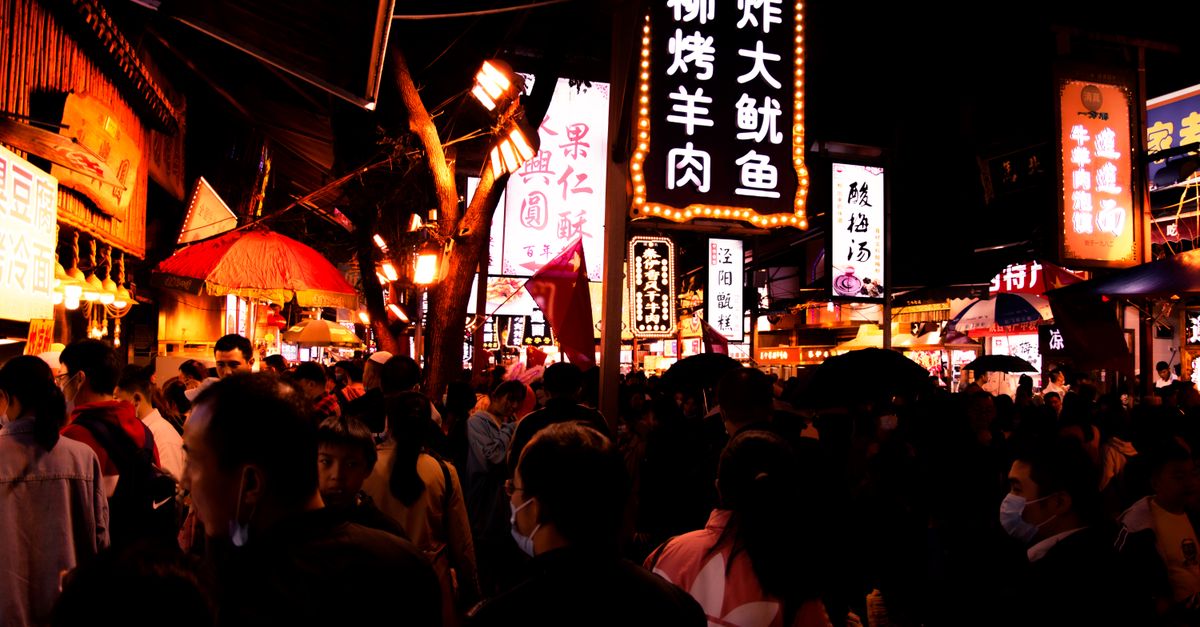
Xi'an's street food scene is anchored by the Muslim Quarter (Huimin Jie), a dense warren of alleyways stretching north from the Drum Tower. This half-kilometre strip of stalls and family restaurants traces the city's 1,300-year-old Silk Road heritage — the vendors here are largely Hui Muslim descendants of Central Asian traders who settled when Xi'an was the world's greatest city. Arrive between 10 AM and 1 PM or from 5 PM onwards when the stalls are at full roar and the smell of cumin-charred skewers fills the air.
The Dong Guan Zheng Jie food street, south of the city wall near the South Gate, is where locals without tourist dollars eat. It is noisier, messier, and arguably more authentic than the Muslim Quarter, with handmade liangpi stalls charging CNY 8-10 and mom-and-pop shops selling Yang Rou Paomo to workers and students. No English menus, but pointing and showing fingers for quantity works perfectly well.
For a proper market experience, head to Xingqing Market on the east side of the city, open from 6 AM. The wet market section sells dried chilies by the kilo, Shaanxi vinegars in every variety, and fresh herbs that appear in Xi'an cooking. The prepared food section serves breakfast — steamed bao from CNY 1.50 each, thick congee (CNY 6), and fresh-fried youtiao (dough sticks, CNY 2-3) — to vendors who will be at their own stalls by 9 AM.
The Yongxingfang cultural food market near the city wall's west gate bridges heritage and accessibility. Housed in a reimagined traditional compound, it brings together specialty vendors for Guokui flatbreads (CNY 6-10), persimmon cakes, and local cold-pressed sesame oil. It is cleaner and more touristy than Dong Guan but serves genuinely good food and is less overwhelming for first-time visitors navigating Xi'an's food culture alone.
Night markets in Xi'an run until 10:30 PM in summer. The Daming Palace area north of the old city has a cluster of outdoor evening food courts popular with university students, where a full meal — noodles, skewers, a cold beer — costs CNY 25-40.
Planning Your Food Exploration
The most rewarding food experiences come from planning meals around the local eating schedule rather than forcing your own rhythm onto a foreign city. Most Asian cities eat early — breakfast stalls open at dawn and close by 9 AM, lunch service peaks at noon and ends by 2 PM, and dinner starts at 5-6 PM. Night markets and street food stalls offer the best evening options, typically running from 6 PM until 10 PM or later.
Budget allocation matters. Spend 30-40% of your food budget on one memorable meal — a signature local restaurant, a cooking class, or a fresh seafood dinner. Allocate the rest to street food, markets, and casual local restaurants where the authentic flavors live. This strategy ensures you taste both the refined and the everyday versions of the local cuisine without breaking the bank.
Photography etiquette at food stalls and small restaurants varies by culture. In most of Asia, photographing your food is completely normal and even expected. Photographing the cook or the stall itself — ask first with a smile and gesture. Most vendors are flattered; a few prefer not to be photographed. In sit-down restaurants, photograph freely but be discreet about photographing other diners.
Food allergies and dietary restrictions require preparation. Write your restrictions in the local language (Google Translate helps) and show the note at each restaurant. Common allergens like peanuts, shellfish, and gluten appear in unexpected places — soy sauce contains wheat, fish sauce is in many Thai and Vietnamese dishes, and peanuts appear in Indonesian, Malaysian, and Chinese cooking. Communicate clearly and ask about ingredients rather than assuming from the menu description.
The single best food investment in any Asian city is a cooking class. For 5-50, you'll visit a local market, learn 4-6 dishes hands-on, and gain techniques that let you recreate the flavors at home. The market tour alone — learning to identify local herbs, spices, and produce — transforms your understanding of the cuisine for every subsequent meal during your trip.


