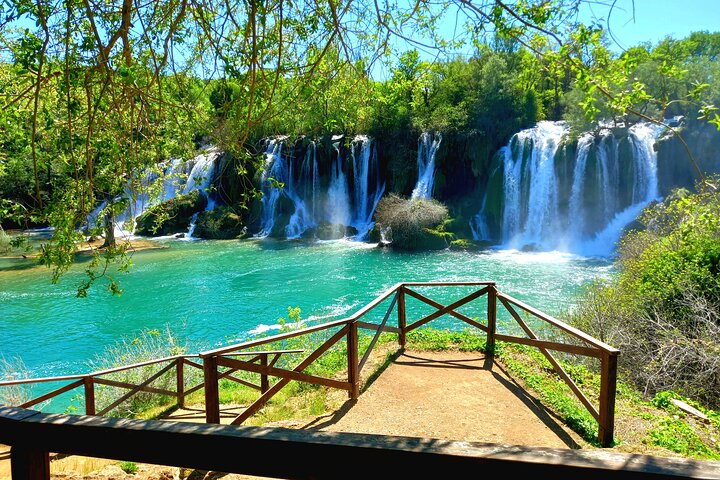
Mostar's food culture is one of the Balkans' most layered and least understood culinary traditions — a city where Ottoman, Mediterranean, and Central European food influences have coexisted for five centuries to produce a cuisine that is neither generically Balkan nor easily categorised. The famous stone bridge (Stari Most) that has given the city its name, its symbol, and its tourist identity was built in 1566 by the same Ottoman administration that brought coffee houses, grilled meat culture, and the baklava-and-Turkish-delight pastry tradition that still thrives in the Old Bazaar's copper-roofed hans.
The food culture here is shaped by the remarkable geography of the Neretva River valley — a semi-Mediterranean microclimate in the heart of the Balkans where pomegranates, figs, and grapes grow alongside the stone walls of Ottoman houses. The valley's warmth means Herzegovinian wines from the Blatina and Žilavka grape varieties grown on these limestone terraces are among the most distinctive wines in the South Slav world. And the Ottoman-era food culture — ćevapi, burek, pita breads, dolma — has been here long enough to feel not merely adopted but genuinely inherited.
Start at a ćevapčinica with a portion of ćevapi and fresh somun bread, drink a coffee from a džezva (long-handled copper pot) at a café on the Stari Most square, then spend the afternoon working through Herzegovinian wine at the wine shops near the Old Bazaar. This sequence establishes Mostar's food coordinates: Ottoman grilled meat heritage, Bosnian coffee culture, and Herzegovinian wine tradition all within 200 metres of each other on the banks of the Neretva.
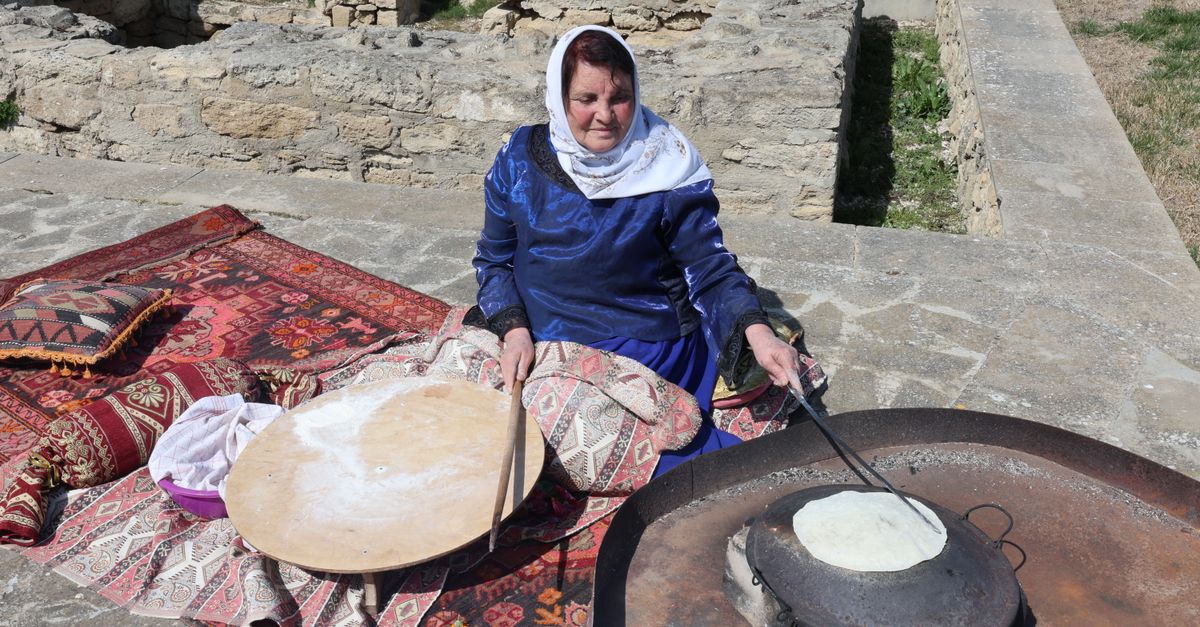
10 Must-Try Dishes in Mostar
1. Ćevapi (Bosnian Grilled Minced Meat)
Ćevapi (singular: ćevap) are the defining street food of Bosnia and Herzegovina and the dish most immediately associated with Mostar's food culture — small, hand-shaped cylinders of minced beef and lamb mixed with garlic, onion, and seasoned with salt, grilled over beechwood charcoal until charred on the exterior with a moist, loosely textured interior. They are served in fresh-baked somun (a flatbread specific to Bosnia, similar in concept to pita but softer and more elastic), with diced raw onion, kajmak (fresh clotted cream cheese), and ajvar (roasted red pepper relish).
The flavour of a properly made Mostar ćevap is concentrated and savoury — the high heat of the charcoal grill develops a Maillard crust on the outside while the loosely packed meat interior stays slightly juicy. The garlic and onion in the mixture perfume the meat without dominating. The kajmak provides rich, slightly tangy creaminess that cuts the meat's intensity. The somun should be warm and just barely charred on the outside — it functions as both utensil and accompaniment, wrapping around the ćevapi in the hand for the fullest flavour combination.
Ćevapčinica Tima-Irma on Onešćukova Street near the Old Bridge is consistently cited as Mostar's best ćevapi restaurant — a compact, traditional establishment that has been grilling meat in the same manner for decades. The queue forms early for lunch service and again for dinner. Ćevapčinica Kodro on the east bank near the old bazaar is the main competitor — both are excellent and the comparison is worth making for the serious food visitor. Onešćukova Street is a 5-minute walk from the Old Bridge on the east Bosniak bank.
A serving of 5 ćevapi in somun with kajmak and onion costs 6–9 BAM (€3–€4.50). A full portion of 10 ćevapi runs 10–15 BAM (€5–€7.50). This is one of the best values in Balkan street food — a genuinely excellent, culturally specific meal at a price that makes it the obvious choice for every lunch in Mostar. Order the large portion; share the experience with whoever is with you; argue about whether Mostar's or Sarajevo's ćevapi are better (the correct answer is Mostar's).
2. Burek (Bosnian Flaky Pastry with Meat or Cheese)
Burek in Bosnia is a ferociously contested term — technically, "burek" in the Bosnian tradition refers specifically to the spiral or coiled phyllo pastry (yufka) pastry filled with seasoned minced beef. Other filled pastries use different names: sirnica (cheese), zeljanica (spinach and cheese), and krompiruša (potato) are all "pita" (not burek). This distinction is taken seriously; ordering "burek" at a Mostar pekara (bakery) and receiving a sirnica would cause genuine offence to a traditional Bosnian customer.
The meat burek filling is seasoned minced beef (sometimes with a small amount of lamb) mixed with onion, salt, and black pepper — simple seasoning that relies on the quality of the meat and the richness of the fat rendered during baking to provide flavour depth. The phyllo layers are extremely thin, brushed with oil or butter between layers, and spiral-wrapped into a coiled circular form or rolled into a cylinder. When baked correctly, the exterior layers shatter and the interior layers stay slightly moist from the meat's fat. The combination of crispy pastry, fatty filling, and the smell of baked yufka is one of the Balkans' great morning food experiences.
Pekara (bakery) culture in Mostar means fresh burek is available from early morning — typically from 6am — at traditional bakeries throughout the city. The pekara on Braće Fejića Street in the central Mostar area (the main commercial street of the west bank) makes excellent burek throughout the morning. For a sit-down experience, the restaurants in the Old Bazaar area serve burek with yoghurt (the traditional Bosnian breakfast combination) at all morning hours. Braće Fejića Street connects the old and new parts of Mostar's west side.
A portion of burek at a pekara costs 2–4 BAM (€1–€2). A half-coil of burek (approximately 250g) is a generous portion. Eaten with a cold glass of yoghurt (kiselo mlijeko) costs an additional 1–2 BAM. This is Mostar's most affordable and most authentic morning food — eaten standing at the bakery counter, folded in paper, before or instead of a full restaurant breakfast. The warm burek and cold yoghurt contrast is one of the Balkans' most satisfying simple breakfast experiences.
3. Klepe (Bosnian Dumplings in Yoghurt and Butter)
Klepe are Bosnia and Herzegovina's delicate dumplings — small, half-moon-shaped pasta parcels filled with seasoned minced beef and onion, boiled until just tender, then dressed with warm garlic-infused butter and cooled yoghurt poured over simultaneously. The contrast between the hot butter, the warm dumplings, and the cold, acidic yoghurt creates a temperature-and-flavour interaction that is one of the Balkans' most satisfying pasta experiences. Klepe are less internationally known than ćevapi but arguably more refined and technically demanding.
The filling is similar to ćevapi in its basic composition — minced beef with onion and garlic, seasoned simply — but the pasta wrapping technique changes the experience entirely. The pasta must be thin enough to allow the filling's flavour to come through without becoming chewy; the boiling must be precise to produce cooked-but-not-soggy dumplings. The yoghurt sauce reduces the fat of the butter dressing, and the garlic perfumes the entire bowl. Klepe are a restaurant dish rather than street food — the preparation time makes them unsuitable for the quick-service format.
Restaurant Tima-Irma is known not only for ćevapi but also for its excellent klepe — one of the few restaurants in Mostar serving this dish to a consistently high standard. Restoran Hindin Han in the Old Bazaar area also features klepe alongside a full menu of traditional Bosnian dishes. Hindin Han is in the heart of the Ottoman-era bazaar, a historic building with stone walls and traditional decor appropriate for the dish's heritage. The Old Bazaar is on the east bank of the Neretva, immediately below the Old Bridge.
A main course of klepe at a traditional restaurant costs 12–18 BAM (€6–€9). This is slightly more expensive than ćevapi but entirely justified by the preparation complexity and the resulting quality. Klepe are a lunch or dinner dish — the preparation time (fresh pasta dough made daily in the best establishments) means they are not available until at least noon. Order them with a simple green salad and a glass of Žilavka white wine for a complete traditional Herzegovinian meal.
4. Herzegovinian Wines (Žilavka White and Blatina Red)
Herzegovina's wine tradition is one of the Balkans' most compelling and least-known stories — wine has been grown on the limestone terraces of the Neretva and Trebižat river valleys for over 2,000 years, and the two indigenous grape varieties that thrive here, Žilavka (white) and Blatina (red), produce wines unlike anything grown elsewhere in the world. Žilavka makes dry white wines of refreshing acidity and aromatic complexity — reminiscent of Riesling in its crisp citrus profile but with a distinctive floral character from the limestone soils. Blatina makes intense, dark red wines with high acidity and tannin that require food to balance their structure.
The winemaking tradition in Herzegovina was maintained through the Ottoman period (despite Islamic prohibitions) by the Franciscan Christian community and by the region's Christian Croat population, who continued vine cultivation as a cultural and religious tradition. The communist Yugoslav era modernised production; the post-war period since 1995 has seen a quality revolution with smaller producers making more carefully made wines from old-vine parcels on the most dramatic limestone cliff terraces. Winery visits in the Stolac, Čapljina, and Trebinje areas (within 50km of Mostar) are among the most dramatic in European wine country.
Wine shop Vinoteka on Mala Tepa Street in Mostar's Old Bazaar area stocks the full range of Herzegovinian producers — Tvrdoš Monastery wine (produced by Trebinje's Franciscan monks), Čitluk cooperative wines, and a selection of smaller artisan producers. For a more comprehensive tasting, Winery Andrija in Čapljina (30km south on the way to Sarajevo) offers tastings at the winery with advance booking. Mala Tepa is in the heart of the Old Bazaar, a 5-minute walk from the Old Bridge.
A glass of Žilavka or Blatina at a Mostar restaurant costs 4–8 BAM (€2–€4). A bottle at a wine shop costs 15–35 BAM for quality producer wines. The Tvrdoš Monastery wine (available from the Franciscan monastery shop in Trebinje, 90km southeast) costs 20–40 BAM per bottle and includes the extraordinary setting of a working medieval monastery with active vine cultivation on the hillside above. Buying wine directly from Herzegovinian wineries for export is entirely legal and the prices are substantially below what these wines cost in the rare European wine shops that stock them.
5. Tarhana Čorba (Traditional Dried Yoghurt Soup)
Tarhana čorba is one of the most ancient soups in the Bosnian culinary tradition — made from tarhana, a fermented and dried mixture of yoghurt, wheat flour, tomato, and spices that is stored dried in powder or cake form and reconstituted in water or broth to make a thick, tangy, warming soup. The fermentation process gives tarhana its characteristic sourness; the dried wheat provides starchy body; the tomato adds colour and sweetness. It is both a preservation technique (dried tarhana keeps for months without refrigeration) and a genuinely flavourful ingredient.
The reconstituted tarhana čorba has a texture somewhere between porridge and a thick broth — cloudy, slightly grainy from the wheat, and deeply savoury with the fermented-dairy tang of the yoghurt base. It is typically finished with a drizzle of butter that melts on the surface and a sprinkle of dried mint. This is a cold-weather and recovery soup in Bosnian domestic cooking — given to people who are sick, cold, or coming home from a long journey. In the context of eating through a cold Mostar October or November, it is exactly what the body and spirit demand.
Tarhana čorba is found at traditional Bosnian restaurants rather than tourist-oriented establishments — this is a home-cooking dish that doesn't easily survive the transition to restaurant menus unless the kitchen has maintained the traditional technique. Restaurant Hindin Han occasionally features it as a seasonal special. For the most authentic version, the home restaurants (ručak kod domaćina — lunch at the host's home) offered by some traditional Mostar families are the best context for traditional dishes like tarhana.
A bowl of tarhana čorba costs 5–8 BAM (€2.50–€4) when available. This is a seasonal dish — most common October through March. The price reflects its status as a simple, everyday food rather than a premium product. Eating tarhana čorba in Mostar is a cultural act as much as a gastronomic one — it connects the contemporary food scene to the Ottoman and pre-Ottoman culinary history of this deeply historically layered city.
6. Baklava and Ottoman Sweets
Mostar's Old Bazaar has maintained a functioning Ottoman sweet-making tradition for over four centuries — baklava (diamond-cut layers of phyllo with walnut or pistachio filling, soaked in simple syrup or honey), tufahija (poached apple stuffed with walnut-and-sugar filling), rahatlokum (Turkish delight in rose, lemon, and mastic varieties), and sutlijaš (rice pudding flavoured with mastic) are all available from the copper-roofed shops in the Old Bazaar exactly as they have been since the 16th-century Ottoman administration established the marketplace.
Bosnian baklava uses walnuts rather than pistachios as the primary nut filling — a reflection of the local walnut production from the Bosnia highlands rather than the Middle Eastern pistachio tradition. The walnut filling is mixed with sugar and sometimes a trace of clove or cinnamon before being layered between the impossibly thin phyllo sheets. The honey or simple syrup soak after baking creates the characteristic stickiness. Eaten fresh, warm from the oven, Bosnian baklava has a complexity and freshness that the dried-out triangle sold in tourist areas cannot approach.
Sweet shops and baklava producers in the Old Bazaar operate from mid-morning through late evening. Slastičarnica (sweet shop) Šadrvan near the Stari Most square and several others in the bazaar's covered section produce baklava to traditional recipes with fresh walnuts. The covered bazaar (čaršija) is walkable from the Old Bridge in 5 minutes, following the stone-paved street east from the river. Tufahija (poached stuffed apple) is specifically a Bosnian version not found in other Ottoman-influenced cuisines and is the most distinctive regional sweet to seek out.
Baklava at a bazaar sweet shop costs 1–2 BAM per piece (€0.50–€1). A box of assorted Ottoman sweets to take home costs 10–25 BAM for a generous selection. Tufahija as a dessert at a traditional restaurant costs 4–7 BAM. The freshest baklava is made in the morning — visit the sweet shops between 9am and noon for the day's production. The combination of fresh Bosnian baklava and Bosnian coffee, sitting at a café table overlooking the Old Bridge at sunset, is Mostar's most photogenic and most delicious food experience simultaneously.
7. Bosnian Coffee (Bosanska Kafa)
Bosnian coffee is not Turkish coffee despite the surface similarity — the cultural practice, the preparation ritual, and the equipment are distinct. Bosnian coffee is brewed in a džezva (long-handled copper pot) with finely ground dark roast coffee brought to a froth three times before being served: the džezva is brought to you, the coffee is poured into the fildžan (small handle-less ceramic cup), and the ritual includes a cube of sugar to bite into while drinking (not dissolved in the coffee), a rahat lokum (Turkish delight) alongside, and a glass of cold water. The entire sequence is a social ritual with specific timing and etiquette.
The flavour of properly made Bosnian coffee is intensely aromatic and strong — a dark, slightly bitter brew with an earthy, roasted character quite different from espresso. The triple-frothing technique extracts maximum aroma and flavour while managing bitterness. The finely ground coffee settles in the bottom of the fildžan during the slow pour; drinking ends when the grounds become visible. The traditional Bosnian coffee experience is inseparable from unhurried conversation — sitting with one fildžan for 45 minutes is entirely normal and expected.
Every café in the Old Bazaar area serves Bosnian coffee in the traditional manner. Café Tima on Kujundžiluk Street (the main cobblestone bazaar street below the bridge) has a prime position for coffee and bridge watching. For the most atmospheric setting, any of the café terraces directly on the bridge plaza with Stari Most in the frame serve traditional Bosnian coffee with the cultural performance of the serving ritual intact. Kujundžiluk Street is the main pedestrian artery of the Old Bazaar, directly accessible from the Old Bridge.
Bosnian coffee at a traditional café costs 2–3.50 BAM (€1–€1.75). This is intentionally affordable — coffee culture in Mostar is democratic and the pricing reflects that. The accompanying water and lokum are typically included in the price. A long afternoon of Bosnian coffee drinking in the Old Bazaar, watching the bridge and the Neretva, costs under 20 BAM total and provides one of the most pleasurable and most specifically Mostar experiences available in the city. Do not rush this.
8. Buranija (Green Bean Stew)
Buranija is one of Bosnia's most beloved everyday vegetable stews — green beans slow-cooked with tomatoes, onion, and sometimes meat (typically lamb neck or beef short ribs) until the beans are completely soft and the stew has concentrated to a thick, deeply flavoured liquid. The dish is one of the simplest preparations in the Bosnian canon and one of its most satisfying — the slow cooking of the beans with tomato acid and onion sweetness produces a sauce that elevates the beans' flavour without complicating the preparation.
The meat version of buranija (with lamb or beef) produces a richer, more substantial dish where the meat's collagen enriches the tomato sauce and the beans absorb the meat flavour over the long cooking. The vegetarian version relies entirely on the quality of the tomato, the green beans, and the cooking time — this is a dish where inferior ingredients and shortened cooking time produce inferior results. Good buranija takes two hours minimum; the beans should be falling-soft, the tomato sauce thick and concentrated, and the flavour rounded and deep.
Buranija appears on traditional Bosnian restaurant menus as a daily special — typically available from Wednesday through Saturday when the week's shopping and preparation aligns with serving it properly. Hindin Han and the traditional restaurants in the Mostar old town area serve it regularly in summer when fresh green beans from local gardens are available. For the most home-style version, the family restaurants on the west bank of the Neretva in the residential areas away from the tourist zone serve buranija alongside other traditional daily preparations at genuinely local prices.
A main course of buranija with meat costs 12–18 BAM (€6–€9). The vegetable version runs 8–12 BAM. As a side dish or soup at a traditional establishment, 5–8 BAM. Buranija is the food of a Bosnian household's summer rhythm — made when beans are abundant, eaten over several days, improving with reheating. Order it at a traditional restaurant with fresh somun bread and a glass of Blatina red wine for a complete, deeply satisfying Herzegovinian meal at minimal cost.
9. Grilled Lamb (Jagnjetina sa Roštilja)
The lamb raised on the rocky hillsides surrounding Mostar — particularly from the Blagaj and Počitelj areas along the Neretva valley — is considered among the finest in the former Yugoslavia. The animals graze on aromatic herbs and wild vegetation growing in the limestone karst, producing meat with a distinct herbal character naturally built into the fat. The traditional Mostar preparation is simple grilling over live charcoal (roštilj) — whole lamb skewered and turned over wood-and-charcoal embers, or lamb chops and butterfly-cut leg portions grilled until char-marked on the exterior and pink within.
The fat of Herzegovinian lamb renders beautifully on the grill — it is not the aggressive sheepiness of poorly handled older animals but a clean, aromatic fat that perfumes the meat as it melts. The limestone terroir translates directly into the lamb's flavour in a way that is identifiable to those who have eaten lamb from different European regions. Mostar restaurants near the Neretva riverside tend to have good quality lamb sourced from local producers — the supply chain from pasture to plate in this valley is genuinely short.
Restaurant Labirint on Španjolski Trg near the Old Bridge area serves grilled lamb preparations with riverside views that make them among Mostar's most atmospheric meals. The riverside terrace restaurants on Lučki Most (the new bridge area) also feature grilled lamb prominently. For the most local setting, the simple restaurants in Blagaj village (12km southeast of Mostar, at the source of the Buna River) serve grilled lamb at genuinely village prices alongside the extraordinary natural setting of the river source and the Ottoman tekija (dervish house) built into the cliff face.
A grilled lamb main course at a Mostar restaurant costs 20–35 BAM (€10–€17.50). At village restaurants in Blagaj, 15–25 BAM. The quality of Herzegovinian lamb at these prices represents extraordinary value for what is a premium product by any European standard. Eat it with nothing more than bread, raw onion, and a glass of Blatina for the most complete expression of the Herzegovinian lamb tradition — simple, direct, and completely honest about what makes this region's food culture special.
10. Rakija (Fruit Brandy)
Rakija — the fruit brandy of the Western Balkans — is as embedded in Herzegovinian food and social culture as whisky is in Scotland or wine in France. The most common varieties in Herzegovina are šljivovica (plum brandy), jabučnica (apple brandy), kruškovac (pear brandy), and travarica (herb-infused brandy). Home-distilled rakija produced by local families is the standard at social occasions, celebrations, and traditional restaurants — commercial brands exist but the culture strongly favours the artisan, family-produced versions that are available at markets, from shops, and directly from producers in the villages above Mostar.
Good Herzegovina šljivovica is made from locally grown Požegača plums, double-distilled and aged briefly in small oak barrels to develop a smooth, warm, plum-forward character with a clean finish. The colour ranges from crystal-clear (unaged) to pale amber (aged). The flavour is concentrated and direct — there is no subtlety in good rakija, only quality. It is drunk in small glasses (shot-sized) as an aperitif or digestif, at room temperature, with a piece of good cheese or cured meat alongside.
Rakija is available at every traditional restaurant, café, and food shop in Mostar. The market in the Mostar old bazaar area has stalls selling artisan-produced rakija from village producers in the Herzegovina hills — typically unlabelled, in recycled bottles, and considerably better than the commercial alternatives. For the most atmospheric rakija drinking experience, the traditional gostionice (inns) around the Old Bazaar serve house rakija alongside traditional food in the type of setting that has not changed in 50 years.
A glass of house rakija at a traditional restaurant costs 3–6 BAM (€1.50–€3). A 500ml bottle of artisan šljivovica at a market stall costs 8–20 BAM. Commercial-label rakija at supermarkets costs 15–30 BAM per 700ml bottle. The correct approach to rakija in Herzegovina is to drink what the family produces rather than what the brand markets — ask at any restaurant or café what their house rakija is, how it was made, and where the fruit came from. The answer will invariably be interesting and the drink invariably good.

Mostar's Essential Food Neighborhoods
Kujundžiluk (Old Bazaar), the main cobblestone street of Mostar's Ottoman-era bazaar stretching from the Old Bridge east and south through the copper-roofed shops, is the most concentrated food experience in the city. Ćevapčinice (ćevapi restaurants), baklava and sweet shops, Bosnian coffee cafés, and wine shops all operate within 200 metres of the bridge approach. This is where Mostar's Ottoman food heritage is most visible and most accessible. The bazaar is pedestrian-only, operates from early morning through late evening, and is the obvious first stop for any food exploration of the city. Park below the Old Town and walk up.
The East Bank (Stari Grad / Bosniak Quarter), the whole area on the east bank of the Neretva around and behind the Old Bazaar, is Mostar's most authentic restaurant district — the narrow streets behind Kujundžiluk have traditional gostionice, family-run restaurants, and the best ćevapčinice in the city. Restaurant Hindin Han is the landmark here; Tima-Irma is nearby. The residential streets further east have neighbourhood restaurants serving traditional Bosnian daily food (ćorba soups, pita preparations, grilled meats) at prices that assume a local customer base. Take 10 minutes from the tourist flow of the bazaar to explore these streets.
The West Bank (Špansko Četvrt / Croatian Quarter), the western side of the Neretva connected to the Old Town by the Old Bridge and two other bridges, is Mostar's modern commercial district — the Braće Fejića pedestrian street, the coffee shops, the supermarkets, and the best pekara (bakeries) for morning burek. The food culture here is less dramatically Ottoman than the east bank but represents the everyday contemporary Mostar eating experience. The residential areas west of the Fejića street have neighbourhood kafanas (traditional inns and bars) serving rakija, beer, and simple grilled food in a setting untouched by tourist development. Cross the Old Bridge, walk five minutes west, and the tourist city is entirely absent.
Practical Eating Tips for Mostar
Mostar is one of Europe's best-value food destinations — quality traditional restaurants provide full meals for €10–€17.50 per person, and the street food and market-level eating is dramatically cheaper. Bosnia and Herzegovina's convertible mark (BAM) is pegged to the euro at approximately 2:1, making price calculations simple. Cash is the dominant payment method at traditional restaurants, cafés, and market stalls — carry BAM coins and small notes. Credit cards are accepted at the larger tourist-oriented restaurants and hotels but are not reliable at traditional establishments. The best value eating in Mostar is consistently found one street back from the tourist-facing establishments.
Mostar's food culture is divided between the Bosniak/Muslim community (predominantly on the east bank) and the Croat/Catholic community (predominantly on the west bank) — a social reality that affects food culture in specific ways. The east bank serves predominantly Bosnian cuisine (ćevapi, burek, Bosnian coffee, halal meat); the west bank has a mix of Bosnian and Croat-influenced cuisine with pork dishes, Croatian wines alongside Herzegovinian ones, and a different café culture. Pork is available on the west bank and at international restaurants; the traditional east bank restaurants are halal. Understanding this geography prevents confusion and shows respect for local cultural sensibilities.