Mostar is Bosnia's most visually stunning city — the rebuilt Ottoman bridge arching over the turquoise Neretva river, minarets rising above stone houses, and a war-scarred resilience that makes this small city profoundly moving. Three days explores both beauty and painful recent history.

Stari Most, Old Town & Ottoman Quarter
Morning (9:00 AM): Start your exploration of Mostar with a visit to Old Bridge. Take time to absorb the atmosphere and historical significance of this landmark, which defines the character of the city. The architecture and setting reward slow, attentive observation — bring a camera and comfortable shoes for the walking ahead.
Mid-Morning (11:00 AM): Continue to Koski Mehmed-Pasha Mosque, one of the area's most compelling attractions. The cultural depth here is considerable, and you will want at least an hour to appreciate what is on offer. Local guides can provide invaluable context for understanding what you are seeing and its significance to the region.
Lunch (1:00 PM): Head to old bazaar for an authentic local meal. Regional cuisine here is distinctive and affordable — expect to pay BAM8-14 for a satisfying main course with local flavours. Ask your server for recommendations and try the house speciality, which typically features seasonal ingredients sourced from nearby producers.
Afternoon (2:30 PM): Explore bridge divers, where the pace slows and the city reveals its more intimate side. This area rewards wandering without a strict plan — the best discoveries come from turning down unexpected side streets, peering into courtyards, and stopping at any cafe that catches your eye.
Evening (6:30 PM): As the light softens, find a spot for an aperitivo or early evening drink with views. Then settle in for dinner at a locally recommended restaurant where traditional recipes are prepared with care. A full dinner with wine runs BAM15-25 per person and represents excellent value for the quality.
War Photography Museum & Blagaj Tekke
Morning (9:00 AM): Dedicate the morning to War photography museum. This is one of the region's standout experiences, combining cultural significance with genuine beauty. The collections and exhibits here are thoughtfully curated and deserve at least two hours of unhurried attention. Early arrival means smaller crowds and better photographs.
Mid-Morning (11:00 AM): Walk to Blagaj Tekke, shifting the day's pace toward exploration and discovery. The streets in this area have a character distinct from the main tourist zones — more residential, more authentic, and often more architecturally interesting. Small shops and local businesses give a genuine sense of daily life here.
Lunch (12:30 PM): Eat at partisan cemetery, where the food scene shows its depth. Markets and local restaurants here serve dishes that showcase regional ingredients and cooking traditions passed down through generations. Budget BAM8-12 for a satisfying lunch with a drink.
Afternoon (2:30 PM): Spend the afternoon at gardens and parks. This is an ideal time for a more relaxed pace — whether that means sitting in a park, browsing local shops, or visiting a gallery. The afternoon light transforms the architecture and landscape, creating ideal conditions for photography and quiet appreciation.
Evening (7:00 PM): Tonight, venture beyond the tourist centre for dinner. The best restaurants are often in residential neighbourhoods where locals eat — look for places with full tables and handwritten menus. Expect to spend BAM12-20 for dinner with local wine or beer, and savour the slower rhythms of evening dining culture here.
Kravice Waterfalls & Počitelj
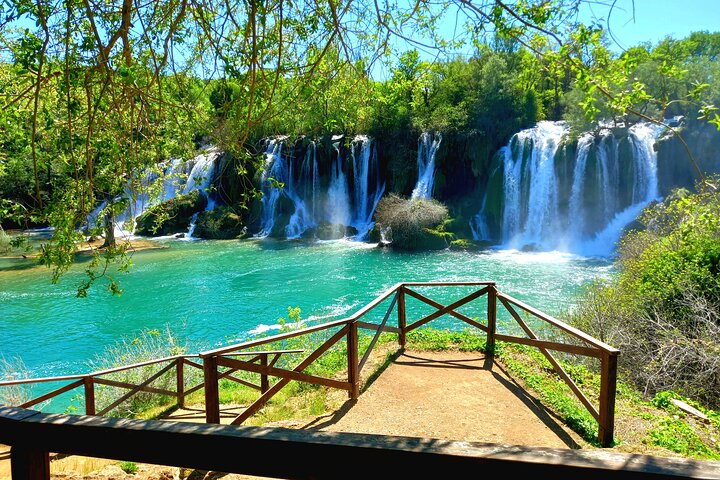
Morning (9:00 AM): Use your final morning for Kravice waterfalls, which offers a different perspective on the region. Whether this involves a short journey out of the centre or a deeper exploration of an area you passed through earlier, the change of scenery provides fresh context for everything you have seen in the previous two days.
Mid-Morning (11:00 AM): Continue to Počitelj. The views and experiences here are among the most memorable the area offers, and the timing — late morning, with the sun high and the light clear — shows everything at its best. Take your time and resist the urge to rush through to the next thing.
Lunch (12:30 PM): Settle in for a proper Herzegovina wine. This is your last chance to sample the local cuisine, so order generously and try anything you have been meaning to taste. Local specialities run BAM8-15 for main courses, and the relaxed midday atmosphere encourages lingering over an extra coffee or glass of wine.
Afternoon (2:30 PM): Spend the afternoon revisiting favourite spots or exploring anything you missed. Every city and region has layers that reveal themselves only on the third day — return to the places that moved you most, or seek out the quiet corners that guidebooks overlook. The best travel memories often come from these unplanned final hours.
Evening (6:30 PM): A farewell dinner at a special restaurant caps the trip. Choose somewhere that represents the best of local cuisine and ambiance — a place where the food, setting, and service combine to create a lasting memory. Budget BAM20-30 for a memorable final meal with wine, and toast to a destination that deserves a return visit.
Budget Breakdown (Per Person, 3 Days)
| Category | Budget (BAM) | Mid-Range (BAM) | Luxury (BAM) |
|---|---|---|---|
| Accommodation (3 nights) | BAM 60 | BAM 180 | BAM 450 |
| Food & Drinks | BAM 40 | BAM 100 | BAM 250 |
| Transport | BAM 10 | BAM 25 | BAM 60 |
| Activities & Entry Fees | BAM 15 | BAM 40 | BAM 90 |
| Total 3 Days | BAM 125 | BAM 345 | BAM 850 |
Local Culture & Etiquette in Mostar
Mostar is a Muslim-majority city and the mosques, including the beautiful Koski Mehmed-Pasha and the 16th-century Karadozbeg Mosque near the bus station, are active places of worship rather than tourist attractions. Visitors are welcome but must dress modestly: shoulders and knees covered for both men and women, and women should carry a loose scarf to cover their hair before entering. Removing shoes at the mosque entrance is mandatory. Entry donations of BAM 2–5 are customary even where no admission fee is displayed. Photography inside during prayer times — five times daily, beginning with the pre-dawn call — is inappropriate; listen for the adhan and step aside respectfully.
Bosnian coffee culture is a ritual unto itself and understanding it elevates every cafe visit. Unlike Turkish coffee, Bosnian kahva is brewed directly in a džezva (small copper pot) brought to the table alongside a small cup, a cube of sugar, and a piece of rahat lokum (Turkish delight). The correct technique is to crumble the sugar into the džezva rather than into the cup, pour slowly, and drink without stirring — letting the grounds settle. Lingering over coffee for 30–45 minutes is entirely normal and rushing is considered rude. A džezva costs BAM 2–3 across the old town; avoid the tourist cafes on the bridge approach and instead seek out the quieter side streets behind Crooked Bridge (Kriva Ćuprija) where locals actually sit.
The 1992–1995 war remains a living memory for most Mostar residents. The city was divided along the Bulevar (the front line ran through what is now a busy commercial street) and evidence of bullet damage is still visible on buildings away from the restored old town. Approach the subject with genuine curiosity rather than voyeurism, and be sensitive when speaking to local guides about their experiences. The War Photo Exhibition on Maršala Tita street charges BAM 5 and presents the conflict honestly — it is essential context before visiting. Bosnia and Herzegovina uses both the Bosnian mark (BAM) and, informally, the euro in tourist areas; card payments are accepted in most restaurants but carry cash for small purchases and taxi fares.