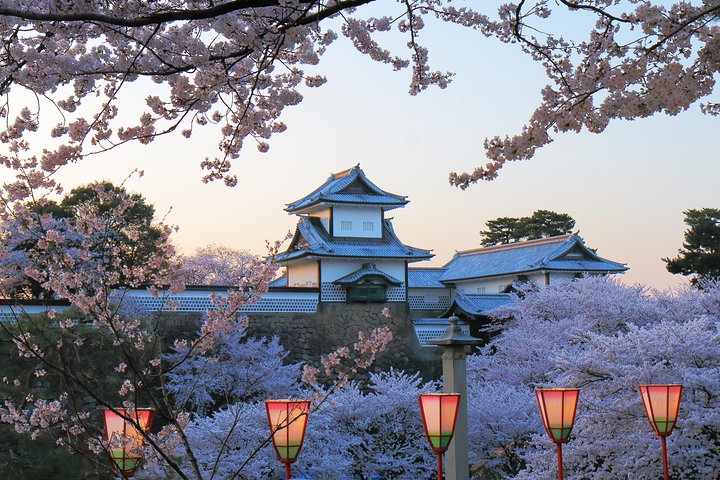
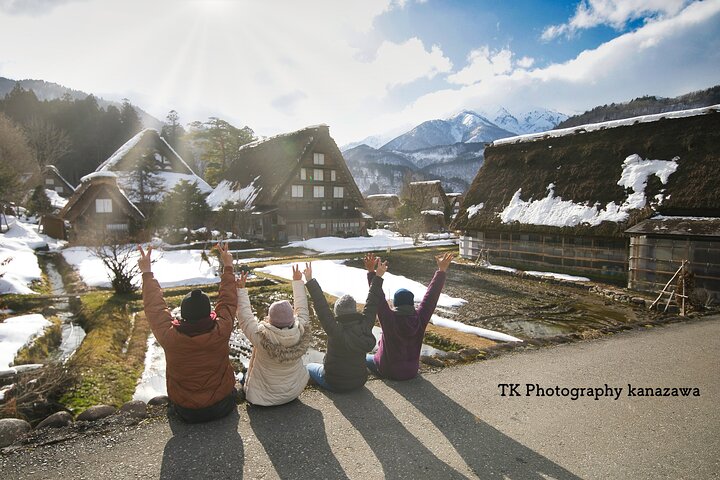
Kanazawa is where Japan's food culture comes into perfect focus. Sheltered from the Edo-period restrictions that concentrated resources in Tokyo and Osaka, the Kaga domain accumulated three centuries of culinary refinement in isolation, developing a cuisine so sophisticated and distinctive that food writers now call the city "the third food capital of Japan" without much argument. The Sea of Japan delivers seafood of extraordinary quality to Omicho Market every morning. The Kaga region's sake breweries produce rice wine of genuine distinction. And the Kaga ryori (formal Kaga cuisine) tradition ranks among the most demanding in the country.
What makes Kanazawa's food exceptional is the combination of premium ingredients and accumulated technique. The snow crab (zuwaigani) pulled from the Sea of Japan between November and March is the finest in Japan by reputation — sweet, delicate, and available in Kanazawa before it reaches any other city's markets because the fishing ports are minutes away. The yellowtail (buri), amberjack, and red sea bream that arrive at Omicho are priced here at a fraction of what Tokyo fishmongers charge. This is a city where the locals eat like emperors because they happen to live where the best ingredients land first.
Do not come to Kanazawa and eat sushi at a hotel restaurant. Walk to Omicho Market at 8am, sit at the counter of a market sushi bar, and watch the chef slice fish that came off a boat three hours ago. Then walk to the Higashi Chaya district for afternoon tea. Then find a sake bar at night. This is Kanazawa eating done correctly — slow, attentive, and impossible to replicate anywhere else in Japan.

10 Must-Try Dishes in Kanazawa
1. Omicho Ichiba Sushi (Fresh Market Sushi / 近江町市場の寿司)
Omicho Market (近江町市場) has operated as Kanazawa's main public market for over 280 years, and the sushi bars embedded within it represent some of the finest value-to-quality sushi eating in Japan. The fish arrives from nearby Noto Peninsula ports and from the Sea of Japan fishing grounds each morning, and the market chefs work with what came in rather than from a fixed menu — meaning you eat whatever is most excellent that day rather than whatever the chef decided months ago.
The Kanazawa sushi style (Kaiten-sushi or counter sushi at market bars) emphasizes the ingredient above all technique. The rice is seasoned with less vinegar than Tokyo-style sushi, allowing the fish to dominate entirely. Neta (the fish topping) slices are cut thicker than in Tsukiji-style preparations, which gives a more textural, flavor-forward bite. The market vendors are not performing minimalist restraint — they are showcasing the raw quality of their material because the material is worth showcasing.
Omicho Ichiba has multiple sushi counters within the market building. Morimori Sushi at the market's entrance is the most famous and operates as a rotating sushi (kaiten-zushi) format — both the counter seats and the conveyor belt serve the same kitchen. Omicho Donburi (the rice bowl specialty shops) are excellent alternatives — a kaisendon (seafood rice bowl) here delivers more variety per yen than most dedicated sushi restaurants. Arrive before 10am to avoid lines at Morimori.
A kaisendon at Omicho market costs JPY 1,500–3,500. Individual nigiri pieces at counter sushi bars run JPY 200–600 per piece. A full counter sushi meal of eight to ten pieces costs JPY 2,500–5,000 depending on the fish selection. The snow crab (zuwaigani) toppings, in season from November to March, are worth the premium — a single piece of zuwaigani crab meat draped over rice is one of the finest bites you will eat in Japan.
2. Jibuni (じぶ煮 — Kaga Duck Stew)
Jibuni is Kanazawa's most iconic dish — a simmered preparation of duck (or sometimes chicken) flour-coated and braised in a dashi stock seasoned with soy sauce, mirin, and sake, served with fu (wheat gluten), taro, shiitake mushrooms, and spinach. The flour coating on the duck gives the broth a slightly thickened, silky body as the protein proteins slowly dissolve into the liquid. The dish takes its name from the sizzling sound (jibu jibu) it makes as it cooks.
The genius of jibuni is its restraint. The dashi broth is made from premium Kanazawa kombu (kelp) and katsuobushi (dried bonito flakes) that produce a stock of extraordinary depth, and the other ingredients are carefully chosen to add texture and visual appeal without competing with the broth's delicate flavor. The fu (wheat gluten) absorbs the broth and becomes silky and almost melting; the duck becomes tender and richly flavored; the mushrooms deepen the umami. It is a complete expression of Japanese culinary philosophy: maximum depth from minimum distraction.
Jibuni is considered a formal Kaga ryori dish, meaning it appears primarily at traditional Japanese restaurants (ryotei) and in the food halls of upscale department stores. Kotobuki in Higashi Chaya district serves an excellent version in a traditional machiya setting. At Omicho Market, Omicho Sando has a prepared foods section where jibuni can be purchased to eat at the market's dining tables. The dish is central to any formal multi-course Kaga ryori meal at a ryotei — expect to pay a premium for the full experience.
Jibuni at a traditional restaurant costs JPY 1,500–2,500 as part of a set meal. At Omicho Market's prepared foods section it costs JPY 800–1,200 for a portion. The full Kaga ryori multi-course experience at a proper ryotei costs JPY 8,000–20,000 per person but includes jibuni, multiple seasonal dishes, Kaga vegetables, and sake pairings — worth it as a special occasion meal if the budget allows.
3. Kaga Ryori (加賀料理 — Kaga Formal Cuisine)
Kaga ryori is not a single dish but a philosophy and tradition of formal cooking that developed under the patronage of the Maeda clan during Kanazawa's centuries of political isolation from Edo. Ingredients endemic to the Kaga region — Kaga vegetables (kaga yasai), Sea of Japan seafood, local sake, and Noto kombu — are prepared using techniques derived from both Kyoto kaiseki traditions and the Kanazawa culinary identity. The result is a multi-course meal format that rivals any kaiseki in Japan in technical execution.
The defining characteristics of Kaga ryori are the use of regional Kaga vegetables (a set of twelve heritage vegetable varieties grown only in the Kanazawa area, including Gorou Island lotus root, Sanko mori eggplant, and Shimo cabbage), the emphasis on Sea of Japan seafood, and the distinctive Kanazawa plating aesthetic influenced by Kenroku-en garden's design principles — restrained but precise, with an eye for seasonal color. The lacquerware (Wajima-nuri) plates and bowls add visual depth that is inseparable from the eating experience.
Several ryotei restaurants in Kanazawa maintain this tradition with complete seriousness. Zeniya in the Nakashima area is considered the city's finest, with three decades of Michelin-level recognition. Tsubajin near Kenroku-en is more accessible with a broader menu range including set meals that do not require full omakase commitment. Kiku no I near Omicho Market provides the most accessible introduction to Kaga ryori at prices that working residents can afford on special occasions.
A formal Kaga ryori experience costs JPY 10,000–30,000 per person depending on the ryotei and the season. The highest prices are for winter meals featuring snow crab as a centerpiece. The experience requires reservation — often weeks in advance for top establishments. Dress appropriately for a tatami room setting; shoes will be removed at the entrance. The meal typically lasts two to three hours and covers eight to twelve courses.
4. Zuwaigani (ずわい蟹 — Snow Crab)
The snow crab (zuwaigani) season from November through March transforms Kanazawa into a pilgrimage destination for Japanese food lovers. The crabs pulled from the Sea of Japan near Noto Peninsula are considered the finest in Japan — sweeter, more delicate, and more consistently sized than crabs from Pacific waters — and the proximity of Kanazawa to the fishing ports means that the crab arrives with a freshness no other city can match. Kanazawa's snow crab is a seasonal experience that justifies a winter trip specifically.
Zuwaigani is served multiple ways in Kanazawa: raw as sashimi for the finest specimens, steamed and served whole with ponzu (citrus soy sauce), made into a crab bisque (kani jiru), mixed into a rice dish (kani meshi), and used as sushi topping. The raw version — only available for the freshest and most pristine specimens — is the most revelatory: the flesh is translucent, sweet, and almost custard-like in texture, with a delicate brininess that disappears if the crab has spent even an hour out of the water unnecessarily.
Omicho Market is the center of snow crab culture in Kanazawa. During the season, entire sections of the market are given over to whole crabs on ice, and the market sushi bars serve zuwaigani as a featured topping. Sushi Bar Mori within the market is a small counter operation where the chef sources his crab from a specific boat and prepares it the morning it arrives. For a full steamed crab experience, the seafood restaurants on Katamachi entertainment district serve the whole seasonal ritual.
A whole steamed zuwaigani crab costs JPY 5,000–15,000 depending on size and grade. A single nigiri piece of zuwaigani at Omicho market costs JPY 500–800. A kaisendon topped with crab, sea urchin, and ikura costs JPY 3,000–5,000. These prices reflect the genuine scarcity and quality of the ingredient — zuwaigani is not cheap because the demand is enormous and the supply is seasonal and regulated. January and February are the peak flavor months.
5. Kaga Vegetables (加賀野菜 — Heritage Vegetable Varieties)
The Kaga vegetables (kaga yasai) are twelve heritage vegetable varieties grown only in the Kanazawa area, certified and protected as part of Kanazawa's culinary heritage identity. Among these: Gorou Island lotus root (ren'kon, with smaller air holes than standard varieties, giving it a creamier texture when cooked), Sanko mori eggplant (rounder, less bitter, and more tender than standard Japanese eggplant), Shimo cabbage (flat, densely packed, extraordinarily sweet after the first frost), and En dou turnip (smaller, more delicate, almost fruity in flavor).
These vegetables appear in Kaga ryori as seasonal expressions of the region's agricultural identity, but they also show up at Omicho Market and at traditional home cooking throughout Kanazawa. The lotus root is particularly celebrated — it appears in jibuni, in tempura, and in simmered preparations where its creamier texture makes it unlike any lotus root you have eaten elsewhere. The Shimo cabbage, available only in late winter after frost, is so sweet when simply blanched and dressed with dashi that it barely needs accompaniment.
At Omicho Market, the vegetable vendors who specialize in Kaga yasai will clearly label them as such and often provide recipe suggestions. The market mornings from Tuesday through Saturday are the best time to see the full range. Restaurants throughout Kanazawa use Kaga vegetables as seasonal features; the most honest include them on menus with specific variety names rather than generic "seasonal vegetables."
At Omicho Market, a single lotus root costs JPY 300–600. A bundle of En dou turnips or other seasonal Kaga vegetables costs JPY 400–1,000. At restaurants, Kaga vegetables appear within set meal prices and are not typically itemized separately. Buying vegetables at the market to understand them before eating them in restaurants is an excellent strategy — the tactile understanding of the raw ingredient enhances everything you subsequently eat in Kanazawa.
6. Kanazawa Sake (金沢の地酒)
Kanazawa's sake (nihonshu) culture is as refined as its food culture, which is saying something considerable. The Noto Peninsula's rice paddies produce high-quality sake rice, and the snow-melt water from the Hakusan Mountains running through the region has the mineral profile that sake brewers prize above all: clean, soft, with just enough mineral presence to encourage healthy fermentation without adding off-flavors. The combination has produced sake breweries that have operated for centuries in and around Kanazawa.
The regional sake style tends toward the junmai (pure rice, no added alcohol) and junmai daiginjo (premium polished rice, complex aromatics) end of the spectrum — floral, delicate, and food-friendly rather than the richer, earthier styles of some other Japanese prefectures. The flavor profile complements Sea of Japan seafood and the subtle seasoning of Kaga ryori perfectly: the sake does not compete with delicate fish; it lifts it. Understanding this pairing is understanding half of Kanazawa's food culture.
Fukumitsuya brewery in the Higashi Chaya district has a tasting room and retail shop where you can taste from a rotating selection of their sake and buy bottles to take home. Nakamura sake shop near Omicho Market is a dealer in small-production regional sake that is sold exclusively in Kanazawa and Ishikawa Prefecture. The Katamachi entertainment district has several sake bars (sakagura) that pour from an encyclopedic selection of regional producers.
A sake tasting flight at Fukumitsuya costs JPY 500–1,500 for three to five varieties. A glass of sake at a restaurant costs JPY 600–1,500 depending on grade and producer. A quality bottle of Kanazawa-region junmai daiginjo costs JPY 2,000–5,000 to take home. The sake bars in Katamachi typically serve by the glass for JPY 600–1,200 with a menu that explains each producer's style and the rice variety used.
7. Nodoguro Sashimi (のどぐろ — Blackthroat Seaperch)
Nodoguro (のどぐろ, literally "black throat") — the blackthroat seaperch or rosy seabass — is perhaps the single ingredient that most defines Kanazawa's seafood identity. This deep-sea fish from the Sea of Japan has a fat content so high that its flesh is almost creamy — comparable to fatty tuna (otoro) but with a lighter, cleaner flavor and a more delicate texture. It is the fish that Kanazawa sushi masters display with the greatest pride and that visiting Japanese food lovers travel specifically to eat.
Nodoguro is served raw as sashimi or sushi, where the high fat content makes the flesh melt almost immediately on the tongue. It is also excellent grilled (shio-yaki — salt-grilled) where the fat renders slowly and the skin crisps while the flesh stays molten underneath. The grilled version is arguably more accessible to those unfamiliar with very fatty raw fish — the heat transforms the fat into something warming and savory rather than simply rich. Both preparations are outstanding; eating both during a Kanazawa visit is strongly recommended.
Nodoguro is available at Omicho Market counter sushi bars when it comes in — a chalkboard sign goes up and the pieces sell quickly. Sushi Mori at Omicho is reliable for nodoguro when in stock. Dedicated sushi restaurants in the Katamachi district carry it more consistently because they reserve portions from specific suppliers. The fish is most available from October through February when cold water drives it closer to the fishing zones.
A single nigiri of nodoguro costs JPY 600–1,500 depending on size and fat content. A full sashimi portion at a restaurant costs JPY 2,000–4,000. When a market vendor holds up a piece of nodoguro sashimi and it droops heavily from the chopsticks with visible marbling, you are looking at a piece that merits the premium. This is not budget eating, but it is one of Japan's genuine seafood experiences.
8. Kakinoha Sushi (柿の葉寿司 — Persimmon Leaf Sushi)
Kakinoha sushi is pressed sushi wrapped in persimmon leaves — a preservation technique from the inland mountain regions that gives the rice and fish a subtle, sweet-tannic flavor from the leaf and extends the sushi's shelf life significantly without refrigeration. The version found in Kanazawa typically uses mackerel (saba), salmon, or shrimp as topping, pressed onto a small rectangle of vinegared rice, then wrapped tightly in a persimmon leaf and allowed to marinate for several hours before eating. The result is a fundamentally different eating experience from fresh sushi.
The persimmon leaf imparts its own character to the fish during the pressing period — a faint herbal, slightly tannic note that gives the fish a background flavor absent from any other sushi preparation. The pressing firms both the rice and the fish, creating a denser, more chewy texture than nigiri. This is historically travel food — the leaf wrapping protected the sushi during the mountain journeys between Kanazawa and Nara — but it has become a regional specialty celebrated precisely because it is so different from the fresh sushi culture of the city's markets.
Kakinoha sushi is sold at Kanazawa Station in the Rinto food hall (an excellent source for all regional food gifts and takeaway), at the station's Anto market, and at several shops in the Higashi Chaya district. It comes in gift boxes of six to twelve pieces, making it an excellent takeaway option for bullet train journeys. The quality at station shops is remarkably high for train station food.
A box of six kakinoha sushi pieces costs JPY 1,200–1,800 at station shops. Individual pieces at specialty shops cost JPY 200–350 each. The best time to eat them is two to four hours after purchase, when the pressing has had time to work but the rice has not dried. The persimmon leaf should be saved and used as a plate — eating directly from the leaf is traditional and aesthetically correct.
9. Hoto Udon (Thick Flat Noodle Soup)
Kanazawa's noodle culture is quieter than its sushi culture but no less interesting. The thick, flat wheat noodles (similar to kishimen from Nagoya) that appear in Kanazawa soups are sometimes called "Kanazawa Udon" and are served in a dashi-based broth with seasonal Kaga vegetables, fu (wheat gluten), and sliced duck or chicken. The thickness of the noodle — wider and flatter than standard udon — gives it a satisfying chewiness and a slightly different starch character that absorbs the dashi broth differently than round noodles.
The broth here is classic Sea of Japan style: dashi from kombu and katsuobushi, seasoned with white soy sauce (shiro shoyu) or light soy sauce, without the heavier seasoning of Pacific coast noodle soups. This light approach allows the Kaga vegetable additions and the subtle flavor of the noodles themselves to come forward. The fu (wheat gluten) adds textural contrast — chewy, slightly spongy, and intensely flavored from absorbing the broth.
Tabi no Shokudo restaurant near Kenroku-en garden specializes in traditional Kanazawa noodle dishes including the thick udon variations. Omicho Market has several noodle counters that serve hot soups throughout the morning for market workers — a bowl of hot noodle soup at 8am surrounded by fish vendors is an excellent way to start a market visit. The Katamachi district also has several izakayas that serve noodle soups as late-night eating after sake.
A bowl of Kanazawa udon at a restaurant costs JPY 800–1,400. At market stalls, JPY 600–900. The noodle soups are available year-round but are most satisfying in the cold winter months when the warming broth provides genuine physical comfort after walking the snow-dusted streets. Order the duck (kamo) version when available — it is the most traditionally Kaga of the topping options.
10. Wagashi (和菓子 — Traditional Japanese Confectionery)
Kanazawa's wagashi tradition ranks among Japan's most refined, reflecting the centuries of tea ceremony culture and aristocratic patronage under the Maeda clan. The city's confectioners (wagashi-ya) produce sweets of extraordinary visual beauty — seasonal rice cake confections (namagashi), pressed sugar sweets (higashi), and glazed bean paste molds that are meant to be consumed with matcha tea in a ritualized setting. The aesthetics draw from Kenroku-en garden's design and the Kaga art traditions, giving Kanazawa wagashi a visual distinctiveness immediately recognizable to Japanese confectionery experts.
The seasonal namagashi are the apex of the craft — fresh mochi or nerikiri (sweet bean paste molded and colored to represent seasonal motifs) that last only one to two days before their delicate textures deteriorate. Each piece represents a specific month's color palette and natural motif: winter pieces in blue and white suggesting snow; spring pieces in pale pink and green representing cherry blossoms and new leaves; autumn pieces in amber and crimson for maple leaves and persimmons. Eating them is an aesthetic experience as much as a culinary one.
Morihachi confectionery in Higashi Chaya district has been making wagashi since 1625 and is one of Japan's oldest and most respected confectionery shops. Kagawa Seikaen near Kenroku-en garden is a second centuries-old operation with a particular reputation for matcha-paired confections. Both shops offer wagashi as individual pieces for eating on the premises with matcha, and as gift boxes for travel. The Higashi Chaya district's tea houses also serve wagashi with matcha in a ritualized setting.
A single namagashi piece costs JPY 300–600 at confectionery shops. A set of wagashi with matcha at a tea house in Higashi Chaya costs JPY 800–1,500. Gift boxes of six to twelve dry confections (higashi) that travel well cost JPY 1,500–4,000. The wagashi paired with a bowl of matcha is one of Kanazawa's essential experiences — allow twenty minutes to sit properly, taste carefully, and appreciate what centuries of refined confectionery culture produces.
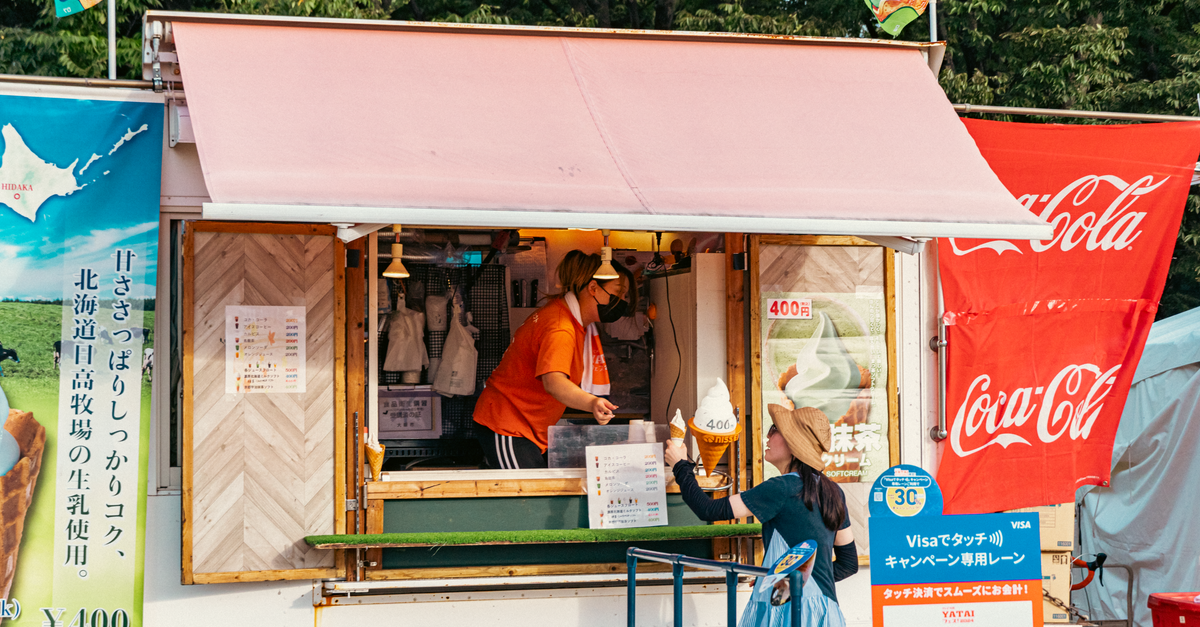
Kanazawa's Essential Food Neighborhoods
Omicho Market (近江町市場): The city's culinary center of gravity and the starting point for any serious food exploration. The market covers a full city block with over 180 shops and stalls selling fresh seafood, Kaga vegetables, pickles, sake, and prepared foods. The inner market buildings house the sushi counters and kaisendon shops; the exterior stalls have the freshest seafood for retail purchase. Monday and Sunday are reduced; the best days are Tuesday through Saturday. Adjacent to Musashi-ga-tsuji bus stop and a ten-minute walk from Kanazawa Station.
Higashi Chaya (東茶屋街): The finest-preserved geisha district in Kanazawa and one of Japan's most intact historic entertainment quarters. The traditional machiya (townhouse) buildings have been converted into tea houses, sake bars, wagashi shops, and high-end restaurants serving Kaga ryori. Morihachi confectionery and Fukumitsuya sake are here. Afternoon is the best time — the tea houses serve matcha and wagashi from noon onward, and the light on the old wooden buildings in the late afternoon is extraordinary. Evening brings sake bars to life.
Katamachi Entertainment District: Kanazawa's izakaya and sake bar district, where the city's working and professional population eats and drinks after work. The density of excellent casual restaurants, yakitori shops, and sake bars makes it the best neighborhood for an unplanned evening of eating and drinking. Nodoguro, zuwaigani, and Kaga vegetables all appear on izakaya menus here at more accessible prices than at formal restaurants. The street between Katamachi crossing and Tamaizumi is the highest concentration.
Practical Eating Tips for Kanazawa
Budget guidance: Kanazawa rewards every budget level. A kaisendon breakfast at Omicho Market costs JPY 1,500–3,000 and is extraordinary value. A kaiseki lunch at a mid-range restaurant costs JPY 3,000–6,000. A full Kaga ryori dinner with sake at a proper ryotei costs JPY 12,000–25,000 and represents a once-in-a-trip splurge. The evening izakaya route in Katamachi — several plates shared with drinks — costs JPY 3,000–6,000 per person and is the best daily-use eating strategy.
Seasonal planning: Winter (November–March) is the peak food season — snow crab and nodoguro are at their finest, Kaga vegetables are in high season, and the market has its fullest selection. The city under snow is also visually spectacular, which makes the winter food season an almost unfair advantage over other travel periods. Summer brings different seafood (squid, octopus, Japanese abalone) and the Kaga vegetable calendar shifts to summer varieties. Any season in Kanazawa offers excellent eating, but winter is when the best ingredients converge.
Getting to Kanazawa: The Hokuriku Shinkansen from Tokyo now reaches Kanazawa in approximately two hours and twenty minutes. Kyoto and Osaka are connected by the scenic Thunderbird limited express train through Fukui. The day trip from Kyoto or Tokyo is possible but deeply insufficient — two to three nights allows proper market exploration, a formal Kaga ryori dinner, and the Higashi Chaya sake bar experience. Add a side trip to Noto Peninsula (one hour by bus) for the most traditional coastal seafood preparation outside of the city markets.