Kanazawa escaped WWII bombing entirely, preserving samurai and geisha districts that rival Kyoto without the overwhelming tourist crowds. Home to Kenroku-en — one of Japan's three great gardens — and a thriving gold leaf craft tradition producing 99 percent of Japan's output, this Sea of Japan city offers authentic old Japan.

Gardens, Geisha & Gold Leaf
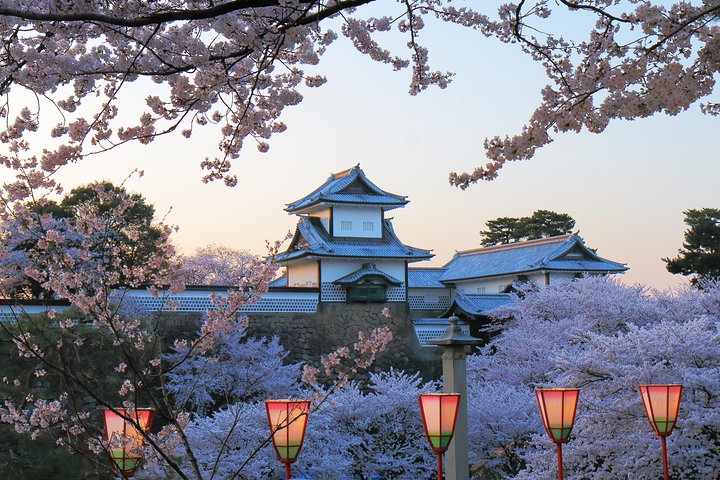
Morning: Visit Kenroku-en Garden (¥320), ranked among Japan's three finest landscape gardens alongside Korakuen in Okayama and Kairakuen in Mito. The Kotoji twin-legged stone lantern by the Kasumiga-ike pond is the garden's iconic symbol. Adjacent Kanazawa Castle Park (free) features impressively restored Hishi Yagura turrets with multi-layered ishigaki stone walls and wide defensive moats reflecting the structures above.
Afternoon: Explore Higashi Chaya, the beautifully preserved geisha district with wooden ochaya teahouses dating to 1820 when the Maeda lords designated this area for entertainment. Visit Shima teahouse (¥500) to see elegant interiors where geisha once performed. Try gold leaf ice cream (¥900) — a signature Kanazawa treat. Hakuza gold leaf shop offers free hands-on workshops where visitors apply gold leaf to small accessories.
Evening: Dinner at Omicho Market's second-floor restaurants where skilled chefs prepare the morning's fresh catch. Try kaisendon seafood rice bowl (¥1,500-3,000) generously piled with Sea of Japan snow crab, sweet shrimp, yellowtail sashimi, and glistening squid. The market has operated continuously since 1721 as Kanazawa's kitchen, stocking over 200 types of fresh seafood, local produce, and specialty ingredients.
Samurai District & Contemporary Art
Morning: Walk through Nagamachi Samurai District, where earthen-walled compounds and narrow cobblestone lanes preserve the authentic atmosphere of Edo-period warrior residences behind flowing canals. The Nomura Samurai House (¥550) has a stunning miniature garden rated among Japan's finest by international garden journals. Inside, the displays of original samurai armor, ancestral swords, and family scrolls spanning generations are fascinating.
Afternoon: Visit the 21st Century Museum of Contemporary Art (free for public zones, ¥450-1,200 for special exhibitions). Leandro Erlich's Swimming Pool installation — where visitors above see people apparently walking underwater while visitors below gaze up through water — is world-famous and endlessly photographed. The perfectly circular glass building designed by Pritzker-winning architects SANAA is itself a masterpiece of transparent, democratic architecture.
Evening: Explore Katamachi, Kanazawa's main nightlife and dining district. Izakaya serving jibuni — a rich stew of duck, wheat gluten, shiitake, and wasabi that is Kanazawa's signature traditional dish — run ¥3,000-5,000 per person for a full evening meal with sake. Try locally brewed Kanazawa craft beer at Oriental Brewing taproom (¥700-900 per glass) housed in a converted warehouse.
Ninja Temple & D.T. Suzuki Museum
Morning: Tour Myoryuji, commonly known as the Ninja Temple (¥1,000, advance reservation required and recommended). Despite being a legitimate Buddhist temple, it features ingeniously concealed hidden staircases, trap doors leading to escape tunnels, secret rooms behind sliding panels, and defensive architecture — all built to protect the Maeda clan from potential Tokugawa attack. The 45-minute guided tour reveals surprising architectural secrets.
Afternoon: Visit the D.T. Suzuki Museum (¥310), a meditative space dedicated to the Zen Buddhist philosopher who introduced Zen to the Western world through his English-language writings. The reflecting water mirror garden and minimalist concrete architecture designed by Yoshio Taniguchi create a sense of profound tranquility and inner contemplation rarely achieved in modern museum design anywhere in the world.
Quick Tips
- The Kanazawa Loop Bus (¥200 single, ¥600 day pass) connects all major attractions — buy the day pass at the station tourist office on arrival.
- Kanazawa's famously rainy climate means always carry a compact umbrella — the city averages 190 rainy days per year regardless of season, earning it the nickname 'Benten's Tears.'
- The Hokuriku Arch Pass (7-day ¥25,500) covers Shinkansen from Tokyo through Kanazawa to Osaka — excellent value for travelers connecting these three major cities.
Practical Information
Kanazawa is connected to Tokyo by the Hokuriku Shinkansen (2.5 hours, ¥14,000) and to Osaka/Kyoto by the Thunderbird limited express (2.5 hours, ¥7,000). The compact city center is walkable but the Loop Bus connects outlying attractions efficiently. Most restaurants accept cash only — withdraw yen at 7-Eleven or post office ATMs. Hotel staff and tourist office workers generally speak good English.
Best Times to Visit & Budgeting
Autumn (November) and winter (January-February) showcase Kenroku-en at its finest — snow-hanging rope protections on pine trees create iconic winter images. Spring brings cherry blossoms in early April. Summer (June-August) is warm and humid. Budget accommodation includes guesthouses from ¥3,500/night. Kanazawa's ryokan (traditional inns) offer exceptional kaiseki meals and hospitality from ¥15,000/person including dinner and breakfast.
| Travel Style | Daily Cost (¥) |
|---|---|
| Budget | ¥6,000-9,000 |
| Mid-Range | ¥12,000-18,000 |
| Luxury | ¥30,000-55,000 |
Kanazawa Food Culture: Japan's Most Underrated Culinary City
Kanazawa's cuisine is so highly regarded that the city is sometimes called the food capital of Japan after Tokyo and Osaka. The Sea of Japan provides exceptional seafood year-round — snow crab from November to March, sweet shrimp (amaebi) and yellowtail (buri) throughout winter, and sea bream (tai) and squid (ika) in summer. Omicho Market has operated since the Edo period and remains the city's beating culinary heart: arrive before 8am to see wholesale buyers selecting live crab and whole tuna alongside chefs from Kanazawa's finest restaurants.
Beyond seafood, Kanazawa's confectionery tradition (wagashi) is unmatched outside Kyoto. The city's tea ceremony culture, sustained by the Maeda clan's patronage of the Way of Tea, created demand for extraordinary sweets to accompany matcha. Morihachi and Suisentei are two wagashi shops operating for over 300 years, crafting seasonal confections — autumn maple leaves in red bean paste, winter snowflake sweets dusted in icing sugar — that are as beautiful as they are delicious. A wagashi set with matcha at any traditional tea room costs ¥800-1,200. Omicho Market's second floor izakayas serve the definitive kaisendon (seafood rice bowls, ¥1,800-3,500) where portion sizes are legendarily generous.
Day Trips from Kanazawa: Noto Peninsula & Shirakawa-go
The Noto Peninsula jutting into the Sea of Japan is Kanazawa's greatest day trip — a coastline of dramatic rock formations, traditional fishing villages, and rural Japan almost entirely untouched by mass tourism. The Okunoto Satoyama Expo Road winds along clifftop roads past satoyama landscapes (traditional farmland-forested hill interfaces recognized by UNESCO) for 150km. The Wajima Morning Market (7am-noon daily) is Japan's most authentic traditional market outside of designated tourist zones — local farmers and artisans selling lacquerware, dried fish, and seasonal produce without tourist-oriented pricing. Buses from Kanazawa Station reach Wajima in 2 hours (¥2,300).
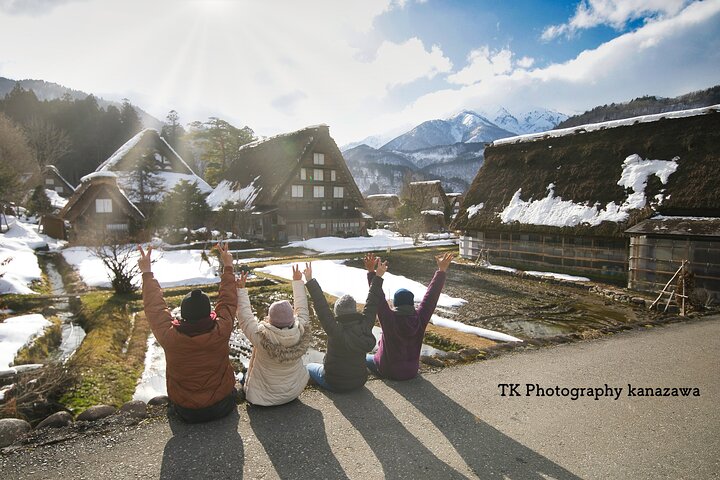
Shirakawa-go (2.5 hours, ¥2,600 by bus) features UNESCO-listed gasshō-zukuri farmhouses with steeply pitched thatched roofs designed to shed heavy snowfalls. The village of Ogimachi preserves over 60 of these 300-year-old structures, many still inhabited and some open as traditional ryokan where guests sleep on futons under the massive thatched roof construction. Combine with neighbouring Gokayama for a full day, or continue to Takayama for a two-night extension through the Japanese Alps backcountry.
Kanazawa's Neighbourhoods & Local Life
Beyond the major attractions, Kanazawa rewards aimless wandering. The Kazuemachi geisha district along the Asano River — smaller and less visited than Higashi Chaya — has a melancholy elegance that's more authentic in feel. Nishi Chaya (West Geisha District) near the Ninja Temple is the smallest of the three geisha quarters, with just a handful of ochaya still operating, their wooden lattice facades unchanged since the 1820s. The Gyokusen-inmachi area below Kenroku-en is a canal-laced neighbourhood of dyers, lacquer workshops, and centuries-old craft ateliers worth an afternoon of slow exploration.
Kanazawa's Art & Craft Scene: Gold Leaf, Lacquer & Ceramics
Kanazawa's prosperity under the Maeda lords — Japan's wealthiest feudal lords outside the Tokugawa shogunate — created extraordinary patronage for the arts. The city produces 99% of Japan's gold leaf (kinpaku), manufactured by pounding gold into translucent sheets one ten-thousandth of a millimetre thick. The Higashi Chaya district's Hakuza gold leaf shop offers free hands-on application workshops and carries everything from gold leaf cosmetics to gold-dusted sake cups. Kanazawa Utatsuyama Craft Village (free to browse) clusters dyeing, pottery, lacquerware, and Yuzen silk-painting studios where working artisans sell directly — expect to spend ¥2,000-20,000 for authentic handmade crafts directly from the makers rather than tourist shops. The Ishikawa Prefectural Museum of Traditional Products and Crafts (¥260) provides context for the entire regional craft tradition before you shop.
Where to Stay in Kanazawa: From Ryokan to Modern Hotels
Staying in a ryokan (traditional inn) is the defining Kanazawa accommodation experience. Kanazawa's best ryokan serve kaiseki multi-course dinners using local Snow Crab, sea bream, and seasonal vegetables — an experience inseparable from the accommodation. Asadaya (from ¥35,000/person) near Kenroku-en has hosted guests since 1867 and is considered one of Japan's finest traditional inns. Sanraku (¥15,000-25,000) and Tounkaku (¥12,000-18,000) offer ryokan culture at more accessible prices. For budget travelers, clean guesthouses in the Higashi Chaya and Katamachi areas (¥4,000-8,000/night) put you within walking distance of all major attractions. Business hotels near Kanazawa Station (¥7,000-12,000) are practical for early shinkansen connections.
Explore more Kanazawa travel guides →