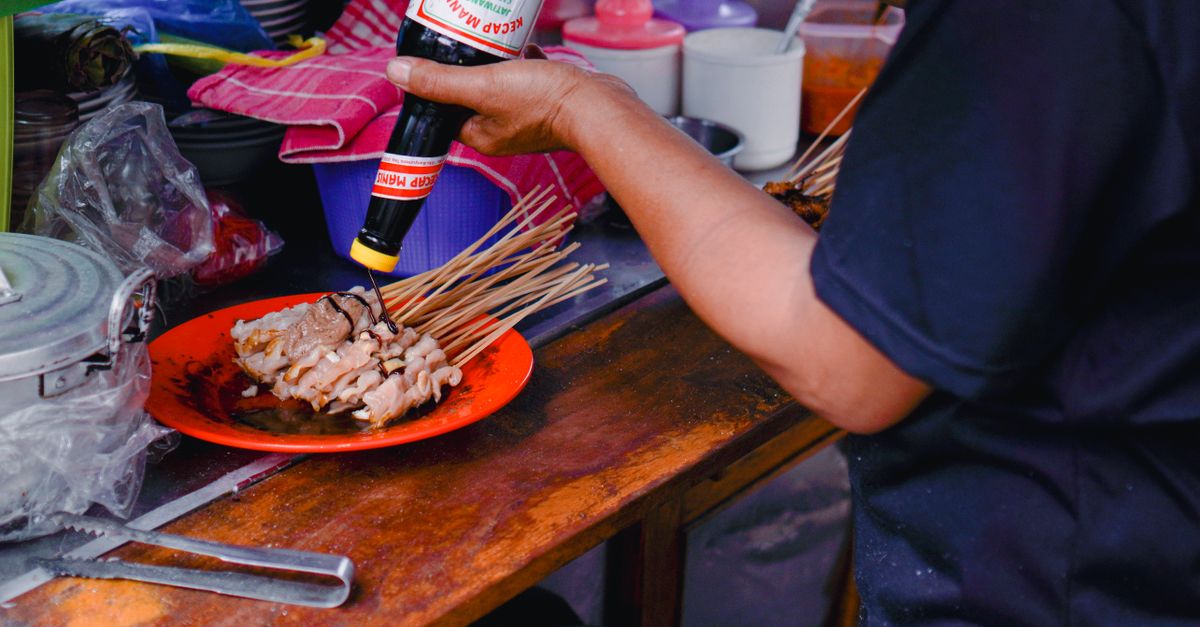
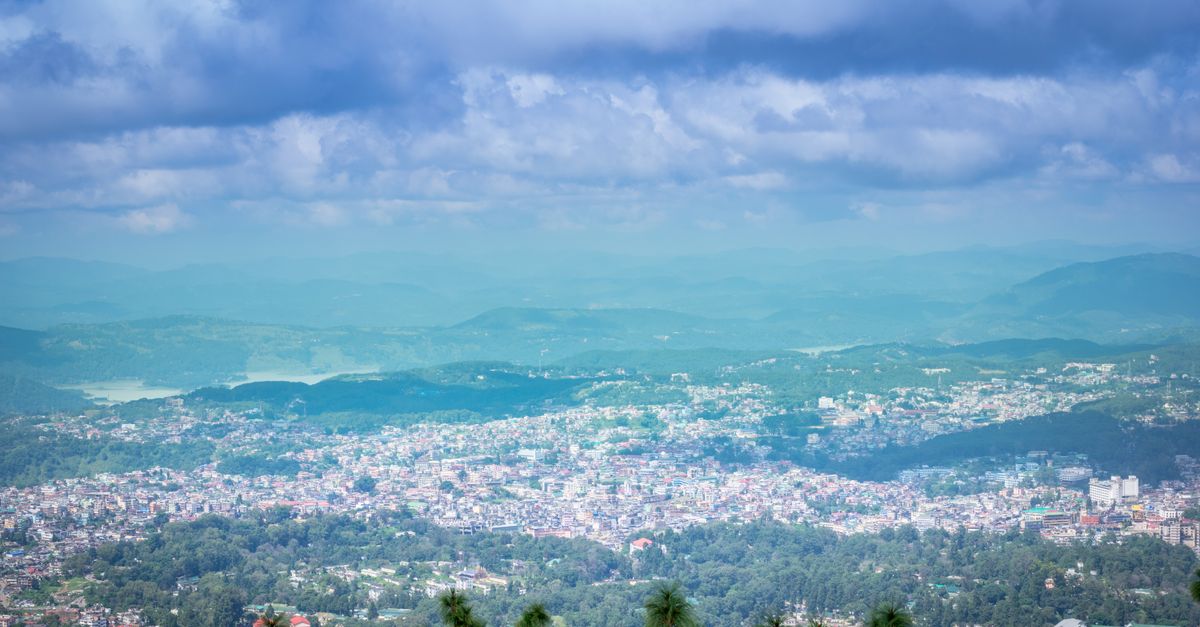
Ella is a village built for slowing down, and its food culture asks the same of you. Perched in Sri Lanka's central highlands at nearly a thousand meters above sea level, surrounded by tea estates that produce some of the world's most celebrated orange pekoe, Ella is a place where meals arrive without urgency and are best eaten on a veranda with a view of Ella Rock dissolving into cloud. The altitude cools the air enough that you'll actually want to eat hot food, which is fortunate because Sri Lankan rice and curry — the country's fundamental culinary statement — is best consumed steaming.
Sri Lankan highland cuisine differs meaningfully from the coastal food of Colombo or Galle. The curries here are spicier, drier, and more intensely spiced — the climate and the Sinhala Tamil communities of the hill country have developed a cooking tradition that leans on roasted coconut, dried chili, goraka (a souring agent similar to tamarind), and the freshwater fish and vegetables that grow abundantly at elevation. Jackfruit and banana blossom curries that would seem like health food adaptations in a city restaurant are here genuinely traditional staples eaten daily.
The warning that belongs at the start of any Ella food guide: the town's main drag, Main Street and its tributaries, has become saturated with places serving Western food badly — pancakes that taste of baking soda, pasta from powder packets, smoothie bowls priced for Instagram rather than for nourishment. Ignore all of it. The best food in Ella is Sri Lankan, served by Sri Lankan families who have been cooking these dishes across generations. The rest is tourist infrastructure, not food culture.

10 Must-Try Dishes in Ella
1. Rice and Curry (Bath Curry)
In Sri Lanka, rice and curry is not a category of food — it is a meal format, a philosophical position, and a daily ritual. "Bath" means rice and "curry" in this context means not one curry but a constellation of them: typically five to twelve small bowls surrounding a central mound of rice, each bowl containing a different preparation — a dhal, a green vegetable curry, a dry-fried meat or fish, a fresh salad called mallun, a pickle, and always papadam.
In Ella the rice is often red rice — Sri Lankan red kekulu or samba varieties with a nutty, slightly chewy quality that white rice cannot replicate. The curries rotate with the season and the cook's judgment. The best rice and curry lunches you'll have in Ella are served on banana leaves at local establishments — the leaf imparts a faint green vegetal note to the food and makes cleaning up gloriously simple.
The undisputed address for rice and curry in Ella is Ella's Kitchen, a family-run spot about 500 meters from the train station on the Wellawaya Road. The owner sources vegetables from his own garden and the neighboring farms. Arrive between noon and 1 PM when all the curries are freshly made.
A full rice and curry lunch costs between LKR 450 and LKR 650 depending on protein. Always ask what is cooked that day rather than ordering from a menu — the best places in Sri Lanka operate like home kitchens, not restaurants, and the day's food is what was made that morning. If you want fish curry, call ahead.
2. Hoppers (Appa)
Hoppers are the great Sri Lankan breakfast and they are also the dish that most visitors fall in love with permanently. A hopper is a small bowl-shaped pancake made from fermented rice flour batter and coconut milk, cooked in a small rounded iron pan that gives it its distinctive shape: crispy lacy edges, a soft and slightly spongy center, faintly sour from fermentation. The plain version is already deeply good; the egg hopper, with a whole egg broken into the center and cooked until the white sets but the yolk remains runny, is even better.
The fermentation is the key element — it must be allowed to work properly overnight, developing both the slight tang and the bubbles that create the hopper's characteristic texture. Too little fermentation and the hopper is flat and dense; too much and it becomes unpleasantly sour. Getting this balance right is a skill developed over years, which is why the best hoppers always come from people who have been making them their entire lives.
Café Chill on Main Street makes excellent egg hoppers every morning from around 7 AM, paired with their house coconut sambol. Alternatively, Matey Hut — a local institution that predates Ella's tourism boom — serves hoppers with a range of accompaniments including seeni sambol (caramelized onion), dhal, and pol sambol (fresh coconut with chili and lime).
Plain hoppers cost LKR 80 to LKR 120 each; egg hoppers are LKR 120 to LKR 180. Order at least two egg hoppers — one is not enough and you will regret the restraint. The coconut milk tea served alongside a hopper breakfast at local spots costs LKR 50 and is the correct beverage pairing.
3. Kotthu Roti (Chopped Roti)
Kotthu is the sound before it is the food — the rhythmic metallic clang of two flat blades chopping roti on a hot griddle is Sri Lanka's most distinctive street food music, and you hear it before you smell it. Shredded godhamba roti (a soft wheat flatbread) is chopped repeatedly on the hot iron plate with onions, egg, vegetables, and a choice of meat or fish, all tossed together with a spoon of thick curry gravy until the roti pieces absorb everything and char slightly at the edges.
Kotthu is street food by origin and constitution — it is designed to be made fast, eaten standing, and finished while still very hot. The cheese kotthu, with melted processed cheese folded through at the end, is deeply unpretentious and completely satisfying. The chicken kotthu with extra gravy is the version most often eaten at 11 PM after a long day of hiking.
The best kotthu in Ella is made at the small evening stall that sets up near the main junction from around 6 PM. The operator — universally known as "Kotthu Man" among travelers and locals — has been working that corner for a decade and executes the dish with the economy of motion of someone who has made it ten thousand times.
Kotthu costs LKR 350 to LKR 600 depending on protein and size. Specify "extra spicy" if you want the real version rather than the tourist-calibrated heat level. Cheese kotthu, despite its processed ingredient list, is genuinely excellent and worth ordering at least once — the cheese provides a milky richness that balances the chili and curry spice.
4. Dhal Curry (Parippu)
Sri Lankan dhal curry — parippu — is the dish that holds the entire rice-and-curry tradition together. Made from split red lentils cooked down with coconut milk, turmeric, onion, and a tempering of curry leaves, mustard seeds, and dried red chili fried in coconut oil, it is technically a side dish but functionally a meal anchor. Without a good parippu, the rest of the spread feels incomplete.
What makes Sri Lankan parippu distinct from Indian dhal is the coconut milk — it gives the lentils a silkiness and a slight sweetness that tempers the earthiness, and the tempering is added at the end rather than at the beginning, preserving the freshness of the curry leaves. The color should be warm gold, the consistency thick enough to mound slightly when spooned. Watery dhal is a sign of rushed cooking.
Every rice and curry establishment serves parippu, but the quality varies enormously. Raju's Family Restaurant near the train station makes a particularly good version — the lentils are properly cooked through without becoming mushy, and the tempering is done to order rather than sitting in a pot all day.
As part of a rice and curry meal, parippu is included. If you want it as a standalone with roti, expect LKR 200 to LKR 280. The mark of a truly good parippu is that it tastes good cold the next morning — a test that very few restaurant versions pass but every good home cook's version does.
5. String Hoppers (Idiyappam)
String hoppers are steamed rice flour noodles pressed through a mold into delicate rice-noodle nests, stacked on a plate and eaten with coconut milk, dhal, and sambol. They are lighter and more delicate than hoppers — airy and slightly sticky, with a clean rice flavor that serves as a neutral base for the accompanying bold sauces. In the hill country, string hoppers are as important as hoppers for breakfast.
The technique requires a special press and a practiced hand — the batter must be the right consistency to press smoothly without breaking the strands, and the steaming time is precise. The nests should hold their shape but collapse gently when you break them with a fork and stir them into the coconut milk. Stale string hoppers get gummy; fresh ones are featherlight.
Café Aroma on Main Street does excellent string hoppers as part of their breakfast set from 7 to 10 AM. Their coconut milk is freshly pressed — you can tell because it separates if left to sit, which is exactly what fresh coconut milk does. The accompanying dhal is thinner and slightly spicier than lunch versions, calibrated to soak into the string hoppers properly.
String hoppers cost LKR 120 to LKR 180 for a plate of four to six nests with accompaniments. Eat them by breaking the nests apart, mixing with the coconut milk and dhal, and scooping up with the pol sambol for spice and texture contrast. This is not a dish for small dainty bites — it rewards generous mixing and confident eating.
6. Kottu Pol (Coconut Roti)
Pol roti — coconut flatbread — is the Sri Lankan alternative to wheat roti and is made from scraped fresh coconut mixed into a simple dough with flour, salt, green chili, and onion, then cooked on a dry griddle until it blisters and chars on both sides. The result is a dense, slightly sweet flatbread with a rough texture, very different from Indian wheat roti, and particularly good with dhal or pol sambol.
The coconut in pol roti is not coconut milk but grated fresh coconut — the flesh scraped from the shell and mixed raw into the dough. When it cooks, the coconut toasts slightly and becomes fragrant. The chili and onion provide bursts of flavor through the roti rather than a consistent heat level, which makes eating it interactive in a pleasant way.
The small canteen next to the Ella Rock hiking trailhead — run by an older woman who opens only for breakfast — makes pol roti that many returning visitors cite as the best thing they ate in Sri Lanka. She makes them to order, starting at six in the morning, and closes when she runs out of dough, usually around nine.
Pol roti costs LKR 80 to LKR 120 per piece at local places. The tourist restaurants charge two to three times as much for an inferior version made with desiccated coconut rather than fresh. The difference in flavor is immediately apparent. Seek out the places where the coconut is grated fresh on the premises.
7. Jackfruit Curry (Polos Curry)
Young jackfruit curry — polos — is perhaps the most remarkable dish in the Sri Lankan highlands repertoire. Unripe jackfruit, cut into chunks, is cooked in a sauce of roasted coconut, goraka, chili, and black pepper until the jackfruit absorbs the spices and breaks down into textures that are simultaneously yielding and fibrous. The flavor is savory, slightly smoky from the roasted coconut, and deeply satisfying in a way that makes it the dish most visitors eat expecting to merely tolerate and end up ordering twice.
Jackfruit grows abundantly in this region and has been a staple protein substitute in Sri Lankan vegetarian cooking for centuries — long before the global health food industry discovered it. The Sinhalese preparation uses the entire fruit section including the seeds, which become tender and starchy. The color of the finished curry should be deep amber to dark brown, the sauce thick and clinging.
Ella's Kitchen does an excellent polos curry as part of their rice and curry selection, available most days. The Heritage Restaurant on Passara Road also makes a notable version using a recipe the owner's grandmother developed specifically for the highland climate, with extra goraka and a heavier hand with black pepper.
Jackfruit curry as part of a rice and curry meal adds no extra cost — it's one of the rotating dishes in the spread. As a standalone portion with rice, expect LKR 350 to LKR 450. This is also one of the best dishes to order if you are vegetarian — it is traditionally vegan and satisfying enough that you will not feel the absence of meat.
8. Ceylon Tea (with Milk or without)
Treating tea as a dish seems indulgent until you are in Ella, where the tea estates begin literally at the edges of town and the leaves in your cup were on the plant three days ago. Ceylon tea from the Uva highlands — the region that surrounds Ella — is considered among the world's finest, characterized by a brisk, high-grown quality with floral and slightly menthol-like notes that no other growing region produces. Drinking it here, in the place where it grows, is categorically different from drinking it anywhere else.
Black tea with buffalo milk and unrefined jaggery is how most Sri Lankans drink it. The milk is added in generous quantity — this is not English tea service with a splash of cold milk but a hot, milky, deeply amber drink that is both sweet and bitter in quick succession. The jaggery adds a molasses note that refined sugar completely lacks. At tea estates, you may also try white tea and green tea from the same bushes — processed differently but carrying the same distinctive highland character.
Ella's most atmospheric tea experience is at the Tea Boutique at 98 Acres Resort, where you sit on a terrace overlooking the estate and a trained tea guide walks you through the production and tasting. For the non-resort version, the small tea shop on the road to Ella Rock sells estate-direct tea from the neighboring plantation at LKR 120 per cup with real buffalo milk.
Tea at a local canteen costs LKR 50 to LKR 80. At estate-adjacent tea shops, expect LKR 100 to LKR 200. Buying loose-leaf tea to take home: a 100g package of quality Uva single-estate orange pekoe costs LKR 600 to LKR 1,200 at tea shops along the Badulla road. Do not buy tea from tourist souvenir shops in Ella town center — it is the same commodity tea available everywhere, packaged for the tourist market at three times the estate price.
9. Bibikkan (Coconut Cake)
Bibikkan is a dense, dark, intensely flavored Sri Lankan cake made from scraped coconut, treacle (kithul palm syrup), semolina, cashews, and spices including cardamom, clove, and nutmeg. It is a festive food by origin — made for Buddhist religious occasions and celebrations — but found year-round at village bakeries and sweet shops throughout the hill country. The texture is compact and moist, not fluffy, and it keeps for days without refrigeration.
Kithul treacle, made from the sap of the fishtail palm, is the defining ingredient — it has a deep, smoky-sweet flavor more complex than cane sugar or even refined palm jaggery, and it gives bibikkan its characteristic darkness and its distinctive aftertaste. Real bibikkan made with kithul treacle tastes unlike anything else. The commercial versions made with refined syrup are markedly inferior and unfortunately common.
The best bibikkan in Ella is sold at the small village bakery on the Wellawaya Road, about a kilometer from the town center. It is made twice weekly and sells out within hours. Ask your guesthouse manager which days it is baked — a good host will know, and some of them pre-order for guests who ask nicely.
A thick slice of bibikkan costs LKR 80 to LKR 120. A whole cake, if available, is LKR 600 to LKR 900 and makes a genuinely excellent gift to bring home — it travels well and keeps for a week at room temperature. Eat it with unsweetened Ceylon tea, not with sweet milk tea, to appreciate the complexity of the kithul treacle.
10. Watalappan (Steamed Coconut Custard)
Watalappan is a Sri Lankan Malay steamed coconut custard made from eggs, coconut milk, kithul treacle, and spices — particularly cardamom and nutmeg. It is the dessert most beloved by Sri Lankans across ethnic and religious lines, eaten at Eid, at weddings, at government ministers' dinners, and at small village festivals with equal enthusiasm. The texture is silky and dense, somewhere between crème caramel and a very rich set custard, and the flavor is dominated by the kithul treacle's complex sweetness.
Good watalappan should have a perfectly smooth surface, no bubbles or air pockets, and a deep amber color from the treacle. The steaming must be gentle and controlled — too much heat and the eggs scramble rather than set, producing a grainy texture. The spicing should be present but not aggressive. A good watalappan is quiet confidence on a plate.
Ella's Kitchen includes watalappan as their dessert course and it is reliably excellent. A few guesthouses also make it in small batches for guests who request it the night before — this homemade version, cooked by someone who has been making it for decades, is invariably the best you'll have.
Watalappan at a restaurant costs LKR 250 to LKR 400. It is worth ordering even if you don't normally eat dessert — this is one of the great custards of Southeast Asia and should not be missed by anyone who cares about food. Eat it at room temperature, not refrigerated, for the proper texture and full flavor expression.

Ella's Essential Food Neighborhoods
Main Street (Ella town center) is the obvious starting point but deserves selective use. Filter out the Western cafés and pizza places that dominate the most visible storefronts. Look instead for the older, smaller establishments with hand-painted signs and plastic chairs — these are the places that have been feeding locals since before Ella appeared on any travel itinerary. The junction area near the train station has a cluster of Sri Lankan canteens open for breakfast and lunch that are worth mapping on your first morning.
Wellawaya Road (south of town) is where the local food culture has concentrated as the main drag has been taken over by tourism infrastructure. A twenty-minute walk from the train station takes you past several family-run kadinderias, the village bakery that makes bibikkan, and small produce stalls selling highland vegetables. Fewer tourists, significantly better food, and prices that reflect local economics rather than visitor expectations.
Around the Ella Rock trailhead, the small cluster of tea shops and food stalls caters to hikers starting or finishing the trail. The tea shop at the base serves excellent pol roti in the early morning and fresh king coconuts after the descent. The combination of physical exertion and highland air makes food taste unusually good here — take advantage of it.
Practical Eating Tips for Ella
A daily food budget of LKR 1,500 to LKR 2,500 (roughly USD 4 to USD 7) allows you to eat extremely well at local establishments — three full meals including tea and a dessert. Doubling that budget gets you into the better guesthouse restaurants and estate tea experiences without touching tourist-trap pricing. The train to Ella from Kandy or Colombo is famously scenic; bring food for the journey because train dining is expensive and mediocre. The Ella food rhythm follows Sri Lankan schedules: breakfast 6:30 to 9 AM, lunch noon to 2 PM, dinner 7 to 9 PM. Eating outside these windows means limited options at local places. Vegetarian eating is easier in Ella than anywhere else in Sri Lanka — the Buddhist and Hindu communities of the highlands have well-developed vegetable and legume cooking traditions that don't feel like compromise. What to avoid: the "all-day breakfast" cafés that have colonized the main street are serving mediocre food to people who are tired of navigating unfamiliar flavors. Don't be that person. One bowl of rice and curry eaten properly will reset your entire perspective on what Sri Lankan food can be.