
Food in Casablanca is social currency, cultural identity, and daily ritual compressed into every plate. The locals organize their days around eating, and this priority shows in the quality available at every price point.
The culinary influences are complex and layered — geography, history, immigration, and climate have all contributed to a cuisine that is simultaneously rooted and cosmopolitan. For food-focused travelers, Casablanca offers something increasingly rare: authenticity without pretension.
This guide is your map to eating well — the essential dishes, the specific places, and the practical wisdom that separates a satisfying meal from a transformative one.
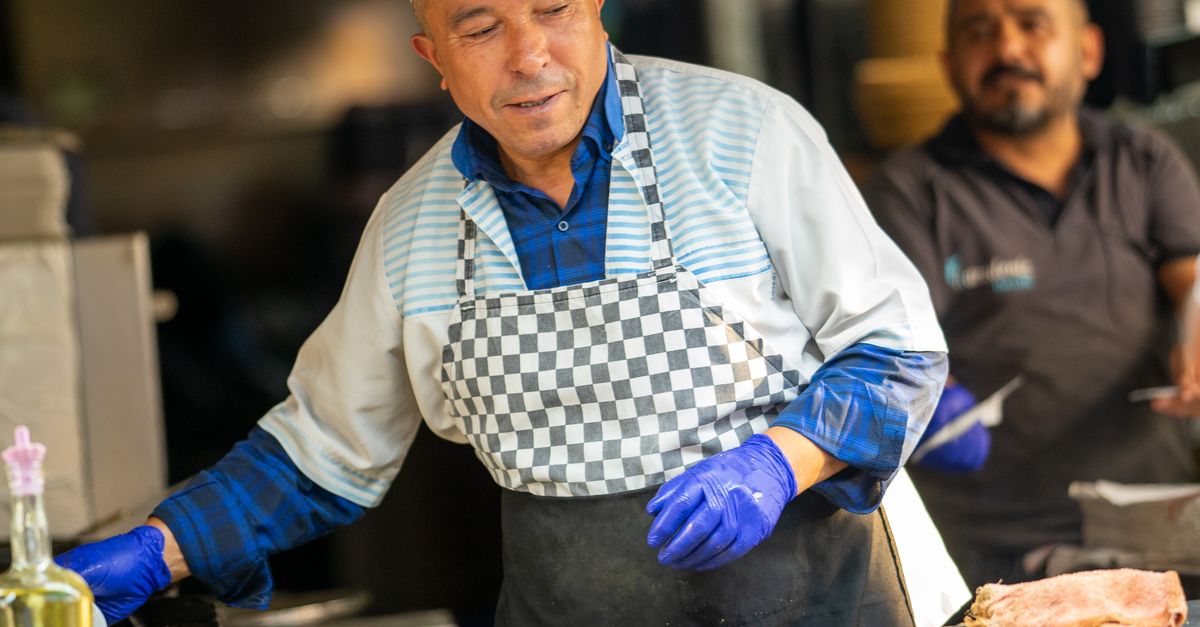
Must-Try Dishes in Casablanca
1. Tagine djaj chicken
The dish that defines Casablanca's culinary identity — the one locals argue about and visitors remember long after leaving. The best versions deliver a depth of flavor suggesting hours of preparation in each bite, with contrast between crispy and soft, rich and bright. The preparation varies from place to place, but consistency of quality across the city speaks to how seriously this dish is taken. Expect to pay MAD 45. Order this on your first day as a benchmark for every version you encounter afterward.
2. Fish chermoula
Deceptively simple. The ingredients are straightforward, but the technique to balance them perfectly is not. The best versions achieve that rare quality where every element is individually identifiable yet inseparable from the whole. Street vendors often outperform restaurants because repetition-honed skill produces consistency no recipe guarantees. Expect to pay MAD 55. Ask locals where their favorite version is served and follow their directions without hesitation.
3. Harira
Comfort food elevated to culinary art. Bold flavors without aggression, generous portions without excess. Rooted in home cooking that grandmothers perfected and street vendors democratized by making it available to anyone with a few coins and an appetite. The satisfaction is both immediate and lasting. Expect to pay MAD 12. Pairs exceptionally well with local beverages, creating a combination greater than the sum of its parts.
4. Zaalouk salad
A dish that divides first-time visitors — some love it immediately, others need a second attempt before the flavors register correctly on a palate calibrated to different cuisines. By the third bite, most are converts. The seasoning achieves an intensity that Western cooking rarely approaches, using ingredients commonplace here but exotic elsewhere. Expect to pay MAD 15. Trust the dish. It survived centuries of culinary evolution because it works.
5. Brochettes skewers
The dish you will crave three months after leaving Casablanca. It has that addictive quality — a combination of flavor, texture, and memory that lodges in your subconscious. The local version is impossible to replicate at home — the technique, heat source, and atmosphere all contribute something no kitchen can reproduce. Expect to pay MAD 30. Eat it more than once during your stay. You will be glad you did.
6. Chebakia pastry
Every family in Casablanca has their own variation. The street version tends to be more robust and unapologetically seasoned than restaurant interpretations, which are often smoothed out for broader palates. Both are valid, but the street version is the one to try first — it gives you the unfiltered flavor profile that defines the dish in its most honest form. Expect to pay MAD 10. The aroma alone is worth the trip across town.
7. Baghrir pancakes
A dish that rewards patience. The slow transformation of simple ingredients into something complex and deeply satisfying cannot be rushed. When it arrives, the color should be rich and inviting, the surface properly charred or glossed, and the aroma should make you lean in involuntarily. This is food that takes itself seriously. Expect to pay MAD 8. Order it at the most traditional-looking establishment you can find.
8. Avocado juice
What locals order when they want to treat themselves — not because it is expensive, but because it represents the pinnacle of local tradition. Requires fresh, high-quality ingredients and careful preparation. A rushed version is immediately recognizable and deeply disappointing. When made right — and in Casablanca, it usually is — it justifies an entire trip. Expect to pay MAD 15. Ask your server which version they personally prefer.
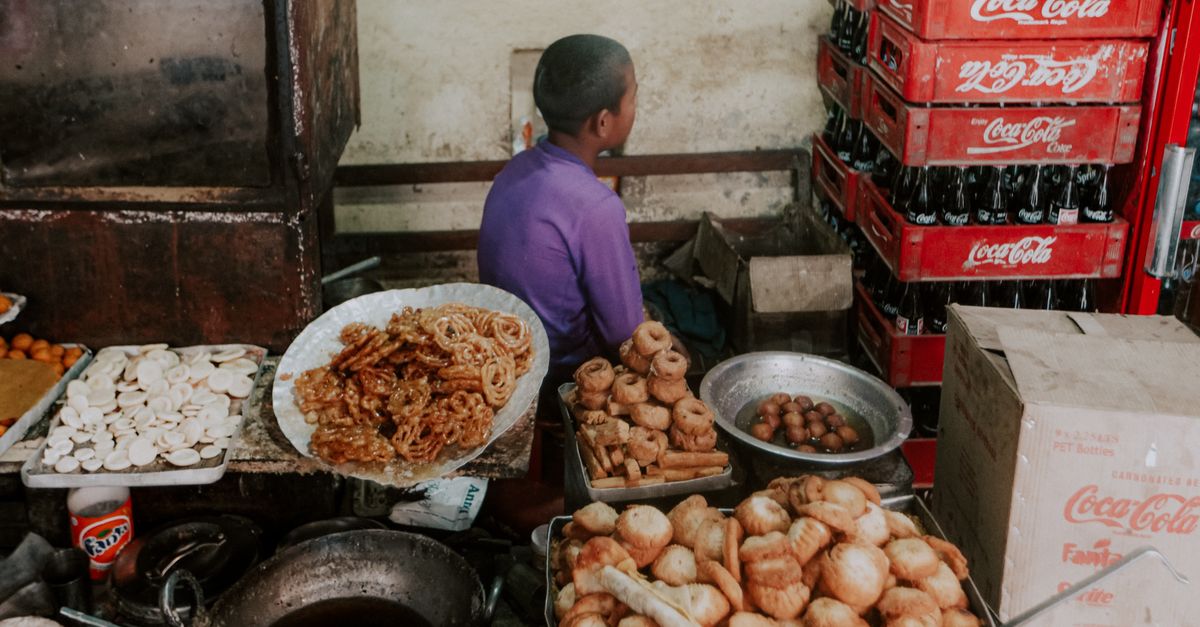
Where to Eat in Casablanca
Central Market area
Central Market area is the epicenter of Casablanca's food culture — tourists and locals overlap in productive chaos, and quality ranges from good to extraordinary. Walk the entire area before committing, and eat where the local queue is longest. Prices are fair, portions generous. Most spots open from late morning through late evening, with peak energy at lunchtime and after sunset. Come twice if your schedule allows — daytime and nighttime experiences are meaningfully different.
Habous Quarter bakeries
The food at Habous Quarter bakeries reflects Casablanca's identity in concentrated form — local flavors, traditional preparation, prices calibrated for regulars rather than one-time visitors. The best places have operated for years, sometimes decades, with menus refined through daily judgment by people who know exactly what each dish should taste like. Sit at the counter if possible — watching the preparation is half the experience, and cooks tend to be more generous with portions when they see genuine interest.
Corniche seafood restaurants
Corniche seafood restaurants represents the evolving face of Casablanca's food scene — traditional recipes alongside contemporary interpretations, veteran cooks beside young chefs, honoring the past without being imprisoned by it. The atmosphere is energetic, the crowd a mix of food-savvy locals and informed travelers. Prices are slightly higher than pure street food but quality justifies the premium. Reservations recommended for dinner at popular spots, but lunch is usually walk-in friendly.
Food Tips for Casablanca
Dietary Considerations
Vegetarian options exist throughout Casablanca, though not always labeled. Ask directly — most kitchens accommodate requests. For allergies, carry a written card in the local language stating your restrictions.
Food Safety
Eat where turnover is high, cooking is visible, and locals are eating. Cooked food from busy stalls is almost universally safe. Bottled water recommended. Raw preparations require more caution in warmer months.
Tipping & Payment
Check whether service is included at restaurants before tipping. Cash remains king at smaller establishments — carry small denominations. Credit cards work at most restaurants but rarely at market stalls.
Street Food & Markets
Casablanca's street food scene is not a curated attraction laid on for tourists — it is the city's primary food infrastructure, the way millions of people eat lunch and dinner every day. Understanding where it operates and when it peaks separates a good food day from an extraordinary one.
The beating heart of street eating is the Marché Central (Central Market) on Rue Chaouia in the Maarif district. Inside the covered market, fishmongers display the morning's Atlantic catch — sardines, sea bream, dorade, and prawns still gleaming from the water. Buy directly at the fish counter, hand your purchase to one of the adjacent grill stalls (a local, well-understood practice), and they will cook it to order with charmoula marinade for around MAD 30-50 handling fee. This is among the freshest, most affordable seafood eating on the Mediterranean coast.
Outside the market, the surrounding streets host a permanent scrum of vendors: sesame-crusted khobz bread loaves from wooden trays (MAD 2-3 each), paper cones of roasted chickpeas dusted with cumin (MAD 5), and small clay pots of bissara — thick fava bean soup drizzled with olive oil and paprika, a workman's breakfast that costs no more than MAD 8 and demands nothing more than a torn piece of bread to scoop it.
The Quartier des Habous, the 1930s neo-Moorish district near the Hassan II Mosque, operates as a more sedate afternoon and evening food market. Patisserie Bennis is the legendary stop — their honey-drenched cornes de gazelle (almond pastry crescents) and sesame briouates are sold by weight, typically MAD 80-120 per kilogram. Arrive before 6 PM for the widest selection.
For the most immersive street food experience, follow the smoke to Place Mohammed V on Friday evenings, when informal grill vendors set up with brochette skewers over charcoal. The sidewalks around Boulevard Zerktouni in the Maarif neighborhood host a dense run of sandwich carts from around 7 PM — merguez sausage in a baguette with harissa is the local quick-dinner staple at MAD 15-20.
Timing matters. Street food in Casablanca follows the prayer schedule more than the clock — the hour after maghrib (sunset prayer) is peak street food time, when the energy is highest and the food is freshest. Ramadan transforms the entire city into an open-air food festival at iftar, the meal that breaks the fast: tables spill onto the pavement, harira soup steams in enormous pots, and the generosity of the city to strangers is at its most visible.
Continuing through Morocco? Read our Fez 3-Day Itinerary for more food adventures.


