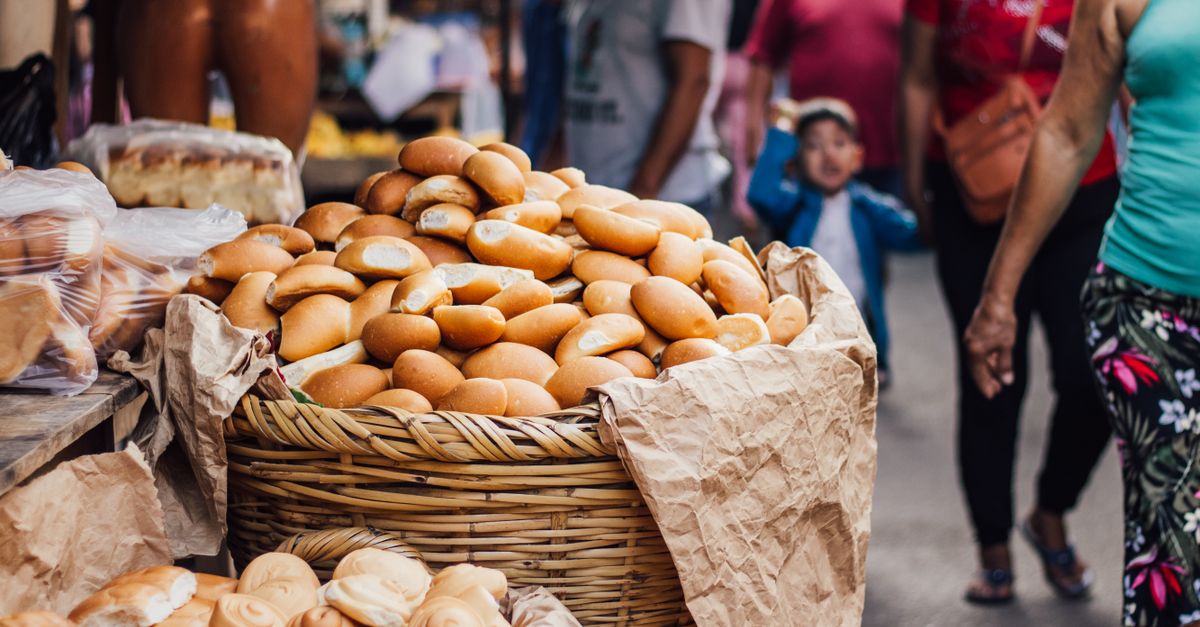
Punta Cana sells itself, with crushing efficiency, as an all-inclusive destination — and the resort marketing has been so successful that many travellers genuinely believe there is no other way to experience the eastern tip of the Dominican Republic. The truth is more interesting. Behind the wristbanded resort enclaves of Bávaro and Cap Cana sits a working Dominican town of motoconchos, comedores serving lunch for 250 DOP, public buses that crawl along the coastal road for under 100 DOP, and free public beaches with sand identical to the one inside the EUR 4,000-a-week resort next door. Travelling Punta Cana on a real budget requires you to walk away from the package-deal economics that govern most visits and learn to navigate the parallel local economy that exists right beside them. This guide breaks down the numbers, the routes, the names of cheap hotels and comedores, and the honest trade-offs of going independent in a destination engineered for the opposite.
Getting There on a Budget
The cheapest route to Punta Cana from North America is rarely a standalone flight — it is an all-inclusive package deal. This sounds counter-intuitive on a budget travel guide, but the economics are unavoidable: Punta Cana International Airport (PUJ) charges high landing fees, the route is dominated by charter operators who fill seats by selling room-and-flight bundles, and a one-week package from New York, Toronto, or Miami in shoulder season can run USD 700-900 per person including flights, transfers, all meals, and drinks. Buying the same flight alone often costs USD 450-600.

If you actually want to travel independently — to leave the resort, eat in town, take public transport — the package math still works in your favour. Book the cheapest all-inclusive you can find (Be Live Collection Punta Cana, Whala!Bávaro, and Riu Naiboa frequently appear at USD 75-95 per person per night including everything), use it as a free base, and spend your days exploring outside the resort gates. Your sunk cost is already paid. This is the worst-kept secret among repeat Dominican Republic visitors.
For pure flight searches, set price alerts on Skyscanner and Google Flights at least 8-12 weeks ahead. JetBlue, Spirit, Frontier, and Sun Country routinely offer USD 280-400 round-trip from US East Coast cities in May, June, September, and early November. Avoid Christmas/New Year (USD 700+) and Easter week. From Europe, charter operators like TUI and Condor offer Punta Cana packages from Frankfurt, Brussels, and Amsterdam at EUR 800-1,200 per person all-inclusive — significantly cheaper than booking flight and hotel separately.
From within the Dominican Republic, the cheapest arrival is by Caribe Tours or Expreso Bávaro long-distance bus from Santo Domingo (450-500 DOP, around 4 hours, departures every 1-2 hours from the Plaza Lama bus terminal). This drops you in Bávaro town centre, a 10-minute motoconcho ride from the main hotel zone. Flying into Santo Domingo (SDQ) and busing across is sometimes cheaper than flying direct to PUJ, particularly from European hubs.
Budget Accommodation
Budget accommodation in Punta Cana exists, but it is concentrated in Bávaro town rather than along the resort beach strip. The trade-off is unavoidable: cheap rooms put you 15-30 minutes from the beach by public transport or motoconcho, where the resort guests pay for direct sand-front access. Most independent travellers find this an acceptable compromise.

Hostel La Casa de Papel (Calle Salomon Sanchez, Bávaro, 850-1,200 DOP dorm bed, 2,200-2,800 DOP private double) is the closest thing Punta Cana has to a backpacker hostel. Small, family-run, with a kitchen, a shaded courtyard, and the kind of staff who will help you organise an independent trip to Saona Island for half what the resort excursion desks charge. About 2 km from Playa Bávaro — walkable in 25 minutes or 100 DOP by motoconcho.
Hotel Cortecito Inn (El Cortecito, Bávaro, 2,800-3,500 DOP double with breakfast) is a no-frills two-storey hotel in the El Cortecito beach village — the one stretch of public beach in the Bávaro hotel zone where independent restaurants and bars still operate alongside the resorts. Rooms have AC, hot water, and a pool. The location is excellent: 100 metres from the public beach, 50 metres from local restaurants charging 350-600 DOP for full meals.
Hotel Punta Cana Plaza (Av. Estados Unidos, Bávaro, 2,500-3,200 DOP double) sits in the commercial centre of Bávaro near the supermarkets and the Caribe Tours bus stop. Not glamorous but functional, with reliable AC and the cheapest sit-down breakfast in town at 180-220 DOP at the attached café.
Macao Beach Hostel (Macao Beach, 1,000-1,400 DOP dorm, 2,400 DOP private) is for travellers who want to be near a genuinely wild beach rather than the engineered resort strip. Macao is 20 km north of Bávaro, less developed, with strong surf and a small village atmosphere. The hostel runs surf lessons (1,500 DOP for two hours including board) and shared transport to the airport (600 DOP).
Apartments via Airbnb in the Los Corales and El Cortecito neighbourhoods can run 2,000-3,500 DOP per night for studios sleeping two — frequently better value than hotels for stays of 4+ nights, and they include kitchens, which transforms the food budget.
Eating Cheaply Like a Local
Dominican food is one of the great underrated Caribbean cuisines, and Punta Cana — once you leave the buffet line — has a perfectly good local food scene at prices the resort restaurants don't acknowledge exist. The key word is comedor: small, family-run lunch counters serving the standard Dominican plate (rice, beans, stewed meat, salad, sometimes plantain) for 200-350 DOP. They open at noon and close when the food runs out, usually by 3pm.

Comedor La Familia (Calle Friusa, Bávaro, lunch 250-300 DOP) is the textbook comedor — plastic chairs, a hand-written menu on the wall, and a lunch crowd of construction workers, taxi drivers, and the occasional bewildered tourist who wandered in by accident. The chivo guisado (stewed goat) on Saturdays is the dish to order. Cash only.
El Pulpo Cojo (El Cortecito, mains 400-700 DOP) sits on the beach in the public access zone of El Cortecito and serves grilled seafood at a fraction of the resort price. Pulpo a la plancha (grilled octopus) at 600 DOP, fried red snapper with rice and tostones at 550 DOP. Cold Presidente beer at 120 DOP — exactly half the resort price.
La Yola (Marina Cap Cana area) is a famous restaurant that is decisively NOT a budget option (mains 1,500-2,500 DOP), but the small cluster of fishermen's chiringuitos on Playa La Yola itself, just outside the marina, sell fresh-grilled fish with rice for 400-500 DOP to local Dominican families on weekends. Worth the motoconcho ride from Bávaro for the contrast alone.
Mofongo — the signature Dominican dish of mashed green plantain stuffed with garlic, pork crackling, or seafood — is the budget traveller's main course. Mofongo House in Los Corales serves a substantial portion for 350 DOP; the comedores along Calle Friusa serve simpler versions for 250 DOP. One mofongo is a full meal.
For breakfast, the Dominican standard is mangú — boiled green plantain mashed with onions, served with eggs, fried cheese, and salami. Most comedores serve it for 180-250 DOP; the breakfast at Hotel Punta Cana Plaza's café (220 DOP) is the cheapest sit-down version in the centre. Add a strong Dominican coffee for 50-70 DOP.
The Jumbo and Nacional supermarkets in central Bávaro sell groceries at Dominican prices (rice, beans, plantains, eggs, local cheese, beer at 80-100 DOP per bottle). For travellers in apartments with kitchens, self-catering breakfast and one main meal per day cuts the food budget to 400-600 DOP per person daily.
Free & Low-Cost Attractions
The single best thing in Punta Cana is free: the beach. Dominican law requires all beaches to be public up to the high tide line, and the resort enclosures along Bávaro are technically illegal — though enforcement is patchy and resort security will turn you away from their loungers and beach bars. The public access points are well-marked.

Playa El Cortecito is the main public beach in the Bávaro zone — a 1.5 km stretch of identical white sand and turquoise water where local Dominican families spend Sundays and the public access is unambiguous. Free. Bring your own towel and umbrella, or rent one from a vendor for 200 DOP per day.
Playa Macao, 20 km north, is a wilder, less developed beach with stronger surf and a small fishing village. Public access along its entire length. Sunday is the day to visit — Dominican families set up under the palm trees with portable speakers and rum, and the atmosphere is genuinely local. Reach by guagua for 80 DOP from Bávaro centre.
Hoyo Azul at Scape Park (Cap Cana) is a stunning natural cenote-style sinkhole filled with brilliant turquoise water. Entry is 1,800 DOP, which is not free but is significantly cheaper than the equivalent excursion sold from any resort lobby for USD 65-90 per person.
Indigenous Eyes Ecological Park (Puntacana Resort area, 1,500 DOP entry) protects 12 freshwater lagoons in jungle setting. Walk the forest trails, swim in the lagoons, see local birdlife. Half-day visit. Far cheaper than the resort excursion price.
The fishermen's beach at Cabeza de Toro (free) is where local fishermen land their catch each morning between 6am and 9am. Walk among the boats, watch the sorting and weighing, see Punta Cana as a working Caribbean fishing community. No tourist infrastructure — that's the point.
Free walking around Bávaro town centre is genuinely worth doing — the Plaza Bávaro shopping centre, the Friusa market, the working colmados (corner stores) where locals gather to drink rum and play dominoes in the evening. This is the Dominican Republic that resort-only visitors never see.
Getting Around on a Budget
Punta Cana is a sprawling area — Bávaro town, the resort strip, Cap Cana, Macao, and the airport are all separated by 5-25 km of road. Resort taxis cost USD 15-40 per ride. The local transport network costs 80-300 DOP for the same routes if you know how to use it.

The guagua — a battered minibus that runs fixed routes with frequent stops — is the backbone of local transport. Guagua Sitrabapu runs the main route from Bávaro (Friusa terminal) along the coastal road to Verón, Higüey, and Macao for 50-100 DOP per segment depending on distance. Wave them down anywhere along the route. Pay the cobrador (conductor) when he comes through the bus.
The motoconcho — motorcycle taxi — handles short hops where the guagua doesn't reach. Rates are negotiable but standard: 50-80 DOP for trips within Bávaro town, 150-200 DOP from town to the El Cortecito beach, 300-400 DOP from town to the resort zone. Always agree the price before getting on. No helmets are provided. Solo female travellers may prefer to use Uber or local apps.
Uber operates in Punta Cana with reasonable coverage in Bávaro and the resort zone. Rates are 200-500 DOP for typical Bávaro-area trips — significantly cheaper than resort taxis but more expensive than guaguas. The drivers are vetted, the fare is fixed in the app, and it solves the language barrier. Best for evening trips and airport transfers.
For the airport, the Sitrabapu shared van from Bávaro centre costs 250-300 DOP and runs every 30 minutes during daylight. The same trip in an Uber costs 700-900 DOP; in a resort taxi, USD 25-35.
Money-Saving Tips
1. Use ATMs, not currency exchanges. Banco Popular and Banco BHD ATMs in Bávaro dispense Dominican Pesos at the official rate with a fee of around 250 DOP per withdrawal. The currency exchange counters at the airport and in resort lobbies offer rates 8-12% worse than the bank rate. Withdraw 10,000-15,000 DOP at a time to minimise fee impact.
2. Pay in pesos, not dollars. Many businesses in tourist zones accept USD but quote conversion rates that are 5-10% worse than market. Always ask for the price in pesos and pay in the local currency. The exception is the all-inclusive resort itself, where USD pricing is genuinely standard.
3. Buy the local SIM at PUJ. Claro and Altice both have desks in the arrivals hall selling 30-day tourist SIMs with 15-25 GB of data for 800-1,500 DOP. Roaming on a US or European plan in the Dominican Republic costs 5-10x more. The SIM enables Uber, Google Maps, and translation apps that materially affect your daily costs.
4. Travel in shoulder season. May, June, September, and early November have the same beaches and weather (with elevated hurricane risk in September) as peak season at 30-40% lower hotel and flight prices. Avoid the Christmas-New Year window and Easter week, when prices double.
5. Skip the resort excursion desk. Every excursion sold at a resort lobby — Saona Island, Hoyo Azul, catamaran cruises, dune buggy tours — has a local equivalent at 40-60% of the price, bookable through your hostel, your hotel reception, or directly with the operators in El Cortecito and Cap Cana. Ask other travellers for recommendations rather than walking up to the desk.
6. Eat your main meal at lunch. Comedores serve their full menu at lunchtime for 250-350 DOP; the same dishes at dinner cost 400-600 DOP at the seafront restaurants. Eat your big meal between 12pm and 2pm and have a lighter, cheaper supper later.
7. Tip in cash, in pesos, modestly. The Dominican tipping culture is much lighter than the US — 10% on restaurant bills (often already included as servicio), 50-100 DOP for hotel housekeeping per night, 100 DOP for the motoconcho driver who got you home in the rain. Over-tipping by US standards inflates expectations across the local economy and isn't necessary.


