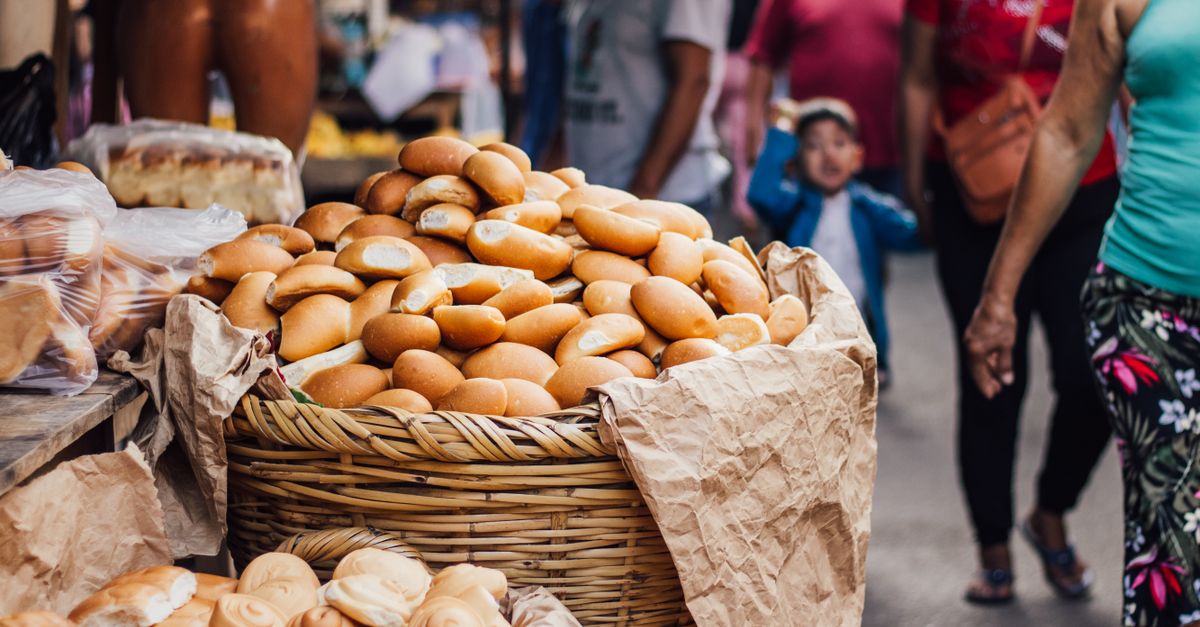
Punta Cana has a reputation problem. Mention the name and most travellers picture hermetically sealed all-inclusive resorts, swim-up bars, and a beach experience engineered to feel like nowhere in particular. That reputation is not entirely unearned — the resort strip along Bávaro Beach is indeed a masterpiece of constructed leisure — but it misrepresents what exists just beyond the perimeter walls.
The Dominican Republic's easternmost tip is home to fishing villages that predate the resort era by centuries, freshwater lagoons fringed with native palms, indigenous Taino heritage sites, and a local food culture built on sancocho, mangú, and fresh-caught dorado that bears absolutely no resemblance to the buffet lines inside the all-inclusives. Getting there requires nothing more than a rented scooter, a local driver, or a willingness to walk past the hotel gate.
The Dominican peso (DOP) makes almost everything outside the resort zone astonishingly affordable for dollar or euro holders. A lunch that costs $30 USD inside a resort costs $5 in the village behind it. That contrast alone is reason enough to step outside.

1. Playa El Cortecito Fishing Village
Just 2 kilometres north of the main Bávaro resort strip lies Playa El Cortecito — a working fishing village that somehow survived the resort development of the 1990s and 2000s with its character largely intact. Small wooden houses line unpaved streets, fishing boats are beached above the tide line between dawn runs, and a string of informal beach restaurants (chiringuitos) serve the freshest fish in the region at a fraction of resort prices.
El Cortecito developed a modest independent traveller infrastructure in the late 1990s, with small hotels, Dominican-owned restaurants, and informal souvenir markets. The market on the main beach path sells Haiti-made wooden sculptures, Dominican amber jewellery, and larimar stones — the distinctive blue mineral found only in the Dominican Republic. Quality varies enormously; take time to examine pieces carefully.
From the resort zone, take a motoconchos (motorcycle taxi) for DOP 100–150 (~$2 USD) or walk along the beach at low tide in about 30 minutes. The village is accessible 24 hours; the fishing boats typically leave around 4 a.m. and return by 10 a.m. Eating at the chiringuitos on the beach costs DOP 400–600 ($7–10 USD) for a full grilled fish lunch with rice and salad. Far better than anything inside the resorts.
The village has a slightly hustler atmosphere near the market — jewellery sellers and tour touts can be persistent — but the beach itself is mellow and beautiful, and the restaurant end of the village is genuinely relaxed. Go early morning or late afternoon for the best light and the quietest atmosphere. Several informal dive operators in El Cortecito offer reef dives for around $50 USD, half the price of resort dive shops.
2. Laguna Bavaro Mangrove Kayak
Behind the resort strip, separated from the Caribbean by only a few hundred metres of palm forest, lies Laguna Bavaro — a brackish lagoon fringed with red mangroves that almost nobody visiting Punta Cana ever sees. The lagoon is a critical nursery habitat for the fish species that sustain the local fishing economy, and a bird-watching destination of surprising quality: roseate spoonbills, great blue herons, frigate birds, and the endemic Hispaniolan lizard-cuckoo are all regular visitors.
A small community-based operator called Bavaro Adventures runs kayak tours through the mangrove channels from a launch point near the Bavaro lagoon edge. The tours take 2 hours, navigate through tunnel-like mangrove passages, and include a stop on a small sandbank in the middle of the lagoon where the guide explains the ecology of the mangrove system. The operation is genuinely low-impact and community-owned.
Tours cost approximately $35 USD per person and run daily at 8 a.m. and 3 p.m. Book by WhatsApp or through the tour desk at any of the smaller independent hotels in El Cortecito. Transport from the resort zone is included in the price. Bring insect repellent — the mangrove edge at dusk is enthusiastically mosquito-rich.
The lagoon at dawn is particularly magical: flat water reflecting the sky, birds calling from the mangroves, and the sound of the resort zone entirely absent. The kayak tour is the single most ecologically authentic experience available in Punta Cana and a valuable antidote to the artificial leisure of the all-inclusives. Minimum age is 8 years; no kayaking experience required.
3. Indigenous Eyes Ecological Park
Hidden within the grounds of the Puntacana Resort & Club estate — but accessible independently — is a 1,500-acre private ecological reserve containing 12 freshwater lagoons fed by underground streams from the island's limestone karst system. The Ojos Indígenas (Indigenous Eyes) park is named for the way the lagoons — circular, deep, and impossibly blue-green — look like enormous eyes staring up at the sky from the forest floor.
The lagoons are sacred in Taino mythology (the Taino were the pre-Columbian inhabitants of Hispaniola, largely exterminated within a century of Spanish arrival) and contain endemic freshwater fish and plant species found nowhere else. The park maintains trails through original lowland forest with interpretive signage covering Taino cosmology, Caribbean ecology, and the estate's conservation programme.
Day visitors can access the park independently for $15 USD per person; guided ecology tours are $35 and recommended for the depth of natural history information. The park is signposted from the main Puntacana Resort entrance gate on the highway between Higüey and Cap Cana. Transport from Bávaro costs around $15 USD by taxi. Open daily from 8 a.m. to 5 p.m.
Swimming is permitted in some of the lagoons (those designated for bathing are clearly marked). The water temperature is a constant 26°C year-round and the visibility is exceptional — you can see the sandy bottom 6–8 metres below. Bring your own snorkelling gear if you want to explore underwater; rental is not available in the park. The orchid garden on the walking trail adds colour between the forest and lagoon sections.
4. Higüey and the Basílica de la Altagracia
Thirty kilometres west of the resort zone lies Higüey — a real Dominican city of 200,000 people with a functioning market, a chaotic town square, and one of the Caribbean's most important religious sites: the Basílica Nuestra Señora de la Altagracia, completed in 1971 and designed by French architects Frenchman André Jacques Dunoyer de Segonzac. The building is extraordinary: two enormous concrete parabolic arches soaring 80 metres into the sky, with a mosaic-covered interior that glows with amber and gold light filtered through stained glass.
The Basílica houses a 16th-century painting of the Virgin of Altagracia, patron saint of the Dominican Republic, and attracts hundreds of thousands of pilgrims annually — particularly on January 21, the feast day, when the surrounding streets fill with Dominicans from across the island. It is one of the most significant pilgrimage sites in the Caribbean and virtually unknown to the resort tourists 30 kilometres away.
Guaguas (minibuses) run from the Bávaro bus terminal to Higüey every 30 minutes from 6 a.m. for DOP 80 ($1.50 USD). The journey takes about 45 minutes. Taxis cost around $20 USD one-way. The market around the Basílica sells religious items, fresh produce, and excellent street food — try chicharrón de pollo (crispy fried chicken), mangú con los tres golpes, and fresh fruit. Budget DOP 300–500 for a full market lunch.
The Basílica interior is free to enter and is open daily from 6 a.m. to 8 p.m. Photography is permitted outside of Mass. The town around the church is a genuine slice of Dominican life — busy, loud, colourful, and utterly unlike the sanitised resort experience. Dress modestly (covered shoulders and knees) for entry to the church.
5. Playa Macao Surf Break
Playa Macao is Punta Cana's worst-kept secret among surfers and its best-kept secret among resort tourists — a broad, wild beach 25 kilometres north of Bávaro where Atlantic swells arrive uninterrupted to produce waves of genuine quality. The Dominican surf scene is small but passionate, and Macao attracts the island's best local surfers alongside a steady trickle of wave-seeking travellers who have done enough research to find it.
Unlike the calm, reef-protected waters of Bávaro, Macao faces directly north into the Atlantic with no offshore reef to tame the swell. The beach break produces powerful beach-break waves that can reach 2–3 metres during winter swells (November–March) and maintain reliable smaller surf through the summer. A local surf school, Dominican Surf School, operates from a wooden shack at the beach's southern end and offers lessons for $45 USD including board rental.
The beach itself is magnificent — wide, coconut-fringed, and almost entirely undeveloped apart from a handful of simple beach bars selling cold Presidente beer and grilled fish. The contrast with Bávaro, 25 km south, is striking: same island, same ocean, entirely different atmosphere. Motoconchos from Bávaro reach Macao for around DOP 200 (~$3.50 USD), or rent a scooter independently.
Non-surfers will find Macao excellent for swimming at the northern end where the swell is smaller and the water is shallow over a sandy bottom. The beach is popular with Dominican families on weekends and nearly empty on weekdays. Bring everything you need — snacks, water, sunscreen — as facilities are minimal. The beach bars sell cold drinks and simple food from about 9 a.m. to sunset.
6. Cap Cana's Secret Marina
Cap Cana is Punta Cana's luxury development to the south — a walled community of multi-million-dollar villas, golf courses, and a marina. Most of it is inaccessible without a guest pass, but the marina itself is open to the public and worth visiting for the fishing culture it preserves alongside the superyachts. Cap Cana Marina is one of the Caribbean's premier sport fishing bases, and most mornings between 6 and 8 a.m. the dock is a theatre of activity as boats depart for marlin, wahoo, and dorado grounds offshore.
The Dominican Republic's Atlantic waters are among the world's most productive deep-sea fishing grounds, and Cap Cana sits at the edge of a submarine canyon that drops from 18 metres to 1,000 metres within 3 kilometres of shore — an underwater cliff that concentrates bait fish and the pelagic species that hunt them. Full-day sport fishing charters from the marina cost $600–900 USD for up to 6 people and include all equipment, bait, ice, and an experienced captain.
The marina's restaurants — including the excellent Caña Bar & Grill — are open to non-guests and serve the best contemporary Dominican-international fusion food in the Punta Cana area. A dinner of fresh-caught mahi-mahi with tostones and green sauce costs around $25 USD. The marina boardwalk is free to walk and the evening light on the moored yachts is genuinely beautiful.
Cap Cana is 15 km south of Bávaro. Taxis from the resort zone cost $15–20 USD. The marina gate is open to pedestrians throughout the day; vehicles need a pass. The adjacent Scape Park (a private nature and adventure park within Cap Cana) charges $120 USD for a full-day pass covering zip lines, cenotes, and a zipline over the sea cliffs — expensive, but the facilities are among the best-maintained in the Caribbean.
7. Boca de Yuma Fishing Village
An hour's drive south of Punta Cana along the coastal highway, the village of Boca de Yuma sits at the mouth of the Yuma river where it meets the Caribbean. This is one of the oldest inhabited settlements in the Dominican Republic — the Spanish explorer Juan Ponce de León sailed from here to discover Puerto Rico in 1508 — and it remains a working fishing village of perhaps 2,000 people where life proceeds by the rhythm of tides rather than resort schedules.
The village's fishing fleet targets spiny lobster, conch, and reef fish using traditional Dominican techniques. The catch comes directly to a handful of seafront restaurants that serve it grilled, fried, or in creole sauce with coconut rice and red beans. A lobster lunch — genuine Caribbean spiny lobster, not the frozen imported variety — costs DOP 800–1,200 ($14–21 USD) and is among the most extraordinary seafood meals in the Caribbean.
Boca de Yuma requires a rental car or organised day trip to reach — there is no direct public transport from Punta Cana. The drive along the coastal highway passes through small Dominican villages, cane fields, and the eastern edge of Parque Nacional del Este, a protected area of dry tropical forest and offshore reef. Tours from Punta Cana cost around $80 USD per person including lunch and a boat trip to the adjacent marine reserve.
The adjacent Cueva de Berna is a cave system with Taino petroglyphs — faint but genuine pre-Columbian rock art etched into the limestone walls. Entry is free; find the cave caretaker in the village to get access. The cave is a 10-minute walk from the main village square. Bring a torch and respectful silence — the petroglyphs are fragile and irreplaceable.
8. Punta Cana's Cocoa Farm Tours
Within 30 minutes of the resort zone, a number of small family cacao farms offer tours that show visitors the full journey from cacao pod to chocolate. The Dominican Republic is one of the world's leading producers of organic cacao — particularly the fine-flavour Hispaniolan variety prized by European chocolatiers — and these farms represent a genuinely different economic ecosystem from the resort industry that surrounds them.
The tours at Rancho Típico, a family farm near the community of Verón, take 90 minutes and walk visitors through the farm's cacao, coffee, and tropical fruit cultivation. The guide explains fermentation, sun-drying, and roasting processes while offering tastings at each stage. The final demonstration — tempering fresh cacao paste into chocolate — produces samples of extraordinary quality that visitors can purchase at farm-direct prices.
Tours cost approximately $25 USD per person including all tastings and transport from the resort zone. Book through the Verón community tourism cooperative or ask at any independent hotel in El Cortecito. The farm visit can be combined with a Dominican cooking class for an additional $15 — the class covers mangú, la bandera (the national dish of rice, beans, and meat), and fresh coconut cake.
The farm is a working agricultural operation rather than a tourist attraction — which is precisely what makes it interesting. The cacao trees, with their spectacular purple-and-yellow pods growing directly from the trunk and branches, are unlike anything most visitors have seen before. The guide's explanation of how Dominican organic cacao commands premium prices in Swiss and Belgian markets while Dominican chocolate consumers mostly buy imported industrially-produced bars is one of the tour's most thought-provoking moments.

9. Altos de Chavón Artist Village
Two hours west of Punta Cana near the city of La Romana lies one of the Caribbean's most surreal and beautiful places: Altos de Chavón, a recreation of a 16th-century Mediterranean village built on a clifftop above the Chavón River in the 1970s by Italian cinematographer Roberto Copa for the Gulf + Western corporation. The village is impeccably constructed in hand-cut coral stone, with cobblestone streets, a Roman-style 5,000-seat amphitheatre, an archaeology museum dedicated to the Taino people, and a functioning art school affiliated with the Parsons School of Design.
Altos de Chavón is one of those places that should be kitsch but somehow isn't — the scale, the craftsmanship, and the dramatic clifftop setting make it genuinely impressive. The amphitheatre has hosted Frank Sinatra, Julio Iglesias, and Gloria Estefan. The archaeology museum contains the Caribbean's most significant collection of Taino artefacts, including carved zemís (spiritual figures), carved wooden furniture, and the everyday objects of a civilisation that was almost entirely destroyed within 50 years of European contact.
Altos de Chavón is accessible from Punta Cana by rental car (2 hours via Autovía del Este) or organised tour ($65–80 USD per person including transport and museum entry). The village charges a $25 USD admission fee for non-hotel guests; the museum alone is worth that price. The craft shops in the village are tourist-oriented but high quality — look for Dominican larimar and amber jewellery at several of the studios.
The clifftop view over the Chavón River gorge is one of the Dominican Republic's great scenic moments — particularly at sunset when the light turns the coral stone golden and the river 50 metres below reflects the sky. Combine with lunch at one of the village restaurants (La Piazzetta for Italian, Café del Sol for Dominican-inspired cuisine) for a full half-day excursion that feels entirely removed from the resort experience.
10. Rum Tasting at Ron Barceló Estate
The Dominican Republic is one of the world's great rum-producing nations, and Ron Barceló — founded in 1930 — is the island's most prestigious aged-rum brand. The company's estate outside San Pedro de Macorís, 90 minutes from Punta Cana, offers tours that explain the distinctive Dominican production method: continuous distillation, ageing in American white oak barrels, and the solera blending system borrowed from Spanish sherry production that gives Barceló's aged rums their extraordinary complexity.
The estate tour takes 2 hours and includes the distillery, the ageing warehouses (where the smell of evaporating rum — the "angels' share" — creates an atmosphere of extraordinary sensory richness), and a comparative tasting of five expressions ranging from the entry-level Añejo to the 30-year-old Imperial Premium. The 15- and 25-year aged rums are widely regarded as among the finest sipping rums in the world.
Tours cost approximately $45 USD per person and require advance booking through the company's website. Transport from Punta Cana can be arranged for an additional $20 per person in shared minibus. The estate gift shop sells expressions unavailable outside the Dominican Republic, including small-batch single-barrel releases at prices far below their equivalent abroad.
Dominican rum culture extends well beyond Barceló — the country also produces Brugal (the island's highest-volume producer), Bermúdez, and dozens of smaller artisanal operations. The rum tasting at Barceló pairs the historical and technical explanation with enough sampling to constitute a serious education in Caribbean distillation. Designated driver essential; the shuttle tour option exists for a reason.