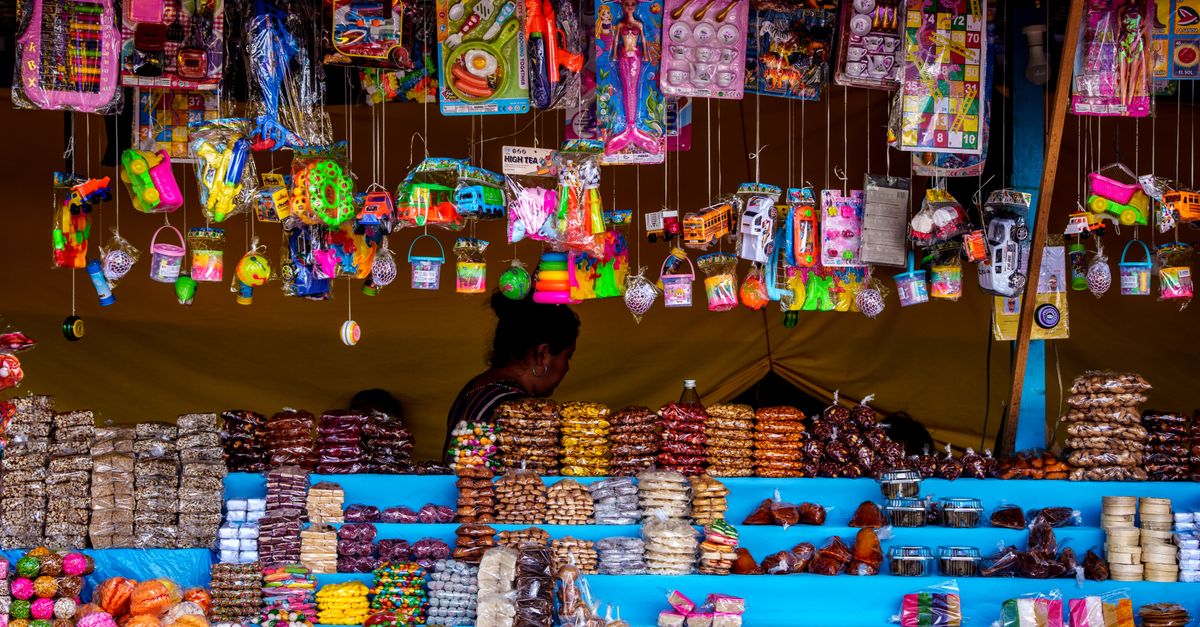
Playa del Carmen's tourist infrastructure is so thoroughly developed along the 5th Avenue pedestrian strip that most visitors spend their entire stay within 200 meters of it — eating at restaurants where the menus have pictures, drinking overpriced margaritas, and shopping at boutiques selling the same items available in every other Riviera Maya town. This is a shame, because within and around Playa del Carmen there are cenotes (freshwater sinkholes) of extraordinary beauty that charge a fraction of the famous ones, a local food scene along the Avenida Juárez corridor that serves the actual population of the city, colonial fishing villages nearby, and Mayan ruins that are genuinely significant and visited by almost nobody compared to Tulum and Chichén Itzá.
This guide is for travelers who want to understand Playa del Carmen as a place rather than a beach resort with 5th Avenue attached. The city has a real population — over 300,000 people who are not tourists — and the parts of the city they inhabit are far more interesting than the tourist strip. Additionally, the Riviera Maya's cenote system and natural landscape are world-class, and much of the best of it is accessible without tours or expensive admissions if you know where to look.
Getting around: 5th Avenue is walkable. Beyond it, colectivos (shared vans running fixed routes) cost MXN 15–25 per ride and go everywhere locals go. Playa's colectivo to Tulum (MXN 50–70) is faster than most organized tours and costs 80% less. Rent a bike (MXN 100–150/day) for exploring the neighborhoods behind the tourist strip. Budget in Mexican pesos — USD exchanges at roughly MXN 17–18 per dollar.
1. Cenote Cristalino and Jardin del Eden (DIY)
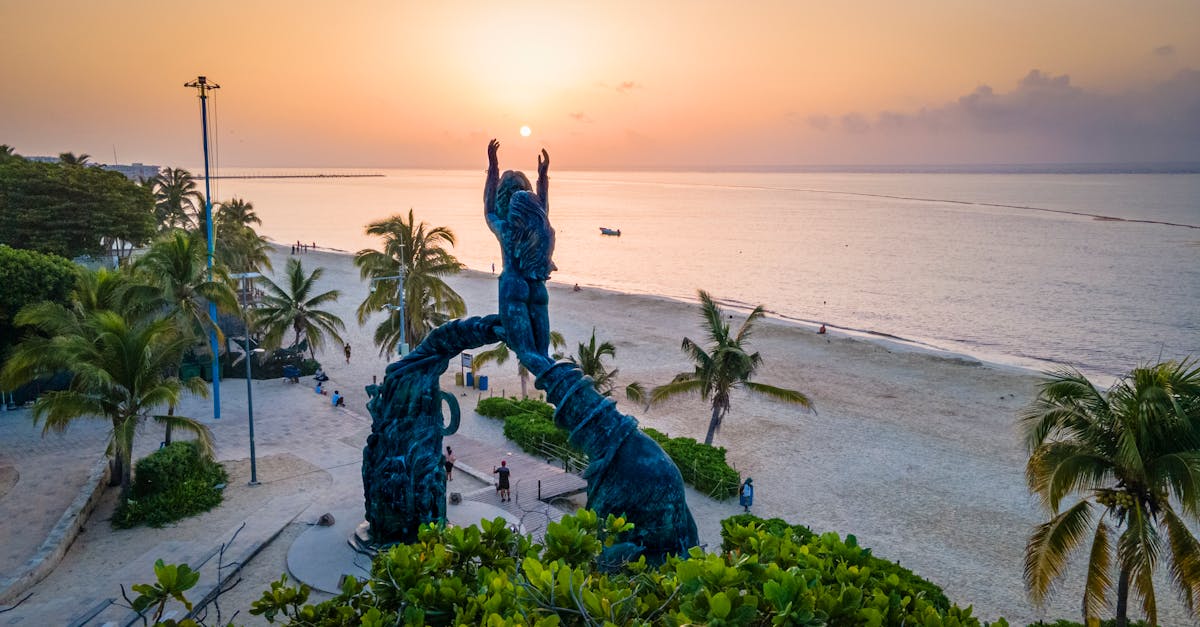
Between Playa del Carmen and Tulum on the coastal highway, a series of cenotes are accessible directly without tour packages: Cenote Cristalino (also called Cenote Azul or Cenote Jardin del Eden — they are adjacent properties on the same road) charge MXN 80–150 per person for direct entry. Cristalino has crystal-clear water, a shallow entry area, and a spectacular cliff-jumping platform at 5 meters that locals use constantly. Jardin del Eden is larger, deeper, and more jungle-surrounded, with snorkeling in water clear enough to see 15 meters. Both are on the west side of Highway 307 between the Xpu-Ha turnoff and Akumal — visible from the highway, reachable by colectivo and a walk.
The Yucatán Peninsula sits on porous limestone karst, and the cenote system is the largest underwater cave system in the world — connecting thousands of kilometers of flooded limestone tunnels beneath the jungle floor. Surface cenotes like Cristalino and Jardin del Eden are windows into this system; the clarity of the water reflects the limestone filtration of the groundwater feeding them.
Take the colectivo south from Playa's colectivo terminal on Avenida Juárez (every 15 minutes, MXN 50–70 to the cenote area) and ask the driver to stop at the cenote signs on Highway 307. The cenotes are 45 minutes south of Playa. Swimming ability is sufficient; no diving certification needed. Bring your own snorkel gear (rental available at cenotes, MXN 50–80) and sun protection.
Entry: MXN 80–150 per person at each cenote. Snorkel rental: MXN 50–80. Colectivo: MXN 50–70 each way. Budget MXN 300–450 for a full cenote day including transport and entry. Life jackets are provided free at both cenotes. Saturday and Sunday visit are significantly more crowded than weekday visits.
2. Avenida Juárez's Local Food Scene
Avenida Juárez — the main east-west street running from the Highway 307 bus terminal toward the beach — is Playa del Carmen's actual commercial spine, serving the local population with a food and commerce infrastructure that has nothing to do with 5th Avenue's tourist prices. The taco stands, fondas (small local restaurants), pharmacies, hardware stores, and juice bars on Juárez provide the city's working-class food economy. El Fogón, a half-block north of Juárez on Calle 6, has been serving excellent al pastor tacos cooked on a vertical spit for 25 years and is consistently mentioned as the city's best taco stand. Tacos here cost MXN 20–30 each; across the avenue at tourist-facing 5th Avenue equivalents, the same taco costs MXN 60–80.
The price differential between the Juárez corridor and 5th Avenue for equivalent food quality is approximately 3–4x. This is not because the food on 5th Avenue is better — it is often worse — but because the tourist market will pay MXN 80 for what the local market demands MXN 25 for. Eating on Juárez is not merely budget travel; it's access to the real food of the city.
Walk west from the 5th Avenue intersection with Juárez, toward the colectivo terminal. The food stands concentrate in the first 5 blocks on both sides of the street. El Fogón is at Calle 6 Norte between Juárez and Calle 2 — look for the al pastor spit visible from the street.
Tacos: MXN 20–30 each. A complete taco dinner: MXN 80–150 for three or four tacos with drinks. Fresh juice at the mercado juice bars: MXN 30–50. Budget MXN 150–250 for a full Juárez corridor food tour covering three or four stops.
3. Xcacel Beach and Sea Turtle Nesting
Xcacel-Xcacelito, a national turtle reserve 25 kilometers south of Playa on Highway 307, is one of the most important sea turtle nesting beaches in the Caribbean — hundreds of loggerhead and green turtles nest here from May through October. The beach is protected federal land with no commercial development (despite decades of developer pressure): no hotels, no beach clubs, no vendors. Entry is free. A cenote at the beach's northern end connects to the sea through underground channels, creating an unusual brackish swimming environment with sea turtles sometimes visible inside. This beach is what the Riviera Maya looked like before the resort development began.
Xcacel's protection has been the subject of an ongoing legal and political battle between conservation organizations and developers who have repeatedly attempted to build on or adjacent to the reserve. The community of scientists and activists who have defended it have preserved one of the Caribbean's most important wildlife corridors. Visiting and leaving only footprints is a form of advocacy for its continued protection.
Colectivo south from Playa to the Xcacel sign on Highway 307 (MXN 50–70, 30 minutes). A dirt road leads to the beach parking area (free). The reserve is open daily 8am–5pm. Turtle watching (organized by the reserve's biologists) is possible May–October — ask at the entrance for availability. No charge for the beach or turtle observation.
Free entry. Colectivo: MXN 50–70 each way. Bring water and food — no facilities beyond a basic toilet at the entrance. The cenote at the north end of the beach charges MXN 50–100 for entry. This is one of the best free nature experiences available within day-trip range of Playa del Carmen.
4. Cobá Ruins: Climbable Pyramid
Cobá, a Mayan archaeological site 42 kilometers inland from Tulum, has been systematically deprioritized by tourism infrastructure in favor of Tulum (scenic coastal cliffs) and Chichén Itzá (fame). What Cobá has that neither of the others does: the Nohoch Mul pyramid, 42 meters high, is one of the tallest Mayan structures in the Yucatán and is still climbable (a rope assists the steep angle, and the views from the summit extend over 100 kilometers of jungle in every direction). The site itself is large enough that renting a bicycle at the entrance and cycling between the scattered structures through jungle is a genuinely archaeological experience rather than a crowd-management exercise.
Cobá's pyramid climbing permission is perpetually contested — conservation organizations argue for closing the climb as at Chichén Itzá. As of 2025, climbing is still permitted; this may change. Check current status before visiting. The size of the site (50+ structures over a 70-square-kilometer area) means that the majority of Cobá's archaeology remains unexcavated — the jungle between the cleared structures contains mounds that are recognizable as buildings to anyone paying attention.
Colectivo from Playa's ADO terminal or from Tulum toward Cobá (approximately MXN 80–100 from Playa, 1.5 hours). Entry to the archaeological site: MXN 85 (INAH fee). Bicycle rental at the site entrance: MXN 70–100 for the duration of your visit. Arrive at 8am opening to beat tour groups that arrive from 10am onward.
Entry: MXN 85. Bicycle: MXN 70–100. Total day trip budget: MXN 350–500 including colectivo transport and site expenses. Bring 2 liters of water per person minimum — the jungle humidity is intense and the site has limited shade between structures. The small community at the Cobá lake nearby has excellent cheap restaurants (MXN 80–120 for a complete meal).
5. Xpu-Ha Beach's Free Public Access
Xpu-Ha is a beach 20 kilometers south of Playa del Carmen that is significantly more beautiful than the beach in Playa itself — wider, quieter, with clearer water and better swimming — and has a free public access point on the highway (a dirt road leading to a public parking area, from which the beach is a 5-minute walk). The majority of the beach is occupied by three resort hotels and one beach club, but the public section at the north end is uncrowded on weekdays and provides the kind of Caribbean beach that visitors come to the Riviera Maya to find. A small restaurant at the beach's public end serves cold beer and fried fish at local prices.
Xpu-Ha's relatively quiet status reflects its position between the major tourist nodes of Playa del Carmen to the north and Akumal to the south — it falls into a gap in the resort development pattern that has kept it slightly less commercialized than the beaches at either end of the Riviera Maya strip.
Colectivo south from Playa to the Xpu-Ha sign on Highway 307 (MXN 25–35, 15 minutes). Walk 5 minutes down the dirt road to the public beach. The colectivo driver will drop you at the exact road junction if you ask in advance.
Free entry to public beach. Restaurant: MXN 80–150 for beer and fried fish. Bring snorkel gear — the water is clear and shallow for the first 50 meters. Budget MXN 200–350 for a half-day beach trip including transport, food, and drinks. Best on weekday mornings before the beach club boats arrive.
6. Akumal's Free Turtle Snorkeling
Akumal Bay, 30 kilometers south of Playa del Carmen, has been famous for snorkeling with sea turtles since the 1980s — green and loggerhead turtles feed on the sea grass in the bay's shallow areas year-round. The organized tour industry has captured most of the market, but there is still free public beach access at Akumal via the public entry on the main highway (turn east at the Akumal signs, walk past the hotel area to the public beach zone). Snorkel gear rental on the beach costs MXN 100–150. The turtles are present most mornings; arrival before 9am provides the best sightings before the organized snorkel groups arrive in larger numbers.
Akumal's turtle population has been studied continuously for decades and is one of the best-monitored sea turtle populations in the Caribbean. The feeding behavior in the bay's sea grass beds is part of the life cycle that connects to the nesting beaches at Xcacel nearby — the same animals snorkelers see feeding here may have nested (or will nest) at Xcacel.
Colectivo south from Playa (MXN 30–40, 20 minutes) to the Akumal junction. Walk 5–10 minutes to the bay. Public beach access is via the road leading to Half Moon Bay — enter from the street rather than through any hotel or tour operator's facilities. Snorkel gear rental on the beach: MXN 100–150.
Beach entry: free (public right-of-way). Gear rental: MXN 100–150. Budget MXN 300–450 for the full Akumal experience including transport and gear. The turtles are more active in morning light (8–11am); later in the day the organized tour groups create more water disturbance. Maintain 2-meter distance from turtles — approaching closer is harmful and illegal.
7. Punta Allen's Sian Ka'an Fishing Village
Punta Allen, a small lobster-fishing village at the tip of a 50-kilometer peninsula at the southern edge of the Sian Ka'an Biosphere Reserve, is the most genuinely remote accessible destination in the Riviera Maya — 60 kilometers of dirt road from the Tulum junction, through mangroves, Caribbean lagoons, and protected jungle. The village of 400 people maintains its economy through fly-fishing tourism, lobster fishing, and basic ecotourism. Staying one or two nights and hiring a local fisherman as a guide for snorkeling the pristine coral reef or fly-fishing the flats is the most genuine nature experience available in the Yucatán for visitors without serious wilderness expertise.
Sian Ka'an (Mayan for "origin of the sky") is UNESCO World Heritage Site — 528,000 hectares of tropical forest, wetlands, and marine habitat protecting the second-largest barrier reef in the world. The decision to designate Sian Ka'an rather than develop it (as most of the Riviera Maya coast was developed) was one of the most significant conservation decisions in Mexican history.
Drive a 4WD vehicle (strongly recommended) or take the Punta Allen community transport from Tulum (runs twice daily, MXN 200–300 each way, 2–3 hours). Community lodges in the village charge USD 40–80/night including meals. The village has no ATM and limited cellular service — bring cash and download offline maps before leaving Tulum.
Transport: MXN 200–300 each way. Lodging: USD 40–80/night with meals. Guided fishing or snorkeling: USD 60–120/half-day. Budget USD 200–350 per person for a two-night Punta Allen experience — this is the Riviera Maya that no resort tour operator can provide.
8. La Quinta Real: Behind the Tourist Strip
Playa del Carmen's residential neighborhoods — behind the tourist zone and between Avenida Juárez and the southern residential areas — have a genuine street culture that visitors on 5th Avenue never access. La Quinta Real is the informal name for the area around 30th Avenue and the surrounding streets, where independently-owned restaurants, family-run breakfast spots, and tianguis (informal markets) operate for Playa's actual working and middle-class population. The Mercado Municipal (market building off Constituyentes Avenue) is the local version of food shopping — fresh produce, butcher stalls, and prepared food at prices reflecting local demand rather than tourist markup.
Playa del Carmen's population has grown from 3,000 in 1984 to over 300,000 today, driven by resort economy employment. The people who staff the hotels, restaurants, and shops of 5th Avenue live in these neighborhoods, and their food culture is the honest expression of what regional Mexican cooking looks like when it's made for people who actually eat it daily.
Walk west from 5th Avenue on any street between 10th and 40th Streets, away from the beach and tourist zone. The neighborhood texture changes within two or three blocks. The Mercado Municipal is on Constituyentes Avenue at 25th Avenue — a 10-minute walk from 5th Avenue.
Budget MXN 60–150 for a complete market breakfast or lunch: fresh tortillas, frijoles, eggs, and a guava agua fresca from the market stalls. This is approximately 30% of the equivalent 5th Avenue cost for meaningfully better quality and cultural authenticity.

9. Puerto Morelos: The Preserved Fishing Town
Puerto Morelos, 30 kilometers north of Playa del Carmen, is the village that Playa del Carmen was before the resort development — a genuine fishing community centered on a small plaza and a crooked lighthouse tilted by hurricanes. The town has maintained its character partly through zoning protection, partly through a community identity that has resisted complete tourist capture. The central plaza, where local families gather in the evenings, the fresh fish served at the restaurants on the beach promenade, and the artisan market (excellent quality by Riviera Maya standards) make Puerto Morelos the most honest town on the northern Riviera Maya strip. The reef directly off Puerto Morelos is part of the Mesoamerican Reef system and has good snorkeling from the beach.
Puerto Morelos's development protection is associated with the national park status of the reef area, which has prevented the beach club and all-inclusive infrastructure from overwhelming the town as completely as elsewhere. The crooked lighthouse (leaning since Hurricane Gilbert in 1988) has become a symbol of the town's resistant character.
Take the colectivo north from Playa toward Cancún and exit at the Puerto Morelos junction, then take a local taxi or mototaxi to the town center (MXN 15–25). Or take the ADO bus (MXN 40–60, 30 minutes). The town is walkable in its entirety.
Budget MXN 150–250 for a fresh fish lunch on the beach promenade (MXN 100–180 for a whole fried fish with rice, beans, and tortillas). The artisan market charges MXN 50–300 for craft items. Snorkel tours from Puerto Morelos to the reef: MXN 200–350 per person for a 2-hour guided trip. Much cheaper than equivalent tours from Playa or Tulum.
10. Hacienda Tres Ríos Cenote Network (Independent Access)
The Riviera Maya's inland cenote network extends north from Tulum through the jungle behind the resort strip, and several cenote systems are accessible by bicycle or by renting a small motorized trike from within Playa del Carmen. The Tres Ríos area (3 rivers) north of Playa has cenotes accessible from jungle paths that run parallel to the resort's (very expensive) entrance road. Following local knowledge — available from the Playa residents who use these cenotes on weekends — leads to swimming holes in secondary jungle that charge MXN 50–100 for entry or are free on ejido (communal agricultural) land. This requires asking rather than booking, and navigating rather than following signs, but produces cenote experiences of the same natural quality at a fraction of organized tour prices.
The Yucatán Peninsula's cenote system comprises over 6,000 known openings to the flooded cave network beneath the jungle floor. The commercial cenotes (Dos Ojos, Gran Cenote, Ik Kil) are excellent and correctly popular; the hundreds of others that haven't been developed as tourist destinations provide equivalent or superior natural experiences to visitors willing to seek them out.
Ask your accommodation or a local guide (connect through Playa's community Facebook groups or at the Juárez market food stalls) for current information on accessible non-commercial cenotes. Bring your own transport (bicycle or mototaxi) and a phone with offline maps. Entry is typically COP 50–100 at community-managed cenotes.
Community cenote entry: MXN 50–100 per person. Transport: MXN 100–200 for a mototaxi round trip. Budget MXN 250–400 for a self-organized cenote afternoon including transport and entry. This approach requires more effort than booking a tour but produces a more genuine interaction with the landscape — and usually results in having an extraordinary swimming hole nearly to yourself.