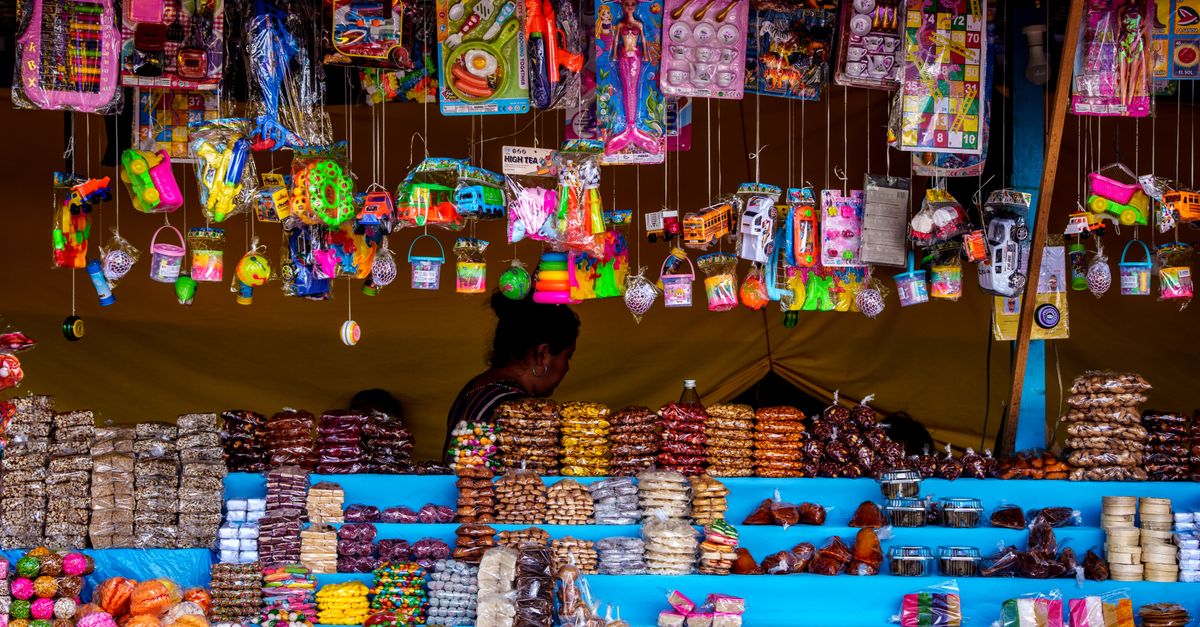
Playa del Carmen is one of the most visitor-friendly destinations on Mexico's Caribbean coast — a compact beach town with walkable streets, a well-established tourist infrastructure, and day-trip access to some of the most extraordinary natural and cultural sites in the Americas. First-time visitors, however, often arrive with a incomplete picture of what awaits them: Fifth Avenue is wonderful but it is not the whole story, the airport transfer is far cheaper than most visitors realise, and a handful of practical decisions made before you board the plane will shape the quality of your trip significantly. This guide covers the essentials that the glossy resort brochures skip — currency, transport, safety, culture, and the mistakes that consistently catch first-timers off guard so that you can hit the ground running from the moment you land.
Before You Arrive
Most visitors to Mexico enter on a tourist card known as the Forma Migratoria Múltiple, or FMM. For travellers arriving by air, this card is now processed digitally at the immigration counter in most cases and is effectively free — the fee is included in your airline ticket as part of the airport departure tax. You do not need to fill out a paper form or pay separately at the airport. Immigration officers will stamp your passport and note your permitted stay (usually 180 days for most nationalities, though they may write fewer days if they choose — check the stamp before leaving the counter and politely request more days if needed). Keep your passport and boarding pass accessible throughout the process.

Currency is the Mexican peso (MXN). The approximate exchange rate at the time of writing is MXN 17–18 per US dollar, MXN 19–21 per euro, and MXN 22–24 per British pound. Memorise the rough rate before you travel — it makes price-checking instant. Avoid exchanging money at the airport exchange desks, which typically offer rates 10–15% worse than the mid-market rate. ATMs inside bank branches (HSBC, Scotiabank, Banamex) give the best rates; withdraw pesos in reasonable amounts and always decline the "convert to your home currency" option the ATM will offer, as this applies a significant markup.
SIM cards are widely available in Playa del Carmen and along the Riviera Maya corridor. The three main providers are Telcel, AT&T Mexico, and Movistar. Telcel has the strongest rural and highway coverage, which matters if you are planning day trips to Cobá, Chichen Itza, or remote cenotes. Buy a SIM at any OXXO convenience store (there are several near the ADO terminal in Playa) for MXN 100–150 with 3–5 GB of data included. Bring your passport as ID is required for activation.
Safety context for the Riviera Maya: tourist areas including Playa del Carmen, Tulum, Cozumel, and the main cenote corridors are considered safe for international visitors. The Riviera Maya has a well-established tourist infrastructure and a strong economic incentive to maintain safe conditions. Standard urban precautions apply: do not display expensive jewellery or electronics, be aware of your surroundings at night in unfamiliar areas, and use hotel safes for passports and extra cash. The beach and Fifth Avenue are generally safe to walk at night. Petty theft (bag snatching, pickpocketing in crowded market areas) is the most common risk rather than anything more serious.
Getting from the Airport
Cancun International Airport (CUN) is the entry point for the vast majority of visitors to Playa del Carmen. The airport sits approximately 68 kilometres north of Playa, and getting between the two costs anywhere from MXN 70 to MXN 1,400 depending on the option you choose.

The ADO bus is the benchmark transfer option. Official ADO coaches depart from dedicated desks inside all four terminals and travel directly to the ADO bus terminal on Avenida Juárez in central Playa del Carmen. The fare is MXN 200–240, the journey takes 75–90 minutes on the toll highway, and the buses are air-conditioned and comfortable. Buy your ticket at the ADO counter inside the terminal — it is well-signed and the price is fixed. This is the single best option for solo travellers or anyone with a moderate amount of luggage.
Colectivos — shared white minivans — offer an even cheaper transfer at MXN 60–80 per person. They depart from outside the terminal, follow the highway south, and stop in Playa del Carmen and on toward Tulum. The journey takes a similar time to the ADO bus but involves more stops and considerably less legroom. For backpackers with minimal luggage, this is excellent value. For those with larger bags or who prefer a guaranteed seat, the ADO bus is a better choice.
Private taxis from the airport run MXN 900–1,400 for the transfer to Playa del Carmen. Pre-booked private shuttles through companies like Canada Transfers or Cancun Shuttle cost MXN 500–700 per person but drop you directly at your accommodation. Groups of three or four splitting a private transfer pay approximately the same per head as the ADO bus with the added benefit of door-to-door service — worth considering for families with children.
Do not book transfers through the kiosk salespeople who intercept you as you exit the customs area. These are the most expensive transfer option in the airport and the salespeople earn significant commissions. Walk past them to the official ADO desk or exit the building to find the colectivo stop.
Getting Around
Within Playa del Carmen itself, you will do most of your daily movement on foot. The town is structured around a simple grid, with numbered Avenidas running north-south and Calles running east-west. Fifth Avenue (Quinta Avenida) is the main pedestrian axis, running roughly parallel to the beach. The ADO terminal, the ferry pier, the beach, and the main restaurant and market areas are all within a 10–15 minute walk of each other. Good walking shoes with grip are the most important transport investment you can make.

For distances beyond easy walking — reaching Colosio in the north, the Walmart on the highway, or the bus station from your hotel — colectivos are the correct answer. These shared minivans run fixed routes for MXN 12–15 per person and cover the main north-south arterials. Flag them from the street or find them at the ADO terminal junction on Juárez. They run frequently until around 10 PM and continue on a reduced schedule through the night.
Taxis are plentiful and easy to hail. Short trips within the centro cost MXN 50–80. Always confirm the price before getting in, as Playa del Carmen taxis do not consistently use meters. Having a rough sense of the correct fare prevents the most common overcharging scenario. Uber operates in Playa but coverage is inconsistent — the app is useful as a price reference.
For day trips along the Riviera Maya corridor — cenotes on the Tulum highway, Cobá ruins, Akumal beach — colectivos heading south depart from Constituyentes and the ADO terminal area. The fare to Tulum is MXN 55–70 and the journey takes 45–60 minutes. To Cobá: a colectivo to Tulum (MXN 65) then a connection from Tulum to Cobá (MXN 50–60). This independent routing costs a fraction of organised tours.
Where to Base Yourself
Playa del Carmen has three distinct zones for accommodation, each with different characteristics and price points that affect your daily experience significantly.

The Centro and Fifth Avenue zone is the heart of the tourist experience — walking distance to the beach, surrounded by restaurants, shops, and nightlife, and convenient for the ferry pier and ADO terminal. Accommodation here ranges from upscale boutique hotels to a handful of hostels, and prices reflect the premium location. For first-time visitors who want maximum convenience and are happy to pay for it, this zone makes sense. Noise can be an issue on weekends when the pedestrian strip stays busy until well after midnight.
The Constituyentes zone, roughly centred on the avenue of the same name a few blocks north of the main tourist area, offers a middle ground. Hotels and guesthouses here are 20–40% cheaper than equivalent properties in the centro, the neighbourhood is noticeably quieter at night, and the beach is still an easy 10-minute walk. This is the area where many longer-stay visitors and digital nomads settle — there are good independent restaurants and local cafes without the resort-town feel of Fifth Avenue.
Colosio sits further north still and is one of the most genuinely local neighbourhoods in the municipality. Accommodation costs drop significantly here — budget guesthouses and Airbnb apartments run MXN 350–550 per night for private rooms. The trade-off is a 20–25 minute walk or a colectivo ride to the main attractions. For travellers who want to experience a less touristic side of Playa while still having easy access to the beach and the centre, Colosio is excellent value.
Avoid booking accommodation on the far southern end of the Riviera Maya strip if Playa del Carmen is your base — resorts in the Mamitas beach club zone and beyond look close on a map but involve expensive transfers for any activity not centred on your resort.
Local Culture & Etiquette
Playa del Carmen is a cosmopolitan beach town with a strong tourist infrastructure, which means the cultural friction that can catch visitors off guard in more traditional Mexican cities is largely absent. English is widely spoken on Fifth Avenue and in major hotels and restaurants. That said, the town sits within a deeply meaningful cultural geography — the Yucatan Peninsula is Mayan homeland, Oaxacan and Mexico City migrants have shaped the food scene, and the working-class Mexican neighbourhoods behind the tourist strip operate entirely in Spanish and according to entirely different social norms.

Spanish is warmly received even in its most basic forms. Buenos días (good morning), por favor (please), gracias (thank you), la cuenta, por favor (the bill, please), and cuánto cuesta (how much does it cost) will smooth almost every transaction and are invariably met with appreciation rather than correction. Mexicans in the Yucatan are generally warm, patient, and genuinely happy to help tourists navigate — a smile and a polite attempt at Spanish opens doors that blunt English demands do not.
Tipping is part of the social contract in Mexico. In restaurants, 10–15% is standard for good service — leave it in cash on the table or hand it directly to the server. Hotel maids receive MXN 30–50 per night left on the pillow. Tour guides receive MXN 100–200 depending on the length and quality of the experience. Taxi drivers are not typically tipped but rounding up to the nearest MXN 10 is appreciated.
Cenotes and archaeological sites have dress and behaviour codes that are worth respecting. Covering your swimsuit with a shirt when walking through Cobá or Tulum is considered appropriate. At cenotes, refrain from applying insect repellent or sunscreen (other than the reef-safe variety) in or near the water — the entire cenote ecosystem depends on water purity, and this is enforced with confiscation of offending products at the entrance.
Bargaining is accepted and expected at street markets and souvenir stalls but not at restaurants, colectivos, OXXO stores, or any establishment with fixed price signage. Start at roughly 60% of the asking price at souvenir markets and negotiate toward the middle — this is a social exchange that vendors expect and enjoy.
Common Mistakes to Avoid
Booking a resort transfer from the airport kiosks. The salespeople who intercept you immediately after customs are selling overpriced private transfers. Walk directly to the ADO bus counter or exit the building to the colectivo stop. The ADO bus costs MXN 200–240 and gets you to Playa in 90 minutes. The kiosk shuttle costs MXN 800–1,200 and takes the same road.
Paying in US dollars instead of pesos. Virtually every business on Fifth Avenue accepts dollars, but at an exchange rate of MXN 15–16 per dollar when the real rate is MXN 17–18. On a MXN 1,000 purchase you lose MXN 100–150 by paying in dollars. Withdraw pesos from a bank ATM and pay in the local currency.
Booking cenote day tours from Fifth Avenue operators. The tour desks on the pedestrian strip charge MXN 800–1,500 per person for cenote experiences that cost MXN 200–500 to arrange independently. Cenote Azul is free. Gran Cenote charges MXN 350 at the entrance. The colectivo from Playa to Tulum costs MXN 65. The savings are substantial with zero reduction in experience quality.
Underestimating the heat. The Yucatan Peninsula in peak summer reaches 35–38°C with high humidity. First-time visitors consistently underestimate how much water they need (3–4 litres per day minimum when active), how quickly sunburn occurs at this latitude, and how important a midday rest or swim break is. Plan outdoor activities for the morning and late afternoon, rest during the peak heat of 11 AM–3 PM.
Eating every meal on Fifth Avenue. The pedestrian strip's restaurants serve decent food at prices that are two to four times higher than equivalent food a block away. A taco from a side street taqueria (MXN 20–30) versus a taco from a Fifth Avenue restaurant (MXN 80–120) involves the same fundamental ingredient cooked with equal skill. Exploring one block inland for every other meal transforms both the experience and the budget.
Ignoring the colectivo system. First-time visitors often default to taxis out of unfamiliarity with the van system, spending MXN 80–150 on trips that cost MXN 12–15 by colectivo. The white minivans are safe, frequent, and used by local residents daily. Within Playa del Carmen they are the most practical transport for any trip beyond walking distance.
Visiting Tulum ruins without checking the entrance queue time. Tulum archaeological site is one of the most visited in the world and the line at peak times (9 AM–2 PM from December through March) can run 30–60 minutes just to enter. Arrive when the gates open at 8 AM on a weekday to walk in without waiting and before the heat builds. The site itself takes 1.5–2 hours to explore properly, so an early start allows you to be done by 10 AM and on a colectivo back before the crowds peak.