
Okinawa is Japan's tropical outlier — a subtropical island chain 1,600 kilometers south of Tokyo with its own distinct culture, language, and cuisine rooted in the Ryukyu Kingdom rather than mainland Japan. Three days covers Naha's castle ruins and markets, the stunning beaches and snorkeling, and a food culture that explains why Okinawans are among the world's longest-lived people.
Day 1 — City Highlights & Landmarks
Begin with the city's most iconic attractions. Start early to beat crowds and take advantage of morning light for photography. The central district is walkable and rewards exploration on foot.
Midday, visit the city's primary cultural site — museum, temple, or historic quarter. Lunch at a local restaurant recommended by your hotel — the first meal in any city should be the signature local dish.
Afternoon, explore secondary attractions and the main market or shopping district. Evening, head to the most atmospheric dining area for dinner and a first taste of the local nightlife or cultural performance scene.
Day 2 — Day Trip or Deep Exploration
Use the second day for a major day trip or deeper cultural exploration. The surrounding region often has natural attractions, temples, or historical sites that complement the city experience.
Book guided tours when local knowledge adds significant value — especially for sites requiring historical context or those with complex logistics.
Evening, return to the city for dinner at a different restaurant — variety across your three days ensures you experience the full range of local cuisine.
Day 3 — Markets, Food & Farewell
Dedicate your final day to the experiences you missed and the food you haven't tried. Morning markets are the pulse of any city — the produce, the vendors, and the breakfast food reveal daily life better than any museum.
Afternoon, last shopping and exploration. The less-visited neighborhoods and side streets reveal the city's character beyond the tourist infrastructure.
Evening, a farewell dinner at the restaurant or food stall that made the biggest impression during your stay.

Exploring Okinawa
Naha, Okinawa's capital, centers on Kokusai-dori (International Street) — a 1.6-kilometer shopping and entertainment strip with restaurants, souvenir shops, and live music venues. The Makishi Public Market beneath the street sells fresh fish, tropical fruits, and Okinawan specialties. Choose your fish on the first floor and take it upstairs to be prepared (¥500 cooking fee). Tsuboya Pottery Street, a quiet lane of traditional ceramic workshops, is a 5-minute walk from Kokusai-dori.
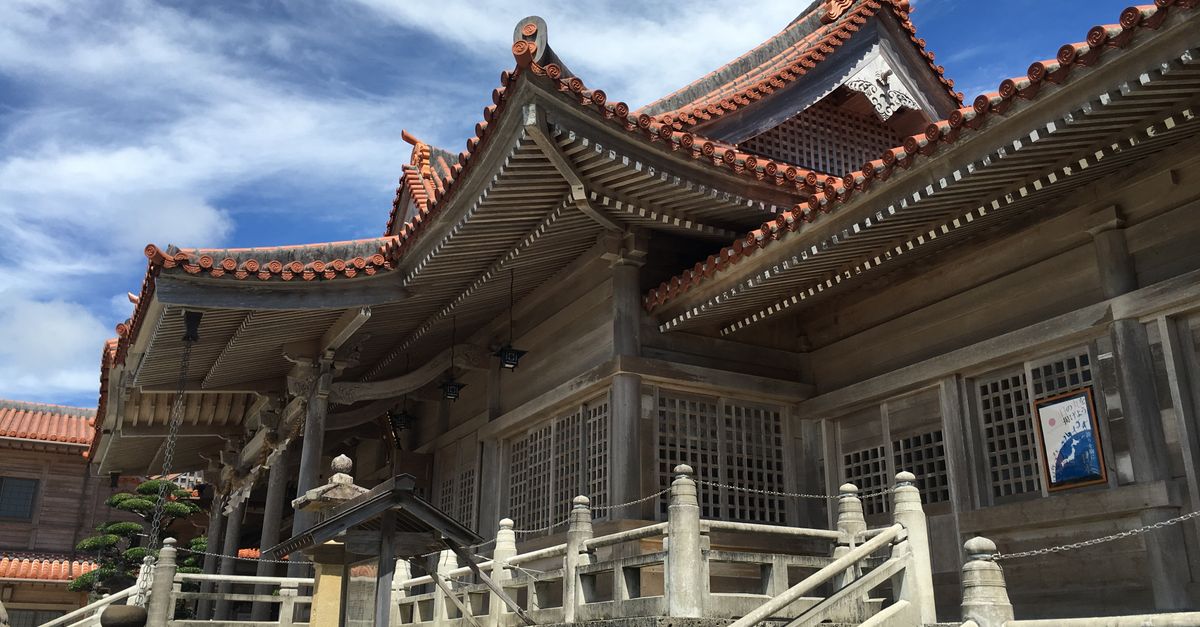
Shuri Castle (¥400) — the reconstructed palace of the Ryukyu Kingdom that ruled Okinawa for 450 years. The original castle was destroyed in the 2019 fire and is being rebuilt (estimated completion 2026), but the stone walls, gates, and surrounding gardens remain impressive. The castle's Chinese-influenced architecture reflects the Ryukyu Kingdom's diplomatic ties with Ming and Qing China rather than mainland Japan.
The Churaumi Aquarium (¥2,180, 90 minutes north of Naha) is one of the world's largest — the Kuroshio Sea tank holds 7,500 cubic meters of water with whale sharks, manta rays, and 65 other species. The adjacent Ocean Expo Park (free) has botanical gardens, a planetarium, and a recreated Ryukyuan village. Budget a half-day including drive time.
Okinawa's beaches are on the western and northern coasts — warm enough for swimming from April through October. Kerama Islands (35-50 minutes by ferry from Naha, ¥2,500-3,500 round trip) have some of Japan's clearest water and best snorkeling. Zamami Island is the most accessible, with sea turtle encounters common at Furuzamami Beach.
The Battle of Okinawa (1945) — the bloodiest Pacific Theater battle — left deep scars. The Peace Memorial Park (free) in southern Okinawa lists the names of all 240,000+ casualties (Japanese, American, Korean, and Okinawan civilian) on stone tablets. The underground Former Japanese Navy Headquarters (¥450) preserves tunnels where commanders committed suicide. These sites are sobering and historically essential.
Rent a car (¥4,000-8,000/day) — Okinawa's attractions are spread across the main island and public transport is limited. The Yui-Rail monorail covers Naha only. Highway tolls exist on the expressway (¥100-1,000 depending on distance). An ETC card or cash is needed at toll plazas.
Practical Tips
Japan is the world's most polished travel destination — trains run to the second, streets are clean, and service standards are unmatched. The Japanese yen (¥) has fluctuated significantly — budget ¥12,000-20,000/day for mid-range travel. The Japan Rail Pass (7/14/21 days from ¥50,000) is worth it if you're traveling between cities. IC cards (Suica/ICOCA, ¥2,000) work on all trains, buses, and vending machines.
Japanese etiquette has specific rules: never tip (it's insulting), eat noodles by slurping (it's polite and cools the noodles), and don't stick chopsticks vertically in rice (funeral symbolism). Remove shoes when entering homes, temples, and many traditional restaurants. Bow slightly when greeting. Avoid loud phone conversations on trains. Queue patiently — Japanese lines are sacred.
Japan is cash-heavy despite its technological advancement. Many restaurants, temples, and small shops don't accept credit cards. ATMs at 7-Eleven convenience stores accept international cards. Carry ¥10,000-20,000 in cash daily. Taxis are expensive (starting fare ¥680) — use trains for anything beyond a 10-minute walk. Google Maps works perfectly for transit navigation in Japan, including train schedules and platform numbers.
Local Culture & Etiquette
Okinawan culture is distinct from mainland Japan in ways that matter for travellers. The Ryukyu Kingdom maintained its own royal traditions, spiritual practices, and cuisine for centuries before annexation, and that identity remains alive. The local religion — a form of animistic folk belief centered on female spiritual leaders called noro and yuta — coexists with Buddhism and Shinto. When visiting sacred groves (utaki) such as Sefa Utaki (¥300 entry), move quietly, avoid touching stone formations, and don't photograph women who may be engaged in private prayer. These are active spiritual sites, not open-air museums.
Okinawan food etiquette follows Japanese norms but with some local additions. Champuru (stir-fry) is the central cooking technique — goya champuru (bitter melon with tofu and egg) is the dish most associated with Okinawan longevity. At restaurants, it's common to share multiple dishes. Awamori, the local distilled spirit made from long-grain Thai rice, is served with ice and water rather than neat. At izakayas in Naha's Matsuo-cho bar district, the custom is to order food alongside every round of drinks — arriving just to drink without eating is unusual. A round of awamori and food for two typically costs ¥2,000-3,500.
On the street and in shops, speaking a few words of Uchinaaguchi (the Ryukyuan language) earns genuine warmth from older Okinawans. "Mensore" means welcome, and "nifee deebiru" means thank you. In Japanese, use the standard phrases — most younger Okinawans speak Japanese as their primary language. At Shuri Castle and cultural attractions, audio guides in English are available for ¥500 and are worth the cost given how little English signage explains the Ryukyu Kingdom context.
Hafu-day rest periods are observed more loosely in Okinawa than in mainland Japan, but restaurants and shops outside Naha can close with little warning, especially in remote island communities. Confirming opening hours before traveling to a specific restaurant on the Kerama Islands or in Motobu is advisable. Okinawans are known for "Okinawan time" — a relaxed relationship with punctuality that extends to informal social settings. Ferries to the outer islands, however, depart exactly on schedule regardless of who hasn't boarded.
Best Times to Visit & Budgeting
Timing your visit matters enormously for both weather and crowds. Peak tourist seasons bring higher prices, sold-out accommodations, and crowded attractions. Shoulder seasons (the weeks just before and after peak) often deliver the best balance — good weather, manageable crowds, and reasonable prices. Off-season travel is the cheapest but check for monsoon rains, extreme heat, or seasonal closures.
Budget planning for three days should account for accommodation (30-40% of total), food (20-25%), transport (15-20%), activities and entrance fees (15-20%), and a contingency buffer (10%). The biggest savings come from choosing accommodations wisely — a well-located mid-range hotel that eliminates taxi costs can be cheaper than a budget hotel in a remote area plus daily transport.
Travel insurance is non-negotiable. A single hospital visit in most Asian countries costs more than a year of comprehensive travel insurance (0-80 for a 2-week trip). Ensure your policy covers emergency medical evacuation — this is the expensive scenario that justifies the premium. Download your policy documents to your phone for offline access.
Currency exchange tips: ATMs generally offer better rates than airport exchange counters. Withdraw larger amounts less frequently to minimize per-transaction fees. Carry some US dollars (0-100) as universal backup — they're accepted in emergencies across most of Asia. Notify your bank of travel plans to prevent card blocks. Use a travel-specific card (Wise, Revolut) for the best exchange rates and lowest fees.
Download essential apps before arriving: Google Maps (with offline maps for your destination), Google Translate (with offline language packs), the local ride-hailing app (Grab for Southeast Asia, DiDi for China, Uber/Ola for India), and your accommodation booking confirmation. A portable battery pack (10,000-20,000 mAh) keeps your phone alive through a full day of navigation, photography, and ride-hailing.


