3 Days in Naples: The Perfect Itinerary
Naples rewards travellers who take their time exploring its layered history, vibrant food culture, and neighbourhoods that each tell a different story. This three-day itinerary covers the essential landmarks including Naples Archaeological Museum and Spaccanapoli, the atmospheric streets of the old quarter, and the local dining scene that makes Naples a genuine culinary destination. The city is compact enough to explore on foot, with most major sights within a 20-minute walk of each other. Early mornings offer the best light for photography and the smallest crowds at popular attractions, while evenings bring the streets alive with locals heading to their favourite restaurants and bars. Pack comfortable walking shoes and an appetite for discovery.

Naples Archaeological Museum & Spaccanapoli
Start your morning at Naples Archaeological Museum (€10 admission), the city's most iconic landmark and a monument to centuries of artistic and architectural ambition. Arrive early, ideally by 9am when doors open, to experience the space without the midday crowds that can make photography difficult and quiet contemplation impossible. Spend at least 90 minutes exploring the interior details that most visitors rush past in their hurry to tick the box and move on.
Walk to Spaccanapoli, a short stroll through the historic centre's pedestrianised streets lined with independent shops and cafes. The building itself tells the story of Naples's golden age through its architecture, decorative elements, and the stories embedded in every carved detail. Entry costs €15 and is worth every cent for the craftsmanship on display inside.
Lunch in the Centro Storico neighbourhood. L'Antica Pizzeria da Michele serves traditional dishes made from market-fresh ingredients at honest prices (€12-18 for a full meal with drink). The menu changes with the seasons and the daily market haul, ensuring that what you eat reflects what is genuinely fresh and available rather than what sits in a freezer year-round.
Evening: explore the Vomero district as the city transitions from daytime calm to evening energy. This neighbourhood comes alive after sunset with wine bars, craft cocktail spots, and small restaurants serving creative interpretations of regional classics. Budget €3-5 for drinks and expect to spend a leisurely two to three hours grazing through the neighbourhood's best offerings.
Castel dell'Ovo & Vomero District
Morning at Castel dell'Ovo, which houses collections that span centuries of the region's cultural history. The permanent exhibitions are excellent but the rotating temporary shows often feature lesser-known local artists whose work provides genuine insight into contemporary Naples culture. Allow two hours for a thorough visit and check the website for any special exhibitions during your visit dates.
Walk to Pompeii Day Trip for a change of pace from museums and monuments. This is where locals come to unwind, exercise, and socialise, offering authentic glimpses of daily life that tourist attractions cannot provide. The surrounding streets are lined with neighbourhood restaurants where a set lunch menu costs €12-18 including a drink.
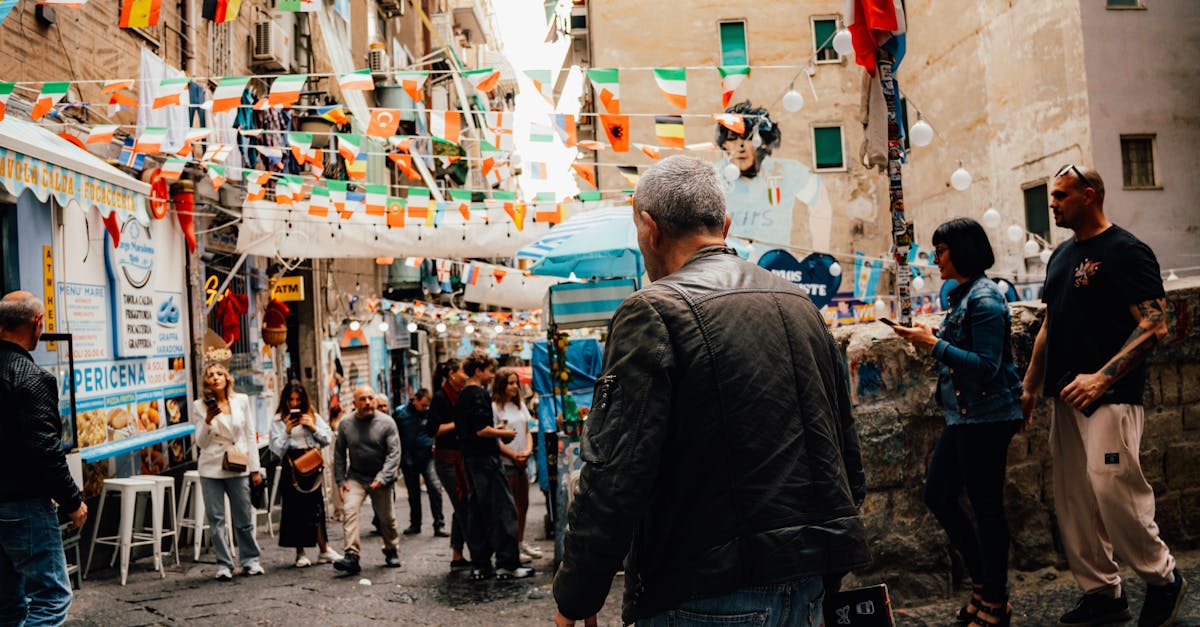
Afternoon: explore the Chiaia area, the city's most characterful neighbourhood for independent shops, local artisan workshops, and hidden courtyards that reveal themselves only to those willing to wander without a fixed itinerary. This is where you will find the Naples that residents actually live in rather than the version curated for tourist consumption.
Evening: dinner at Sorbillo, one of the city's most reliable addresses for traditional cuisine served in an atmospheric setting. The house specialty (€12-18) is cooked using recipes that have been passed down through multiple generations. Book ahead for weekend evenings when the local crowd fills every table by 8pm.

Underground Naples & Neighbourhood Discovery
Visit Underground Naples, the city's most underrated attraction that many tourists overlook in favour of the more famous landmarks. The experience here is more intimate and less crowded, allowing genuine engagement with the exhibits, architecture, or landscape without the pressure of moving crowds and raised smartphones blocking every sightline.
Morning walk through the city's best market (€3-6 for market snacks), where vendors sell regional specialties, seasonal produce, and prepared foods that make excellent portable lunches. The colours, aromas, and energy of a working market provide one of the best sensory experiences in Naples and cost nothing beyond what you choose to buy and eat.
Afternoon: choose between a day trip to nearby attractions accessible by local transport (€5-10 return), or a deeper exploration of the city's lesser-visited neighbourhoods on foot. The areas surrounding the tourist centre often contain the most authentic restaurants, the friendliest locals, and the street art that captures the city's contemporary creative energy.
Final evening: a farewell dinner at Trattoria da Nennella, where the menu showcases the best of regional cuisine with seasonal ingredients prepared with both skill and respect for tradition. Budget €12-18 per person for a memorable final meal. End the night at a local bar where the atmosphere is relaxed and the drinks are well-made, absorbing one last dose of Naples energy before departure.
Where to Base Yourself
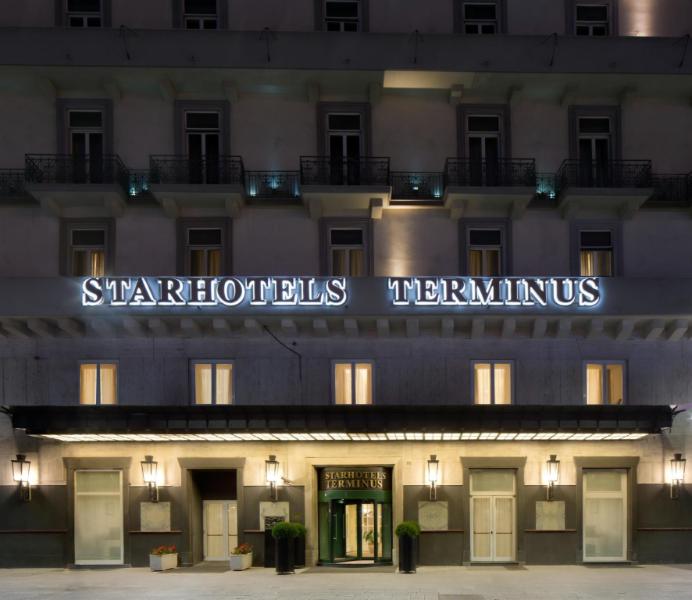
Stay in Centro Storico (central, walkable to all major sights), Vomero (best food and nightlife scene), or Chiaia (quieter, more local atmosphere with good value accommodation). Avoid areas near the main train or bus station which tend to be characterless and poorly served by restaurants despite being technically convenient for transport connections.
Naples 3-Day Budget Breakdown
| Category | Budget | Mid-Range | Comfort |
|---|---|---|---|
| Accommodation (per night) | 15-30 hostel | 60-120 hotel | 130-250 boutique |
| Food (per day) | 12-22 | 30-50 | 55-100 |
| Transport (per day) | 4 (walk + transit) | 5-10 | 12-22 taxi |
| Attractions (3 days) | 10-15 | 25-45 | 50-80 |
| 3-Day Total | 90-180 | 280-450 | 500-900 |
- Learn a few basic phrases in the local language. Even a simple greeting and thank you transforms interactions from transactional to genuinely warm.
- Avoid restaurants with photos on the menu and staff who aggressively recruit from the pavement. The best food is found where locals eat, not where tourists are herded.
- The city's public transport system is efficient and affordable at €4. Buy a multi-ride pass if available for significant savings over single tickets.
- Visit major attractions first thing in the morning or in the late afternoon for the best experience with fewer crowds and better light for photography.
- Tap water is safe to drink in Naples. Carry a refillable bottle to save money and reduce plastic waste throughout your visit.
Day Trips from Naples
Naples is one of Europe's great day-trip hubs, positioned within easy reach of some of Italy's most celebrated sites. Pompeii is the obvious first choice — the Circumvesuviana train from Naples Porta Nolana station (€2.90 each way, 40 minutes) drops you at the Pompeii Scavi station directly in front of the archaeological site entrance. Buy your ticket online at pompeiisite.org (€16, reduced €2 for EU citizens under 18) to skip the physical queue. Allow at least four hours — the site covers 66 hectares and rushing it is genuinely wasteful. The House of the Faun, the Villa of the Mysteries, and the Forum give the clearest sense of how sophisticated and populous this Roman city was before Vesuvius buried it in 79 AD.
Herculaneum (Ercolano station, same Circumvesuviana line, €2.90, 20 minutes) is smaller, better preserved, and significantly less crowded than Pompeii. The volcanic mud that buried it hardened into a seal that protected organic materials — wooden beams, furniture, carbonised bread still in ovens — that Pompeii's ash did not preserve. Entry costs €11. Many visitors split the day between both sites, arriving at Herculaneum at opening (9 AM) and reaching Pompeii by noon when the morning coach groups start to thin.
The Amalfi Coast is accessible but logistically demanding. The SITA bus from Salerno (reached by Frecciarossa from Naples Centrale, €7-12, 30 minutes) runs along the coastal road to Amalfi town (€2.50, 75 minutes) and continues to Ravello and Positano. Hiring a private driver from Naples (€120-160 for a full day, shared between 4 people) is more comfortable and avoids the notoriously crowded summer buses. Visit in May, June, or September — July and August turn the narrow coast road into a near-stationary procession of tour coaches and rental cars.
Caserta's Royal Palace (Reggia di Caserta) is one of Europe's most underrated royal residences — a Bourbon answer to Versailles, built in 1752, with 1,200 rooms, monumental fountains, and gardens stretching three kilometres into the hills behind the palace. The Frecciarossa from Naples Centrale takes 35 minutes (€4.90) and the palace entrance (€16) opens at 8:30 AM. Arrive early on weekdays when school groups are minimal. The upper garden waterfall cascade, a 45-minute uphill walk from the palace, rewards the effort with genuinely dramatic scenery that most day visitors never reach.