
Mumbai is India's most expensive city, and it doesn't apologize for it. The financial capital, the Bollywood capital, the city where real estate costs rival London and where a cocktail at a rooftop bar can cost more than a hotel room in Rajasthan — Mumbai carries an intimidating price tag in the Indian imagination.
But here's what that reputation obscures: beneath the wealth and the expense lies a city where ₹1,500-2,500 per day ($18-30 USD) buys you an extraordinary urban experience. The local trains cost ₹5-15.
The street food is legendary and costs ₹20-80. Marine Drive, one of the most beautiful waterfronts in the world, is free. The Dhobi Ghat open-air laundry, Haji Ali Dargah, Juhu Beach, Bandra's street art, and the chaos of Crawford Market — all free.
Mumbai's budget experience isn't about avoiding the city's expensive side; it's about discovering that the city's most authentic, most vibrant, and most memorable experiences were never expensive in the first place.
This guide maps Mumbai's budget infrastructure in detail — where to sleep for ₹500-800, where to eat for ₹20-80 per meal, how to use the local train system that moves 7.5 million people daily for the price of a cup of chai, and how to fill days with free experiences that capture the city's unique combination of colonial grandeur, religious diversity, Bollywood energy, and coastal beauty.
Mumbai rewards the budget traveler not with compromises but with proximity to the real pulse of the city.
Budget Accommodation: ₹500-1,500 per Night
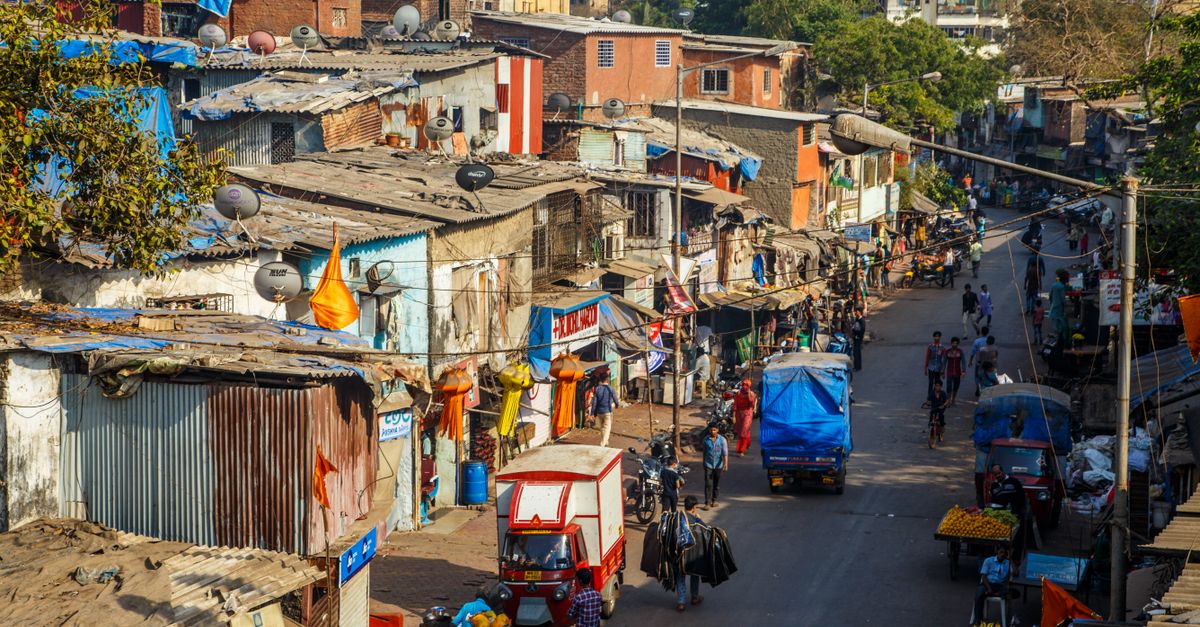
Mumbai's accommodation costs more than most Indian cities, but the budget options are solid and improving. The key is choosing your area wisely — Colaba and Fort are the most tourist-convenient neighborhoods, while areas like Andheri and Bandra offer lower prices if you're willing to commute.
Hostels: ₹500-800 per Night
Mumbai's hostel scene has grown dramatically since 2018, and the city now has genuinely excellent backpacker hostels in central locations. Zostel Mumbai in the CST area (from ₹550) offers clean dorms, a social common area, and a rooftop terrace with views of the surrounding heritage buildings.
Cohostel near Marine Drive (from ₹600) puts you within walking distance of the city's most iconic waterfront. Backpacker Panda near Colaba (from ₹500) is basic but well-located for Gateway of India, Leopold Café, and Colaba Causeway shopping.
Dorm beds in these hostels include WiFi, lockers, air conditioning, and often a basic breakfast. The quality gap between ₹500 and ₹800 hostels is significant — the extra ₹200-300 typically buys better mattresses, cleaner bathrooms, and more reliable air conditioning, which matters in Mumbai's humidity.
Budget Hotels and Guesthouses: ₹800-1,500
For private rooms, the Colaba and Fort areas have budget hotels clustered around the streets behind the Taj Mahal Palace Hotel and near CST station. Rooms in this range are small but functional — expect a double bed, private bathroom with hot water, fan or air conditioning, and basic furnishings.
Hotel Suba Palace (from ₹1,200), Bentley's Hotel (from ₹1,000), and the guesthouses on Merewether Road offer this standard. The rooms won't win design awards, but they're clean, central, and provide a private space to retreat to after Mumbai's sensory overload.
Dharamshalas and Religious Guesthouses
Mumbai has a network of dharamshalas (religious guesthouses) that offer accommodation from ₹200-600 per night. These are traditionally intended for pilgrims but many accept all travelers. They're basic — shared bathrooms, simple cots, minimal amenities — but absurdly cheap and often located in interesting neighborhoods.
The Salvation Army Red Shield House near Colaba (from ₹500 for a dorm bed) has been hosting budget travelers for decades. Various Jain and Hindu dharamshalas near temples in Walkeshwar, Girgaum, and Mahalakshmi offer beds from ₹200-400.
Standards vary widely, so check conditions before committing to a stay.
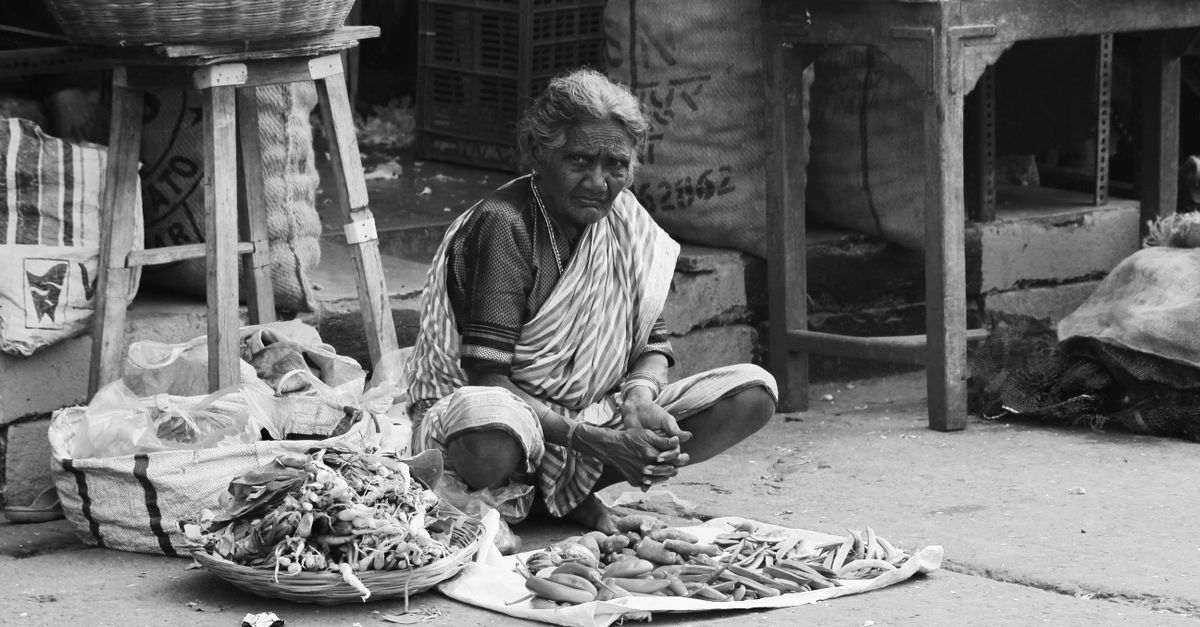
Street Food: Mumbai's Greatest Budget Asset (₹20-80 per Meal)
Mumbai's street food culture is not merely a budget eating option — it is one of the defining experiences of the city, a culinary tradition so rich and so deeply embedded in daily life that it shapes how Mumbaikars structure their days, commutes, and social lives. The food is prepared by specialized vendors who have often been making the same dish at the same spot for decades, passing recipes and techniques through generations.
When you eat street food in Mumbai, you're not compromising — you're participating in a culinary tradition that has no equivalent anywhere else in the world.
The Essential Street Foods
Vada pav (₹15-30) is Mumbai's signature street food — a spiced potato fritter (vada) in a soft bread roll (pav) with garlic chutney, tamarind chutney, and fried green chili. It's the city's unofficial national dish, sold at every street corner, train station, and market.
Ashok Vada Pav at Kirti College and the stalls near Dadar station are legendary, but honest truth: nearly every vada pav vendor in Mumbai makes a good one. Pav bhaji (₹40-80) is a thick spiced vegetable curry served with butter-toasted bread rolls — a plate of calories, flavor, and satisfaction that originated as a mill workers' lunch and became one of India's most beloved dishes.
Sardar Pav Bhaji at Tardeo, Cannon Pav Bhaji near CST, and the evening stalls at Juhu Beach serve definitive versions.
Bhel puri (₹20-40) is a crunchy, tangy, sweet mixture of puffed rice, sev (crispy noodles), onions, tomatoes, chutneys, and coriander — assembled fresh at the stall and handed to you in a paper cone. It's the quintessential Mumbai beach snack, and the bhel puri vendors on Chowpatty Beach and Juhu Beach have been perfecting their craft for generations.
Pani puri (₹20-30 per plate of 6) — hollow crispy shells filled with potato, chickpeas, and spicy mint water — is a Mumbai obsession, eaten standing at the vendor's cart, one puri at a time, as the vendor fills each one to order. Sev puri (₹20-40) and dahi puri (₹30-50) are variations on the same theme, each with its own balance of crunch, spice, and tang.
Misal pav (₹40-60) is a spicy sprouted lentil curry topped with farsan (crunchy mix), onions, and lemon, served with pav — a fiery breakfast or lunch that originated in Maharashtra and is served at its best in Mumbai. Keema pav (₹50-80) — minced mutton in spiced gravy with buttered bread — is the non-vegetarian equivalent, found at the Irani cafés and Muslim-owned stalls in Mohammed Ali Road and Bhendi Bazaar.
Dabeli (₹15-25) is a Gujarati-influenced spiced potato burger with peanuts and pomegranate seeds in a pav — sweet, spicy, and crunchy in every bite.
Where to Find the Best Street Food
Mohammed Ali Road during Ramadan (and year-round, but especially during Ramadan) becomes one of the world's great food streets — kebabs, nihari (slow-cooked stew), malpua (sweet pancakes), phirni (rice pudding), and dozens of other Mughlai and Bohri dishes served from 8 PM until dawn. Chowpatty Beach is the spiritual home of Mumbai chaat — bhel puri, pani puri, kulfi (Indian ice cream), and the city's most famous pav bhaji stalls line the beach.
Khau Galli (Food Lane) near Fort and CST has a dense concentration of stalls catering to office workers — consistently good, consistently cheap, and bustling during the lunch rush. Juhu Beach offers a more sprawling food scene — the stalls extend along the beach for hundreds of meters, with everything from chaat to Chinese to South Indian dosas.
Irani Cafés: ₹30-80
Mumbai's Irani cafés are a vanishing institution — old-fashioned tea houses opened by Iranian Zoroastrian immigrants in the early 20th century, with marble-topped tables, bentwood chairs, and a menu of chai (₹15-25), bun maska (buttered bread roll, ₹20-30), kheema pav (₹50-80), and berry pulao (₹60-100). Kyani & Co. near Marine Lines, Café Military in Fort, and Britannia & Co. (famous for its berry pulao) in Ballard Estate are surviving examples of a café culture that once defined Mumbai's social life.
They're atmospheric, affordable, and historically significant — visit before they disappear entirely.
Free Things to Do in Mumbai
Mumbai's greatest experiences are free — the city's public spaces, waterfronts, neighborhoods, and daily spectacles cost nothing to experience and offer deeper insight into Mumbai's character than any ticketed attraction.
Marine Drive
Marine Drive is a 3.6-kilometer arc of Art Deco buildings and a seaside promenade curving along Back Bay from Nariman Point to Malabar Hill. It's free, it's beautiful at any time of day, and it's the closest thing Mumbai has to a communal living room.
At dawn, joggers and yoga practitioners claim the promenade. During the day, it's a place for walking, sitting on the sea wall, and watching the waves. At sunset, the entire curve fills with people — families, couples, groups of friends, food vendors, and an energy that captures everything Mumbai is about.
After dark, the streetlights along the curve create what Mumbaikars call the "Queen's Necklace" — a string of lights following the bay's arc that is one of the iconic images of the city. Walk the full length, sit on the tetrapods at the Nariman Point end, and understand why Mumbaikars consider this their most beloved public space.
Dhobi Ghat: The World's Largest Open-Air Laundry
Dhobi Ghat near Mahalakshmi station is an open-air laundry where over 7,000 dhobis (washermen) hand-wash clothes from homes, hotels, and hospitals in a vast network of concrete wash pens. It's visible from the Mahalakshmi Road bridge — a chaotic, colorful panorama of thousands of clothes drying on lines, workers beating fabric against stone, and the extraordinary logistics of an industry that processes hundreds of thousands of garments daily using methods unchanged for over a century.
Viewing from the bridge is free. Some organized tours enter the ghat itself for ₹100-200, but the bridge view is the classic perspective.
Haji Ali Dargah
The Haji Ali Dargah is a mosque and tomb built on a tiny island 500 meters offshore, connected to the mainland by a narrow causeway that floods at high tide. Walking out along the causeway — the sea on both sides, the Mumbai skyline behind you, the white marble dargah ahead — is one of the most memorable experiences in the city.
The dargah itself is open to visitors of all faiths, and the interior is peaceful and beautiful. Visit at low tide for the full causeway walk, or time your visit for high tide to see the dramatic sight of waves crashing over the path.
Free entry (donations welcome).
Juhu Beach
Juhu Beach is Mumbai's most popular beach — a long stretch of sand that fills every evening with families, cricket games, horse rides, food vendors, and the occasional Bollywood celebrity (many film stars live in the adjacent neighborhood). The beach itself isn't pristine, but the atmosphere is quintessentially Mumbai — democratic, energetic, and buzzing with life.
Combine the beach visit with a street food crawl along the vendors, sampling bhel puri, pani puri, pav bhaji, and kulfi as you go.
Bandra Street Art
The streets and lanes of Bandra — particularly Chapel Road, Hill Road, and the lanes around Bandra Fort — have become an open-air gallery of murals, stencils, and installations. The St+art India Foundation has been instrumental in commissioning large-scale murals that address social issues, celebrate Mumbai's diversity, and transform blank walls into conversation starters.
The art walks are self-guided and free — download a street art map from St+art India's website or simply wander the lanes and discover murals around every corner. Combine with a visit to Bandra Fort for sunset views over the Arabian Sea and the Bandra-Worli Sea Link.

Transport: The Local Train and Beyond (₹5-15)
Mumbai's local train system is the circulatory system of the city — 7.5 million people ride it daily, making it one of the busiest commuter rail systems in the world. For budget travelers, it's also one of the greatest transport bargains on earth: a journey from Churchgate to Borivali (the full length of the Western Line, about 30 km) costs ₹10-15 in second class.
The trains are crowded, loud, thrilling, and quintessentially Mumbai — riding them during rush hour is an experience in itself, though one that requires some preparation.
How to Ride the Local Trains
Buy a smart card at any station ticket counter — it saves queuing for individual tickets and offers a small discount per journey. Three main lines serve most tourist needs: the Western Line (Churchgate to Virar, serving Marine Drive, Mumbai Central, Dadar, Bandra, Andheri, and Borivali), the Central Line (CST to Kasara/Khopoli, serving Dadar, Kurla, and suburbs), and the Harbour Line (CST to Panvel).
Key stations for tourists: Churchgate (Marine Drive, Colaba area), CST (Fort, Colaba), Mahalakshmi (Dhobi Ghat), Bandra (Bandra neighborhood, street art), Andheri (airport area), and Dadar (interchange between lines). Avoid rush hours (8-10 AM, 5:30-8 PM) unless you want the full Mumbai commuter experience — in which case, brace yourself.
BEST Buses: ₹6-20
Mumbai's BEST (Brihanmumbai Electric Supply and Transport) buses cover routes that the trains don't, including the critical Colaba-Fort-Churchgate tourist corridor. The minimum fare is ₹6, and most tourist-relevant journeys cost ₹8-15.
Bus routes are complex, but Google Maps now includes BEST routes with real-time tracking. Key tourist routes: the buses along Shahid Bhagat Singh Road from Colaba to CST, and the AC buses (₹20-40) that run express routes along the Western Express Highway and Eastern Express Highway.
Auto-Rickshaws and Taxis
Auto-rickshaws operate in the suburbs (north of Bandra on the Western side, north of Sion on the Central side) and are metered — the base fare is ₹23 for the first 1.5 km, then ₹15.64 per km. In South Mumbai, black-and-yellow taxis are metered (base fare ₹28, then ₹19.44 per km) but some drivers refuse to use the meter — insist on it or walk away.
Ola and Uber operate throughout Mumbai and are often cheaper and more transparent than street taxis, especially for longer distances.
Money-Saving Strategies for Mumbai
1. Eat at Workers' Canteens
Mumbai's office districts (Fort, Nariman Point, BKC) have workers' canteens and lunch stalls that serve full thali meals (rice, dal, two vegetables, roti, pickle, and sometimes a sweet) for ₹60-100. These are the meals that sustain Mumbai's workforce, and they're filling, nutritious, and incredibly cheap.
Look for the stalls with long lunchtime queues of office workers — that's where the best value is.
2. Use the Ferry to Elephanta Caves Instead of a Tour
The Elephanta Caves (UNESCO World Heritage Site) on Elephanta Island are accessible by ferry from the Gateway of India. Tour operators charge ₹500-1,000 for a package; the public ferry costs ₹150-200 return, and cave entrance is ₹40 for Indian visitors, ₹600 for foreign nationals.
Take the public ferry, explore independently, and save the tour markup.
3. Drink Chai, Not Coffee
A cutting chai (small glass of spiced tea) from a roadside stall costs ₹10-15. A coffee at a café chain costs ₹150-300. Over a two-week trip, switching from café coffee to street chai saves ₹2,000-4,000 — and the chai is better anyway.
The chai wallahs outside CST station, along Marine Drive, and in the markets of Dadar make tea that no café can replicate.
4. Visit Crawford Market Early Morning
Crawford Market (Mahatma Jyotiba Phule Market) is Mumbai's grand Victorian-era market building, selling everything from fruit to spices to imported chocolates. The wholesale fruit and vegetable section opens before dawn and offers prices that are a fraction of retail.
Even if you're not buying in bulk, the early morning atmosphere — porters carrying impossible loads on their heads, the bargaining energy, the mountains of produce — is free entertainment.
Daily Budget Breakdown
| Category | Shoestring (₹1,500/day) | Budget (₹2,000/day) | Comfortable (₹2,500/day) |
|---|---|---|---|
| Accommodation | ₹550 (hostel dorm) | ₹900 (budget hotel) | ₹1,200 (AC private room) |
| Breakfast | ₹30 (chai + bun maska) | ₹50 (vada pav + chai) | ₹80 (Irani café breakfast) |
| Lunch | ₹50 (street food plate) | ₹80 (thali canteen) | ₹100 (restaurant thali) |
| Dinner | ₹60 (pav bhaji + drink) | ₹80 (street food spread) | ₹120 (casual restaurant) |
| Snacks/Drinks | ₹30 (chai + bhel puri) | ₹50 (chai + snacks) | ₹80 (lassi + chaat) |
| Transport | ₹20 (local train only) | ₹40 (train + bus) | ₹80 (train + auto) |
| Activities | ₹0 (free sights only) | ₹50 (one paid entry) | ₹150 (caves or museum) |
| Daily Total | ₹1,340-1,540 | ₹1,850-2,150 | ₹2,310-2,610 |
When to Visit Mumbai on a Budget
Mumbai's peak tourist season runs from November to February, when humidity drops and temperatures become pleasant (25-32°C). This is the best time to visit and also when accommodation prices are at their highest — book early for the best hostel rates.
The monsoon season (June-September) brings torrential rain that regularly floods streets and disrupts trains, but it also brings prices down by 20-40% and delivers a Mumbai experience that's dramatic, atmospheric, and unforgettable if you don't mind getting wet. March through May is the hot season (33-38°C with high humidity) — uncomfortable but the cheapest period for accommodation.
Mumbai's festival calendar is extraordinary: Ganesh Chaturthi (August-September) is the city's biggest celebration — ten days of public Ganesh idol installations, processions, music, and the final immersion ceremony where thousands of idols are carried to the sea. Diwali (October-November) lights up the entire city.
Holi (March) fills the streets with color. All are free to experience and give insight into Mumbai's communal energy that no museum or monument can match.
Mumbai on ₹1,500-2,500 per day is not a compromise — it's an invitation to experience the city the way its millions of residents do: on crowded trains, at street food stalls, along the waterfront at sunset, through the chaos of its markets, and within the democratic public spaces that make Mumbai one of the most extraordinary cities in the world. The expensive Mumbai — the cocktail bars, the designer restaurants, the luxury hotels — represents a sliver of the city's identity.
The affordable Mumbai is the whole picture.
Mumbai Street Food Guide: Vada Pav to Pav Bhaji Mumbai 4-Day Itinerary: The Maximum City Experience Delhi Budget Travel Guide: ₹1,200-2,000 per Day


