Miami reveals itself slowly to those willing to look beyond the guidebook summaries. The food tells stories that architecture alone cannot, and the rhythm of daily life carries a cadence that no amount of tourist infrastructure can replicate.
Three days is enough to fall under its spell, to eat meals that recalibrate your expectations, and to walk streets that hold past and present in productive tension. Come with comfortable shoes and an open appetite.

South Beach & Art Deco District
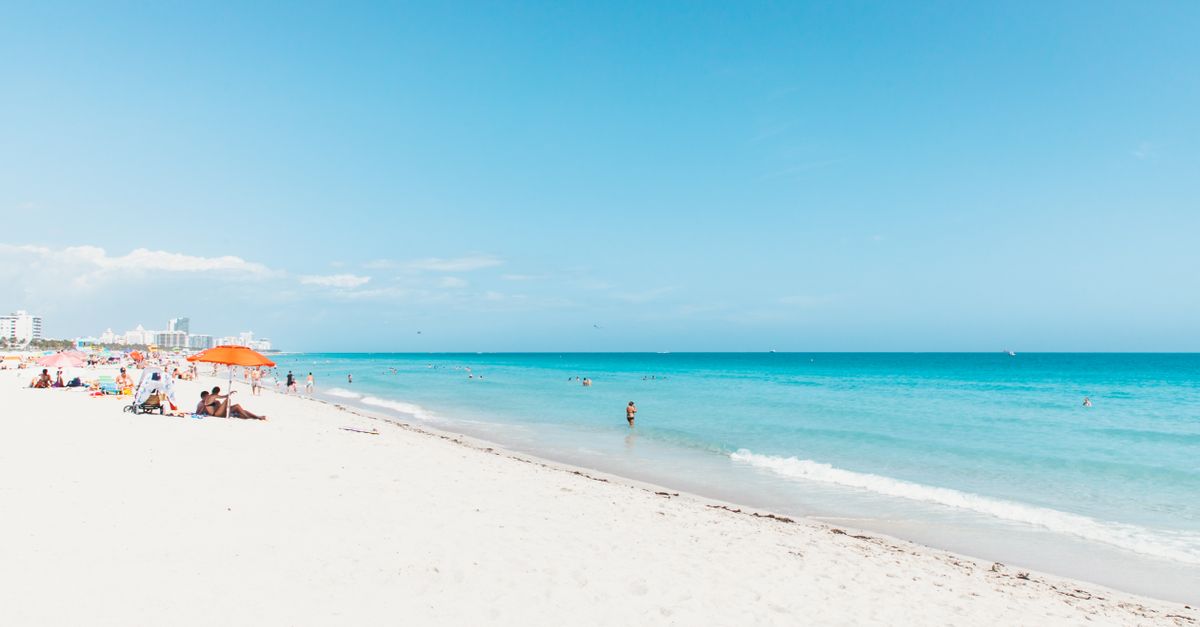
Morning (8:00 AM) — South Beach morning swim: The atmosphere builds gradually as you explore — from initial orientation to genuine immersion. Allow at least an hour, more if you read every plaque and peer around every corner. The surrounding streets offer good cafes for a post-visit debrief over coffee or a cold drink. Check opening hours in advance as seasonal schedules vary.
Mid-Morning (10:30 AM) — Ocean Drive Art Deco walk: This is one of Miami's defining experiences — photographs cannot fully convey the combination of visual impact and cultural significance. Spend at least 45 minutes here, preferably in the morning when the light is best and crowds are manageable. The views from elevated sections reward the climb, offering a perspective that reframes the city's layout.
Afternoon (1:00 PM) — Lummus Park relaxation: Arrive early — by midday the tour groups arrive in force. The atmosphere is best appreciated at a slow pace, with stops to absorb details that reveal themselves only to those paying attention. A local guide can unlock layers of meaning invisible to the uninstructed eye. Budget at least an hour and resist the urge to rush.
Late Afternoon (3:30 PM) — Española Way exploration: The combination of natural beauty and human history here creates an experience on multiple levels. First-time visitors often focus on the photogenic elements, but the deeper reward comes from understanding why this place exists and what it means to the people who live here. Take your time — the place is not going anywhere.
Evening (6:00 PM) — Lincoln Road Mall evening: What makes this stop essential is how it connects to Miami's larger story — a narrative of decisions, ambitions, and compromises that explain why the city looks and feels the way it does. Experiencing it in person adds a dimension that reading about it cannot replicate.
Wynwood, Little Havana & Design District
Morning (8:00 AM) — Wynwood Walls street art: The atmosphere builds gradually as you explore — from initial orientation to genuine immersion. Allow at least an hour, more if you read every plaque and peer around every corner. The surrounding streets offer good cafes for a post-visit debrief over coffee or a cold drink. Check opening hours in advance as seasonal schedules vary.
Mid-Morning (10:30 AM) — Little Havana Calle Ocho walk: This is one of Miami's defining experiences — photographs cannot fully convey the combination of visual impact and cultural significance. Spend at least 45 minutes here, preferably in the morning when the light is best and crowds are manageable. The views from elevated sections reward the climb, offering a perspective that reframes the city's layout.
Afternoon (1:00 PM) — Domino Park people-watching: Arrive early — by midday the tour groups arrive in force. The atmosphere is best appreciated at a slow pace, with stops to absorb details that reveal themselves only to those paying attention. A local guide can unlock layers of meaning invisible to the uninstructed eye. Budget at least an hour and resist the urge to rush.
Late Afternoon (3:30 PM) — Design District galleries: The combination of natural beauty and human history here creates an experience on multiple levels. First-time visitors often focus on the photogenic elements, but the deeper reward comes from understanding why this place exists and what it means to the people who live here. Take your time — the place is not going anywhere.
Evening (6:00 PM) — Pérez Art Museum: What makes this stop essential is how it connects to Miami's larger story — a narrative of decisions, ambitions, and compromises that explain why the city looks and feels the way it does. Experiencing it in person adds a dimension that reading about it cannot replicate.
Key Biscayne, Vizcaya & Sunset
Morning (8:00 AM) — Vizcaya Museum and Gardens: The atmosphere builds gradually as you explore — from initial orientation to genuine immersion. Allow at least an hour, more if you read every plaque and peer around every corner. The surrounding streets offer good cafes for a post-visit debrief over coffee or a cold drink. Check opening hours in advance as seasonal schedules vary.
Mid-Morning (10:30 AM) — Key Biscayne island drive: This is one of Miami's defining experiences — photographs cannot fully convey the combination of visual impact and cultural significance. Spend at least 45 minutes here, preferably in the morning when the light is best and crowds are manageable. The views from elevated sections reward the climb, offering a perspective that reframes the city's layout.
Afternoon (1:00 PM) — Bill Baggs State Park lighthouse: Arrive early — by midday the tour groups arrive in force. The atmosphere is best appreciated at a slow pace, with stops to absorb details that reveal themselves only to those paying attention. A local guide can unlock layers of meaning invisible to the uninstructed eye. Budget at least an hour and resist the urge to rush.
Late Afternoon (3:30 PM) — Coconut Grove village: The combination of natural beauty and human history here creates an experience on multiple levels. First-time visitors often focus on the photogenic elements, but the deeper reward comes from understanding why this place exists and what it means to the people who live here. Take your time — the place is not going anywhere.
Evening (6:00 PM) — Bayside Marketplace sunset: What makes this stop essential is how it connects to Miami's larger story — a narrative of decisions, ambitions, and compromises that explain why the city looks and feels the way it does. Experiencing it in person adds a dimension that reading about it cannot replicate.

Budget Breakdown (Per Person, 3 Days)
| Category | Budget | Mid-Range | Luxury |
|---|---|---|---|
| Accommodation (3 nights) | $180 | $480 | $1,350 |
| Food & Drinks | $80 | $200 | $550 |
| Transport | $25 | $65 | $160 |
| Activities | $30 | $80 | $220 |
| Total | $315 | $825 | $2,280 |
Practical Tips for Miami
Getting Around
Metrorail, Metromover, Uber covers most of Miami. Combine public transport for longer distances with walking for neighborhoods. Download offline maps before arriving. Multi-day transit passes almost always offer better value than single tickets.
When to Visit
Visit Miami during November-April for comfortable walking weather and accessible outdoor attractions. Shoulder seasons bring fewer crowds and lower prices.
Neighbourhoods to Know
Miami is less a single city than a loose collection of distinct neighbourhoods, each with its own demographics, architecture, and energy. Understanding who lives where — and why — makes the difference between a trip that skims the surface and one that gets under the city's skin.
South Beach (SoBe) is the postcard version of Miami: the Art Deco strip along Ocean Drive, the white sand beach, the tourists, the clubs, and the prices to match. It's worth a morning stroll along the Deco District and a swim before the crowds arrive, but staying here means paying a premium for proximity to everything and nothing simultaneously. The real Miami rarely surfaces this far south of Fifth Street.
Wynwood transformed from a garment warehouse district into Miami's arts capital over a decade. The Wynwood Walls — a curated outdoor gallery of murals by internationally recognized street artists — anchors a neighbourhood of galleries, vintage stores, food halls, and bars that draw Miami's creative class. Weekend nights here rival South Beach for energy but attract a younger, more local crowd. Wynwood Kitchen and Bar hosts regular First Saturday gallery walks; NW 2nd Avenue is the main strip for eating and drinking.
Little Havana on Calle Ocho (SW 8th Street) is a living piece of Cuban exile history. Domino Park at SW 15th Avenue draws the old guard playing games and arguing baseball and politics in Spanish. The fragrant walk-up windows selling Cuban coffee (cafecito, $1.50) and pastelitos de guayaba (guava pastries, $1.50-2) at La Carreta and Versailles Restaurant define this neighbourhood's rhythms better than any museum could.
Coconut Grove is Miami's oldest neighbourhood, established long before South Beach existed — a leafy, walkable enclave of art galleries, indie boutiques, and waterfront parks. Coco Walk and the surrounding streets have a village feeling unusual in this car-centric city. The Barnacle Historic State Park on the waterfront ($2 entry) preserves Miami's oldest house. Evenings in the Grove feel like a small Mediterranean city compared to the neon sensory overload of South Beach — a genuinely different Miami that most visitors never discover.
Craving more Caribbean vibes? Read our Punta Cana 3-Day Itinerary for your next adventure.