
Macau is a 30-square-kilometer mashup of Portuguese colonial charm and Chinese casino megastructures — a UNESCO World Heritage city center surrounded by glittering resort complexes. Three days covers the historic center's cobblestone plazas and churches, the Cotai Strip's entertainment, and a food culture that uniquely blends Cantonese and Portuguese traditions into Macanese cuisine found nowhere else.

Day 1 — City Highlights & Landmarks
Begin with the city's most iconic attractions. Start early to beat crowds and take advantage of morning light for photography. The central district is walkable and rewards exploration on foot.
Midday, visit the city's primary cultural site — museum, temple, or historic quarter. Lunch at a local restaurant recommended by your hotel — the first meal in any city should be the signature local dish.
Afternoon, explore secondary attractions and the main market or shopping district. Evening, head to the most atmospheric dining area for dinner and a first taste of the local nightlife or cultural performance scene.
Day 2 — Day Trip or Deep Exploration
Use the second day for a major day trip or deeper cultural exploration. The surrounding region often has natural attractions, temples, or historical sites that complement the city experience.
Book guided tours when local knowledge adds significant value — especially for sites requiring historical context or those with complex logistics.
Evening, return to the city for dinner at a different restaurant — variety across your three days ensures you experience the full range of local cuisine.
Day 3 — Markets, Food & Farewell
Dedicate your final day to the experiences you missed and the food you haven't tried. Morning markets are the pulse of any city — the produce, the vendors, and the breakfast food reveal daily life better than any museum.
Afternoon, last shopping and exploration. The less-visited neighborhoods and side streets reveal the city's character beyond the tourist infrastructure.
Evening, a farewell dinner at the restaurant or food stall that made the biggest impression during your stay.
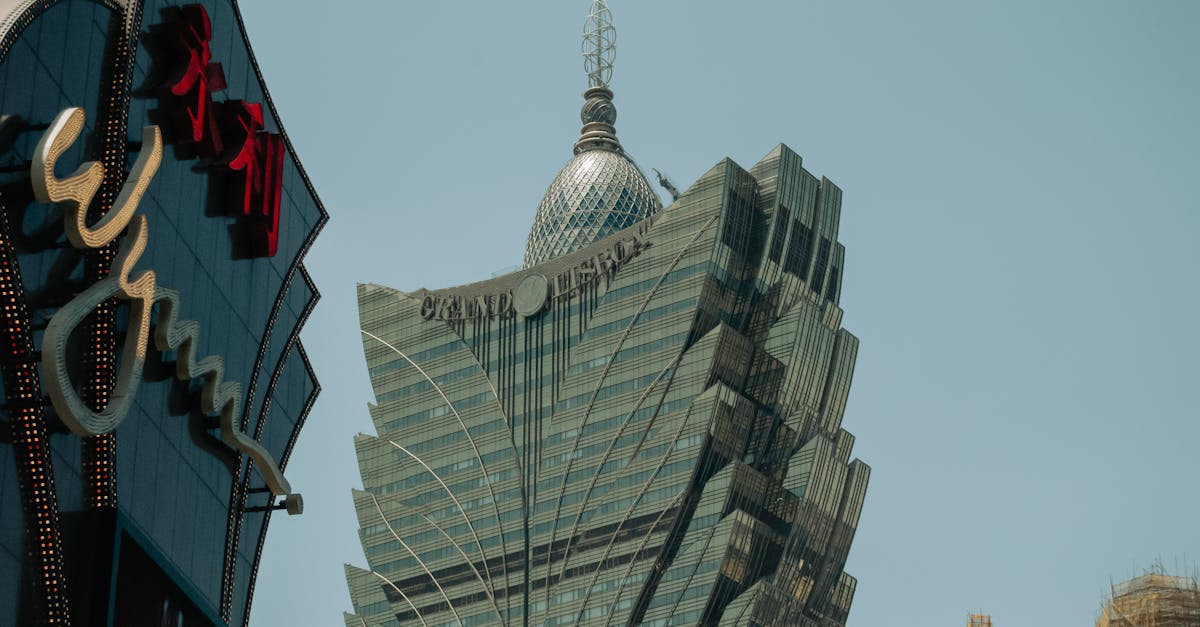
Exploring Macau
The Historic Centre of Macau is a UNESCO World Heritage Site — a compact collection of churches, temples, fortresses, and civic buildings that represent 450 years of Portuguese-Chinese cultural exchange. Senado Square, the heart of the old city, has a European-style plaza with wavy Portuguese pavement (calcada) and pastel-colored colonial buildings. The Ruins of St. Paul's — the stone facade of a 17th-century Jesuit church — is Macau's most photographed landmark.
The Cotai Strip connects Taipa and Coloane islands with massive casino-resort complexes — The Venetian (Asia's largest building by floor area), The Parisian (half-scale Eiffel Tower), Galaxy, and Wynn Palace. Free shuttle buses connect the ferry terminal, airport, and border crossing to all major casinos. Non-gamblers will find free entertainment — water shows, gondola rides, and elaborate lobby installations.
Taipa Village, beneath the Cotai Strip's towers, preserves a quiet Portuguese colonial atmosphere. The Taipa Houses Museum (MOP 5) consists of five restored colonial villas showing Macanese domestic life. Rua do Cunha (Food Street) is packed with bakeries and snack shops selling pork chop buns, almond cookies, and egg tarts. The contrast between the village and the adjacent casino towers is surreal.
Coloane Village, at Macau's southern tip, retains a fishing-village character. Lord Stow's Bakery (the original egg tart shop), the Tam Kung Temple, and Hac Sa Beach (black sand) are the draws. The Coloane Trail hiking paths offer views over the South China Sea and mainland China. The village is a 15-minute bus ride from the Cotai Strip but feels like a different world.
A-Ma Temple (free), at the southern end of the peninsula, predates Portuguese arrival and gave Macau its name ("A-Ma-Gao" — Bay of A-Ma). The Guia Fortress and Lighthouse (free) at the peninsula's highest point offer panoramic views and contain the oldest lighthouse on the China coast (1865). Monte Fort (free), behind the Ruins of St. Paul's, has excellent historical exhibitions and city views from its walls.
The Macau ferry from Hong Kong (MOP 160-175, 55 minutes) runs every 15 minutes from the Shun Tak Centre. The Hong Kong-Zhuhai-Macau Bridge bus (HK$65, 45 minutes) is a cheaper alternative. Macau has no Uber — public buses (MOP 6/ride) cover the territory efficiently. The city is compact enough to walk the historic center in a day.
Practical Tips
China's Great Firewall blocks Google (Maps, Gmail, Search), WhatsApp, Instagram, Facebook, Twitter, and most Western apps. Download a VPN before arrival — this is essential, not optional. Install Baidu Maps for navigation, Alipay or WeChat Pay for payments (Tourist Pass feature allows foreign card linking), and Dianping for restaurant reviews. Without these preparations, daily logistics become extremely difficult.
China has largely abandoned cash in favor of mobile payments. Even street vendors use QR code payments. Set up Alipay's Tour Pass before your trip to link your international card. Some vendors now refuse cash entirely. Hotels, airports, and train stations still accept cash, but for restaurants, taxis, and markets, mobile payment is essential.
China's high-speed rail network is the world's largest and most efficient. Book tickets through Trip.com or at any train station with your passport. Trains are faster than flights for distances under 800 km when factoring in airport time. The bullet trains (G-series) are comfortable, punctual, and reasonably priced. Dining cars serve adequate meals, and most trains have hot water dispensers for instant noodles — China's universal train snack.
Best Times to Visit & Budgeting
Timing your visit matters enormously for both weather and crowds. Peak tourist seasons bring higher prices, sold-out accommodations, and crowded attractions. Shoulder seasons (the weeks just before and after peak) often deliver the best balance — good weather, manageable crowds, and reasonable prices. Off-season travel is the cheapest but check for monsoon rains, extreme heat, or seasonal closures.
Budget planning for three days should account for accommodation (30-40% of total), food (20-25%), transport (15-20%), activities and entrance fees (15-20%), and a contingency buffer (10%). The biggest savings come from choosing accommodations wisely — a well-located mid-range hotel that eliminates taxi costs can be cheaper than a budget hotel in a remote area plus daily transport.
Travel insurance is non-negotiable. A single hospital visit in most Asian countries costs more than a year of comprehensive travel insurance (0-80 for a 2-week trip). Ensure your policy covers emergency medical evacuation — this is the expensive scenario that justifies the premium. Download your policy documents to your phone for offline access.
Currency exchange tips: ATMs generally offer better rates than airport exchange counters. Withdraw larger amounts less frequently to minimize per-transaction fees. Carry some US dollars (0-100) as universal backup — they're accepted in emergencies across most of Asia. Notify your bank of travel plans to prevent card blocks. Use a travel-specific card (Wise, Revolut) for the best exchange rates and lowest fees.
Download essential apps before arriving: Google Maps (with offline maps for your destination), Google Translate (with offline language packs), the local ride-hailing app (Grab for Southeast Asia, DiDi for China, Uber/Ola for India), and your accommodation booking confirmation. A portable battery pack (10,000-20,000 mAh) keeps your phone alive through a full day of navigation, photography, and ride-hailing.
Local Culture & Etiquette
Macau occupies a fascinating cultural middle ground — neither fully Chinese nor Portuguese, but a living synthesis of both. The official languages are Cantonese and Portuguese, though English is widely spoken in hotels, casinos, and tourist areas. In Taipa Village and Coloane, you may encounter older residents who converse primarily in Cantonese or Macanese Patua, a creole language with Portuguese roots. A simple "obrigado" (thank you in Portuguese) or "mm goi" (thank you in Cantonese) goes over well with locals and signals respect for the city's dual heritage.
Visiting temples requires removing hats and maintaining quiet inside the prayer halls. A-Ma Temple, Kun Iam Tong Temple, and Lin Fung Temple are active places of worship, not just tourist attractions — worshippers bring incense offerings throughout the day, and the large coiled incense spirals hanging from ceilings burn for weeks. Photography is generally permitted outside prayer sessions, but always check for posted signs and avoid photographing worshippers without permission. Offerings of fruit and incense are sold at temple entrances for MOP 10-20 if you wish to participate in the ritual.
At Macanese restaurants — as opposed to hotel buffets — meals are leisurely affairs. Splitting bills is standard; request "AA" (Dutch treat) if dining with new acquaintances. The local specialty piri-piri African chicken at Restaurante Fernando in Coloane (MOP 80-100 per person) or Portuguese egg tarts (pastel de nata) from Margaret's Cafe e Nata near Senado Square (MOP 11 each) are the definitive food experiences. Dim sum breakfast at a local tea house such as Lai Heen at The Ritz-Carlton costs MOP 150-200 per person but is an authentic experience. Budget street-level pork chop buns (bolo de carne) cost MOP 25-35 at stalls along Rua do Cunha in Taipa Village.
Macau operates on Hong Kong Dollar and Macanese Pataca (MOP), which trade at almost exactly 1:1. Hong Kong dollars are universally accepted in Macau at par, making currency exchange unnecessary if arriving from Hong Kong. ATMs dispensing both currencies are available outside all casinos and major banks. Tipping is not customary in local restaurants, though casino dealers accept tips as chips placed on the table as a bet on the player's behalf.


