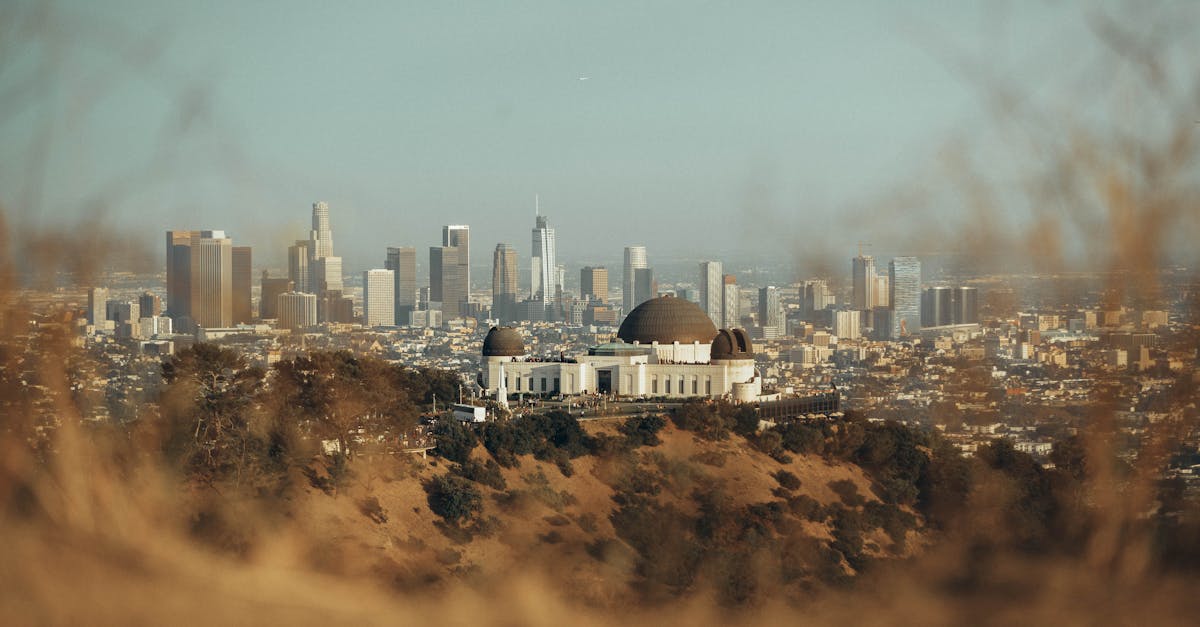
Los Angeles exceeds expectations even when expectations are high. What images cannot convey is the texture — the way air feels on your skin at dusk, the aroma that greets you in the central market, conversations flowing in rhythms that belong only to this place.
This itinerary balances the must-see landmarks with quieter neighborhoods where the city's true character emerges. Eat everything, walk everywhere, and talk to strangers. The city rewards curiosity with generosity.

Hollywood, Griffith & Downtown
Morning (8:00 AM) — Hollywood Walk of Fame: The atmosphere builds gradually as you explore — from initial orientation to genuine immersion. Allow at least an hour, more if you read every plaque and peer around every corner. The surrounding streets offer good cafes for a post-visit debrief over coffee or a cold drink. Check opening hours in advance as seasonal schedules vary.
Mid-Morning (10:30 AM) — Griffith Observatory hike: This is one of Los Angeles's defining experiences — photographs cannot fully convey the combination of visual impact and cultural significance. Spend at least 45 minutes here, preferably in the morning when the light is best and crowds are manageable. The views from elevated sections reward the climb, offering a perspective that reframes the city's layout.
Afternoon (1:00 PM) — Grand Central Market lunch: Arrive early — by midday the tour groups arrive in force. The atmosphere is best appreciated at a slow pace, with stops to absorb details that reveal themselves only to those paying attention. A local guide can unlock layers of meaning invisible to the uninstructed eye. Budget at least an hour and resist the urge to rush.
Late Afternoon (3:30 PM) — The Broad museum: The combination of natural beauty and human history here creates an experience on multiple levels. First-time visitors often focus on the photogenic elements, but the deeper reward comes from understanding why this place exists and what it means to the people who live here. Take your time — the place is not going anywhere.
Evening (6:00 PM) — Walt Disney Concert Hall: What makes this stop essential is how it connects to Los Angeles's larger story — a narrative of decisions, ambitions, and compromises that explain why the city looks and feels the way it does. Experiencing it in person adds a dimension that reading about it cannot replicate.
West Side: Santa Monica, Venice & Getty
Morning (8:00 AM) — Santa Monica Pier and beach: The atmosphere builds gradually as you explore — from initial orientation to genuine immersion. Allow at least an hour, more if you read every plaque and peer around every corner. The surrounding streets offer good cafes for a post-visit debrief over coffee or a cold drink. Check opening hours in advance as seasonal schedules vary.
Mid-Morning (10:30 AM) — Venice Beach boardwalk walk: This is one of Los Angeles's defining experiences — photographs cannot fully convey the combination of visual impact and cultural significance. Spend at least 45 minutes here, preferably in the morning when the light is best and crowds are manageable. The views from elevated sections reward the climb, offering a perspective that reframes the city's layout.
Afternoon (1:00 PM) — Abbott Kinney Boulevard shopping: Arrive early — by midday the tour groups arrive in force. The atmosphere is best appreciated at a slow pace, with stops to absorb details that reveal themselves only to those paying attention. A local guide can unlock layers of meaning invisible to the uninstructed eye. Budget at least an hour and resist the urge to rush.
Late Afternoon (3:30 PM) — Getty Center museum and gardens: The combination of natural beauty and human history here creates an experience on multiple levels. First-time visitors often focus on the photogenic elements, but the deeper reward comes from understanding why this place exists and what it means to the people who live here. Take your time — the place is not going anywhere.
Culture, Koreatown & Sunset
Morning (8:00 AM) — LACMA art galleries: The atmosphere builds gradually as you explore — from initial orientation to genuine immersion. Allow at least an hour, more if you read every plaque and peer around every corner. The surrounding streets offer good cafes for a post-visit debrief over coffee or a cold drink. Check opening hours in advance as seasonal schedules vary.
Mid-Morning (10:30 AM) — La Brea Tar Pits museum: This is one of Los Angeles's defining experiences — photographs cannot fully convey the combination of visual impact and cultural significance. Spend at least 45 minutes here, preferably in the morning when the light is best and crowds are manageable. The views from elevated sections reward the climb, offering a perspective that reframes the city's layout.
Afternoon (1:00 PM) — Koreatown BBQ lunch: Arrive early — by midday the tour groups arrive in force. The atmosphere is best appreciated at a slow pace, with stops to absorb details that reveal themselves only to those paying attention. A local guide can unlock layers of meaning invisible to the uninstructed eye. Budget at least an hour and resist the urge to rush.
Late Afternoon (3:30 PM) — Runyon Canyon sunset hike: The combination of natural beauty and human history here creates an experience on multiple levels. First-time visitors often focus on the photogenic elements, but the deeper reward comes from understanding why this place exists and what it means to the people who live here. Take your time — the place is not going anywhere.
Evening (6:00 PM) — Hollywood sign viewpoint: What makes this stop essential is how it connects to Los Angeles's larger story — a narrative of decisions, ambitions, and compromises that explain why the city looks and feels the way it does. Experiencing it in person adds a dimension that reading about it cannot replicate.

Budget Breakdown (Per Person, 3 Days)
| Category | Budget | Mid-Range | Luxury |
|---|---|---|---|
| Accommodation (3 nights) | $180 | $450 | $1,200 |
| Food & Drinks | $90 | $210 | $600 |
| Transport | $30 | $75 | $180 |
| Activities | $40 | $90 | $250 |
| Total | $340 | $825 | $2,230 |
Practical Tips for Los Angeles
Getting Around
Metro, Uber/Lyft, rental car covers most of Los Angeles. Combine public transport for longer distances with walking for neighborhoods. Download offline maps before arriving. Multi-day transit passes almost always offer better value than single tickets.
When to Visit
Visit Los Angeles during March-May, September-November for comfortable walking weather and accessible outdoor attractions. Shoulder seasons bring fewer crowds and lower prices.
Neighbourhoods to Know
Los Angeles is a collection of distinct cities stitched together by freeways, and understanding its neighbourhoods transforms a confusing sprawl into a navigable map. Downtown Los Angeles (DTLA) is the financial and arts core — the Arts District along E 3rd Street has become the city's most exciting dining corridor, with restaurants like Bestia (pasta and wood-fired meats, mains around $28-38) and Bar Amá (Tex-Mex, dishes $14-22) drawing Angelenos from every corner of the city. Grand Park on South Grand Avenue is free, beautifully landscaped, and the best place to see how diverse the city's population truly is.
Silver Lake and Los Feliz sit east of Hollywood and function as the city's creative heart. Sunset Junction in Silver Lake is packed with independent coffee shops, vinyl record stores, and design boutiques. Sqirl on Virgil Avenue (breakfast plates $14-18) is worth the queue — the ricotta toast and sorrel pesto rice bowl have genuine cult status. Echo Park, immediately south, is grittier and more affordable, with good Vietnamese and Salvadoran restaurants along Sunset Boulevard priced well under $15 a meal.
West Adams and Jefferson Park are the city's most exciting emerging neighbourhoods. These historically Black communities south of Culver City now host some of LA's most talked-about restaurants: Mizlala (Middle Eastern, small plates $9-16), Highly Likely (breakfast and coffee), and Cento Pasta Bar. Getting here requires a car or Uber, but the food quality-to-price ratio is unmatched anywhere in the city.
Koreatown, centred on Wilshire Boulevard between Western and Vermont, is one of the densest urban neighbourhoods in the US. The KBBQ restaurants here operate 24 hours and a full grill-your-own feast with banchan costs $20-30 per person — far cheaper than equivalent experiences in New York or San Francisco. Parks BBQ on Vermont and Quarters Korean BBQ on 6th Street are perennial favourites with locals who know the scene well.
Heading south of the border? Read our Playa del Carmen 3-Day Itinerary for your next adventure.


