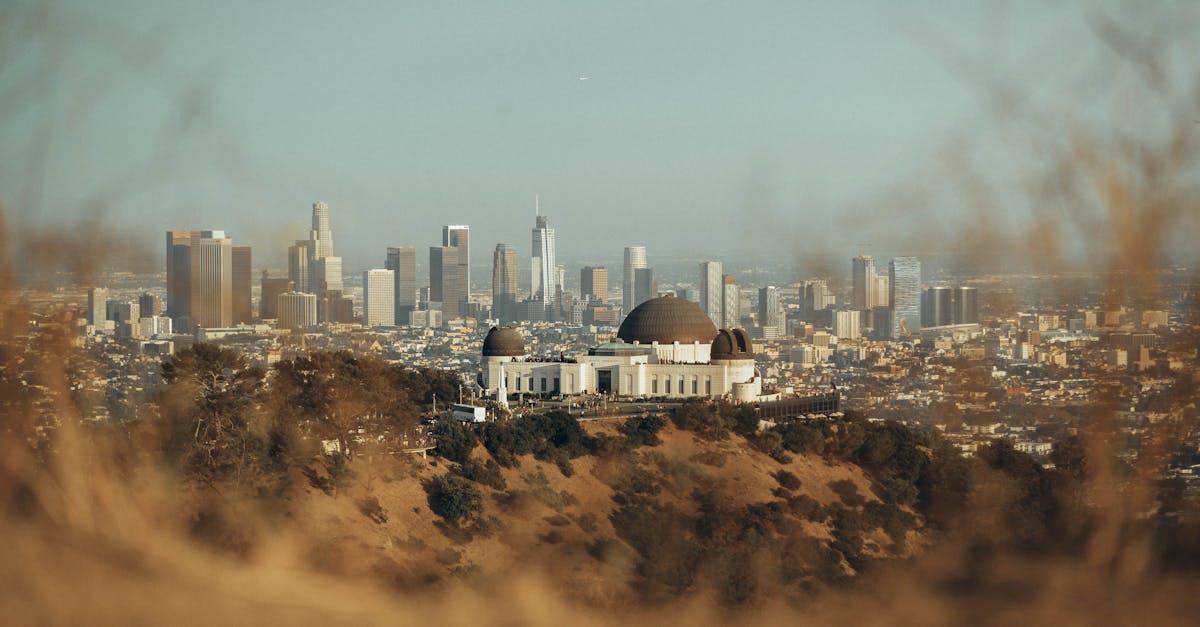
Los Angeles is not one city — it is a confederation of neighborhoods spread across 500 square miles, connected by freeways and, increasingly, a growing Metro rail network. For first-time visitors, the initial shock is the sheer scale and the absence of a recognizable center. Unlike New York or Chicago, LA has no single downtown that anchors daily life. Instead, it operates as a series of villages — each with its own character, food scene, and rhythm. Understanding this from the outset transforms the experience from bewildering to exhilarating. This guide covers everything you need to navigate, eat, stay, and behave like someone who knows what they're doing from the moment you land at LAX.
Before You Arrive
Most international visitors to the United States require either a US Visa or authorization under the Visa Waiver Program (VWP). Citizens of 42 eligible countries — including the UK, Australia, most of Western Europe, Japan, South Korea, and others — can visit for up to 90 days without a traditional visa, but must apply in advance for ESTA (Electronic System for Travel Authorization). ESTA costs USD 21, is processed online at the official CBP website (cbp.gov/esta), and is typically approved within minutes though you should apply at least 72 hours before departure. ESTA is valid for two years and multiple trips. Citizens of countries not in the VWP must apply for a B-2 tourist visa at a US Embassy — processing times vary widely by country, so plan six to twelve weeks ahead.

The US dollar (USD) is the only accepted currency. Carry some cash — taco trucks, smaller taquerias, parking meters, and many food market vendors are cash-only. USD 50-100 in small bills is sufficient for a week's cash needs alongside card payments. ATMs are ubiquitous; use your bank's partner ATMs to avoid fees. Dynamic currency conversion at ATMs (where the machine offers to convert to your home currency) is almost always a worse rate than letting your bank convert — always choose to be charged in USD.
For SIM cards and connectivity, the three practical options are T-Mobile, AT&T, and Google Fi. T-Mobile prepaid tourist SIMs are sold at the airport and online — a 30-day plan with unlimited data costs around USD 30-40 and covers the entire continental US plus Mexico and Canada. AT&T prepaid plans are similar in price and coverage. Google Fi is a strong choice for travelers who will visit multiple US cities or continue to other countries — it charges per gigabyte internationally and automatically connects to the fastest available network. If you have an unlocked eSIM-capable phone, activate before landing.
Car rental reality for LA: Unlike most major cities where you can get by without a car, Los Angeles genuinely rewards having one. Beaches south of Santa Monica, Malibu, Griffith Park hikes, the Pacific Coast Highway — all are dramatically better with a car. Rental rates start at USD 40-60 per day for a compact, with insurance adding USD 15-25/day. Book through comparison sites (Kayak, Expedia) well in advance, especially for weekend dates when inventory at airport desks runs low. Minimum rental age is typically 25; drivers aged 21-24 pay a young driver surcharge of USD 25-35/day at most agencies. The Metro system covers the main tourist corridor adequately, but a 2-3 day car rental for beach and canyon exploration is recommended for anyone staying a week or more.
Getting from the Airport
LAX is one of the largest and busiest airports in the world, and first-time arrivals often find it disorienting. The terminals are arranged in a horseshoe, and ground transportation is accessed by exiting arrivals level, crossing a traffic island, and either waiting for a shuttle bus or walking to the designated zones. Read signage carefully — signage for ride-shares, taxis, shuttles, and buses all points in different directions from different terminals.

The FlyAway bus is the budget-traveler's best option: non-stop coach service from LAX to Union Station (downtown LA, Metro hub) for USD 9.75 per person. Journey time is 45-60 minutes in normal traffic, longer during rush hours. From Union Station you can board the Metro Red Line (B Line) to Hollywood, the Purple Line (D Line) to Koreatown and Wilshire, or the Metro Silver Line bus toward South LA. FlyAway also serves Van Nuys, Hollywood, and Westwood — check schedules online for the most useful stop. Purchase tickets at the FlyAway kiosk on the Lower Level outside baggage claim, or buy online in advance.
Ride-shares (Uber and Lyft) depart from the LAX-it lot, a dedicated pickup zone reached by a free shuttle from all terminals. Look for the LAX-it shuttle signs on the arrivals level. The shuttle runs every few minutes. Expect to pay USD 35-60 to most central LA neighborhoods in standard traffic — more during rush hours or with surge pricing. A ride to Santa Monica runs USD 30-45; to Hollywood or Koreatown, USD 25-40; to downtown, USD 30-50. Splitting with a travel companion brings these to very reasonable rates.
The Metro C Line (Crenshaw/LAX) connects to the broader rail network — check whether the full LAX People Mover link is operational by your travel date, as construction timelines shifted repeatedly. If open, this provides a cheap connection at the standard Metro fare of USD 1.75.
Getting Around the City
Navigating LA requires accepting that you will likely use multiple transport modes within a single day. No single system covers the whole city adequately — the secret is combining Metro rail for major corridors with buses, rideshares, and occasional car rentals for everything else.

The Metro rail network has six lines covering the most important tourist corridors. Buy a TAP card (USD 2 to purchase) at any station kiosk and load value or a day/week pass. Single rides cost USD 1.75; a day pass is USD 5; a weekly pass is USD 25. The TAP card applies your daily cap automatically after three rides. Key lines: the B Line (Red) runs from Union Station through downtown to Hollywood and North Hollywood; the D Line (Purple) extends from Union Station through Koreatown to Wilshire/Western and eventually to Westwood; the A Line (Blue/Expo) runs from downtown through Culver City and out to Santa Monica and Long Beach. Google Maps and the Metro app provide real-time journey planning.
DASH buses are neighborhood circulator services costing USD 0.50 per ride — invaluable for getting around specific areas like Hollywood, downtown, and Fairfax without walking. The Big Blue Bus covers Santa Monica and the Westside at USD 1.25/ride. These integrate with Metro using the TAP card.
For trips to Malibu, beach communities, or the canyons, a car rental or Uber is the realistic option. Keep the Uber app loaded and compare peak versus off-peak pricing — a quiet Tuesday afternoon Uber to Venice is USD 15-20 from Koreatown, while the same trip on a Saturday morning can be USD 35+. LA traffic is predictably bad on the 405, 101, and 10 freeways between 7-10am and 4-8pm on weekdays.
Where to Base Yourself
Where you stay in LA shapes your entire experience. Each major neighborhood has a distinct personality, and the right choice depends on your priorities — beach access, food culture, nightlife, or Metro connectivity.

Santa Monica and Venice (hotel rates: USD 150-350/night) are the most popular bases for international visitors, and for good reason: beach access, walkability, the Third Street Promenade for shopping, and a real pedestrian culture rare in LA. The downside is cost — budget options are limited, and the neighborhood can feel like a polished tourist enclave rather than genuine LA. HI Santa Monica hostel (USD 45-70 dorm) is the exception. The Expo Line Metro connects Santa Monica to the rest of the city, though service every 10-12 minutes means you'll want to plan around the schedule. Best for: first-time visitors who want beach mornings and easy walkability as their baseline.
Koreatown (hotel rates: USD 90-180/night) is the most strategically central neighborhood in LA — equidistant from downtown, Hollywood, and the Westside, with direct Purple Line Metro access. It is dense, energetic, and home to arguably the best dining scene in the entire city at the most accessible prices. The streets are busy around the clock, the KBBQ spots serve until 2am, and the area has a genuine urban hum that LA's more suburban neighborhoods lack. Best for: travelers who want good food, Metro access, and neighborhood character without tourist-district pricing.
Silver Lake and Los Feliz (hotel rates: USD 110-220/night) are the hipster heartlands of Los Angeles — independent coffee shops, record stores, creative agencies, and excellent restaurants run by serious chefs. Silver Lake Reservoir and Griffith Park create genuine green space. The Metro Red Line station at Vermont/Sunset provides rail access. Less polished than Santa Monica but more interesting. Best for: travelers who want to experience the LA that Angelenos actually live in, with easy access to Griffith Observatory and the hiking trails above the city.
Local Culture & Etiquette
American etiquette differs meaningfully from most other countries, and LA has additional California-specific customs layered on top. Understanding both prevents awkward moments and ensures smooth interactions from your first meal to your last Uber ride.

Tipping is not optional in the United States. Service industry workers — servers, bartenders, barbers, ride-share drivers, hotel housekeeping — earn their living primarily through tips because US labor law permits tipped workers to be paid as little as USD 2.13/hour federally (California's minimum is higher, but tips remain culturally expected). Treat tipping as a fixed cost of service, not a reward for excellence. Standard rates: restaurants and bars 18-20% of the pre-tax total (the receipt will often show suggested amounts — 18% is acceptable, 20% is standard, 25% is excellent); ride-shares 15-20%; hotel housekeeping USD 3-5 per night left in cash on the pillow; barbers and hair salons 20%. At coffee shops with a tip jar, USD 1 per drink is appropriate for counter service.
Californian wellness culture is pervasive and genuine. Dietary preferences — vegan, gluten-free, dairy-free, nut-free — are taken seriously at restaurants and rarely treated as an imposition. Feel free to ask servers about ingredients or modifications; this is entirely normal. Smoking is banned in virtually all indoor public spaces, restaurants, bars, offices, and within 20 feet of doorways. Cannabis is legal in California for adults 21+, but consumption in public spaces is prohibited — smoke only in private residences or licensed lounges.
Jaywalking is technically illegal in California (recently reformed to be permitted when safe, but traffic enforcement norms still apply). Cross at signals and wait for the walk signal — California drivers expect pedestrians to follow signals, unlike cities like New York where jaywalking is universal. Recycling and composting are taken seriously — most LA restaurants and hotels have separate bins, and locals actively sort waste. Follow the color coding on bins.
Noise and personal space: Americans maintain larger personal space bubbles than many cultures. Phone calls in public are normal and unremarkable. Queue-jumping is considered extremely rude — LA's lines at popular food trucks and coffee shops are real social contracts. Cutting the line marks you immediately as an outsider and generates genuine hostility.
Common Mistakes to Avoid
First-time LA visitors reliably make the same set of errors. Avoiding these seven will save time, money, and considerable frustration.
1. Underestimating distances and travel times. "Just 10 miles away" in LA can mean 45 minutes in traffic. The Google Maps default travel time estimate assumes moderate traffic — during rush hours (7-10am, 4-8pm on weekdays) those same 10 miles can take 90 minutes on the freeway. Always add 30-50% to driving estimates during peak hours. The Metro is not affected by traffic and is often the faster option on its served corridors.
2. Staying in Hollywood and expecting atmosphere. The Hollywood Walk of Fame is a concrete sidewalk through a moderately run-down commercial strip. It is worth seeing for 30 minutes and then leaving. Staying there for an entire trip means overpaying for accommodation in a neighborhood that offers little beyond tourist infrastructure. Silver Lake, Koreatown, and Santa Monica all offer more value and better experiences.
3. Not booking Griffith Observatory parking in advance. The Observatory lot is free but small, and fills completely before 10am on weekends. Either arrive before 9am, take the DASH Observatory bus (USD 0.50), or book the lot through the reservation system if currently operational. Arriving at 11am expecting to drive up is a common and costly mistake.
4. Skipping the Getty Center because "it's free so it can't be good." The Getty Center is one of the finest art museums in North America, purpose-built on a hilltop with extraordinary architecture, gardens, and city views, and it costs nothing to enter. It beats many USD 30-40 museums in peer cities for collection quality. Not going because it seems too easy is one of the most common first-timer errors in LA.
5. Renting a car without understanding LA parking costs. Parking in Santa Monica, Beverly Hills, and West Hollywood can cost USD 6-15/hour at commercial lots. Downtown LA parking structures run USD 15-30/day. Valet parking at restaurants adds USD 10-20 to every dinner. Budget for parking explicitly — it adds up to USD 30-50 per day in parking-intensive itineraries. When possible, park once and walk between clustered destinations.
6. Drinking tap water hesitancy. LA tap water is safe to drink and meets all federal standards. Many visitors buy bottled water throughout their trip — this is a USD 3-5 per day unnecessary expense. Bring a refillable bottle. Every hotel, hostel, restaurant, and most parks have drinking water available.
7. Missing the Pacific Coast Highway drive. The PCH along Malibu and continuing north toward Ventura is one of the most spectacular coastal drives in the world and is completely free. First-time visitors who spend their entire LA trip within the central city miss one of the defining California experiences. Even a one-way drive from Santa Monica to Point Mugu (about 30 miles) on a clear day is worth the car rental fee.