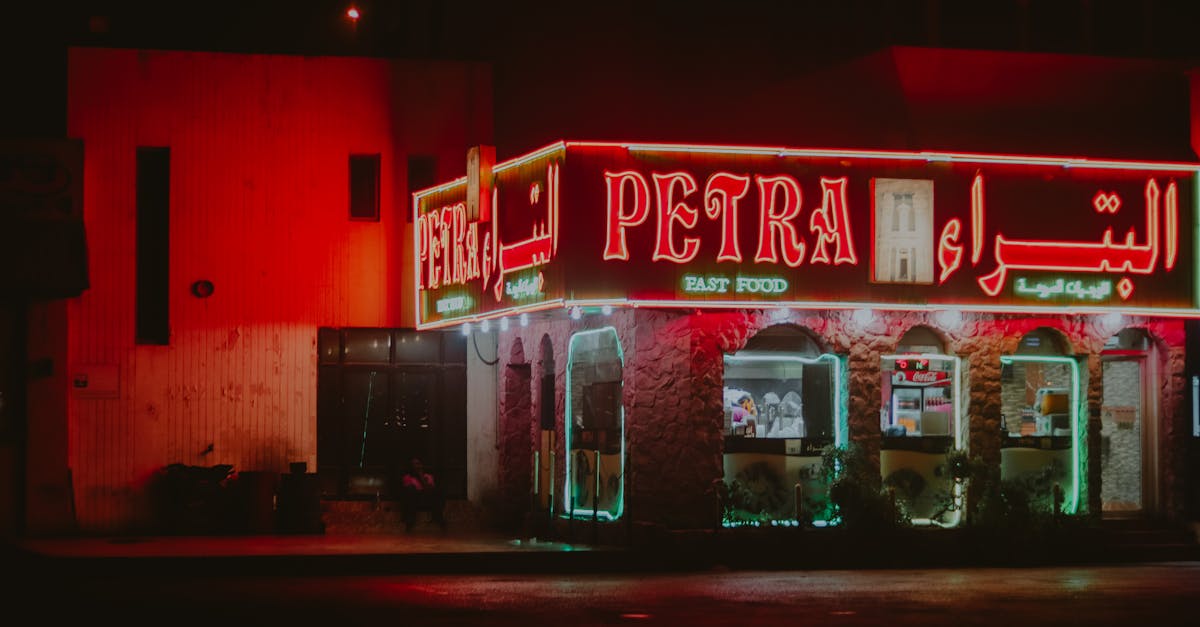
Kuwait City is the least-visited Gulf capital, and that's precisely what makes it interesting to budget travelers. Without the tourism economy of Dubai or Doha, Kuwait City prices its everyday goods and services for residents — Kuwaiti families, Indian and Filipino expat workers, and the substantial Egyptian and Levantine middle class that powers much of the country's commercial life. Budget eating, public buses, and walking the older quarters of the city all remain genuinely affordable. The catch is that the Kuwaiti Dinar (KWD) is one of the world's most valuable currencies — roughly USD 3.27 to one dinar — and the small numbers on price tags often disguise spending that adds up faster than first-timers expect. A frugal but comfortable Kuwait City trip works on KWD 18–30 per day if you skip the malls, eat where Kuwaitis actually eat, and use Careem strategically. This guide breaks down each category so you know exactly where every dinar goes.
Getting There on a Budget
Jazeera Airways, Kuwait's homegrown low-cost carrier, is genuinely the cheapest way into the country from many regional origins. Jazeera flies to roughly 60 destinations across the Middle East, South Asia, the Caucasus, and parts of Europe, and one-way fares from Indian metros, Cairo, Istanbul, Tbilisi, and Eastern European cities frequently drop to KWD 25–55 during sales. The airline operates from a dedicated terminal (Terminal 5) at Kuwait International Airport (KWI) and the booking process at jazeeraairways.com is straightforward.

Kuwait Airways is the national carrier and operates a wider long-haul network than Jazeera. Fares are higher but competitive sales bring return prices from Europe down to KWD 150–220 and from South Asia to KWD 60–110. Booking six to ten weeks in advance and avoiding Friday-Saturday departures both produce noticeably better fares.
Other regional low-cost carriers — flydubai, Air Arabia, SalamAir from Oman — operate competitive fares from Dubai, Sharjah, and Muscat respectively. Combining a Kuwait City visit with another Gulf city using these carriers is often cheaper than a single direct fare from Europe or North America.
From the United States and Western Europe, expect KWD 350–600 for return economy fares to Kuwait, with summer months (June through August) dropping by 25–35 percent for travelers willing to brave the extreme heat.
Kuwait offers an eVisa for around 50 nationalities including the UK, US, EU member states, Australia, Canada, and many Asian and Latin American countries. Apply at evisa.moi.gov.kw — the single-entry tourist visa costs KWD 3 and approval typically arrives within 72 hours. Visa-on-arrival exists for the same nationalities but the eVisa is faster and avoids airport queues. GCC citizens enter freely.
Budget Accommodation
Kuwait City has no hostel scene whatsoever. There are no dorm beds, no backpacker guesthouses, and no shared-room accommodation. The cheapest practical option is a small independent hotel or an off-season rate at a mid-range chain. Apartment rentals via Airbnb and Booking.com fill the gap that hostels would otherwise occupy, and these often produce the best value for stays of three nights or longer.

Le Park Hotel in the Salmiya area is the most reliable bottom-of-market choice. Standard double rooms typically run KWD 15–25 per night with occasional weekday rates dropping to KWD 12. The hotel is genuinely basic — small rooms, dated bathrooms, intermittent wifi — but it's clean, the location is well-connected by bus to central Kuwait City, and Salmiya itself is a lively neighborhood with cheap restaurants and a busy waterfront promenade.
Holiday Inn Sabhan sits in the industrial Sabhan area south of the city center but offers reliable mid-range comfort at unusually competitive rates — KWD 22–35 per night with breakfast, dropping further during summer and on weekdays. The location is awkward for tourists (you'll need Careem for almost everything), but the price-to-quality ratio is hard to beat for travelers who don't mind the commute.
Apartments via Airbnb and Booking.com in Salmiya, Hawalli, and Sharq frequently undercut hotels for stays of three nights or longer, with studio apartments available from KWD 18–28 per night. These neighborhoods are central enough for tourist purposes (Sharq in particular puts you walking distance from Souq Al-Mubarakiya), and a kitchen lets you control food costs significantly.
Mid-range chains in Kuwait City Centre — Crowne Plaza, Holiday Inn Downtown, Best Western — drop their published rates aggressively during slow weeks, sometimes hitting KWD 28–45 for double rooms with breakfast. These are listed on Booking.com at sticker prices KWD 60–100 but the actual paid rates are routinely much lower. Always check Agoda and Booking on the day of departure or the day before for last-minute drops.
Eating Cheaply Like a Local
Eating cheaply in Kuwait City means eating where the city's enormous expatriate community actually eats — Indian, Pakistani, Bangladeshi, Egyptian, Filipino, Iranian, and Sri Lankan restaurants in Hawalli, Salmiya, Sharq, and the older parts of Kuwait City. A full meal at one of these places runs KWD 1–2.500. The same meal at a mall food court costs three to four times as much.

Souq Al-Mubarakiya is the cultural heart of cheap Kuwaiti eating. The traditional restaurants in and around the souq serve machboos — Kuwait's version of the spiced rice and meat dish you'll find across the Gulf — for KWD 1.500–2.500 per generous plate. The chicken machboos with tomato sauce on the side is a Kuwaiti staple and the souq's evening eating crowds confirm its quality. Pair with a glass of laban (yoghurt drink) for another 250 fils.
Fried fish and rice at the small seafood restaurants along the Sharq waterfront is one of Kuwait's iconic budget meals — fresh hammour or zubaidi (silver pomfret) fried in front of you, served with rice, salad, and lime, for KWD 2–3.500. Look for restaurants where the fish is on display in ice and the queue includes Kuwaitis as well as expat workers.
Harees — slow-cooked wheat and meat porridge — is a traditional dish typically served at breakfast or after iftar during Ramadan, available at small Kuwaiti restaurants for KWD 1–1.500.
Indian and Pakistani restaurants in Hawalli serve massive plates of biryani, curry with rice, or grilled meats for KWD 1–2. Karachi Restaurant and Bukhari Restaurant are local institutions where the food is unsentimental and the portions feed manual laborers. Expect to wait at lunch and dinner — these are popular places.
Egyptian foul and tameya (the Kuwaiti name for fava bean stew and falafel) breakfast for 500 fils to 1 KWD at small Egyptian-owned cafes is one of the cheapest reliable meals in the city. Try Foul El-Halab or any small Egyptian breakfast spot in Hawalli.
KFC, Pizza Hut, and the Saudi Albaik chain all have presences in Kuwait and offer combo meals from KWD 1.500–2.500. These are the dependable cheap option for travelers who can't find their footing in local restaurants on the first day.
Free & Low-Cost Attractions
Kuwait City has more free and very-cheap attractions than its reputation suggests, and the highlights cluster geographically along the Arabian Gulf Road and around the older central districts.

Souq Al-Mubarakiya is the city's oldest and most atmospheric market, completely free to wander, and one of the best places in the Gulf to spend an evening. The souq covers spice alleys, perfume shops, gold and silver merchants, dates and nuts vendors, and dozens of small restaurants. The atmosphere peaks after sunset, especially on weekend evenings (Thursday and Friday). Plan two to three hours minimum.
Grand Mosque (Masjid Al-Kabir) is one of the largest mosques in the Gulf and entry is genuinely free. Guided tours run multiple times daily in English and Arabic — staff loan abayas to women free of charge and the tours typically include the main prayer hall, the women's section, and the courtyard. The mosque's chandeliers, the carved wooden ceiling, and the calligraphy work are remarkable. Closed during prayer times to non-Muslim visitors.
Al Shaheed Park, Kuwait's central urban park, is free to enter and one of the most pleasant green spaces in the city. The park sits over the city's first defensive wall and includes two small museums (the Memorial Museum and the Habitat Museum) with very modest entry fees of KWD 1–2 each. The walking paths, water features, and city skyline views make it a genuinely worthwhile free attraction.
Kuwait Towers — the iconic three-tower complex on the Arabian Gulf — charges KWD 3 for the observation deck visit. The viewing tower has 360-degree views of the city and the gulf, and even budget travelers should make this exception. Avoid sunset on weekends when the queues stretch up to an hour.
The Avenues Mall isn't an attraction in the traditional sense, but Kuwaitis treat it as a public square — and the Grand Avenue's vaulted ceiling, designed to evoke European arcade galleries, is genuinely impressive architecture. Entry and wandering cost nothing.
Tareq Rajab Museum in Jabriya houses one of the world's most important private collections of Islamic art and ethnographic objects — entry is free though donations are appreciated. This is one of Kuwait City's most underrated cultural institutions and a genuine highlight for travelers interested in Islamic art.
Getting Around on a Budget
Kuwait City is a sprawling, car-centric capital — the country was wealthy enough during its 1970s oil boom to design itself around private automobiles, and walking is challenging outside specific areas like Souq Al-Mubarakiya, Kuwait City Centre, and the Salmiya waterfront. Budget transport relies on a combination of public buses for set routes and Careem for everything else.

Kuwait Public Transport Company (KPTC) buses run a flat fare of KWD 0.250 (250 fils) per journey, paid in cash to the driver. Routes are extensive but slow — buses run roughly every 15–30 minutes and traffic in Kuwait City is unforgiving. Useful tourist routes include the 102 (city center to Salmiya), 200 (city center to Kuwait Towers area), and 999 (long-distance route to the southern suburbs). The CityBus app is more useful than the official KPTC site for real-time arrivals.
Careem dominates the ride-hailing market in Kuwait — Uber pulled out of the country years ago and Careem now operates without serious competition. Pricing is transparent in the app, surge pricing is moderate except during peak Friday evenings, and standard rides within central Kuwait City run KWD 1.500–3. Airport transfers cost KWD 4–8.
Standard taxis exist but they are usually unmetered — drivers negotiate flat fares that often overcharge tourists by 30–50 percent. Stick to Careem unless you're confident in negotiating in Arabic.
Money-Saving Tips
Kuwait City rewards budget travelers who plan around the seasonal patterns and avoid the obvious tourist traps. These tips compound — adopting all of them can shave 30–40 percent off a typical Kuwait City trip budget.
Visit between November and March for tolerable weather and competitive hotel rates. Kuwait's summer (May through September) regularly hits 50°C and is the most extreme heat in the entire Gulf — outdoor sightseeing during midday is genuinely dangerous. Visiting in summer cuts hotel rates by 30–40 percent but the trade-off is severe.
Avoid National Day and Liberation Day (February 25–26), when hotel rates double and the city is at full tourist capacity. The week before and after also runs higher than the rest of the off-peak season.
Eat in Hawalli, Salmiya, and Mubarakiya rather than at malls and hotel restaurants. The same plate of biryani that costs KWD 1.500 at a Hawalli cafeteria runs KWD 5–8 at a mall food court.
Use Careem consistently rather than mixing it with unmetered taxis. Careem's app-based pricing protects against tourist overcharging.
Skip alcohol entirely — Kuwait is dry, so you can't spend money on it even if you wanted to. This is one of the few places where the alcohol-free environment actively saves money.
Walk Souq Al-Mubarakiya, Kuwait City Centre, and the Salmiya waterfront rather than taxiing within these areas. They're all walkable internally; only the connections between them require Careem.
Group attractions geographically — Souq Al-Mubarakiya and Grand Mosque in one half-day, Kuwait Towers and Al Shaheed Park in another. This minimizes Careem fares and avoids backtracking through traffic.