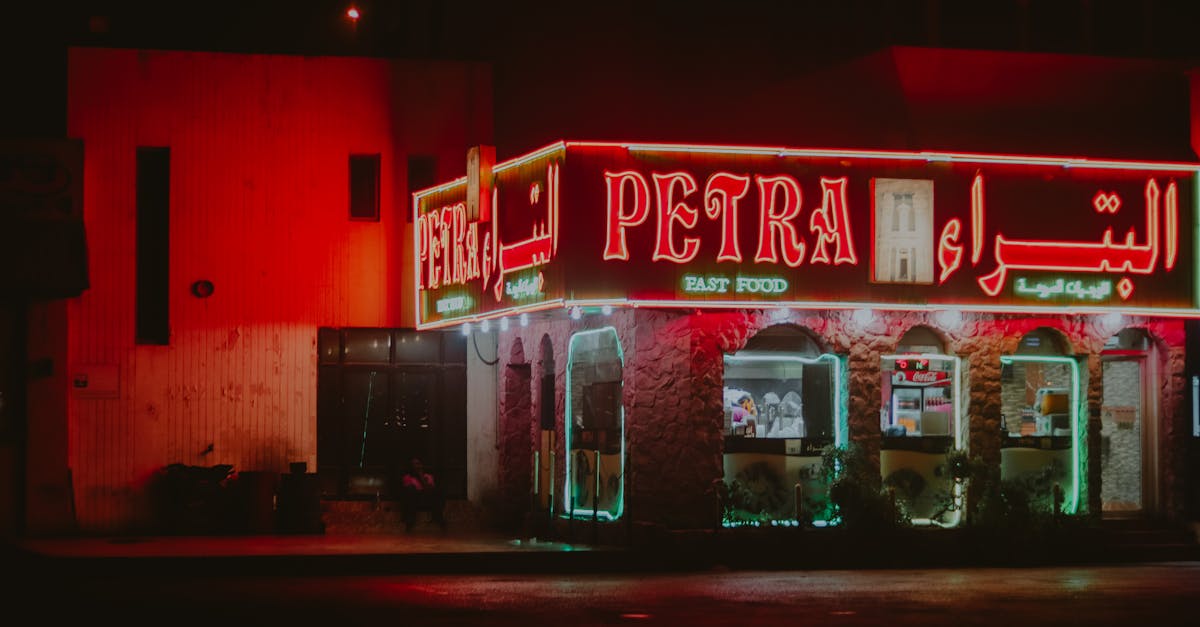
Kuwait City reveals itself slowly to those willing to look beyond the guidebook summaries. The food tells stories that architecture alone cannot, and the rhythm of daily life carries a cadence that no amount of tourist infrastructure can replicate.
Three days is enough to fall under its spell, to eat meals that recalibrate your expectations, and to walk streets that hold past and present in productive tension. Come with comfortable shoes and an open appetite.

Kuwait Towers & Old Town
Morning (8:00 AM) — Kuwait Towers observation deck: The atmosphere builds gradually as you explore — from initial orientation to genuine immersion. Allow at least an hour, more if you read every plaque and peer around every corner. The surrounding streets offer good cafes for a post-visit debrief over coffee or a cold drink. Check opening hours in advance as seasonal schedules vary.
Mid-Morning (10:30 AM) — Grand Mosque guided tour: This is one of Kuwait City's defining experiences — photographs cannot fully convey the combination of visual impact and cultural significance. Spend at least 45 minutes here, preferably in the morning when the light is best and crowds are manageable. The views from elevated sections reward the climb, offering a perspective that reframes the city's layout.
Afternoon (1:00 PM) — Souq Mubarakiya market: Arrive early — by midday the tour groups arrive in force. The atmosphere is best appreciated at a slow pace, with stops to absorb details that reveal themselves only to those paying attention. A local guide can unlock layers of meaning invisible to the uninstructed eye. Budget at least an hour and resist the urge to rush.
Late Afternoon (3:30 PM) — Sadu House weaving museum: The combination of natural beauty and human history here creates an experience on multiple levels. First-time visitors often focus on the photogenic elements, but the deeper reward comes from understanding why this place exists and what it means to the people who live here. Take your time — the place is not going anywhere.
Evening (6:00 PM) — Al Shaheed Park walk: What makes this stop essential is how it connects to Kuwait City's larger story — a narrative of decisions, ambitions, and compromises that explain why the city looks and feels the way it does. Experiencing it in person adds a dimension that reading about it cannot replicate.
Museums & Scientific Center
Morning (8:00 AM) — Kuwait National Museum: The atmosphere builds gradually as you explore — from initial orientation to genuine immersion. Allow at least an hour, more if you read every plaque and peer around every corner. The surrounding streets offer good cafes for a post-visit debrief over coffee or a cold drink. Check opening hours in advance as seasonal schedules vary.
Mid-Morning (10:30 AM) — Liberation Tower views: This is one of Kuwait City's defining experiences — photographs cannot fully convey the combination of visual impact and cultural significance. Spend at least 45 minutes here, preferably in the morning when the light is best and crowds are manageable. The views from elevated sections reward the climb, offering a perspective that reframes the city's layout.
Afternoon (1:00 PM) — Scientific Center and aquarium: Arrive early — by midday the tour groups arrive in force. The atmosphere is best appreciated at a slow pace, with stops to absorb details that reveal themselves only to those paying attention. A local guide can unlock layers of meaning invisible to the uninstructed eye. Budget at least an hour and resist the urge to rush.
Late Afternoon (3:30 PM) — The Avenues Mall: The combination of natural beauty and human history here creates an experience on multiple levels. First-time visitors often focus on the photogenic elements, but the deeper reward comes from understanding why this place exists and what it means to the people who live here. Take your time — the place is not going anywhere.
Evening (6:00 PM) — Mirror House art: What makes this stop essential is how it connects to Kuwait City's larger story — a narrative of decisions, ambitions, and compromises that explain why the city looks and feels the way it does. Experiencing it in person adds a dimension that reading about it cannot replicate.
Failaka Island & Waterfront
Morning (8:00 AM) — Ferry to Failaka Island: The atmosphere builds gradually as you explore — from initial orientation to genuine immersion. Allow at least an hour, more if you read every plaque and peer around every corner. The surrounding streets offer good cafes for a post-visit debrief over coffee or a cold drink. Check opening hours in advance as seasonal schedules vary.
Mid-Morning (10:30 AM) — Greek temple ruins walk: This is one of Kuwait City's defining experiences — photographs cannot fully convey the combination of visual impact and cultural significance. Spend at least 45 minutes here, preferably in the morning when the light is best and crowds are manageable. The views from elevated sections reward the climb, offering a perspective that reframes the city's layout.
Afternoon (1:00 PM) — Ikaros archaeological site: Arrive early — by midday the tour groups arrive in force. The atmosphere is best appreciated at a slow pace, with stops to absorb details that reveal themselves only to those paying attention. A local guide can unlock layers of meaning invisible to the uninstructed eye. Budget at least an hour and resist the urge to rush.
Late Afternoon (3:30 PM) — Return to Kuwait City: The combination of natural beauty and human history here creates an experience on multiple levels. First-time visitors often focus on the photogenic elements, but the deeper reward comes from understanding why this place exists and what it means to the people who live here. Take your time — the place is not going anywhere.
Evening (6:00 PM) — Sharq waterfront dinner: What makes this stop essential is how it connects to Kuwait City's larger story — a narrative of decisions, ambitions, and compromises that explain why the city looks and feels the way it does. Experiencing it in person adds a dimension that reading about it cannot replicate.

Budget Breakdown (Per Person, 3 Days)
| Category | Budget | Mid-Range | Luxury |
|---|---|---|---|
| Accommodation (3 nights) | KWD 60 | KWD 150 | KWD 450 |
| Food & Drinks | KWD 20 | KWD 50 | KWD 150 |
| Transport | KWD 10 | KWD 25 | KWD 75 |
| Activities | KWD 5 | KWD 15 | KWD 50 |
| Total | KWD 95 | KWD 240 | KWD 725 |
Practical Tips for Kuwait City
Getting Around
Taxis, Uber/Careem covers most of Kuwait City. Combine public transport for longer distances with walking for neighborhoods. Download offline maps before arriving. Multi-day transit passes almost always offer better value than single tickets.
When to Visit
Visit Kuwait City during November-March for comfortable walking weather and accessible outdoor attractions. Shoulder seasons bring fewer crowds and lower prices.
Local Culture & Etiquette
Kuwait is a conservative Muslim country where public behaviour is governed by social norms that differ meaningfully from Western defaults. Understanding these customs is not merely polite — it will fundamentally change the quality of your interactions and the depth of hospitality extended to you. Kuwaitis are among the most welcoming hosts in the Gulf when visitors approach their culture with genuine respect rather than entitled curiosity.
Dress conservatively throughout the city — not just at mosques. Women should cover shoulders and knees in public spaces, shopping malls, and markets. Men should avoid shorts in traditional areas like Souq Mubarakiya. Both rules are relaxed somewhat in modern malls and hotel districts, but erring toward modesty will always earn respect. At the Grand Mosque, women receive an abaya at the entrance for the duration of the tour at no charge. Remove shoes before entering any mosque. Photography inside religious buildings requires explicit permission from staff.
Ramadan transforms Kuwait City entirely. During the holy month (dates shift annually — check in advance), eating, drinking, and smoking in public during daylight hours is illegal for all people, including tourists. Restaurants either close until sunset or operate via discreet back-door service for hotels. The compensation is extraordinary: iftar (the sunset breaking of the fast) at a restaurant or with a Kuwaiti family is one of the Gulf's great food experiences, with spreads of harees (wheat and meat porridge), machboos (spiced rice with meat), and luqaimat (honey fritters) that appear nowhere else in such abundance. Dinner reservations during Ramadan evenings should be made weeks ahead.
Public displays of affection are not acceptable anywhere in Kuwait, including between married couples. Alcohol is completely prohibited throughout the country — there are no licensed bars, and importing alcohol through customs carries serious legal penalties. Non-alcoholic alternatives are excellent, however: fresh lemon mint juice (KWD 1–2), karak chai (spiced tea with evaporated milk, KWD 0.25–0.50 from street stalls), and a wide range of tropical fruit juices are available everywhere. Friday is the holy day, with many businesses closed until mid-afternoon — plan your Day 3 Failaka Island trip accordingly, as ferry schedules change on Fridays.
Heading back to the Levant? Read our Beirut 3-Day Itinerary for your next adventure.