Switzerland's adventure capital rarely gets praised for affordability — and honestly, the reputation for eye-watering prices is not entirely undeserved. But Interlaken rewards the resourceful traveller. Wedged between the turquoise Brienzersee and Thunersee, with the Jungfrau massif looming at every turn, this alpine town offers genuinely life-changing experiences without requiring a second mortgage. The trick is knowing exactly where to spend, where to save, and how to time your visit. Budget travellers who do their research find that the natural landscape itself costs nothing, the supermarkets are exceptional, and the hostel scene is among the liveliest in the Swiss Alps.
Getting There on a Budget
The cheapest entry point to Interlaken is flying into Bern Airport (BRN), roughly an hour away. Budget carriers including EasyJet serve Bern regularly from UK and European cities, and the bus-train connection into Interlaken is straightforward. That said, Zurich Airport (ZRH) often has far more flight options and better fares from long-haul origins — the direct train to Interlaken Ost runs around two hours and costs CHF 58 one-way at standard pricing, though advance SuperSaver tickets on the SBB website can cut this to CHF 29-39 if you book several weeks out.

From Basel or Geneva, the same SuperSaver booking strategy applies. Swiss Federal Railways (SBB) releases discounted fares roughly 60 days in advance, and flexibility on departure times — particularly mid-morning or early afternoon slots — dramatically increases your chances of snagging the cheapest seats. The Saver Day Pass (CHF 52 for second class on a single day) is worth considering if you plan to move around the country on arrival day before settling in.
For those already in Europe, FlixBus routes serve Interlaken with connections from Munich, Zurich, and other major hubs at fares that can drop below CHF 15 — travel time is longer but the savings are real. Night coaches from cities like Amsterdam or Berlin let you save on a night's accommodation while you travel, arriving refreshed at Interlaken West station around dawn.
If you're visiting from the UK, London St Pancras to Interlaken by Eurostar and connecting Swiss trains is a genuinely scenic option with advance booking totalling around CHF 130-160 return — competitive once you factor in check-in times and city-centre station arrivals at both ends. The Berner Oberland regional trains that connect Interlaken to neighbouring villages run with Swiss precision and their own affordable day-passes.
Budget Accommodation
Interlaken punches well above its size in hostel quality, driven by the enormous backpacker trade that floods the town from May through October. The concentration of budget beds in and around Interlaken Ost — the eastern station area — makes it easy to hop between options until you find the right vibe.

Backpackers Villa Sonnenhof is consistently the most-loved budget option in town. Set in a converted villa with lake and mountain views from the garden, it offers dorm beds from around CHF 42-48 per night in summer. The on-site infrastructure is excellent — an in-house adventure booking desk, a well-equipped kitchen, reliable wi-fi, and a social atmosphere that makes it easy to find fellow travellers to split activity costs with. The five-minute walk to Interlaken Ost keeps you central without the noise of the main drag.
Swiss Inn Backpackers sits close to Interlaken West and attracts a slightly older independent traveller crowd. Dorm rates hover between CHF 38-52 depending on season, and the hostel's connections with local activity operators occasionally translate into small discounts for guests. The self-catering kitchen is spacious, the common areas bright, and the staff genuinely knowledgeable about stretching a budget in the Berner Oberland.
Funny Farm Hostel earns its name — this relaxed, somewhat bohemian property about a 20-minute walk from Interlaken West has a loyal following among budget travellers who prioritise atmosphere over polish. Dorm beds from CHF 32-40 make it the cheapest legitimate option in the area, and the owners run it with evident affection. It's best suited to independent souls happy to be slightly off-centre in exchange for character and cost savings.
For those travelling as a pair or small group, consider the cheapest private rooms at these hostels — often CHF 90-120 per room — which can undercut hotel rates significantly while providing more comfort than a mixed dorm. Booking directly through hostel websites rather than via aggregators sometimes saves an additional 5-10%.
Eating Cheaply Like a Local
Switzerland's reputation for expensive food is mostly justified in restaurants, where a sit-down dinner can easily run CHF 30-45 per head before drinks. The budget solution is familiar to any experienced traveller in high-cost countries: anchor your eating strategy around supermarkets, supplement with carefully chosen cheap eateries, and treat restaurant meals as an occasional indulgence rather than a daily habit.

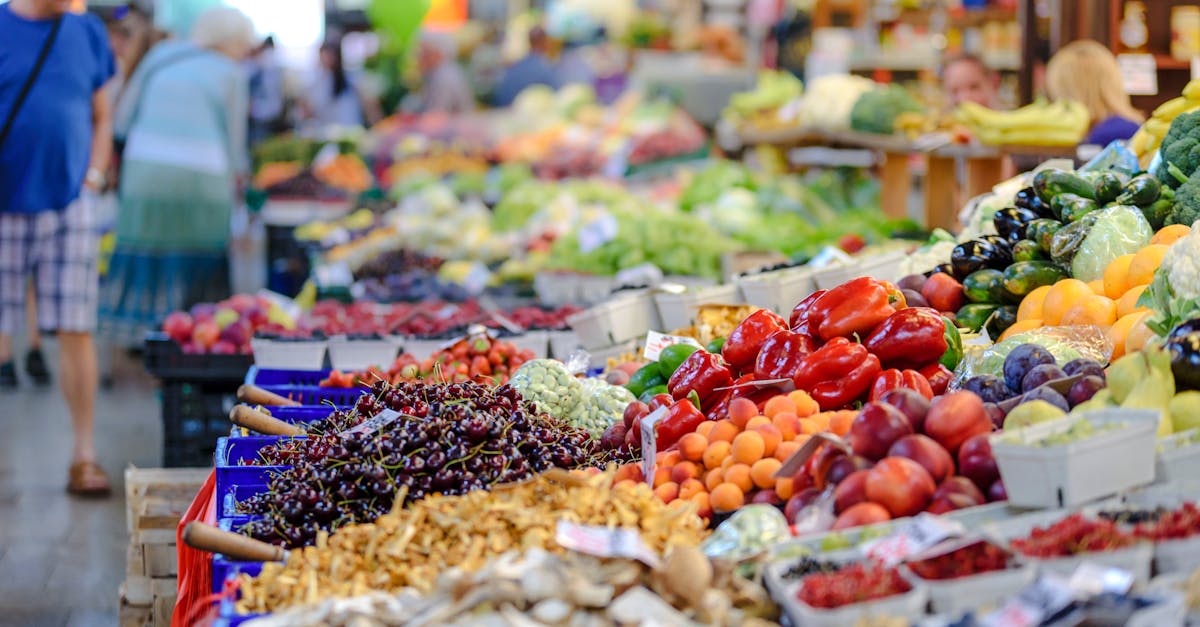
The Migros supermarket on Rosenstrasse is your best friend. Switzerland's largest retail chain maintains genuinely excellent ready-meal and deli sections — think warm roast chickens (CHF 9.90), fresh pasta dishes (CHF 5-8), quality sandwiches (CHF 3.50-5.50), and a rotating selection of marked-down items near closing time. The in-house bakery produces affordable pastries and bread from early morning. A full day's food budget of CHF 18-22 per person is entirely achievable eating primarily from Migros.
The Manor department store on Höheweg houses a ground-floor self-service restaurant that locals actually use — a rarity in tourist-heavy Interlaken. The food court format lets you build a plate for CHF 12-16, including hot mains, salads, and desserts, and the quality is consistently better than you'd expect at that price point. It's an excellent lunch spot when you want a warm sit-down meal without restaurant prices.
Taverne on Hauptstrasse is one of the more honest value-for-money restaurants in central Interlaken, with a rotating daily special (Tagesmenü) that typically includes soup, main course, and a non-alcoholic drink for CHF 18-22. Order the daily special rather than à la carte and you're getting real Swiss cooking — rösti, geschnetzeltes, fondue in winter — at genuinely reasonable prices by local standards.
The Coop supermarket near the West station offers similarly competitive prices to Migros with slight variation in product ranges — worth knowing for variety if you're cooking in a hostel kitchen. The Bäckerei Gerber bakery produces exceptional bread and filled rolls for CHF 2-4, making it ideal for assembling a packed lunch before a mountain day. Pack your own snacks and a filled water bottle before any outdoor excursion — prices at mountain restaurants and cable car stations can be two to three times street level.
Free & Low-Cost Attractions
The fundamental insight about Interlaken on a budget is that the most spectacular experiences cost nothing at all. The town exists within a natural theatre of staggering proportions, and simply being present — walking the lakeshores, gazing at the Jungfrau massif, watching paragliders spiral down from the Harder Kulm — is itself the attraction.

The Harder Kulm viewpoint trail can be hiked rather than taken by funicular. The ascent takes 60-90 minutes on well-marked paths from Interlaken Ost, gaining around 700 metres of elevation through forest and alpine meadow. The panoramic views from the summit — both lakes, the entire Bernese Alps from Eiger to Blümlisalp — are identical to those paying CHF 13 each way for the funicular. On a clear morning, this is one of the finest free walks in Switzerland.
The lakeshore paths around both Thunersee and Brienzersee are entirely free and strikingly beautiful. The western shore of Brienzersee toward Iseltwald is especially rewarding, passing through flower-hung villages and offering views back toward the Bernese Oberland mountains. Cycle hire from the Interlaken hostels (CHF 20-30 per day) opens up significantly more of this landscape than walking alone.
The First Cliff Walk at Grindelwald requires a cable car journey to reach the First summit (CHF 55 roundtrip from Grindelwald with a Half Fare Card reduces to CHF 27.50), but once there the cliff walk itself, the rope bridge, and the First Flyer zipline viewing area are included in the cable car price. It offers some of the region's most dramatic scenery at a fraction of the Jungfraujoch cost.
Schynige Platte (CHF 60 roundtrip full price, significantly less with a Swiss Travel Pass) combines an extraordinary cogwheel railway journey with an alpine garden and ridge walks with unobstructed views of the Eiger, Mönch, and Jungfrau. Hike back down to Wilderswil instead of taking the return train to save CHF 30 and add a spectacular three-hour descent through wildflower meadows.
Getting Around on a Budget
Interlaken itself is a small town and almost everything within the central area is walkable. The 20-minute stroll between Interlaken West and Interlaken Ost along the Höheweg promenade is flat, pleasant, and free — there is no meaningful reason to take transport between the two stations under normal circumstances.

Regional trains connecting Interlaken to Grindelwald (CHF 11.60 one-way), Lauterbrunnen (CHF 7.20), Wengen, and Mürren run frequently and are covered by the Swiss Travel Pass if you hold one. Without a pass, the Berner Oberland Regional Pass (CHF 170 for 3 days out of 5, or CHF 195 for 5 out of 10 days) covers nearly all regional trains and some mountain railways — excellent value if you're planning multiple valley and mountain excursions.
Cycling is the smartest transport upgrade for budget-conscious visitors. The flat terrain between the two lakes makes Interlaken genuinely cycle-friendly, and several hostels either include bike hire or offer heavily discounted day rates. The cycling path along the southern shore of Thunersee to Spiez (about 20km) is a favourite route requiring no additional cost beyond the rental fee.
Regional buses, where they supplement the train network, use the same ticketing system as trains. If you're basing yourself in Interlaken and making day trips rather than sleeping in mountain villages, you'll find the train network almost perfectly sufficient for navigating the Berner Oberland without additional cost.
Money-Saving Tips
Arriving with a clear strategy makes the difference between an Interlaken trip that strains the budget and one that delivers maximum alpine experience per franc spent. These practical approaches are drawn from the habits of experienced budget travellers in the region.
Book adventure activities in advance. Paragliding with Alpin Raft or Outdoor Interlaken (CHF 160-190) and canyoning (CHF 115-130) don't have off-season discount racks. But booking online at least two weeks out occasionally unlocks small savings, and it guarantees your preferred date during the peak July-August season when popular activities genuinely sell out.
Skip Jungfraujoch unless it's the trip of a lifetime. At CHF 215+ roundtrip, this is Interlaken's single most expensive experience — and for budget travellers, the First Cliff Walk or Schynige Platte delivers comparable Bernese Alps drama at 25-30% of the cost. If you do go, book the first morning train to beat the crowds and guarantee clear views.
Travel in May, early June, or October. Late spring and early autumn offer lower accommodation rates (often CHF 8-12 less per dorm bed), thinner crowds, and surprisingly stable weather. Wildflowers in May and golden larches in October make these arguably the most beautiful seasons anyway.
Use hostel kitchens seriously. Interlaken's hostels have good self-catering facilities and a Migros shop within 10 minutes of almost every budget property. Cooking dinner four nights out of seven trims CHF 80-120 from a week's food budget compared with eating out every evening.
Pool activity costs with fellow travellers. Group bookings for paragliding or canyoning with three or more people sometimes attract discounts of CHF 10-20 per person from local operators — ask directly when calling or emailing to reserve.
Download the SBB app and set price alerts for routes you plan to use — the app notifies you when SuperSaver seats become available, saving the manual checking process and ensuring you catch limited-allocation cheap fares before they sell out.
Prioritise free afternoons on the lakes. Swimming in Brienzersee and Thunersee from the public beaches at Bönigen and Neuhaus is free, spectacularly beautiful, and genuinely the best use of a warm afternoon in Interlaken — infinitely more relaxing than paying for a boat rental.


