Granada rewards the budget traveller more generously than almost any city in Europe. The famous free tapas culture — where every drink ordered at a bar earns you a plate of food, no purchase required beyond the drink — means that three beers and three glasses of wine can add up to three full meals at no additional cost. A day in Granada can cost as little as €25-35 all in if you approach it correctly: bus from the airport, hostel dorm, free tapas at every bar, free entry to the Albaicín, and a long walk up to watch the Alhambra glow orange at sunset from the Mirador de San Nicolás. This is the budget travel rarity — a destination where the cheap option is genuinely the best option.
Getting There on a Budget
Granada is well-connected by air, coach, and high-speed train, and the options vary dramatically in both price and travel time. Understanding each route helps you choose based on where you're coming from and how much flexibility you have in your schedule.

By Air — Granada Airport (GRX): The airport sits about 15 kilometres west of the city centre. It is small but served by Vueling, Iberia, and a handful of seasonal charter routes. Fares from Madrid start around €30-50 if booked a month out; from London €40-80. Once you land, the cheapest transfer is the airport bus (Alsa line J232), which costs €3 per journey and takes approximately 45 minutes to reach the city centre, stopping at the Gran Vía. Taxis cost €25-30 — comfortable and convenient, but six to ten times the price of the bus for the same journey. Rideshares are available through Cabify and sometimes Uber, typically €18-24.
By Train — Renfe AVE/Avant: The high-speed rail connection from Madrid Atocha takes about 3 hours and tickets start from €25-35 if booked 2-3 weeks in advance through the Renfe website. The AVE also connects Granada to Seville in approximately 2.5 hours (from €20 in advance). The train station is located on Avenida de Andaluces, well connected to the centre by bus.
By Coach — Alsa: The most economical option from many Spanish cities. Madrid to Granada runs frequently (5-6 hours, from €15). Seville to Granada takes about 3 hours and costs as little as €10-18. Málaga to Granada is 1.5-2 hours and often under €10. The Alsa bus station is central and well connected. If your schedule is flexible, coach travel across Andalucía offers genuine savings over flying once you factor in airport transfers and check-in time.
From Málaga Airport: Many international visitors arrive into Málaga Costa del Sol Airport (AGP), which has far more connections than GRX. From Málaga you can take the Alsa coach directly to Granada's bus station for around €12-18 — a journey of approximately 1.5-2 hours through mountain scenery.
Budget Accommodation
Granada has a genuinely excellent hostel scene, boosted by its large university population and strong backpacker trail position as a gateway to the Alhambra. The best budget beds cluster around the Realejo neighbourhood (closest to the Alhambra, young and lively) and the Centro around Gran Vía and Calle Navas.

Oasis Granada Backpackers — one of the most beloved hostels in Andalucía, occupying a converted 18th-century mansion with a rooftop terrace and plunge pool. Dorm beds from €16-22/night, private rooms from €50. Located on Placeta de Correo Viejo 3, five minutes walk from the Cathedral. It organises nightly tapas tours that are worth doing at least once, and the social atmosphere is genuinely good. Book via Hostelworld or directly — beds go fast in summer.
Makuto Guesthouse — a smaller, more intimate option in the Realejo neighbourhood, close to the Alhambra footpaths and the Calle Navas tapas circuit. Dorm beds from €17-24/night. The vibe leans slightly older and quieter than Oasis, with a communal courtyard. Strong kitchen facilities make self-catering easy. Excellent reviews for cleanliness and staff knowledge about the city.
Funky Granada — a design-forward hostel near Gran Vía with unusually stylish common areas for the price point. Dorm beds from €18-25/night, with free Wi-Fi and excellent showers. The downstairs café serves a simple breakfast for €3. Good location for bus routes and within walking distance of both the Cathedral and the Albaicín. A reliable mid-range hostel option.
Casa del Capitel Nazarí — if you want a private room without paying hotel prices, this small guesthouse in a 16th-century palace near the Cathedral offers doubles from €55-75/night depending on season. The architecture alone is worth it — carved stone courtyard, Nasrid-style capitals, genuine history.
For longer stays, short-term apartment rentals via Airbnb or Booking.com can bring nightly costs down to €25-35 per person when shared between two. The Realejo and Centro areas offer the best value for apartments within walking distance of everything.
Eating Cheaply Like a Local
Granada's tapas culture is the most favourable in Spain for budget travellers. Unlike most of Spain where tapas are ordered and paid for separately, here the rule is simple: every drink you order comes with a free tapa. First drink: small plate. Second drink: slightly larger plate. Third drink: substantial portion. By the time you've had three drinks at two or three bars, you've essentially eaten a full dinner for the price of the drinks alone.

Drinks themselves are cheap by Spanish standards. A caña (small beer) costs €1.50-2.20 in most neighbourhood bars. A glass of local Rioja or house white is €1.80-2.50. Order three beers across an evening and spend €5-7 on drink while receiving three courses of food for free. This is not a tourist gimmick — it is how Granadinos eat and drink.
Bar Canela (Calle Joaquín Costa) — famous for unusually generous tapas. The free plates here consistently run to albóndigas (meatballs), solomillo al whisky (pork tenderloin in whisky sauce), or patatas bravas with aioli. A beer costs around €2.20. Three beers equals a full dinner. Popular with locals, which is the only recommendation you need.
Bodegas Castañeda (Calle Almireceros 1-3) — a Granada institution since 1928, crammed with hanging jamón legs, wine barrels, and tilework. The free tapas are classic: salmorejo (cold tomato soup), queso manchego, berenjenas con miel (fried aubergine with honey). A glass of their house sherry costs €2. Arrive before 9 PM to avoid queuing at the door.
Los Diamantes (Plaza Nueva and multiple locations) — a seafood-focused tapas bar where the free plates skew towards gambas al ajillo (garlic prawns), chopitos (fried baby squid), and boquerones. Beer €2-2.50. Widely considered Granada's best free tapas venue for seafood. Loud, crowded, and completely worth it.
Calle Navas — the street itself, running off Plaza del Carmen near the Ayuntamiento, is lined with tapas bars that compete intensely on the generosity of their free plates. Walk the length, have one drink at four or five different bars across an evening, and sample more variety than most restaurants could offer. Prices on Navas hover around €1.80-2.50 per drink.
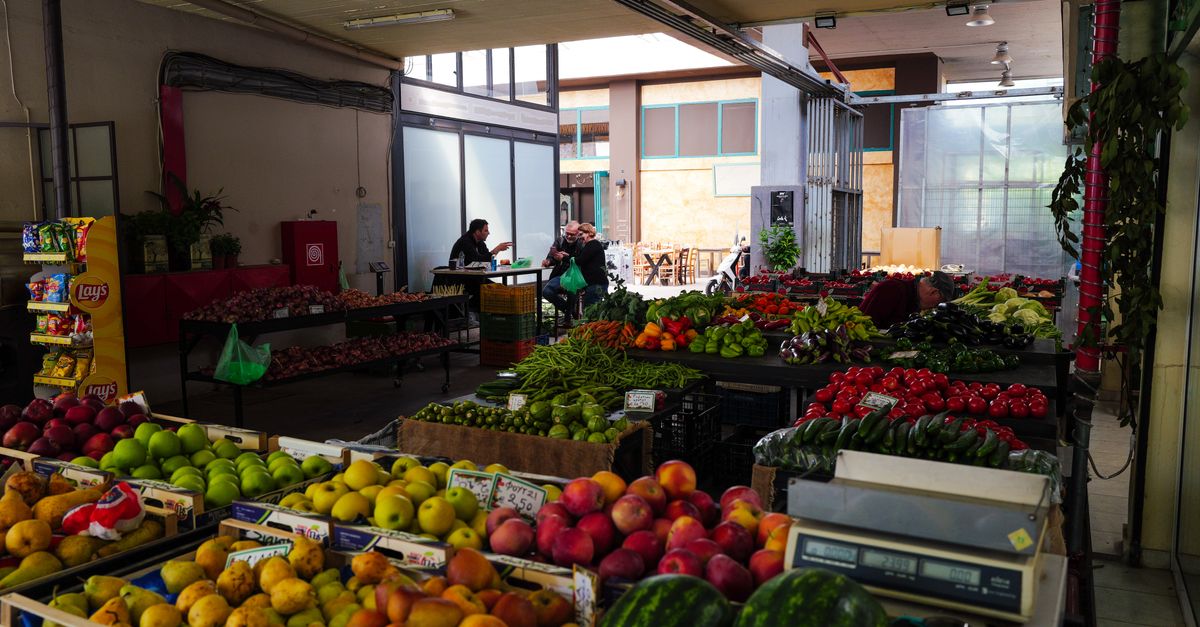
Mercado de San Agustín — the covered market near the Cathedral sells fresh produce, cheese, jamón, and olives at market prices. Pick up bread from the nearby bakeries, a wedge of manchego, some olives, and a bottle of local wine for a superb picnic lunch costing under €8. Eat it in the Jardines del Triunfo or with a view of the Alhambra from the Albaicín hills.
Free & Low-Cost Attractions
Granada's paid flagship attraction — the Alhambra — is genuinely worth its ticket price, but the surrounding city offers a remarkable amount for free. Most of what makes Granada extraordinary costs nothing beyond shoe leather and time.

The Albaicín — Granada's medieval Moorish quarter, a UNESCO World Heritage Site, is entirely free to explore. The narrow whitewashed lanes, the carmenes (walled garden houses), the ancient mosques converted to churches, and the dozen miradouros (viewpoints) overlooking the Alhambra cost nothing to walk through. This is one of the most atmospheric urban neighbourhoods in Europe. Allow at least 3-4 hours to wander without a plan.
Mirador de San Nicolás — the iconic viewpoint in the Albaicín offering the classic postcard shot of the Alhambra with the Sierra Nevada snow peaks behind it. Free, open at all hours, and genuinely as beautiful as every photograph suggests. Go at sunset when the Alhambra turns gold. At night, lit against a dark sky, it is equally remarkable.
Sacromonte — the hillside cave district above the Albaicín, where Romani gitano families have lived in cave dwellings for centuries and developed Granada's flamenco tradition. Walking through the Camino del Sacromonte is free. Cave flamenco performances cost €20-30 — not budget, but an authentic experience if you choose a reputable venue like Venta El Gallo or Zambra María la Canastera.
Granada Cathedral — €5 entry, and worth every cent. The interior is one of the grandest Renaissance spaces in Spain, completed over 180 years from 1523. Free on Sundays from 3-6 PM — the one time when entry is waived for regular visitors.
Capilla Real (Royal Chapel) — €5, immediately adjacent to the Cathedral. Contains the tombs of Ferdinand and Isabella, the monarchs who commissioned Columbus's voyages and completed the Reconquista. Their marble tomb effigies and the original royal regalia — Isabella's crown, Ferdinand's sword — are extraordinary historical artefacts.
Palacio de la Madraza — Granada's original Arab university building, now part of the University of Granada, is free to enter and contains a beautifully preserved Moorish prayer hall. Often missed by visitors focused on the Alhambra.
The Alhambra — €19 (general admission, Generalife gardens and Alcazaba included, Nasrid Palaces requires timed entry). This is the non-negotiable paid attraction. Book months in advance at alhambra-patronato.es. For budget planning purposes, this is the one non-negotiable expenditure in Granada — the Nasrid Palaces are among the most astonishing human-made spaces on the planet.
Getting Around on a Budget
Granada has no metro system. The city is navigated by bus, on foot, or by the small electric taxis that operate in the Albaicín where the lanes are too narrow for regular vehicles. For most visitors, a combination of walking and occasional buses covers everything.

Walking: The historic centre is compact. From the Cathedral to Plaza Nueva takes 5 minutes on foot. From Plaza Nueva to the Alhambra entrance via the Cuesta de Gomérez is a 15-minute uphill walk. The Albaicín climbs steeply from the Darro River — allow 20-25 minutes to reach the Mirador de San Nicolás. Granada is a walking city, and good shoes are the most important item to pack.
City Buses (Transportes Rober): Single fare costs €1.40 (pay the driver with exact change or a transport card). The most useful routes for visitors are the C30 and C32 minibuses, which run from Plaza Nueva up into the Albaicín — a lifesaver after a long morning on the hill. Route 3 connects the bus station to the city centre. A 10-trip card (bonobus) costs €9.50, reducing the per-trip cost to €0.95.
Alhambra Bus: The Alhambra Bus (line 30 and 32) runs from Plaza Isabel La Católica directly to the Alhambra ticket office, avoiding the 15-minute uphill walk. Costs the standard bus fare of €1.40 each way.
Taxis: Metered taxis start at €1.50 flag fall with a per-km rate of approximately €1.10. City centre journeys rarely exceed €7-9. Not budget, but useful for airport trips or late-night returns from Sacromonte.
Airport Bus (J232): As noted above, €3 each way. The only budget option between the airport and the city. Runs approximately every 30-45 minutes with the timetable displayed at the bus stop on the arrivals level.
Money-Saving Tips
Granada rewards those who understand how the city operates. These are the six most impactful money-saving habits for first-time visitors.
1. Book the Alhambra the moment your dates are confirmed. Tickets sell out weeks — sometimes months — in advance, especially for the Nasrid Palaces timed entry slots. The official booking site is alhambra-patronato.es. The general admission (€19) includes everything except the Nasrid Palaces special timed entry, which is included in the standard ticket but requires a specific time slot to be selected at booking. There is no budget alternative to the Alhambra if you want to see the interior — and you do.
2. Eat and drink primarily at neighbourhood bars, not tourist restaurants. A full dinner via the tapas circuit costs €5-8 (just the drinks). A sit-down menu del día at a neighbourhood restaurant — soup, main, dessert, and bread — costs €10-13 at most places. Tourist restaurants around Plaza Nueva charge €18-25 for the same food.
3. Carry small coins for bus fares. The bus driver requires exact change or a bonobus card. There is no change given and no card payment option. A small change purse with €1 and €0.50 coins will save considerable friction.
4. Visit the Cathedral for free on Sunday afternoons (3-6 PM). The saving is modest (€5) but consistent. The Capilla Real next door does not offer the same free window, so visit the Cathedral free on Sunday and pay for the Capilla Real as a standalone.
5. Shop for picnic food at Mercado de San Agustín or local supermarkets (Mercadona, Día). A bottle of Rioja Crianza from Mercadona costs €3-5. A jamón bocadillo from a local bakery is €2.50-3. Eating one meal per day as a self-catered picnic saves €8-15 compared to a restaurant.
6. Use the Albaicín miradouros as your primary entertainment. Watching the Alhambra from the Mirador de San Nicolás or Mirador de San Cristóbal costs nothing and produces the most memorable moments of any Granada trip. These viewpoints are genuinely among the finest urban panoramas in Europe.
7. Travel in late autumn or early spring. October, November, March, and April offer pleasant weather (15-22°C), dramatically lower accommodation prices (hostel dorms from €14, private rooms from €40), and shorter queues for the Alhambra. July and August are peak season — expensive, crowded, and hot (38-42°C).


