3 Days in Granada: The Perfect Itinerary
Granada is a city where Moorish Spain left its greatest architectural legacy at the foot of the Sierra Nevada. This three-day itinerary covers the essential landmarks, hidden neighbourhoods, and authentic local dining that make Granada unforgettable. The city rewards curious travellers willing to wander beyond the obvious tourist spots and embrace the local rhythm of life. Plan for generous meals, afternoon breaks, and late evenings when the streets come alive with locals and the golden light transforms ordinary buildings into something magical.

The Alhambra & Generalife Gardens
The Alhambra demands a full morning. Book tickets online at least 2 weeks ahead (€14, €7 gardens only) as they sell out daily without exception. Choose the earliest morning slot (8:30am) for the Nasrid Palaces. The Court of the Myrtles, the Hall of the Ambassadors with its cedar ceiling of 8,017 interlocking pieces, and the ethereal Court of the Lions with its 124 marble columns are transcendent experiences that justify any amount of advance planning.
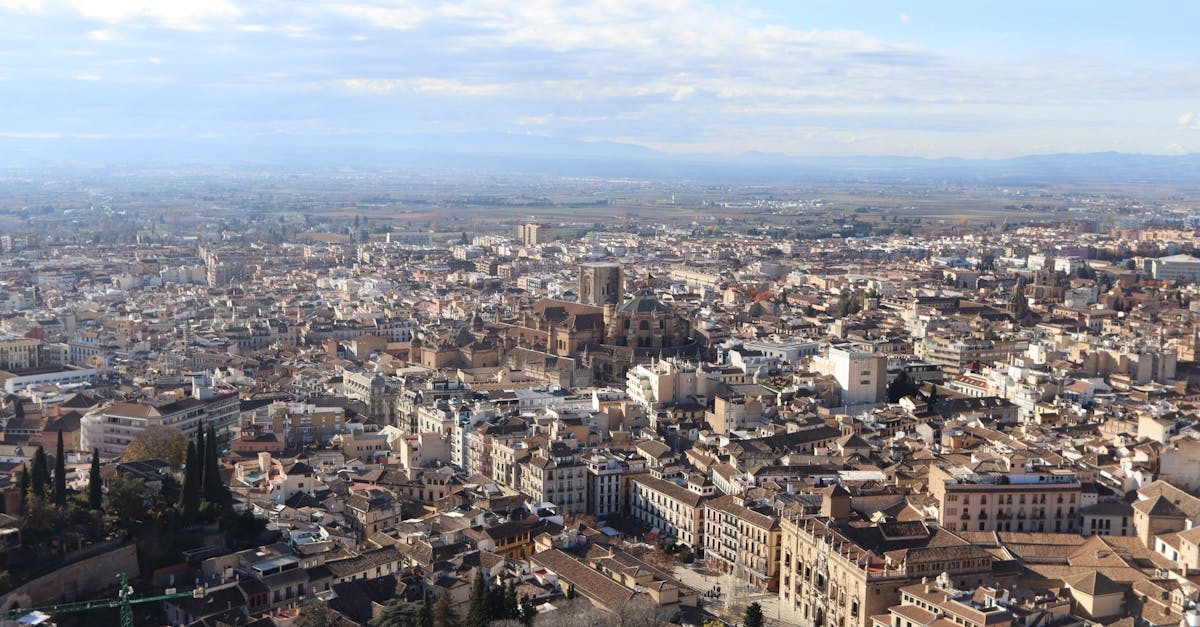
After the Nasrid Palaces, explore the Alcazaba fortress, the oldest part of the complex with panoramic views from the Torre de la Vela over the city rooftops, the Albaicín's white houses, and the Sierra Nevada mountains beyond. Then walk through the Generalife summer palace gardens with their terraced water features, cypress-lined alleys, fountains, and views back to the Alhambra's red walls against the blue sky. Budget 3-4 hours for the complete complex and do not try to rush through any section.
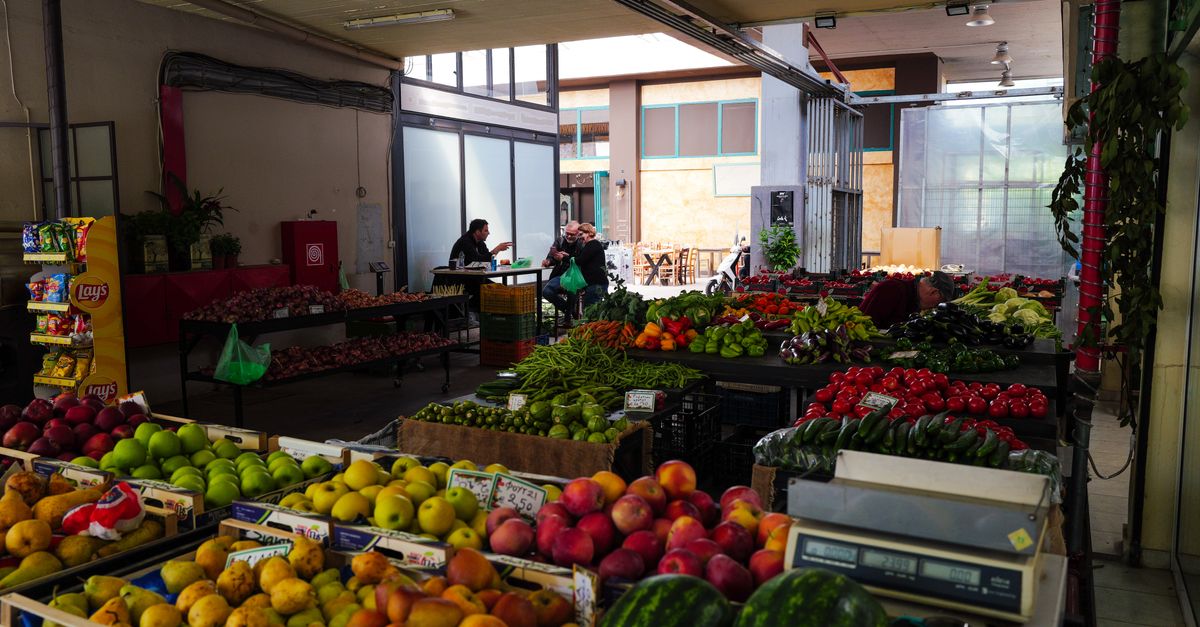
Lunch on Calle Navas, Granada's premier tapas street where every drink (€2-2.50 for beer, €2-3 for wine) comes with a free tapa, not a token olive but proper plates of paella, croquetas, or albondigas. At Bodegas Castañeda, order a fino sherry and receive a plate of montaditos or salmorejo.
Evening: walk the Carrera del Darro, one of Spain's most beautiful riverside walks, with the Alhambra looming above. End at Mirador de San Nicolás for the iconic sunset view of the Alhambra against the Sierra Nevada peaks, possibly the most photographed viewpoint in all of Spain.
Albaicín, Sacromonte & Flamenco
Spend the morning wandering the Albaicín, Granada's ancient Moorish quarter and UNESCO World Heritage Site of steep cobbled streets, whitewashed houses, and hidden carmenes (walled garden villas). Get deliberately lost; the maze rewards exploration.
Walk uphill to Sacromonte, Granada's Roma neighbourhood famous for cave dwellings carved into the hillside over centuries. The Museo Cuevas del Sacromonte (€5) shows how cave homes functioned with remarkable ingenuity, naturally cool in summer and warm in winter. The whitewashed cave entrances are photogenic, and the views back to the Alhambra from the upper paths are among the most spectacular in the city, particularly in late afternoon light.
Lunch at El Huerto de Juan Ranas on the Albaicín hillside with direct Alhambra views that justify slightly higher prices. Their salmorejo (€5) and grilled meats (€12-16) are excellent and locally sourced. For cheaper eats with the same free tapas tradition, the bars on Calle Elvira serve generous portions with every drink ordered, making a two-drink lunch a genuinely filling and affordable option that locals rely on daily.
Evening: experience a Sacromonte zambra, a flamenco show performed inside a whitewashed cave that is unique to Granada and found nowhere else in Spain. Cueva de la Rocío (€25 with drink) and Venta El Gallo (€28) offer intimate, sweat-drenched performances where the cave walls amplify the guitar and the percussive footwork reverberates through the stone. Book ahead as caves hold only 30-50 people and the best shows sell out days in advance during high season.
Cathedral, Royal Chapel & Sierra Nevada
Visit Granada Cathedral (€5), a massive Renaissance structure built over the former Great Mosque, its interior surprisingly bright with white stone and gold leaf that catches the morning light. Next door, the Capilla Real (€5) houses the ornate marble tombs of Ferdinand and Isabella, the Catholic Monarchs who completed the Reconquista by taking Granada in 1492. The iron grille, the sarcophagi, and the monarchs' personal art collection including works by Memling and Botticelli are remarkable.
Morning walk through the Realejo neighbourhood, the former Jewish quarter now home to vibrant street art by El Niño de las Pinturas, independent cafés with shaded terraces, and the stunning Campo del Príncipe plaza. Lunch at Los Diamantes (two locations), Granada's best fried fish bar where anchovies (€5) and prawns (€7) are exceptional and the free tapa tradition continues with enthusiasm.
Afternoon option: if visiting between November and May, the Sierra Nevada ski resort is just 45 minutes by bus from the city centre (€5 return). Europe's southernmost ski station has 131 runs and sunshine that lets you ski in a t-shirt on clear days. Non-skiers can take the gondola up for mountain views and lunch at altitude. In summer, the same mountains offer excellent hiking trails above 2,500m with wildflower meadows.
Final evening: one last tapas crawl through Calle Navas and the streets around Plaza del Carmen, collecting free tapas at each bar as the evening unfolds. End at Bohemia Jazz Café for live music and cocktails (€8-10), or join the student crowds on Calle Pedro Antonio de Alarcón where the university nightlife centres around cheap bars with generous pours and energetic company.
Where to Base Yourself
Stay in Plaza Nueva/Centro (walkable to everything, best restaurants), Albaicín (atmospheric but steep, bring light luggage), or Realejo (local feel, good value, close to tapas streets).
Granada 3-Day Budget Breakdown
| Category | Budget | Mid-Range | Comfort |
|---|---|---|---|
| Accommodation (per night) | €14-22 hostel | €55-90 hotel | €100-180 boutique |
| Food (per day) | €8-15 (free tapas!) | €25-40 | €50-90 |
| Transport (per day) | €3 (mostly walking) | €5-8 | €10-18 taxi |
| Attractions (3 days) | €14 (Alhambra) | €30-45 | €55-75 |
| 3-Day Total | €80-160 | €260-420 | €480-850 |
- Book Alhambra tickets the moment they become available (90 days ahead). They sell out every single day.
- Granada's free tapas culture is real: every drink at a traditional bar comes with a tapa. Three drinks equals lunch.
- Summer temperatures hit 38-42°C regularly. Visit March-May or September-November for comfortable weather.
- The Albaicín's streets are steep and cobbled. Wear flat, sturdy shoes, not sandals or heels.
- The tourist bus (€9 all day) is useful for reaching the Alhambra and Sacromonte viewpoints without steep uphill walks.
Local Culture & Etiquette
Granada moves at a distinctly Andalusian pace, and visitors who fight that rhythm will be frustrated while those who embrace it will be rewarded. The midday break (siesta) is genuine here — many family-run restaurants and independent shops close from 2pm to 5pm, and dinner before 9pm will see you eating alone in a half-empty restaurant with a puzzled waiter. Locals dine at 10pm, bars fill after 11pm, and a late-night stroll through Plaza Nueva at midnight is entirely normal, especially on weekends when the university crowd turns the streets into an open-air social event.
The free tapas culture is Granada's most beloved social institution and comes with its own unspoken rules. Order at the bar rather than sitting — table service carries a supplement at many traditional bars. Specify your drink clearly ("una cerveza" or "un vino tinto") and wait for the bartender to select your tapa; requesting a specific dish is possible at some bars but considered slightly gauche at others. Move between bars after one or two drinks — tapas-hopping is the local rhythm, and staying at a single bar for an entire evening misses the social choreography that locals practice nightly.
In the Albaicín and Sacromonte, you will encounter persistent vendors selling everything from "authentic" flamenco shows to guided tours to henna tattoos. A firm but polite "no, gracias" ends most interactions. Do not photograph people — particularly Roma residents in Sacromonte — without asking permission first. The neighbourhoods are living communities, not set pieces for tourist photography. Similarly, at the cremation ghats of Manikarnika (if you choose to visit), treat the space with the same quiet respect you would bring to a funeral. Photography is deeply inappropriate.
Spanish is all you need in Granada — unlike coastal tourist resorts, English is not widely spoken outside hotels and major tourist businesses. Learning a handful of phrases transforms interactions dramatically: "¿Tiene mesa para dos?" (table for two?), "la cuenta, por favor" (the bill, please), and "¿cuál es la tapa?" (what's the tapa today?) will make you a vastly more welcome presence in traditional bars and restaurants. Granadinos are warm and hospitable to visitors who make even minimal effort to engage on their terms.