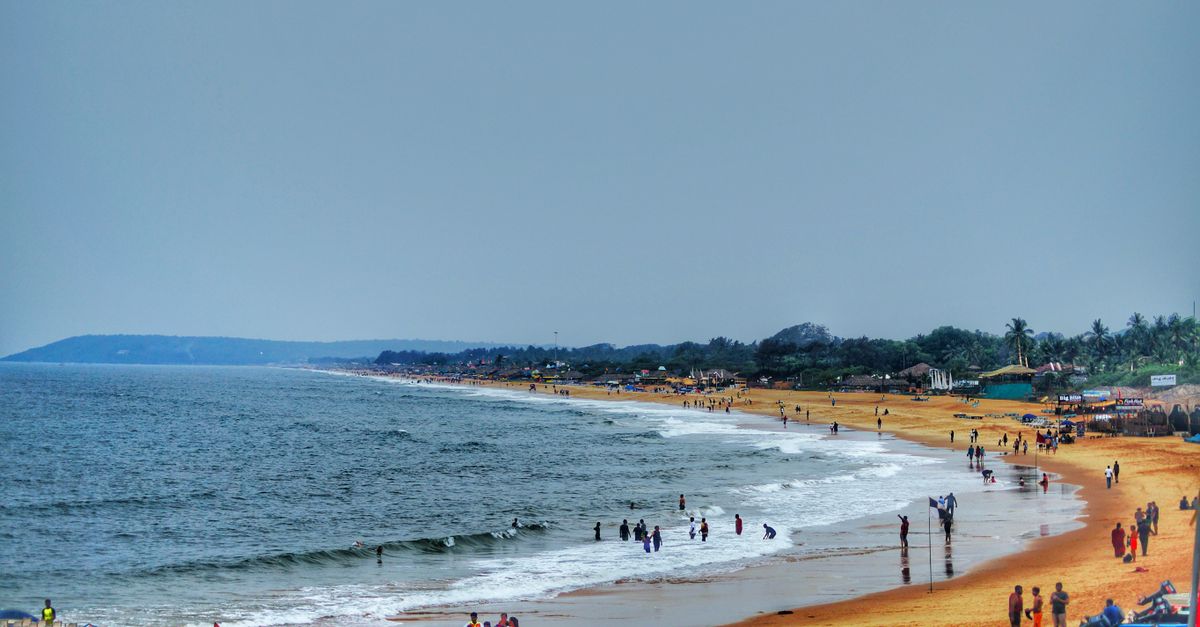
3-Day Goa Itinerary: Beaches, Churches & Coastal Villages
Goa is India's smallest state but packs an outsized range of experiences into its 100-km coastline. Portuguese colonial architecture, palm-lined beaches, spice plantations, and a food culture that fuses Indian and European flavors — three days gives you a solid introduction if you move efficiently.
This itinerary splits neatly between North Goa's energy, Old Goa's history, and South Goa's tranquility. Budget roughly ₹4,000-7,000 for activities and transport across all three days, excluding accommodation.

Day 1: North Goa Beaches & Anjuna Flea Market
Start your morning at Calangute Beach, Goa's busiest and most accessible stretch of sand. Walk south along the shoreline to neighboring Baga Beach — the two blend seamlessly into a 5-km crescent. Grab a ₹30 chai from a beach vendor and watch the fishing boats head out.
By 10 AM, rent a scooter (₹300/day from any rental shop near the beach) and ride 20 minutes north to Anjuna. If it's a Wednesday, the Anjuna Flea Market is in full swing from 8 AM to sunset. The market sprawls along the clifftop and beach with vendors selling jewelry, clothing, spices, and handicrafts. Haggle hard — starting at 40% of the asking price is standard.
For lunch, eat at one of Anjuna's beach shacks. Curlies or Shiva Valley serve fresh fish thali for ₹200-300, cold Kingfisher beer for ₹120, and have direct beach views. The shack culture — bamboo structures with cushioned seating on the sand — is uniquely Goan.
Afternoon: ride to Vagator Beach for sunset at the small Ozran Beach (also called "Little Vagator"). The red laterite cliffs and Chapora Fort ruins above create one of Goa's most dramatic sunset backdrops. The beach is smaller and quieter than Calangute, with a more relaxed crowd.
Day 2: Old Goa Churches & Fontainhas
Head inland to Old Goa, the former Portuguese capital located 10 km east of Panaji. This UNESCO World Heritage cluster of 16th and 17th-century churches is the most impressive colonial architecture in Asia.
Start with the Basilica of Bom Jesus, which houses the preserved body of St. Francis Xavier in a silver casket. The baroque interior is stunning — dark wood, gold altar pieces, and four centuries of religious art. Entry is free. Next door, the Se Cathedral is Asia's largest church, with a cavernous nave and a bell tower you can see from across the river.

After Old Goa, drive 10 minutes west to Panaji and explore the Fontainhas Latin Quarter. This neighborhood of narrow streets and Portuguese-era houses painted in ochre, blue, and green is the most photogenic square kilometer in Goa. Walk Rua de Natal and 31st January Road for the best facades.
Lunch at Venite in Fontainhas — a two-story Portuguese-era restaurant with balcony seating overlooking the street. The prawn balchao (₹280) and fish recheado (₹320) are excellent. Or eat cheaper at the local bakeries (poio) selling Goan bread rolls and meat croquettes for ₹20-40.
Evening: return to Panaji's waterfront for sunset along the Mandovi River. The floating casino boats light up as dusk falls, and the promenade comes alive with food stalls selling bhel puri (₹30) and pani puri (₹20).
Day 3: South Goa — Palolem & Agonda
South Goa requires commitment — Palolem Beach is 70 km south of Panaji, a 90-minute scooter ride or ₹1,500-2,000 taxi fare. But the journey rewards you with Goa's most beautiful beaches, far removed from the tourist intensity of the north.
Palolem is a crescent-shaped bay enclosed by forested headlands. The water is calm, the beach is lined with colorful beach huts (₹500-1,500/night), and dolphins are regularly spotted in the bay. Rent a kayak (₹200/hour) and paddle to the tiny Butterfly Island at the southern end of the bay.
After lunch at a Palolem shack (fish curry rice ₹150-200), ride 10 minutes north to Agonda Beach. Agonda is longer, quieter, and wilder than Palolem. It's one of the few Indian beaches where Olive Ridley sea turtles nest (November-March). The beach has a handful of restaurants and huts but no commercial development.

Return north in the late afternoon, stopping at Cola Beach if time permits. This hidden cove is accessed via a rough dirt road and features a freshwater lagoon where the river meets the sea. It's one of Goa's most unique landscapes.
3-Day Budget Breakdown
| Expense | Budget (₹) | Mid-Range (₹) |
|---|---|---|
| Accommodation (3 nights) | 1,500-3,000 | 4,500-9,000 |
| Scooter Rental (3 days) | 900 | 900 |
| Fuel | 300-400 | 300-400 |
| Food (3 days) | 1,200-2,000 | 3,000-5,000 |
| Activities & Entry | 200-500 | 500-1,500 |
| Total | ₹4,100-6,800 | ₹9,200-16,800 |
Best Time to Visit
November through February is Goa's peak season with dry weather, cool evenings, and the highest prices. October and March offer shoulder-season value with good weather. The monsoon (June-September) brings dramatic rain and green landscapes — many beach shacks close, but accommodation drops 50-70% and the waterfalls are spectacular.
Getting Around
Rent a scooter on Day 1 and keep it for the entire trip. A Honda Activa costs ₹300 per day from rental shops near any major beach. Fuel is cheap — a full tank runs ₹100-150 and covers two days of normal riding. This is by far the most practical way to navigate Goa's spread-out geography.
For the South Goa day trip, consider hiring a taxi for the day (₹2,000-2,500) if you're uncomfortable riding 70 km on Indian highways. Split the cost with another traveler if possible. Local buses run between major towns but are slow, infrequent, and don't reach the best beaches.
Where to Stay
For a three-day trip covering both North and South Goa, base yourself in central North Goa — Anjuna or Vagator offer the best balance of beach access, restaurants, and proximity to Old Goa. Budget beach huts start at ₹500, while comfortable guesthouses with air conditioning run ₹1,000-1,500.
If you're drawn to South Goa's tranquility, consider splitting your stay: two nights in the north and one night in a Palolem beach hut. This saves the long Day 3 return ride and lets you experience South Goa's sunset and sunrise, both of which are spectacular from the crescent bay.
What to Pack
Bring a lightweight rain jacket even in dry season — coastal weather is unpredictable. Sunscreen, a reusable water bottle, and a waterproof phone pouch for boat trips are essential. For Old Goa's churches, pack modest clothing that covers shoulders and knees. Flip-flops work for beaches but bring closed shoes for scooter riding — road rash on bare feet is a common and avoidable injury.
Local Culture & Etiquette
Goa's personality is shaped by 450 years of Portuguese rule — longer than any other colonial presence in South Asia — layered over a vibrant Hindu Konkani culture that never disappeared beneath it. The result is a cultural hybridity unique in India: Catholic churches and Hindu temples sharing the same village square, a cuisine that places vinegar, pork, and coconut vindalho alongside rice fish curry, and an attitude toward leisure that feels genuinely different from the rest of the country.
The local Goan people distinguish themselves firmly from both the Indian tourist crowd and the foreign charter tourist economy. Residential areas in South Goa villages like Benaulim, Loutolim, and Quepem have their own quiet rhythms — evening rosary prayers at the local chapel, a fisherman's cooperative where the day's catch is auctioned at 6 AM, and local feni (cashew or coconut spirit) served at village tavernas (tavernas are Goa's version of the local bar) where a glass costs ₹30-50 and conversation flows in Konkani. These spaces are genuinely welcoming to curious visitors who arrive with respect rather than a camera-first attitude.
When visiting Goa's churches, dress modestly — shoulders and knees covered is a minimum expectation at Basilica of Bom Jesus, Se Cathedral, and the smaller village churches. Many are still active parishes holding daily Mass; if you arrive during a service, wait outside until it finishes or observe quietly from the back. Removing shoes is required at Hindu temples, including those in Old Goa's outskirts and across South Goa's temple corridor. Photography inside any place of worship should be done with permission and discretion — the default is to ask.
Bargaining is expected at flea markets like Anjuna and Mapusa, but not in shops with fixed-price signs, restaurants, or at government-run emporiums. Taxi and auto-rickshaw fares in Goa are metered in theory but quoted in practice — agree the price before boarding, and use the Goa Miles app (Goa's state-run ride app) for transparent fares. Tipping at beach shacks and restaurants is appreciated but not obligatory; ₹50-100 on a ₹300 meal is generous. The shack staff — often migrant workers from other Indian states — live on combined wages and tips throughout the six-month season.
Explore Goa's best food See the full Goa budget breakdown Discover Goa's hidden gems