Goa's Hidden Gems: 5 Places Beyond the Beach Crowds
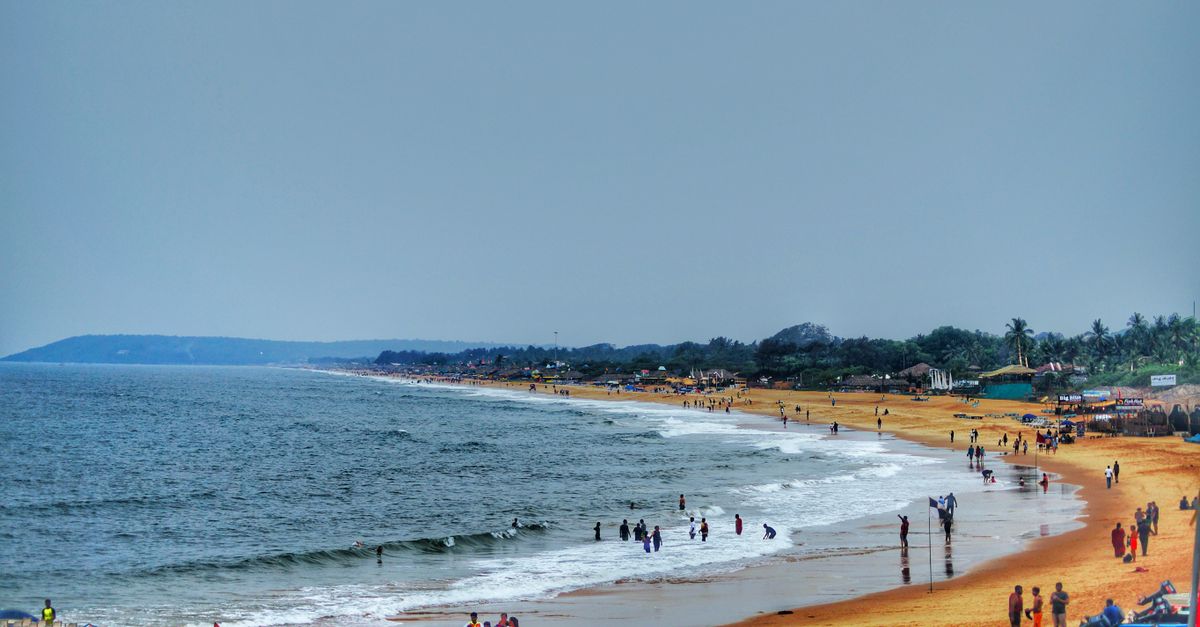
Ask most visitors what they did in Goa and you'll hear "Baga Beach, Anjuna Market, beach shack, repeat." Goa's coastline is wonderful, but the state's most surprising experiences are found on river islands, mountain ghats, crumbling Portuguese forts, heritage neighborhoods, and jungle waterfalls that most tourists never reach.
These five spots reveal the Goa that exists beyond the sun-lounger tourist trail.
Divar Island
Floating in the Mandovi River just 10 km from Panaji, Divar Island is accessible only by ferry and feels like Goa from 50 years ago. The free government ferry runs every 20 minutes from Old Goa (Ribandar jetty) and takes 5 minutes to cross. You can bring your scooter aboard.
The island has no hotels, no restaurants (beyond one small village shop), and no tourist infrastructure. What it has is extraordinary: Portuguese-era churches in various states of elegant decay, abandoned mansions being reclaimed by jungle, rice paddies worked by hand, and a silence that's jarring after North Goa's beach chaos.
The Church of Our Lady of Compassion sits at the island's highest point and offers 360-degree views across the river to Old Goa's cathedrals. The road up is steep and narrow, lined with crumbling whitewashed walls and mature palm trees. Early morning is best — the light is soft and the island is at its quietest.

Chorla Ghat
An hour's drive east of Panaji, Chorla Ghat marks the point where Goa's coastal lowlands meet the Western Ghats mountain range. This stretch of winding mountain road passes through dense semi-evergreen forest that's part of a biodiversity hotspot — home to Malabar giant squirrels, hornbills, and over 200 bird species.
The Chorla Ghat viewpoint, at roughly 800 meters elevation, offers views across three states: Goa, Karnataka, and Maharashtra. On clear days, you can see the coastline to the west and the Deccan Plateau stretching east. The temperature drops 5-8°C from the coast, making it a welcome escape from Goa's heat.
During monsoon season (June-September), Chorla Ghat transforms into a waterfall corridor. Dozens of seasonal cascades tumble down the cliff faces alongside the road. The forest turns impossibly green, clouds drift through the canopy, and the entire landscape looks like a nature documentary set.
Getting there: ride your scooter or hire a taxi (₹2,000-3,000 for a return trip with waiting time). The road is well-paved but winding — allow 75 minutes each way. Pack a light jacket for the cooler mountain air. There are a few small restaurants at the ghat serving basic meals (₹80-150) and chai (₹15).
Chapora Fort at Sunrise
Most visitors to Chapora Fort come for sunset, drawn by the "Dil Chahta Hai" Bollywood connection and Instagram posts. But the fort at sunrise is a completely different experience — empty, misty, and otherworldly.
Arrive at 6 AM and you'll likely have the entire fort to yourself. The laterite walls glow orange-red in the first light, fishing boats dot the river below, and Vagator Beach stretches south in a haze. The silence is total except for birdsong and distant waves.

The fort itself is a Portuguese-era ruin with crumbling walls and no formal entry fee. The walk up from the parking area takes 10 minutes on a steep path. Bring a flashlight if arriving before first light, and wear shoes with grip — the laterite rock is slippery with morning dew.
After the fort, ride down to Vagator Beach for a quiet morning swim. The beach shacks don't open until 9 AM, so the sand is empty and the water is calm. This two-hour sunrise routine is one of Goa's finest free experiences.
Fontainhas Latin Quarter
Panaji's Fontainhas neighborhood is the best-preserved Portuguese colonial quarter in Asia. The narrow streets — some barely wide enough for a single car — are lined with two-story houses painted in mustard yellow, cobalt blue, terra cotta, and sea green. Wrought-iron balconies, tile-roofed facades, and wooden shuttered windows create an atmosphere that feels more Mediterranean than Indian.
The neighborhood dates to the 18th century and was originally developed along the Ourem Creek. Walk Rua de Natal, 31st January Road, and the lanes connecting them. The Chapel of St. Sebastian (1818) anchors the quarter with its delicate white facade and interior crucifix that was originally installed in the Old Goa Palace of the Inquisition.
Fontainhas has attracted a small creative community. Art galleries, heritage guesthouses, and converted-mansion cafes line the streets. Cafe Bodega inside the Sunaparanta Centre for the Arts serves coffee (₹80-120) in a stunning courtyard. The Gitanjali Gallery and Gallery Gitanjali showcase Goan and Indian contemporary art in restored colonial rooms.
For lunch, Venite on 31st January Road serves Goan food from a wooden balcony overlooking the street — try the fish recheado (₹320) or prawn balchao (₹280). Cheaper options include the local bakeries selling fresh pao bread (₹5 per roll) and meat croquettes (₹15).
Dudhsagar Falls
India's fifth-tallest waterfall drops 310 meters in four tiers through dense tropical forest on the Goa-Karnataka border. The name means "Sea of Milk," describing the white water that cascades over dark rock. At full flow during monsoon, it's genuinely awe-inspiring.

The falls sit inside the Bhagwan Mahavir Wildlife Sanctuary, about 60 km from Panaji. Access is via 4x4 jeep from Collem village (₹400 per person in a shared jeep, or ₹2,400-3,000 for a private jeep). The jeep ride takes 45 minutes over rough forest roads, crossing streams and navigating boulder-strewn tracks. A ₹400 entry fee covers the sanctuary and falls.
At the base of the falls, you can swim in a natural pool. The water is cool and refreshing after the dusty jeep ride. A railway bridge crosses at the mid-level — the Madgaon-Belgavi train passes through with passengers leaning out of windows to photograph the falls.
The falls are most spectacular from July through November when monsoon rains feed the river. During December through May, the water flow decreases significantly and the experience is less dramatic. Jeep services may stop during very heavy monsoon days when the access road floods.
| Hidden Gem | Cost | Best Time |
|---|---|---|
| Divar Island | Free (ferry free) | Early morning |
| Chorla Ghat | Free + transport | Monsoon or clear winter days |
| Chapora Fort Sunrise | Free | 6 AM |
| Fontainhas Quarter | Free (food ₹80-320) | Morning, weekdays |
| Dudhsagar Falls | ₹800-3,400 (jeep + entry) | July-November |
These five experiences paint a very different picture of Goa — one of river islands and mountain forests, colonial heritage and jungle waterfalls. They're the memories that last longest and cost the least.
Plan your 3-day Goa itinerary Essential tips for first-time Goa visitors See the Goa budget breakdown