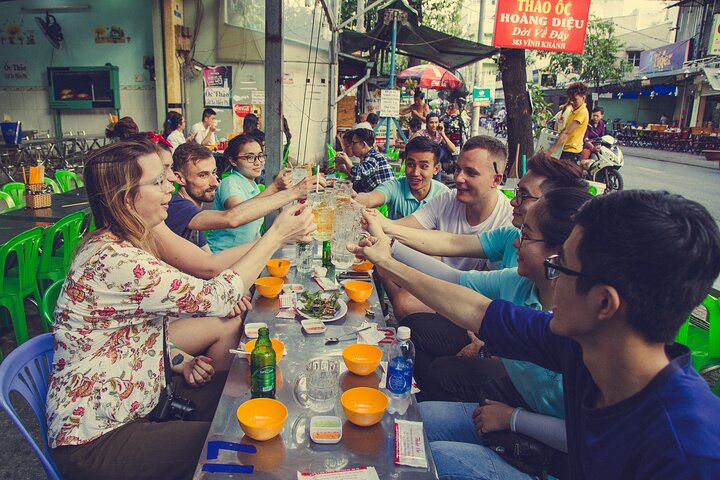
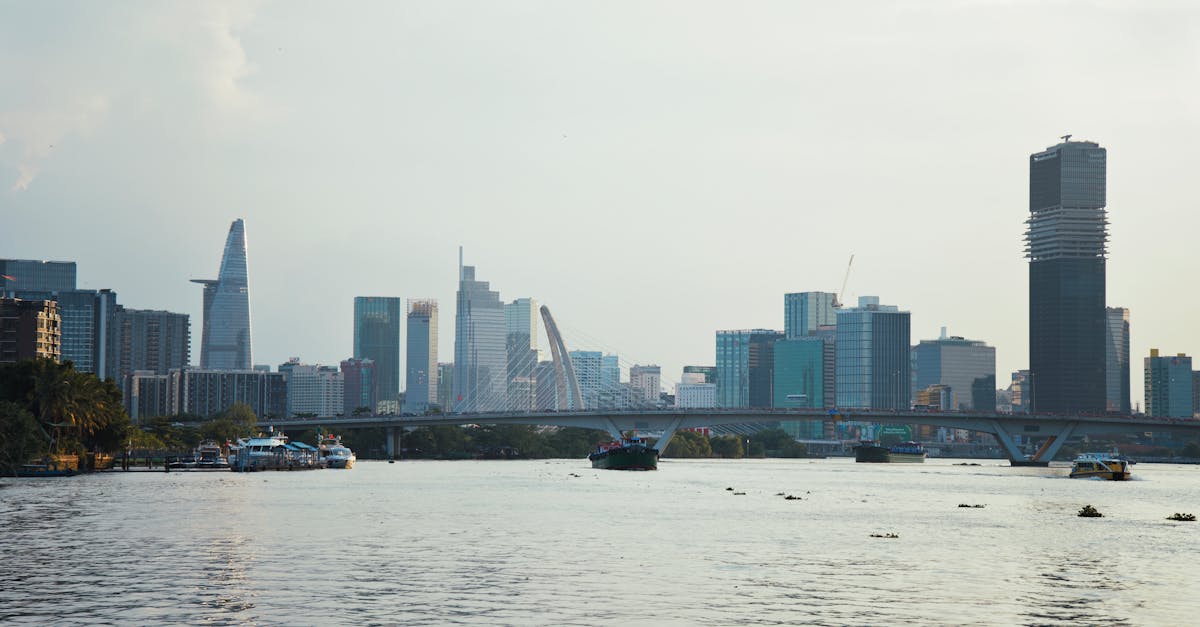
Ho Chi Minh City will overwhelm your senses within minutes of leaving the airport. The motorbike traffic is unlike anything you've experienced, the heat hits like a wall, and the city's energy is relentless. But beneath the chaos is a city that's extraordinarily welcoming, safe for tourists, and cheaper than almost anywhere else in Southeast Asia.
This guide covers the essential things first-time visitors need to know — from surviving the airport exit to crossing your first intersection without a heart attack.

Airport to City: Avoiding Scams
The Scam Problem
Tan Son Nhat Airport is notorious for taxi scams targeting arriving tourists. The most common: rigged meters that run 3-5x the normal rate, "broken meters" with inflated flat fares, drivers who take circuitous routes, and outright fake taxis painted to look like legitimate companies. This is the single biggest tourist trap in HCMC and it happens daily.
The Solution: Use Grab
Connect to the airport WiFi (free), open Grab (download before your trip), and book a ride to your hotel. A Grab car from the airport to District 1 costs approximately VND 80,000-120,000 ($3.50-5.00) — the price is fixed in the app before you confirm. Follow signs to the Grab pickup area outside the terminal.
Other Options
Airport Bus 109: VND 20,000 to District 1 (Ben Thanh Market), running every 15-20 minutes. The cheapest option by far. Look for the yellow bus outside the arrivals exit.
Metered Taxi: If you must take a taxi, use only Vinasun (white with red/green stripe) or Mai Linh (green). Confirm the meter is running and starts at VND 12,000-14,000. Expect VND 150,000-200,000 to District 1. Refuse any taxi without a visible meter or company branding.
Grab Is Essential
Grab is not optional in HCMC — it's a survival tool. The app handles motorbike rides (Grab Bike), car rides (Grab Car), and food delivery (GrabFood). All fares are calculated upfront, paid via cash or card, and tracked via GPS. No haggling, no scam risk, no language barrier.
Grab Bike is the recommended mode for most trips. It's faster than cars (motorbikes weave through traffic), cheaper (VND 10,000-25,000 for most District 1 trips), and gives you an unforgettable experience of Saigon's traffic from the back of a scooter. Helmets are provided. Hold on and trust the driver.
Grab Car is better for rain, heavy luggage, or if you're nervous about motorbikes. Costs 2-3x more than bikes but still very cheap.
Crossing the Street
This deserves its own section because it's the single most asked question by first-time HCMC visitors. There are no gaps in the traffic. The motorbikes never stop. Traffic lights exist but are treated as suggestions. So how do you cross?
Step 1: Wait for a gap in the car traffic (motorbikes never stop, but cars do at lights). Step 2: Step off the curb and walk at a slow, steady, constant pace. Step 3: Do NOT stop. Do NOT run. Do NOT make sudden movements. Step 4: The motorbikes will flow around you like water around a rock.
This sounds insane, but it works perfectly. The system is based on predictability — the riders calculate your trajectory and adjust. If you stop or run, you become unpredictable and that's when accidents happen. Watch a local do it first, then walk beside them. By day two, you'll be crossing like a pro.

Visa Requirements
Vietnam's visa policy has liberalized significantly. Citizens of most countries can apply for an e-visa (valid 90 days, single entry, $25 USD) online at the official government website (evisa.xuatnhapcanh.gov.vn). Processing takes 3-5 business days.
Many nationalities qualify for visa exemption for stays up to 45 days (including Japan, South Korea, most EU countries). Check the current list before booking — the rules change frequently. If in doubt, get the e-visa.
Avoid "visa on arrival" agencies that charge $50-100 for a service the government provides directly for $25. The e-visa is the simplest, cheapest, most reliable option for most travelers.
Money & Payments
The currency is the Vietnamese Dong (VND). The numbers are large and confusing: VND 100,000 = roughly $4.20 USD. The easiest mental math: drop four zeros and divide by 2.4. Or just remember: VND 25,000 = $1.
Vietnam is overwhelmingly cash-based. Street food, local restaurants, markets, taxis, and most shops accept only cash. ATMs are everywhere — look for Vietcombank, BIDV, and Sacombank machines that accept international cards. Withdraw VND 3,000,000-5,000,000 at a time. Some ATMs charge VND 22,000-55,000 per withdrawal.
Cards are accepted at hotels, malls, upscale restaurants, and some chain cafes. Don't rely on them for daily spending.
Common Scams
Shoe shine scam: A man "accidentally" drops shoe polish on your shoes, then aggressively cleans them and demands payment. Say no firmly and walk away.
Motorbike bag snatch: Rare but real — riders on motorbikes grab bags from pedestrians. Carry bags on your body's traffic-side (away from the road), use a crossbody bag, and keep your phone in your pocket when walking along busy roads.
Overcharging at restaurants: Some tourist-area restaurants add fake items to the bill or charge higher prices than listed. Check your bill against the menu before paying. Take a photo of the menu when you sit down.
Cyclo riders: Agree on a price before getting in. Better yet, use Grab. Some cyclo drivers quote VND 50,000, then claim it was $50 at the end. If you do take a cyclo, show them the agreed amount in VND on your phone before departing.
Weather & When to Visit
Dry season (December-April): The best time to visit. Hot and sunny (30-35°C), low humidity, almost no rain. January-February is peak tourist season.
Wet season (May-November): Afternoon thunderstorms are intense but brief — typically 30-60 minutes of heavy rain followed by clearing skies. It rarely rains all day. The wet season is hotter and more humid, but prices are lower and crowds are thinner. Carry an umbrella or cheap poncho (VND 10,000 from any street vendor).

Common First-Timer Mistakes
Staying only in the backpacker district. Bui Vien is fun for a night but doesn't represent real Saigon. Explore Districts 3, 5, and Binh Thanh for authentic neighborhoods.
Eating only at tourist restaurants. If the menu is in English and the prices are in dollars, you're paying 3x local prices. Walk two blocks from any tourist strip for dramatically better and cheaper food.
Not using Grab. Walking long distances in 35°C heat and 80% humidity is miserable. Grab bikes cost almost nothing and save your energy for the things that matter — eating and exploring.
Essential Apps & Resources
Your smartphone is your most valuable tool in Ho Chi Minh City. Getting the right apps installed before you land eliminates a staggering number of first-day headaches, from finding your hotel in a maze of unmarked alleyways to decoding a menu written entirely in Vietnamese script.
Grab is non-negotiable and covered elsewhere in this guide, but download it at home where your app store works reliably. Google Maps is essential — download the Ho Chi Minh City offline map before your flight. Most addresses in the old districts use a house number plus street name, but Google Maps handles even the narrowest alley with remarkable accuracy. Google Translate's camera mode is a genuine game-changer: point it at a Vietnamese menu and it translates in real time. Works on street signs, shop names, and bank instructions too.
XE Currency keeps you honest at markets and with taxi drivers — the zeros on Vietnamese Dong notes (VND 500,000 looks enormous until you realize it's about $20 USD) trip up almost every first-timer. For food, Foody.vn is Vietnam's most-used restaurant discovery app, with reviews in Vietnamese but photos that transcend any language barrier. GrabFood (built into the Grab app) delivers street food and restaurant meals to your hotel room for no surcharge above the menu price — extremely useful on rainy afternoons or exhausted evenings.
For accommodation, Booking.com and Agoda both have strong Ho Chi Minh City inventories. Agoda often has better deals on guesthouses and boutique hotels that don't bother with Western platforms. For SIM cards, the Viettel or Vietnamobile apps let you top up data without visiting a store. A tourist SIM with 4GB of data costs VND 50,000–80,000 (around $2–3.50) from airport kiosks or any convenience store.
One offline resource worth having: screenshot your hotel's address in Vietnamese script and save it to your camera roll. Show it to your Grab driver or any helpful local if you ever get turned around. The Vietnamese address system uses the format "House number/Street name, Ward, District" — save the full address, not just the hotel name. This single preparation saves considerable stress on arrival day.
Ready to plan your first Saigon trip? Compare hotels in Ho Chi Minh City and find flights to Saigon on JustCheckin.