Dubrovnik First-Timer Guide: Practical Tips for the Pearl of the Adriatic
Dubrovnik is stunning but can be overwhelming. Cruise ship crowds, summer heat, and steep Old Town prices catch first-timers off guard. With the right preparation, your visit transforms from stressful to magical.
Here's everything practical you need to know before stepping through the Pile Gate.

Getting from the Airport to Dubrovnik
Dubrovnik Airport (DBV) is 22 km south of the city in Čilipi. The airport is small and efficient — expect to be outside within 20 minutes of landing.
The Atlas shuttle bus (€9 one-way, €13 return) runs to the Pile Gate Old Town bus stop, timed to meet every arriving flight. The journey takes 30-40 minutes. Buy tickets at the airport or onboard. This is the easiest and cheapest option for most visitors.
Libertas public bus 38 runs the same route for €7 but on a fixed schedule (not tied to flights). Check libertas-dubrovnik.hr for times. Taxis charge €35-40 to the Old Town or Lapad. Uber doesn't operate reliably in Dubrovnik.
The Dubrovnik Card
The Dubrovnik Card combines the city walls ticket, museum entries, and unlimited bus transport into a single pass. Available in 1-day (€35), 3-day (€45), and 7-day (€55) versions.
The 3-day card includes: city walls walk (normally €35 alone), 8 museums including the Rector's Palace and Maritime Museum, unlimited Libertas bus rides, and discounts at participating restaurants and shops. At €45, it's exceptional value — the walls alone cost €35.
Buy the card online at dubrovnikcard.com for a 10% discount (€40.50 for 3 days). Physical cards are available at tourist information offices at Pile Gate, Gruž port, and the airport.
Cruise Ship Crowds: When to Avoid Old Town
This is the most important practical tip for Dubrovnik. On peak summer days, up to 4-5 cruise ships dock simultaneously, flooding the Old Town with 6,000-8,000 additional visitors. The Stradun becomes impassable and the walls walk turns into a slow shuffle.
Check the cruise ship schedule at dubrovnikport.hr before you plan each day. Ships typically dock between 7-9 AM, passengers enter the Old Town from 9-10 AM, and most return to ships by 4-5 PM.
Strategy: do the walls walk at 8 AM opening before cruise passengers arrive. Spend 10 AM-4 PM at beaches, islands, or neighborhoods outside the walls. Return to the Old Town after 5 PM when the crowds drain away. Evening Dubrovnik, with golden light and emptied streets, is a different and far more beautiful city.

Game of Thrones Context
Dubrovnik doubled as King's Landing in Game of Thrones, and the show's impact is everywhere. Walking the walls, you'll recognize the cityscape. Lovrijenac fortress was the Red Keep exterior. The stairs between the Jesuit Church and Gundulićeva Poljana hosted Cersei's Walk of Shame.
Organized GoT tours (€30-45, 2-3 hours) point out filming locations with clips from the show. They're fun if you're a fan but not essential — most locations are just regular streets and buildings that you'll walk past anyway.
Self-guided is easy: pick up the free GoT filming location map from any tourist office. The main spots are the Pile Gate area (entrance to King's Landing), Lovrijenac fortress, the Minčeta Tower (House of the Undying), and the stairs by the Jesuit Church.
Be aware that locals have mixed feelings about the show's impact. It brought tourism revenue but also overwhelming crowds. Referring to Dubrovnik exclusively as "King's Landing" can feel reductive to residents of a city with 1,400 years of its own history.
Where to Stay: Inside vs. Outside the Walls
Inside the Old Town: atmospheric, convenient for evening dining and walks, but expensive, noisy at night (clubs below), and reached by dragging luggage over cobblestones and up stairs. No vehicle access — everything arrives on foot. Best for mid-range to luxury budgets.
Lapad: the main resort area, 3 km west. Hotels, hostels, restaurants, and beaches at lower prices. Bus 6 reaches Pile Gate in 15 minutes. Better value and more space. Best for families and budget travelers.
Gruž: the port area, functional rather than beautiful but with the main market, supermarkets, and ferry terminal. Cheapest accommodation options. Bus to Pile Gate: 10 minutes.
Babin Kuk: residential peninsula beyond Lapad with big resort hotels and quiet beaches. Feels removed from the action but peaceful. Good for those who want a beach vacation with Dubrovnik day trips.
Practical Details
Croatia adopted the euro in January 2023. Credit cards are widely accepted in restaurants, hotels, and shops. Small konobas, market vendors, and bus ticket purchases may require cash. ATMs are plentiful — use those attached to banks (Erste, PBZ, Zagrebačka banka).
Tipping is not obligatory but appreciated. Round up or add 10% at restaurants. Service charges are not included unless explicitly stated on the menu. At bars, rounding up to the nearest euro is sufficient.
Tap water in Dubrovnik is safe to drink. The city's water comes from the Ombla spring and has been praised since the Middle Ages. Refill your bottle at any tap and save €2-3 per day on bottled water.

Weather & When to Visit
| Season | Temperature | Notes |
|---|---|---|
| Spring (Apr-May) | 15-23°C | Ideal. Fewer crowds, comfortable temps |
| Summer (Jun-Aug) | 25-33°C | Peak crowds and prices. Hot on the walls |
| Autumn (Sep-Oct) | 18-26°C | Excellent. Sea still warm, crowds thinning |
| Winter (Nov-Mar) | 8-14°C | Quiet, many closures, but still beautiful |
May and September-October are the sweet spots. The sea is warm enough to swim, cruise ship traffic is lower, prices drop 20-30% from July-August peaks, and the light on the stone walls is golden and perfect.
Shoes & Sun
Dubrovnik's Old Town is built on polished limestone that becomes slippery when wet and scorching when hot. Wear shoes with good grip — flip-flops on the steep staircases are a recipe for injury. The walls walk has no shade and takes 90+ minutes.
In summer, carry water (at least 1 liter), wear sunscreen (SPF 50), and bring a hat. Heatstroke is a real risk on the walls and at exposed archaeological sites. Start outdoor activities early and rest during the 12-3 PM heat.
Language
Croatian is the official language, but English is spoken widely in tourist areas. Useful phrases: "Hvala" (thank you), "Molim" (please/you're welcome), "Dobar dan" (good day), "Koliko?" (how much?), "Račun, molim" (the bill, please). Any effort in Croatian is warmly received.
Dubrovnik is a city that looks like a film set but has been lived in for 1,400 years. Prepare for the practical realities — the heat, the crowds, the prices — and you'll be free to experience the magic that has drawn visitors since the first walls were built.
Common Mistakes to Avoid
First-timers repeatedly make the same errors in Dubrovnik, most of which cost real money or real enjoyment. The most expensive mistake is booking accommodation without researching the location. Old Town hotels charge a premium not just for the address but for the privilege of dragging your luggage up steep marble staircases without vehicle access. A hotel in Lapad at €80/night is often a better experience — more space, quieter nights, easier movement — than an Old Town room at €180/night with noise from nightclubs below your window until 3am.
The second most common mistake is attempting the city walls walk during midday in July or August. The walls have no shade whatsoever, temperatures on the exposed stone reach 40°C+, and the combination of heat and cruise-ship crowds turns the 2-kilometre circuit into an ordeal. The walls open at 8am — arriving at opening means you finish before the first cruise passengers arrive, experience the views in golden morning light, and complete the loop in 90 comfortable minutes instead of a sweaty three-hour shuffle. The ticket (€35, or free with the Dubrovnik Card) does not specify a time, so buy it in advance online and use it at 8am sharp.
Eating on the Stradun is another costly error. The main street's restaurants charge tourist prices for mediocre food — a pasta dish that costs €8 in Lapad runs €18-22 on the Stradun. Duck into the narrow lanes immediately off the main street: Konoba Kamenice on Gundulićeva Poljana serves fresh oysters (€2 each) and grilled fish (€18-25) that locals actually eat. Taj Mahal on Nikole Gučetića is the best value sit-down restaurant in the Old Town, serving Bosnian specialties including cevapi (€10) and lamb pita (€12) in a vaulted stone interior.
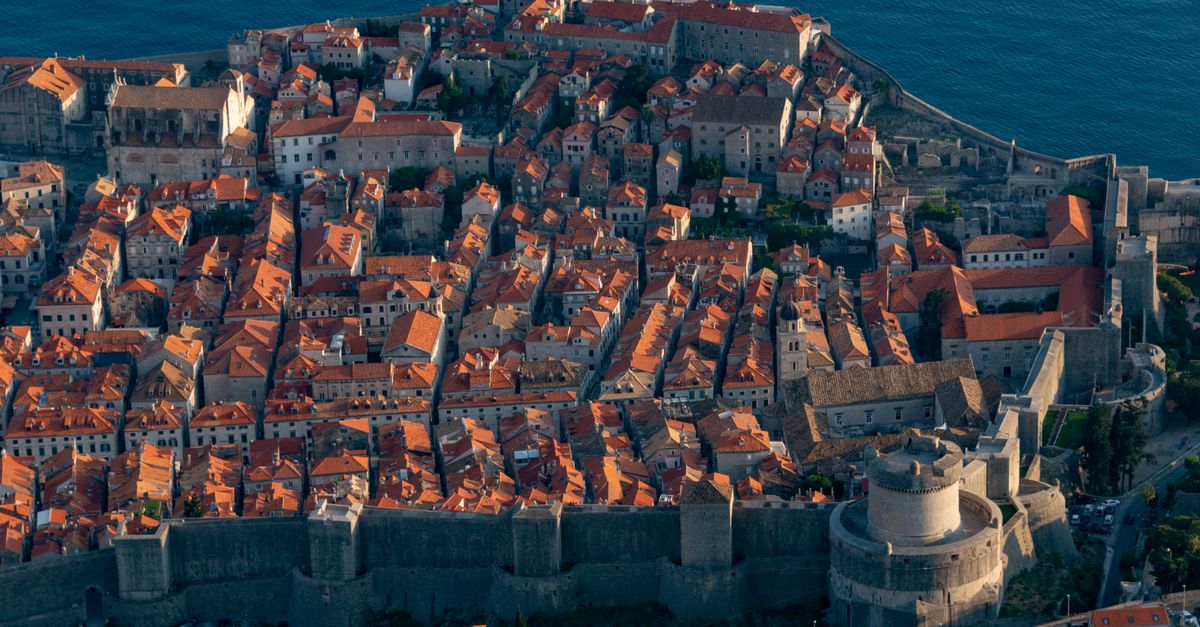
Finally, do not leave Dubrovnik without taking the cable car to Mount Srd (€25 return, operates 9am-midnight in summer). The city walls and the Old Town are most often photographed from sea level — the cable car delivers the perspective that makes sense of the entire city: the red-roofed oval of the Old Town, the Adriatic stretching to the horizon, and the Dalmatian islands scattered across the water. The 4-minute ascent is one of the best €25 you will spend in Croatia. At the top, the Panorama restaurant has reasonable prices by Dubrovnik standards (€12-18 for a main course) and the sunset view is exceptional.
Plan your 3-day Dubrovnik itinerary Dubrovnik's hidden gems beyond the walls