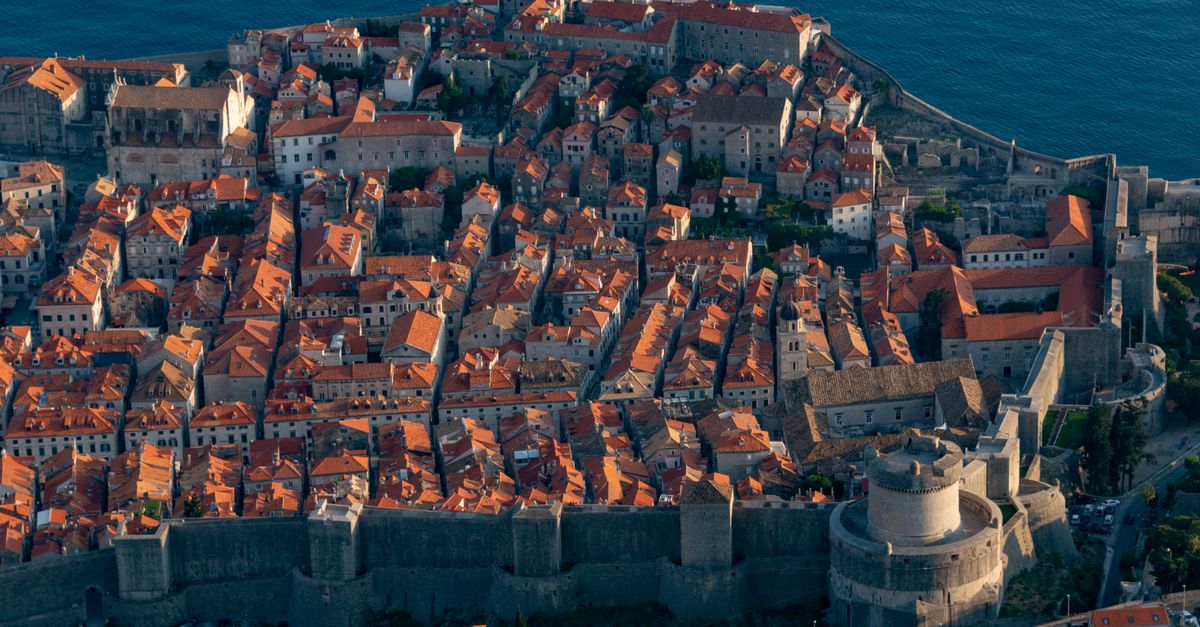
3 Days in Dubrovnik: Walls, Islands & Adriatic Magic
Dubrovnik is a city built for wonder. Massive stone walls encircle a perfectly preserved medieval city, the Adriatic glitters impossibly blue at every turn, and hidden bars perch on cliffs above the sea.
Three days lets you walk the walls, escape to nearby islands, and discover why this former rival to Venice still enchants everyone who visits. Croatia has used the euro since January 2023, making pricing straightforward for European visitors.

The Walls Walk, Old Town & Stradun
Start your visit with the City Walls walk (€35). This is Dubrovnik's defining experience — 2 km of ramparts circling the entire Old Town, with views over terracotta rooftops on one side and the open Adriatic on the other. Start at the Pile Gate entrance for the clockwise route.
Begin by 8 AM when walls open. By 10 AM, cruise ship passengers flood in and the narrow walkways become uncomfortable. The morning light is also better for photos — you'll be shooting into the sun in the afternoon. Allow 90 minutes to 2 hours, more if you stop for photos frequently.
After the walls, descend into the Old Town. Stradun (Placa) is the main limestone street, polished mirror-smooth by centuries of footsteps. Walk its 300 meters from Pile Gate to the Clock Tower, ducking into side streets whenever one catches your eye.
Visit the Rector's Palace (€15, or €25 combined ticket with other museums) for a glimpse of how the Dubrovnik Republic governed itself for centuries. The Gothic-Renaissance courtyard hosts summer concerts and its arched loggia is one of the most peaceful spots in the Old Town. The Franciscan Monastery (€8) near Pile Gate holds one of Europe's oldest pharmacies, operating since 1317. The small cloister with its slender columns and orange trees is a hidden masterpiece of Romanesque architecture.
Duck into the side streets climbing steeply from Stradun. These narrow staircases lead to quieter squares where cats sleep on stone steps and laundry hangs between buildings. The steep lanes on the northern side reveal how the city's residents actually live — packed tightly into medieval buildings updated with modern comforts.
Lunch at Nishta (Prijeko bb), Dubrovnik's best vegetarian restaurant. Creative dishes using local ingredients run €10-14. For something meatier, Proto Fish Restaurant (Široka 1) serves fresh catch daily (€15-25).
Spend the evening at Buža Bar — a cliff bar accessed through a literal hole in the city walls. Follow signs saying "cold drinks with the most beautiful view" along the southern ramparts. Perch on rocks above the sea with a beer (€6) and watch the sunset paint the Adriatic gold. There are two Buža bars — Buža II (the higher one) has better views.
Lokrum Island & Cable Car Panorama
Take the morning ferry to Lokrum Island (€20 return, boats every 30 minutes from Old Port). This lush island nature reserve sits just 600 meters offshore and feels like another world.
Explore the ruined Benedictine monastery (11th century), swim in the Dead Sea — a saltwater lake connected to the ocean through an underwater tunnel — and find secluded rocky beaches along the island's south shore. Peacocks roam freely everywhere.

The botanical garden, started by Archduke Maximilian of Habsburg in the 1860s, has exotic plants and walking paths through dense Mediterranean forest. Bring snacks and water — the island's one restaurant is overpriced. Pack swim gear and a towel.
Return by mid-afternoon and take the Dubrovnik Cable Car (€27 return) up Mount Srđ. The 778-meter summit offers a panoramic view of the entire Old Town, Lokrum, and the Elaphiti Islands stretching along the coast. The ride takes 4 minutes.
At the top, the Fort Imperial museum (€5) documents the 1991-92 Siege of Dubrovnik, when Serbian and Montenegrin forces shelled the city. The exhibits — shell maps, personal stories, video footage — are sobering and essential for understanding modern Dubrovnik.
For dinner, walk to Konoba Ribar (Miha Pracata 8) in the Old Town for fresh seafood risotto (€16) and grilled fish. The black risotto (crni rižot) made with cuttlefish ink is a Dalmatian signature dish.
Elaphiti Islands Boat Trip
Your third day belongs to the Elaphiti Islands — a chain of verdant, car-free islands northwest of Dubrovnik. Organized boat tours (€40-55 including lunch) visit three islands and include swimming stops. Book at the Old Port or any agency in town.
Koločep (Kalamota) is the closest island, covered in pine and olive groves with a small sandy beach. Lopud is the largest, with a stunning Šunj Beach on the far side — a 15-minute walk through olive groves from the harbor. Šipan is the quietest, with two sleepy villages and the best local restaurants.
If you prefer independence, the Jadrolinija ferry (€5-8 each way) runs to each island individually from Gruž harbor. Take the morning boat to Lopud, walk to Šunj Beach through fragrant olive groves and Mediterranean gardens, swim in the turquoise shallows for hours, and return on the afternoon ferry. Lopud has no cars — just stone paths connecting the harbor village to the beach. It's simpler, cheaper than an organized tour, and gives you freedom to linger.
Back in Dubrovnik, spend your final evening exploring the streets you missed. The side alleys climbing steeply from Stradun hide tiny wine bars and local konobas. Malvasija Wine Bar (Dropčeva 3) pours Dalmatian wines by the glass (€5-8) in a candlelit cellar.
End at the Old Port for a final look at the walls lit up at night, reflected in the dark harbor water. The warm stone glows amber under the lights, and the quiet lapping of water against the harbor wall is the soundtrack of Dubrovnik after dark. It's the image that stays with you long after you leave.
Getting Around Dubrovnik
The Old Town is entirely pedestrian and takes 15 minutes to walk end to end. You'll only need transport to reach your accommodation (if outside the walls), the cable car, or the bus station.
Libertas buses connect the airport, Lapad, Gruž port, and the Old Town. Single tickets cost €2 (bought on board) or €1.50 (from kiosks). A day pass is €5.

From Dubrovnik Airport (DBV), the Atlas airport shuttle bus (€9) runs to the Pile Gate bus stop in 30-40 minutes, timed to flight arrivals. Taxis cost €35-40. There's no train service in Dubrovnik.
| Expense | Budget | Mid-Range |
|---|---|---|
| Accommodation (per night) | €25-45 (hostel/room) | €80-150 (hotel) |
| Food (per day) | €20-30 | €40-65 |
| Transport (per day) | €2-5 | €5-10 |
| Attractions (per day) | €15-25 | €25-40 |
| Daily Total | €62-105 | €150-265 |
Dubrovnik is small enough to know intimately in three days but beautiful enough to remember for decades. The walls, the water, the light — they combine into something no photograph ever fully captures.
Day Trips from Dubrovnik
Dubrovnik's position on the Adriatic makes it an exceptional base for exploring southern Dalmatia and the Montenegrin coast. The day trip options range from half-hour ferry rides to three-hour drives through some of the most dramatic scenery in the Balkans. Most are straightforward with public transport; a few require a rental car or organised tour.
Mostar in Bosnia and Herzegovina (2.5 hours by bus, €15-20 return) is the most popular day trip and rightly so. The 16th-century Stari Most bridge over the Neretva River is one of the most beautiful single structures in the Balkans — rebuilt after its deliberate destruction in 1993, it has become a symbol of both the region's trauma and its resilience. The old bazaar surrounding the bridge sells Bosnian copperwork, hand-woven rugs, and excellent burek (flaky pastry filled with meat or cheese, €3-4). Buses depart daily from Dubrovnik's main bus station in Gruž; the journey crosses briefly into Croatia, through Bosnia, and back. Bring your passport.
Kotor in Montenegro (2 hours by car or 3 hours by bus, from €8 one way) is a UNESCO-listed walled city that rivals Dubrovnik in its medieval completeness but attracts about a tenth of the visitors. The city walls climb 1,350 steps up to Fort of San Giovanni — the views over the Bay of Kotor, a fjord-like inlet surrounded by mountains, are extraordinary. The old town is compact enough to walk completely in two hours, with a cathedral dating to 1166 and a warren of streets barely wide enough for two people. A bowl of Montenegrin lamb stew (around €10) at a konoba near the south gate makes a fine lunch before the return journey.
Ston and Mali Ston (1 hour by bus from Dubrovnik, €5-8 return) are two connected fortress towns on the Pelješac Peninsula, famous for their medieval salt pans and, more importantly, their oysters. The oysters farmed in Mali Ston Bay have been eaten since Roman times — a plate of six at a waterfront konoba costs €8-10, with a glass of local Pošip white wine for €4-5. The medieval defensive walls connecting the two towns are the longest preserved fortification in Europe after the Great Wall of China, stretching 5.5 kilometres across the peninsula. The walk takes about 45 minutes in one direction and costs €5 to enter.
Explore Dubrovnik's Dalmatian cuisine Dubrovnik budget guide Dubrovnik's hidden gems