
Fez exceeds expectations even when expectations are high. What images cannot convey is the texture — the way air feels on your skin at dusk, the aroma that greets you in the central market, conversations flowing in rhythms that belong only to this place.
This itinerary balances the must-see landmarks with quieter neighborhoods where the city's true character emerges. Eat everything, walk everywhere, and talk to strangers. The city rewards curiosity with generosity.
Fez el-Bali Medina Deep Dive
Morning (8:00 AM) — Bab Bou Jeloud Blue Gate entrance: The atmosphere builds gradually as you explore — from initial orientation to genuine immersion. Allow at least an hour, more if you read every plaque and peer around every corner. The surrounding streets offer good cafes for a post-visit debrief over coffee or a cold drink. Check opening hours in advance as seasonal schedules vary.
Mid-Morning (10:30 AM) — Bou Inania Madrasa interior: This is one of Fez's defining experiences — photographs cannot fully convey the combination of visual impact and cultural significance. Spend at least 45 minutes here, preferably in the morning when the light is best and crowds are manageable. The views from elevated sections reward the climb, offering a perspective that reframes the city's layout.
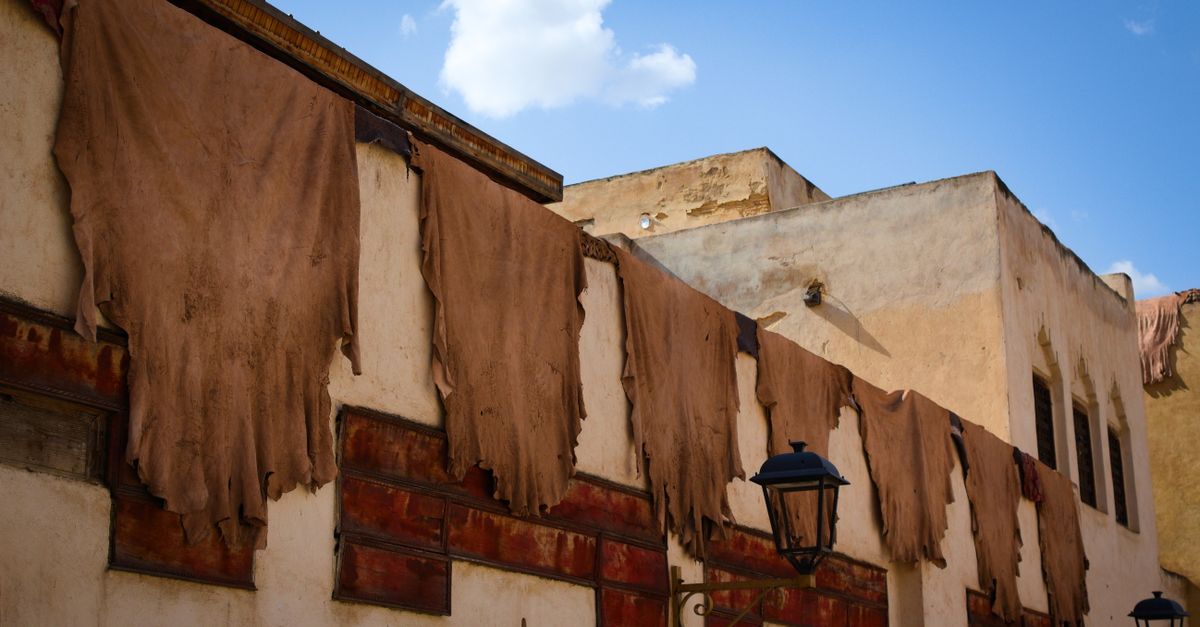
Afternoon (1:00 PM) — Chouara Tannery from terrace: Arrive early — by midday the tour groups arrive in force. The atmosphere is best appreciated at a slow pace, with stops to absorb details that reveal themselves only to those paying attention. A local guide can unlock layers of meaning invisible to the uninstructed eye. Budget at least an hour and resist the urge to rush.
Late Afternoon (3:30 PM) — Al-Attarine Madrasa: The combination of natural beauty and human history here creates an experience on multiple levels. First-time visitors often focus on the photogenic elements, but the deeper reward comes from understanding why this place exists and what it means to the people who live here. Take your time — the place is not going anywhere.
Evening (6:00 PM) — Souk exploration walk: What makes this stop essential is how it connects to Fez's larger story — a narrative of decisions, ambitions, and compromises that explain why the city looks and feels the way it does. Experiencing it in person adds a dimension that reading about it cannot replicate.
Mellah, Museums & Viewpoints
Morning (8:00 AM) — Mellah Jewish Quarter walk: The atmosphere builds gradually as you explore — from initial orientation to genuine immersion. Allow at least an hour, more if you read every plaque and peer around every corner. The surrounding streets offer good cafes for a post-visit debrief over coffee or a cold drink. Check opening hours in advance as seasonal schedules vary.
Mid-Morning (10:30 AM) — Dar Batha Museum ceramics: This is one of Fez's defining experiences — photographs cannot fully convey the combination of visual impact and cultural significance. Spend at least 45 minutes here, preferably in the morning when the light is best and crowds are manageable. The views from elevated sections reward the climb, offering a perspective that reframes the city's layout.
Afternoon (1:00 PM) — Royal Palace gates photos: Arrive early — by midday the tour groups arrive in force. The atmosphere is best appreciated at a slow pace, with stops to absorb details that reveal themselves only to those paying attention. A local guide can unlock layers of meaning invisible to the uninstructed eye. Budget at least an hour and resist the urge to rush.
Late Afternoon (3:30 PM) — Merinid Tombs viewpoint sunset: The combination of natural beauty and human history here creates an experience on multiple levels. First-time visitors often focus on the photogenic elements, but the deeper reward comes from understanding why this place exists and what it means to the people who live here. Take your time — the place is not going anywhere.
Evening (6:00 PM) — Jnan Sbil Gardens stroll: What makes this stop essential is how it connects to Fez's larger story — a narrative of decisions, ambitions, and compromises that explain why the city looks and feels the way it does. Experiencing it in person adds a dimension that reading about it cannot replicate.
Pottery District & Cooking Class
Morning (8:00 AM) — Fez pottery cooperative tour: The atmosphere builds gradually as you explore — from initial orientation to genuine immersion. Allow at least an hour, more if you read every plaque and peer around every corner. The surrounding streets offer good cafes for a post-visit debrief over coffee or a cold drink. Check opening hours in advance as seasonal schedules vary.
Mid-Morning (10:30 AM) — Traditional cooking class: This is one of Fez's defining experiences — photographs cannot fully convey the combination of visual impact and cultural significance. Spend at least 45 minutes here, preferably in the morning when the light is best and crowds are manageable. The views from elevated sections reward the climb, offering a perspective that reframes the city's layout.
Afternoon (1:00 PM) — Hammam experience: Arrive early — by midday the tour groups arrive in force. The atmosphere is best appreciated at a slow pace, with stops to absorb details that reveal themselves only to those paying attention. A local guide can unlock layers of meaning invisible to the uninstructed eye. Budget at least an hour and resist the urge to rush.
Late Afternoon (3:30 PM) — Evening at Café Clock: The combination of natural beauty and human history here creates an experience on multiple levels. First-time visitors often focus on the photogenic elements, but the deeper reward comes from understanding why this place exists and what it means to the people who live here. Take your time — the place is not going anywhere.

Budget Breakdown (Per Person, 3 Days)
| Category | Budget | Mid-Range | Luxury |
|---|---|---|---|
| Accommodation (3 nights) | MAD 450 | MAD 1,200 | MAD 4,500 |
| Food & Drinks | MAD 250 | MAD 600 | MAD 1,800 |
| Transport | MAD 60 | MAD 150 | MAD 450 |
| Activities | MAD 150 | MAD 400 | MAD 1,200 |
| Total | MAD 910 | MAD 2,350 | MAD 7,950 |
Practical Tips for Fez
Getting Around
Walking in medina, petit taxis covers most of Fez. Combine public transport for longer distances with walking for neighborhoods. Download offline maps before arriving. Multi-day transit passes almost always offer better value than single tickets.
When to Visit
Visit Fez during March-May, September-November for comfortable walking weather and accessible outdoor attractions. Shoulder seasons bring fewer crowds and lower prices.
Neighbourhoods to Know
Fez divides neatly into three distinct zones, each with its own personality and purpose. Fez el-Bali — the old medina and UNESCO World Heritage Site — is the city's ancient heart, a labyrinth of over 9,000 alleys containing mosques, madrasas, tanneries, and workshops unchanged in their fundamental character for centuries. Navigating it without a map is both frustrating and revelatory; the locals who offer to guide you for a fee are usually worth every dirham. Expect to pay a registered guide MAD 200–350 for a half-day tour through the medina's most disorienting quarters.
Fez el-Jdid, the "New Fez" built in the 13th century, sits immediately west of the medina and contains the Royal Palace (Dar el-Makhzen), whose golden brass doors make for one of Morocco's most photographed facades. The Mellah, the former Jewish quarter within Fez el-Jdid, rewards slow exploration: the distinctive wrought-iron balconies, the Ibn Danan synagogue (open to visitors, free entry), and the covered market selling dried fruits and spices reflect centuries of coexistence. Many travellers overlook this neighbourhood entirely, which is precisely why it deserves time.
The Ville Nouvelle, built by the French Protectorate in the early 20th century, is where you'll find the widest boulevards, contemporary restaurants, and the most accessible ATMs. Avenue Hassan II is the commercial spine; Café La Noria nearby is an excellent spot for a coffee and people-watching that costs MAD 15–25. This is also where budget airlines deposit passengers via the nearby Fez-Saïss Airport, making it many visitors' first impression of the city — though it tells only a fraction of Fez's story.
Transitioning between these three zones on foot takes 15–30 minutes depending on your starting point. Petit taxis (small orange cabs) are metered and charge a MAD 7 minimum flagfall; a cross-city ride rarely exceeds MAD 25. They cannot enter the medina's pedestrian-only alleys, so drivers will drop you at the nearest gate — Bab Bou Jeloud for the main medina entrance, or Bab Semmarine for Fez el-Jdid.
Exploring more of Morocco? Read our Essaouira 3-Day Itinerary for your next adventure.


