
Chitwan National Park is Nepal's premier wildlife reserve and UNESCO World Heritage Site — a subtropical jungle in the Terai lowlands where endangered one-horned rhinoceros, elusive Bengal tigers, and wild Asian elephants roam through sal forests and tall elephant grass. Canoe rides through crocodile rivers and Tharu cultural performances complete the safari experience.
Jungle Safari & River
Morning: Enter Chitwan National Park (NPR 2,000 daily entry permit for foreigners). Jeep safari through the mixed sal forest and towering elephant grass habitat (NPR 3,000-5,000 per vehicle for a 4-hour morning or afternoon game drive). Greater one-horned rhinoceros are commonly spotted grazing in clearings and wallowing in mud pools. Spotted deer, sambar, langur monkeys, and wild boar are frequent. Bengal tiger sightings are rare but fresh pug marks are often visible on jeep tracks.
Afternoon: Dugout canoe ride on the Rapti River (NPR 1,000-1,500 per person, approximately 1 hour downstream drift). Glide silently past mugger crocodiles basking on muddy banks with jaws agape, endangered gharials (fish-eating crocodiles with distinctive narrow snouts) resting on sandbanks, and dozens of wetland bird species fishing along the water margins. Chitwan's birdwatching is exceptional and world-renowned — over 543 species are recorded within the park boundaries.
Evening: Tharu cultural show (NPR 500-800 per person) in Sauraha village performed by the indigenous Tharu community. The energetic stick dances, graceful peacock dances, and harvest celebration performances showcase the vibrant culture of the Terai's original inhabitants. Dinner at a riverside restaurant — Nepali dal bhat with river fish curry, pickled vegetables, and papadums from the Terai lowland cooking tradition (NPR 400-800 per complete meal).
Walking Safari & Breeding Center
Morning: Guided jungle walk through the buffer zone and park edges (NPR 2,000-3,000 per person, approximately 3 hours with an experienced naturalist guide). Walking through the sal forest on foot is significantly more intimate and immersive than a vehicle safari. The knowledgeable guide reads animal tracks in soft mud, identifies bird calls by species, and spots camouflaged wildlife invisible from the noise and height of passing vehicles. Close rhinoceros encounters on foot are intensely exciting.
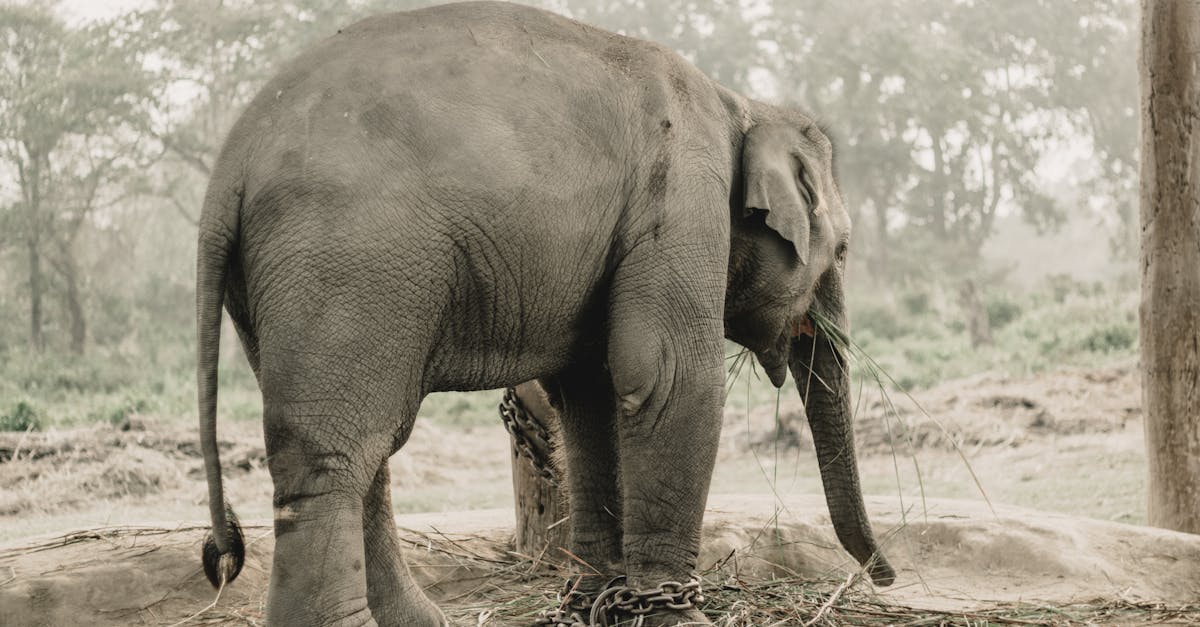
Afternoon: Visit the government Elephant Breeding Center (free admission) near Sauraha. Baby Asian elephants play, mud-bathe, and interact with each other in the compound while mothers feed on cut grass nearby. The center breeds elephants for anti-poaching park patrol duties and wildlife management operations. The close encounters with curious and playful calves are heartwarming. The center contributes meaningfully to the conservation of this endangered species.
Evening: Sunset from the Rapti River banks near Sauraha creates beautiful wildlife viewing conditions. Rhinoceros sometimes cross the shallow river at dusk to feed in the buffer zone, and the birdlife is most active and vocal during the golden hour transition. Dinner at a Sauraha rooftop restaurant watching fireflies begin to appear over the dark river as the nocturnal jungle sounds intensify dramatically after complete darkness falls.
Birdwatching & Village Life
Morning: Early morning birdwatching walk (NPR 1,500-2,500 per person, 5:30am start before heat drives birds into shade). Chitwan's 543 documented bird species include the critically endangered Bengal florican performing its spectacular breeding display, the great hornbill with its enormous casqued bill, and the paradise flycatcher trailing its extraordinary long white tail feathers through the forest undergrowth.
Afternoon: Explore Tharu villages along the park boundary by rented bicycle (NPR 300-500/day). The Tharu Museum (NPR 200) explains the indigenous community's unique culture, traditional farming practices, distinctive art, and their genetic resistance to malaria that allowed them to inhabit the malarial Terai lowlands when other ethnic groups could not. The mud-walled, thatched-roof houses decorated with geometric painted patterns are photogenic and culturally distinctive.
Quick Tips
- October through March is the best safari season with drier conditions and shorter grass significantly improving wildlife visibility. Summer (April-June) is very hot but brings fewer tourists and breeding bird activity.
- Tourist buses from Kathmandu or Pokhara take 5-6 hours on mountain roads (NPR 800-1,500). Internal flights to Bharatpur airport (20 minutes from Sauraha) save considerable travel time and road fatigue.
- Book comprehensive 2-night safari packages through reputable Sauraha lodges (NPR 8,000-15,000 per person) including all park activities, experienced guides, meals, and national park entry permits for best value.
Practical Information
Chitwan is reached from Kathmandu (5 hours by tourist bus) or Pokhara (5 hours). Bharatpur airport has domestic flights. Sauraha village on the park boundary is the main tourist base with lodges, restaurants, and tour operators. All safari activities should be booked through licensed operators with trained naturalist guides. The park is at low elevation (100-800m) so no altitude concerns. Malaria prophylaxis is recommended — consult your doctor before travel.
Best Times to Visit & Budgeting
Peak safari season is October through March when weather is dry and cool (18-25°C daytime). April-June is very hot (35°C+) but wildlife concentrates around water sources, improving sighting chances. Monsoon (July-September) brings flooding and some areas close. Budget lodges from NPR 2,000/night and comfortable safari lodges from NPR 5,000-15,000 including full board. A 2-night stay is the minimum to experience the park properly with both jeep and walking safaris.
| Travel Style | Daily Cost (NPR) |
|---|---|
| Budget | NPR 3,000-5,000 |
| Mid-Range | NPR 7,000-12,000 |
| Luxury | NPR 15,000-30,000 |
Local Culture & Etiquette
The Tharu people have inhabited the Terai lowlands for at least a millennium, developing a culture, architecture, and farming system perfectly attuned to the subtropical floodplain environment. Understanding a few basics about their community transforms Chitwan from a straightforward wildlife destination into something considerably richer. The indigenous Tharu were largely displaced from their ancestral lands during the post-1950 malaria eradication campaigns, when hill migrants flooded the newly habitable lowlands. Tharu community tourism projects in Sauraha — museums, cultural shows, home visits — are a direct response, channelling visitor spending back to the people who know this landscape most intimately.
The Tharu cultural performance (stick dance, peacock dance, fire dance) shown each evening in Sauraha at around 6:30pm is genuine living tradition rather than purely staged spectacle. The performances take place in village compounds — audiences sit on open ground, children watch from the edges, and the energy is communal. Bring cash (NPR 500–800) and pay directly to the performers rather than bundling it into a lodge package that may not pass the full amount through. Photography is welcomed but ask permission before photographing individual faces, particularly of women.
Inside and around Chitwan National Park, several etiquette principles matter. Keep noise to a minimum during game drives and walking safaris — conversation in lowered voices, phones on silent. Animals in the park have no reason to fear humans within the established safari framework, but sudden loud noise disrupts feeding and resting behaviour. On the river canoe safari, absolute silence is maintained so as not to disturb roosting birds or sunbathing gharials. Your guide will signal for silence before approaching sensitive wildlife — follow the signal immediately.
Dress conservatively in Sauraha village and in any Tharu settlement. Bare shoulders and short shorts are comfortable in the heat but feel jarring in a traditional community context. A lightweight linen shirt or cotton kurta over shorts is enough to navigate both the jungle and village visits comfortably. When visiting the Elephant Breeding Center, avoid the face-to-face contact sessions that some operators still offer for an additional fee — responsible elephant welfare advocates strongly recommend against encouraging animals to perform or accept close contact with strangers.
Bargaining is standard for tuk-tuk fares and souvenir shopping in the bazaar, but not in restaurants or for official park fees. Tipping guides (NPR 500–1,000/day) and drivers (NPR 300–500/day) is customary and meaningful — service workers in the conservation sector are paid modest base wages, and guide gratuities represent a significant supplement.


