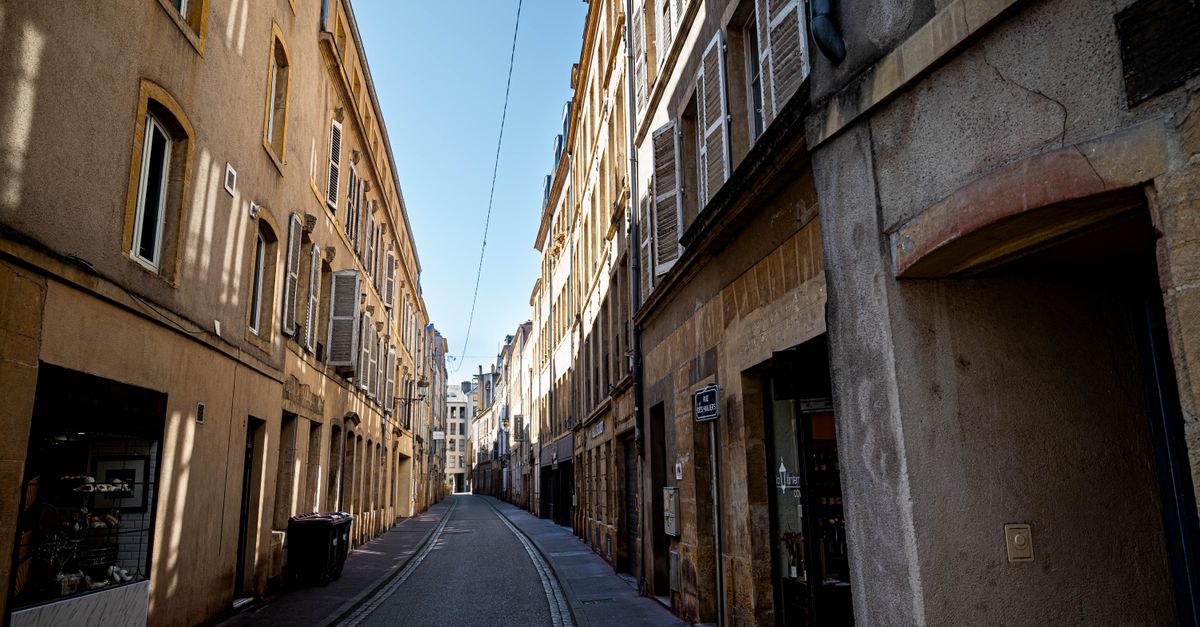
Bordeaux surprises budget travelers. The city famous for producing the world's most coveted wines — those Grand Cru bottles that sell for hundreds of euros — turns out to be remarkably affordable when you know how to navigate it. A strategic visitor can sleep in a central hostel, eat market lunches of charcuterie and cheese, sip excellent regional wine from a supermarket bottle at the Miroir d'Eau at sunset, and spend almost nothing on attractions beyond one or two museum tickets. The key is understanding where Bordeaux's residents actually eat and drink, rather than following the tourist trail along Rue Sainte-Catherine into overpriced wine bars. With a budget of EUR 55-80 per day, you'll live very well indeed in one of France's most beautiful cities.
Getting There on a Budget
Bordeaux-Mérignac Airport (BOD) sits about 11 km west of the city center. The single most important budget decision you'll make before landing is how you plan to get into town.

The Liane 1 bus — operated by TBM, Bordeaux's urban transport authority — connects the airport directly to the city center (Gare Saint-Jean and Place Gambetta) for EUR 1.70 per ride. It runs every 10-15 minutes during the day and the journey takes around 45 minutes. Buy a ticket from the driver or the ticket machine at the stop. This is the overwhelmingly correct choice for budget travelers.
A taxi from the airport to central Bordeaux costs EUR 35-45 depending on traffic and time of day, rising to EUR 50-55 after 7 PM and on weekends. That's 20 to 25 times the cost of the bus. Unless you're arriving after midnight with heavy luggage and splitting the cost with travel companions, there is no budget justification for a taxi.
By train, Bordeaux is well-connected to Paris via TGV (from EUR 25 booked far in advance, rising to EUR 80+ last-minute), Lyon (from EUR 20), and Toulouse (from EUR 12). The high-speed line from Paris Saint-Lazare puts Bordeaux just 2 hours 4 minutes away — one of France's great train journeys. Check SNCF Connect or the Trainline app for advance purchase fares; booking 60-90 days ahead consistently delivers the lowest prices.
Budget airlines including Vueling, Ryanair (from London Stansted), and easyJet serve BOD with promotional fares as low as EUR 15-40 from major European cities. Midweek departures and off-peak months (November through March, excluding school holidays) offer the sharpest prices. Flying into Paris Charles de Gaulle or Lyon and taking the TGV is sometimes cheaper than a direct flight, particularly when baggage fees are factored in — always run the full calculation before booking.
Budget Accommodation
Bordeaux has a solid range of budget beds, from classic youth hostels to small independent hotels that undercut the chains. The best-value neighborhood for budget accommodation is Saint-Michel, a 10-minute walk from the UNESCO old town and directly on tram lines B and C.

Auberge de Jeunesse Bordeaux is the official FUAJ/HI-affiliated hostel, located on Cours Barbey near Gare Saint-Jean. Dormitory beds run EUR 24-32 per night depending on season; private rooms EUR 52-72. The hostel has a bar, kitchen, luggage storage, and a sociable common area. It's reliably clean and well-run. Being near the station is useful if you're arriving by TGV and want to drop bags immediately. Book at least two weeks ahead in July and August.
CIARUS Bordeaux on Rue du Palais Gallien is another excellent option, run by a Christian association that welcomes all travelers regardless of religion. Dorms cost EUR 28-36; private rooms EUR 65-85. The location, a short walk from the Grand Théâtre and the main shopping district, is genuinely central. Breakfast is available for EUR 8 — decent value if you're looking for a hot meal to start the day.
Hotel de la Presse near Place de la Victoire is a solid two-star independent hotel with doubles starting at EUR 65-85 in low season and EUR 90-120 in summer. The rooms are simple but clean, with decent soundproofing. Its central position on one of the main tram corridors makes it easy to reach everything on foot or by tram.
For stays longer than four nights, look at apartments on Airbnb or Booking.com in the Chartrons or Bastide districts — studios with kitchens rent for EUR 60-90 per night and the ability to cook your own breakfasts and some dinners dramatically reduces your daily food spend. The Bastide neighborhood on the right bank is connected to the old town by tram line C across the Pont de Pierre.
Eating Cheaply Like a Local
The secret to eating well in Bordeaux on a budget is the same as in any French city: shop and eat where French people shop and eat. The tourist corridor — particularly around Place du Parlement and the waterfront quays — prices meals for visitors, not for the Bordelais. Step three streets back from the Garonne and prices drop significantly.

Marché des Capucins, open Tuesday through Sunday morning on Place des Capucins in Saint-Michel, is the city's main covered market and unquestionably the best budget food experience in Bordeaux. Stallholders sell charcuterie, cheese, oysters from the nearby Arcachon Basin, fresh bread, and local wines at wholesale-adjacent prices. A market breakfast of fresh oysters and a glass of Entre-deux-Mers white wine costs EUR 5-8 — one of the great cheap pleasures of southwest France. Come before 10 AM for the best selection; the market winds down by 1 PM on weekdays.
Les Halles de Bacalan is a newer covered market in the Bassins à Flot district, near La Cité du Vin. The food court has 15-20 stalls serving everything from pibales (baby eels, a local delicacy) to Vietnamese bánh mì and wood-fired pizza. A full meal with a glass of wine runs EUR 10-15. It's busiest at Friday and Saturday lunchtimes and on Sunday mornings.
For sit-down meals, look for brasseries in the Saint-Pierre quarter that offer a plat du jour (daily special) at lunch — typically EUR 12-16 including bread and a carafe of house wine or water. Steak-frites is the Bordeaux budget classic: a proper entrecôte with crisp frites and a salad for EUR 14-18 at unpretentious bistros on Rue des Augustins and Rue Saint-Rémi.
Wine is where Bordeaux's budget credentials really shine, paradoxically. While great-vintage Margaux and Pauillac remain expensive, the Entre-deux-Mers appellation produces excellent dry whites from Sauvignon Blanc for EUR 4-7 in supermarkets (Carrefour on Rue Sainte-Catherine or Monoprix on Cours de l'Intendance). Pick up a bottle and drink it at the Miroir d'Eau at golden hour — this is what locals actually do.
Free & Low-Cost Attractions
Bordeaux's greatest sights cost nothing at all. The city's UNESCO World Heritage designation was awarded for its ensemble of 18th-century neoclassical architecture — and you experience that simply by walking through it.

Miroir d'Eau (Water Mirror) on the Quai Louis XVIII is one of the most photographed public spaces in France. The world's largest reflecting pool floods with a thin film of water that creates perfect reflections of the nearby Place de la Bourse, then releases clouds of mist every 15 minutes. Free, open year-round, magical at sunset. This should be on every itinerary regardless of budget.
Basilique Saint-Michel is a Gothic masterpiece with a detached bell tower (the second-tallest in southern France) that anchors the vibrant Saint-Michel neighborhood. Entry to the basilica is free. The weekly flea market in the square outside operates on Sunday mornings and is excellent for secondhand books, vinyl records, and North African textiles — the neighborhood has a large Moroccan and Algerian community and the market reflects this beautifully.
Darwin Ecosystem on the right bank in the Bastide district is a post-industrial regeneration project inside a converted military barracks. It houses organic restaurants, skate parks, street art murals, a climbing wall, and a weekly organic market. Wandering the site is free and the murals by internationally recognized street artists like Snek and Philippe Hérard are world-class. Take tram line C across the Pont de Pierre to reach it.
Jardin Public is Bordeaux's grandest park — formal French gardens with a natural history museum (free entry), an aviary, a children's playground, and well-maintained lawns where students from the nearby university eat lunch. It's the ideal spot to picnic on Marché des Capucins provisions.
When it's time to spend money on culture, La Cité du Vin wine museum is the headline attraction at EUR 22 per adult (EUR 17 for those aged 18-25). The ticket includes a tasting of one wine in the panoramic belvedere on the eighth floor. Splurge here and it'll reshape how you think about wine.
Getting Around on a Budget
Bordeaux's TBM network consists of three tram lines (A, B, C), an extensive bus network, and the BAT3 river bus. For a compact city with a UNESCO old town that is largely walkable, this infrastructure is more than adequate for budget travelers.

A single TBM ticket costs EUR 1.70 and is valid for one hour with unlimited transfers between trams, buses, and the river boat within that window. A 10-trip carnet costs EUR 15.40 (EUR 1.54 per trip). The 1-day pass costs EUR 5 and covers unlimited travel from first validation until end of service. For two or more days, the multi-day passes represent better value: a 3-day pass costs EUR 12.
The city center — from the Garonne waterfront to the Grand Théâtre and Place de la Victoire — is genuinely walkable. Most of the old town's key sights are within 20 minutes' walk of each other. Trams become most useful for reaching Bordeaux-Lac to the north, the Bassins à Flot district (La Cité du Vin), and the Bastide right bank.
Cycling is another excellent option: Bordeaux has over 350 km of cycle paths. The V3 public bike-share scheme has stations throughout the city center. A 1-day pass costs EUR 1.70 (first 30 minutes of each journey free, then EUR 1 per additional 30 minutes). For distances under 3 km, a bike is almost always faster than a tram.
Avoid taxis for in-city travel — they are legitimate but expensive for what is, in most cases, a short trip that a tram or bike handles just as well.
Money-Saving Tips
Six proven strategies for stretching your euro further in Bordeaux:
Buy wine at the supermarket, not at wine bars. A glass of decent Bordeaux rouge at a tourist-area wine bar costs EUR 7-12. A good Entre-deux-Mers white or a Bordeaux Supérieur red from Carrefour or Monoprix costs EUR 4-8 for the whole bottle. Drink at the Miroir d'Eau or Jardin Public with market cheese and bread. Cost: EUR 8-12 for two people versus EUR 28-40 at a wine bar.
Eat the plat du jour at lunch, not dinner. French restaurants offer their best-value food at lunch. A two-course formule (starter plus main, or main plus dessert) with a drink typically costs EUR 12-16 at lunch versus EUR 22-30 for the same food ordered à la carte at dinner.
Take the Liane 1 bus to the airport. Even for a single person, the EUR 1.70 bus vs EUR 35-45 taxi gap is EUR 33-43 per journey. For a couple, EUR 3.40 vs EUR 35-45. Over a round trip, this saves EUR 60-80.
Visit châteaux on open days rather than private tours. Many Médoc and Graves châteaux hold open days during summer weekends when tasting is free or EUR 5-10. Check the Route des Châteaux schedule at the Bordeaux tourism office or on Bordeaux Fête le Vin's website. Private guided tours of the same properties cost EUR 40-80 per person.
Shop at Lidl or Aldi for picnic provisions. Both discount supermarkets have central Bordeaux locations and sell excellent French bread, cheese, and wine at significantly lower prices than Monoprix. A picnic from Lidl for two — baguette, cheese, charcuterie, fruit, a bottle of wine — costs EUR 10-14.
Use the BAT3 river bus rather than tourist boat cruises. The BAT3 connects Quinconces and the Bastide right bank for EUR 1.70 — the same price as any other TBM ticket. Tourist river cruises on the Garonne cost EUR 15-20 per person for a 1-hour trip. The TBM river crossing gives you river views for free as part of your transport network.
Stay in Saint-Michel, not Saint-Pierre. The adjacent Saint-Michel neighborhood is 15% cheaper for accommodation and restaurants, two minutes' walk from the old town, and considerably more authentic. The Saturday market in Place Canteloup and the Sunday flea market beside the basilica are experiences you won't find in the tourist core.