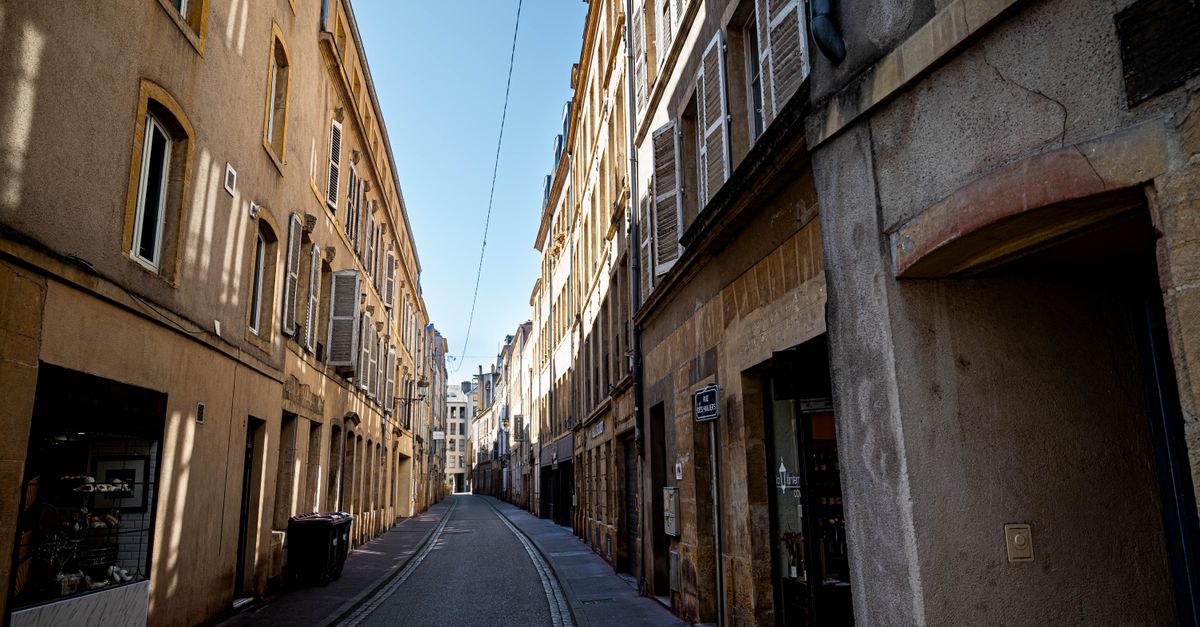
Bordeaux spent most of the 20th century as a stuffy, conservative city living off its wine reputation. What happened in the 21st century was one of Europe's most dramatic urban transformations: Alain Juppé became mayor, cleaned the 18th-century limestone facades that decades of river fog and soot had blackened, buried the tram network, and created a walkable city of extraordinary beauty. The result is a city that now looks exactly as it was designed to look in the 18th century — and which has attracted a generation of restaurateurs, vignerons, and creative businesses that have made Bordeaux one of the most interesting food and culture cities in France.
This guide is for the traveller who has already noticed that the wine list in London's best restaurants has shifted significantly toward Bordeaux's smaller appellations over the last decade. It's for someone who wants to visit the Cité du Vin, eat oysters from the Arcachon basin with a glass of Entre-Deux-Mers, and understand that the finest wine experiences in Bordeaux are not at the Grand Crus Classés châteaux but at the small vignerons in Saint-Émilion and the Côtes de Bourg who are making extraordinary wine and charging a fraction of the famous names.
Bordeaux is walkable, beautiful, and genuinely good at feeding and drinking people. Come prepared to do all three seriously.

1. Darwin Ecosystem in Bastide
The Darwin Ecosystem is Bordeaux's most interesting neighbourhood project — a converted military barracks from the 19th century on the right bank of the Garonne, turned into a hub for sustainable businesses, organic food, urban farming, street art, and social innovation. It has a large organic supermarket, a restaurant using only zero-kilometre ingredients, a skate park covered in world-class street art, a brewery, and a Saturday organic market that is the best in Bordeaux. Nothing about it is the Bordeaux of the wine châteaux.
The barracks were abandoned by the military in 2000 and occupied by a collective of environmental and social organisations from 2008. The project has grown to occupy several hectares of former parade ground and barracks buildings. The architectural contrast — 19th-century military buildings repurposed for 21st-century sustainable business — is striking and the quality of the street art commission that covers every available wall is extraordinary. Artists from throughout Europe have painted here.
Cross the Pont de Pierre from Bordeaux's centre and turn right along the Quai des Queyries — about 1.5 kilometres from the bridge. Or take tram Line B to Darwin/Niel stop. Open daily. The Saturday organic market runs 9am–2pm and is the most complete organic and local food market in the Bordeaux metropolitan area — local wine producers, cheese makers, organic fruit and vegetables, prepared foods from small producers. The restaurant Magasin Général (in the main warehouse building) serves lunch and dinner using only Gironde producers: €15–25 per head for lunch.
The street art circuit takes about 45 minutes to walk — get a map from the Darwin welcome desk. The skate park is active most days (the ramps, designed by professional skate architects, are among the finest outdoor skating facilities in France). The brewery, Brasserie La Semence, produces several craft beers including an organic wheat beer and a dark stout brewed with local malts; tasting at the taproom from €4 per glass, Wednesday to Sunday afternoons.
2. Saint-Michel Neighbourhood Sunday Market
The Saint-Michel quarter, in the south of Bordeaux's old city, is the most diverse and most underrated neighbourhood in the city — a mix of Portuguese, North African, and Antillais communities gathered around the Gothic basilica of Saint-Michel and the enormous bronze bell tower (the Flèche) beside it. The Sunday flea market around the base of the tower (Marché aux Puces, 7am–1pm) is the most authentic second-hand market in the Bordeaux metropolitan area, with genuine antiques mixed with household goods, African fabrics, Portuguese ceramics, and the occasional excellent piece of Belle Époque furniture.
The Saint-Michel quarter was one of the medieval entry points into Bordeaux from the south, and its character reflects centuries of immigration — the Portuguese community has been here since the 1960s and the neighbourhood has the finest pasteis de nata (Portuguese custard tarts) outside Lisbon in the pastelaria on Rue des Faures. The North African community runs excellent couscous restaurants and bakeries on the same street. The resulting food street is one of the most interesting in Bordeaux.
Walk south from the Place de la Victoire (easily reached by tram) along Rue des Faures and Rue des Menuts to reach Saint-Michel. The tower (Flèche) is visible from a distance and is the orientation point. The Sunday market wraps around the tower and spreads into the surrounding streets. Arrive early (7am) for furniture and silver; by 10am it's busiest but also most expensive. The café on the corner of Rue des Faures serves Portuguese coffee (excellent) and pasteis from 7am.
The Basilique Saint-Michel (construction 1350–1530) is one of the finest Gothic churches in Bordeaux and is almost never crowded. The interior has extraordinary 16th-century stained glass in the nave and a crypt that contains mummified bodies discovered during 18th-century excavations (opening hours variable — check at the entrance). The bell tower (Flèche) can be climbed for €3 for views over the neighbourhood and the river.
3. Wine Bar Exploration in the Triangle d'Or
Bordeaux's city centre has one of the finest concentrations of wine bars in any city in the world — which makes sense given what the city produces. The Triangle d'Or neighbourhood (between Place Gambetta, Place de la Comédie, and the Quai des Chartrons) has a density of serious wine bars that allows a comprehensive evening of Bordeaux wine education for €30–40 per person. The key distinction: wine bars serving the Bordeaux appellation system (the small châteaux and cooperative wines) rather than the Grand Crus Classés (which are extraordinary but priced for expense accounts).
Le Bar à Vin on Cours du 30 Juillet (run by the Bordeaux wine merchants' union, the CIVB) is the most accessible entry point — 20 Bordeaux wines available by the glass (€3.50–6 per glass) with a knowledgeable staff who are paid to explain the appellation system rather than sell a particular producer. Bar à Vin is open weekdays 11am–10pm, Saturdays 11am–11pm. The Baillardran Canelés shop opposite (the finest canelés bakery in Bordeaux — the small fluted caramelised pastry that is Bordeaux's signature baked good) completes the aperitif perfectly: one canelé, €1.50.
L'Or du Commun on Rue Condillac is the more serious wine bar — the selection focuses on organic and biodynamic Bordeaux producers who are making genuinely interesting wines outside the classified châteaux system. A glass of Saint-Émilion satellite appellation (Lussac, Puisseguin, Montagne) goes for €4–6 and represents some of the best wine value in the city. The cheese and charcuterie plates (€12–16) are assembled from local producers and are excellent accompaniments.
The Quai des Chartrons neighbourhood, extending north along the Garonne from the city centre, is the historic wine merchants' quarter — the city's wine trade has been operated from these quayside warehouses since the 18th century. Today the old négociant warehouses have been converted to wine shops, galleries, and restaurants. L'Entrepôt du Médoc at Quai des Chartrons 20 is an extraordinary wine warehouse converted to a restaurant and tasting room, specialising in the appellations of the left bank (Médoc, Pauillac, Saint-Estèphe). Tasting of three wines from a single appellation with food pairing: €25.
4. Cité du Vin on a Weekday Morning
The Cité du Vin, which opened in 2016 on the Garonne waterfront north of the centre, is the world's finest wine museum — a building whose sinuous shape evokes the swirling of wine in a glass, containing a permanent exhibition of 3,000 square metres covering wine's global cultural history, an extraordinary collection of wine artefacts from 5,000 years of viniculture, and a rooftop wine bar with panoramic views over Bordeaux. Weekday mornings (9am–10:30am) are the only time it's not busy.
The museum's permanent exhibition covers wine production and culture across every wine-producing region of the world — not just France, not just Bordeaux. The interactive design is exceptional: you can nose wine aromas, hear wine growers describe their terroir in their own languages, and navigate a timeline from the ancient Egyptians to the natural wine movement of the 2020s. The section on wine's role in religious ritual across cultures is particularly interesting. Allow 3 hours for a thorough visit.
The Cité du Vin is on Esplanade de Pontac, in the Bacalan neighbourhood, north of the Chartrons along the Garonne. Take tram Line B to Cité du Vin stop. Open daily 10am–7pm (last entry 6pm). Admission €22 including the welcome glass of wine at the top-floor bar — well worth it as the tasting of a regional wine while looking out over the Garonne is one of the finest moments in Bordeaux. The restaurant on site (Le 7, with views from 35 metres) is excellent but expensive (€40–60 per head); the wine bar on the same floor is more affordable.
After the museum, the Bacalan neighbourhood around it has undergone rapid transformation since the Cité du Vin opened. The Chartrons market nearby (Wednesday and Saturday mornings) is the finest antiques market in central Bordeaux. The former dry docks (Bassins à Flot) immediately north of the Cité du Vin are being developed as a creative and cultural district — the submarine pen from World War II (Base sous-marine, free entry, open for cultural events) is one of the most dramatic pieces of WWII industrial architecture in France.
5. Marché des Capucins Morning
The Marché des Capucins, in the south of the old city behind the Grand Théâtre, is Bordeaux's working food market — the equivalent of Les Halles in Lyon, where the city's restaurants and serious home cooks buy provisions. The covered market opens at 6am and is at its peak from 7 to 10am. The fish stalls have the morning's catch from the Atlantic coast and the Gironde estuary; the cheese counter has the finest Saint-Nectaire and Comté outside the producing regions; and the charcuterie stalls have the finest Gascon duck and pork products in the city.
The market has been on this site since 1749 — the current cast-iron and glass building dates from 1896. The stalls inside are traditional markets with traditional market etiquette: no squeezing the fruit, engage before you buy, thank the seller by name if you know it. The bar inside the market opens at 6am and serves to market workers; by 8am it's serving breakfast to early arrivals and the cross-counter conversation between neighbouring stallholders creates an extraordinary social atmosphere.
Walk southeast from the Place de la Victoire along Rue Elie Gintrac — the market entrance is on Rue Causserouge. Or take tram Line C to Saint-Michel and walk 5 minutes. Open Tuesday to Sunday from 6am to 2pm. Closed Monday. The oyster stalls (huîtres de Bassin d'Arcachon) are the most theatrical — the seller opens them to order and serves them on a bed of ice with a glass of Entre-Deux-Mers white wine and a slice of rye bread, for €6–9 per half-dozen. There is no better breakfast in Bordeaux.
The oyster and wine breakfast at the Capucins is a Bordeaux institution — the combination of flat Atlantic oysters with a glass of crisp, dry Entre-Deux-Mers (the appellation produced between the two rivers, often dismissed as simple in wine literature but at its best genuinely excellent) is one of the great uncomplicated pleasures of the Gironde. The wine sold at the market bars is priced by the glass at €2–3.50 — not the Grand Crus, the honest regional production that Bordelais people actually drink with their oysters.

6. Arcachon Basin and Cap Ferret
The Arcachon Basin — a vast, shallow lagoon 60 kilometres southwest of Bordeaux, connected to the Atlantic by a single narrow pass — is one of the most extraordinary natural landscapes in southwest France. The basin produces half of France's oysters, has a dramatic tidal range of 4–5 metres, and is enclosed on its ocean side by the Landes forest and the Dune du Pilat (the highest sand dune in Europe, 100 metres high and 2 kilometres long). Cap Ferret, the narrow peninsula that forms the western side of the basin, is a quiet community of beach houses, oyster farms, and pine forest that is deeply beloved by Bordelais families and largely unknown outside France.
The ferry from Arcachon town to Cap Ferret crosses the basin in 25 minutes (€10 return) and the crossing is an experience in itself — the water colour changes from grey-blue to turquoise over the shallow oyster beds, and on clear days you can see the Dune du Pilat from the middle of the crossing. Cap Ferret has an excellent cycle path running the length of the peninsula to the tip (the Grand Crohot beach on the Atlantic side) — hire bikes at the ferry terminal for €15 per day.
The drive from Bordeaux to Arcachon takes about 50 minutes on the A63. Alternatively, train from Gare Saint-Jean (Bordeaux) to Arcachon — approximately 50 minutes, €12 return. The Dune du Pilat is 10 kilometres from Arcachon town by bus (Lignes Côte d'Argent, €2 each way). The dune can be climbed by a wooden staircase on the northern face — 15–20 minutes up, depending on fitness and the softness of the sand. The view from the top, looking west over the Atlantic and east over the pine forest, is one of the finest panoramas in France.
Oysters from the basin are sold directly at the oyster farms along the Cap Ferret shoreline — pull up to a farm stall, buy a dozen, and eat them with a squeeze of lemon at the picnic table provided. Freshness is guaranteed to within hours of harvest; the price is €5–8 per dozen (versus €15+ at a Paris restaurant). Bring your own wine if you want it — the farms sometimes sell local Graves white alongside the oysters, but many are wine-free. This is the finest version of the Bordeaux oyster experience and costs almost nothing.
7. Place des Quinconces at Dawn
The Place des Quinconces is the largest city square in France — 126,000 square metres of gravel, fountains, and grand architectural framing between the city centre and the Garonne. Most visitors walk through it; few understand what they're looking at. The square was designed in the 1820s on the site of the demolished 15th-century Château Trompette — which was itself built on Roman remains — and the Monument aux Girondins at its centre (five bronze horses emerging from a fountain in the act of breaking free from their chains) is one of the finest pieces of republican public sculpture in France.
The Monument aux Girondins (1902) commemorates the Girondin deputies executed during the Terror in 1793 — a specifically Bordelais trauma, and the fountain's theme of liberation resonates in the city where it stands. At dawn (around 6:30am in summer), with mist occasionally rising from the Garonne beyond and the fountains just starting up, the square is extraordinary: the scale comprehensible without crowds, the horse figures caught in early light, the sweep of the 18th-century facades on either side clear and unobstructed.
The square is freely accessible at all hours. The tram stops at Quinconces on several lines. The Sunday morning market (September–June) in the south section of the square is a large general market with local producers, secondhand books, and some antiques. The funfair that occupies the northern section in June and December transforms the square into something completely different and rather wonderful. The café at the southern end, across from the Grand Théâtre, opens at 7am and has the best view of the Monument au breakfast table.
The Grand Théâtre itself (the neoclassical opera house of 1780, with twelve columns of the Corinthian order on the facade) is one of the finest opera houses in France and can be visited on guided tours when no performance is scheduled (€7, check the Grand Théâtre website for tour dates). The foyer alone — marble, gilded, the staircase that inspired the Paris Opéra Garnier — is worth the tour price. Evening performances range from opera to ballet to orchestral concerts; tickets from €15.
8. Bouliac and La Benauge Wine Villages
Bouliac is a village on the hills overlooking Bordeaux from the east bank of the Garonne — it takes about 20 minutes to drive from the city centre and delivers a view of Bordeaux from the opposite bank that is different from and in some ways superior to the view from within the city itself. The Côtes de Bourg appellation, 45 kilometres north of Bordeaux along the Garonne, produces excellent Merlot and Cabernet Franc-based reds at a fraction of the price of left-bank Médoc wines. The village co-operative caves offer tastings and sales without appointment.
The Côtes de Bourg is the forgotten appellation — it doesn't appear on most tourist wine itineraries, which focus on the famous names of Pauillac, Saint-Émilion, and Pomerol. But the soil here (clay-limestone with a higher elevation than the left-bank Médoc) produces wines of genuine complexity and the best small châteaux are making exceptional wine at €8–18 per bottle. Château Roc de Cambes, Château Bujan, and Château Mercier are the names to seek out.
Drive north from Bordeaux on the D670 along the right bank of the Dordogne and Gironde — about 45 minutes to the village of Bourg-sur-Gironde, which overlooks the confluence of the two rivers. The village itself has medieval ramparts, a good wine bar (La Cave de Bourg, open most days), and a market on Saturdays. The panoramic view from the ramparts — looking west over the Gironde toward the Médoc — is extraordinary and free.
The Entre-Deux-Mers wine region (between the Dordogne and Garonne rivers), southeast of Bordeaux, is equally undervisited. The white wines are dry, crisp, and refreshing at €6–10 per bottle from the cave coopérative at Créon. The medieval bastide town of Créon (market on Wednesdays) is a good base for exploring the Entre-Deux-Mers by bicycle — a 30-kilometre cycling circuit through the vineyards is available from the tourist office in Créon. The cycling is flat and easy; the wine is everywhere.
9. Musée d'Aquitaine
The Musée d'Aquitaine, in a 19th-century university building on the Cours Pasteur, covers 25,000 years of human presence in the Bordeaux region — from Palaeolithic hunters in the Dordogne caves to the 18th-century slave trade that made the city's fortune. The slave trade section is one of the most serious and honest treatments of the subject in any French museum — Bordeaux enriched itself through the triangular trade (textiles and wine to Africa, enslaved Africans to the Caribbean, colonial sugar and tobacco back to Bordeaux), and the museum doesn't minimise this history. The Palaeolithic section (reindeer antler carvings, Venus figurines from the Landes) is extraordinary.
The museum was reorganised in 2009 to include the slavery section, which caused some controversy in Bordeaux — the city's wealth is visibly and directly linked to the 18th-century slave trade, and many of the handsome neoclassical buildings on the quayside were built with the profits. The museum treats this honestly, with documents, accounts, and the detailed mechanics of the trade displayed alongside the architectural grandeur that resulted. It's one of the most important historical revisitations in French regional museum history.
Find it at 20 Cours Pasteur, in the city centre near the Place de la Victoire. Take tram Line A or C to Victoire. Open Tuesday to Sunday 11am–6pm. Closed Monday. Free admission. Allow 2–3 hours. The Gallo-Roman section (the Bordeaux of the Roman period, when the city was Burdigala and the most important wine trade centre in the western empire) has an excellent mosaic collection. The medieval section covers the English connection — Bordeaux was English from 1152 to 1453, which explains the claret tradition in British wine culture.
The medieval English connection is one of the more extraordinary facts of European history: for 300 years, the city produced wine specifically for the English market (the word "claret" comes from the Bordeaux clarets sent to England), and the English language absorbed more Gascon French vocabulary during this period than at any other time. The museum contextualises this trade relationship with objects, documents, and a clear account of how the geographical accident of Gascon rule became the foundation of a wine industry still generating billions annually.
10. La Criée Fish Market
The Criée — Bordeaux's wholesale fish market at the Quai des Chartrons — opens at 4am for professional buyers and by 6:30am sells directly to the public. The Atlantic coast fishing tradition of the Arcachon basin and the Bay of Biscay is on display: seabream, Atlantic bass, turbot, hake, and the occasional extraordinarily large bluefin tuna. The market sells at wholesale prices (significantly below any fishmonger or restaurant) and the quality is impeccable — the fish has often been at sea less than 12 hours before landing here.
The Quai des Chartrons was the centre of Bordeaux's wine export trade for three centuries — the négociant houses that bought and shipped the Médoc and Saint-Émilion wines had their cellars and offices on this quayside. Several of the magnificent 18th-century warehouses (chartrons) are still standing and have been converted to wine shops, galleries, and restaurants. The Sunday antiques market on the quayside (8am–2pm) is the most serious antiques market in Bordeaux, with silver, furniture, wine-related antiques, and Bordeaux wine labels from the 19th century.
The fish market is on the Quai des Chartrons, roughly at the point where the quayside curves westward. Take tram Line B to Chartrons and walk north along the quayside. Public access from 6:30am. No formal opening hours — the market operates as long as there's fish to sell. The volume of catches and the atmospheric quality of industrial trade taking place in an 18th-century quayside setting make it one of the more extraordinary morning experiences in Bordeaux.
After the fish market, walk south along the Chartrons quayside to the Miroir d'Eau — the reflecting pool in front of the Place de la Bourse, described by Bordeaux with characteristic understatement as "the world's largest reflecting pool." At low tide it's a 2-centimetre-deep mirror reflecting the 18th-century facade; at high water it produces a fountain mist. The light on the Bourse at sunrise, reflected in still water, is one of the most photographed images in France and is as beautiful as it looks in photographs. Free, always accessible.


