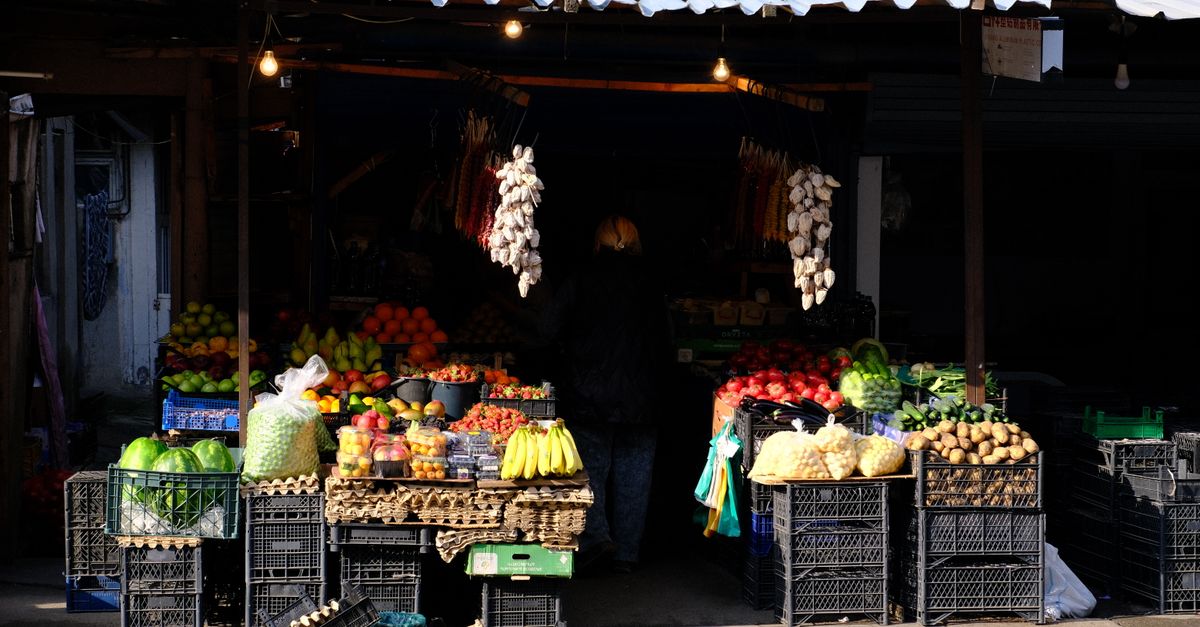
Belgrade does not pretend to be a polished European capital. The city wears its contradictions openly — a Roman fortress overlooking a river bar scene that runs until noon the following day, Socialist modernist architecture around the corner from a nineteenth-century bohemian quarter, a café culture so pervasive that an empty chair is an unusual sight before 11am. It is also, by every measurable metric, one of the most affordable capital cities on the European continent. The Serbian dinar trades at approximately RSD 117 to EUR 1 at the time of writing. A full restaurant dinner costs RSD 800-1,500. A beer in a bar costs RSD 250-400. A city bus ride costs RSD 120 with an e-card. Understanding the Belgrade budget is largely a matter of recalibrating your expectations downward from Western European prices to something genuinely, sustainably cheap.
Getting There on a Budget
Belgrade Nikola Tesla Airport (BEG) is well-served by low-cost carriers, with Wizz Air and Ryanair operating direct routes from across the UK, Germany, Sweden, Italy, Spain, and beyond. Return flights from London to Belgrade regularly appear below EUR 70 on budget comparison sites; from Frankfurt or Vienna, fares below EUR 50 are common. Air Serbia, the national carrier, connects Belgrade to a wide network of European and Middle Eastern destinations and occasionally offers competitive fares, particularly on routes to Istanbul, Abu Dhabi, and Podgorica.

For overland arrivals, Belgrade's BAS bus station (Beogradski Autobuski Stajalište) on Savski Trg receives international coaches from throughout the region. Routes from Sarajevo (approximately RSD 2,000-2,500 / EUR 17-21, 6 hours), Zagreb (RSD 1,500-2,000 / EUR 13-17, 6 hours), and Skopje (RSD 1,500-2,500 / EUR 13-21, 5 hours) are all viable and affordable overland entry routes. The station is a three-minute walk from Beograd Centar railway station and sits on the Sava riverbank at the edge of the Savamala district.
From the airport to the city, the Bus A1 is the budget standard: RSD 300, 35-40 minutes to the Republic Square stop in the city centre, departures every 20-30 minutes. Buy your ticket from the driver (cash or card). The bus stops at Slavija Square and the Republic Square — both useful drop-off points for central Belgrade accommodation.
The taxi alternative is the CarGo app — Belgrade's equivalent of Uber and the correct way to book a licensed taxi from the airport. Metered fare to the centre: RSD 1,200-1,800 (EUR 10-15). The app shows the price upfront. As with all Southeast European airports, do not accept approaches from unlicensed drivers in the arrivals hall; the official CarGo pickup zone is clearly signed outside the terminal.
Budget Accommodation
Belgrade's hostel scene is one of the best in Southeast Europe — a combination of good value, central location, and a social energy that reflects the city's wider culture. Dorm beds in quality hostels run RSD 1,500-2,500 per night (EUR 13-21); private doubles in the same hostels cost RSD 4,000-6,500 (EUR 34-55).

Hedonist Hostel (Knez Mihajlova 12, dorms RSD 1,800-2,500, private double RSD 5,000-6,500) occupies a prime spot on Belgrade's main pedestrian street in Stari Grad, making it arguably the best-located hostel in the city. The building is older-style with high ceilings and characterful common areas, and the terrace is a natural meeting point for guests in the evenings. The central location means that Kalemegdan Fortress is a 10-minute walk, the Skadarlija bohemian quarter is 8 minutes, and the Savamala district bars are 15-20 minutes on foot. Staff organise bar crawls and city walks regularly.
Hostel Bongo (Slobodana Jovanovića 3, Vracar district, dorms RSD 1,500-2,000, private double RSD 4,200-5,500) is the top choice for budget-conscious visitors who prefer a slightly quieter neighbourhood experience. Located in the residential Vracar district around St Sava Temple, it offers excellent value and a comfortable social atmosphere without the party intensity of some central hostels. Vracar is well-connected to the centre by tram (15 minutes) and has a strong local café and restaurant scene on its own streets.
Travelers Hostel (Despota Stefana 65, dorms RSD 1,400-1,900) is the perennial backpacker favourite for solo travellers on the tightest budgets — reliably clean, socially active, and positioned in the Old Town within walking distance of the main sights. The communal kitchen reduces food costs significantly for longer stays. The hostel runs nightly social events and is popular with long-term budget travellers using Belgrade as a base for Serbian day trips.
For budget hotels rather than hostels, the Zemun district across the Sava River offers clean guesthouses and small hotels for RSD 3,500-5,500 per night for a double — roughly 20-30% cheaper than equivalent accommodation in the central Stari Grad area, with tram and bus connections to the centre in 20-25 minutes.
Eating Cheaply Like a Local
Serbian cuisine is generous, meat-forward, and priced in a way that makes eating well on a budget not just possible but almost inevitable. The baseline street food is the burek — a flaky phyllo pastry filled with meat, cheese, or spinach, baked in a large round tin and sold by weight from bakeries across the city. A portion of burek sufficient for a filling breakfast costs RSD 100-200 (EUR 0.85-1.70). Paired with a glass of cold yoghurt (kiselo mleko, RSD 80-120), it is the canonical Belgrade morning meal.

The pljeskavica is the Serbian national street food — a large, heavily seasoned minced-meat patty, typically beef and pork mixed, served in a flatbread (lepinja) with accompaniments of kajmak (creamy dairy spread), ajvar (pepper relish), and raw onion. A good pljeskavica in a basic fast-food spot costs RSD 400-600. At a sit-down traditional restaurant, the same dish costs RSD 600-900. Belgrade's most famous pljeskavica comes from Rakia Bar in Skadarlija or any of the fast-food establishments on and around Republic Square.
Kafana Znak Pitanja (Question Mark Kafana, Kralja Petra 6) is Belgrade's most historically significant restaurant — a traditional Serbian kafana that has operated continuously since 1823, making it the oldest restaurant in the city. The menu is firmly traditional: prebranac (baked beans, RSD 380), roasted meats, grilled sausages, and seasonal stews. Mains run RSD 800-1,400. The atmosphere — dark wood, communal tables, the smell of grilled meat and tobacco-era patina — is irreplaceable. One meal here is a cultural obligation.
Tri Šešira (Three Hats, Skadarska 29, mains RSD 900-1,500) is the most celebrated restaurant in the Skadarlija bohemian quarter — the cobblestoned nineteenth-century street of restaurants and bars in the Old Town that Belgradians call their Montmartre. The décor is national-romantic, the menu covers the Serbian classics, and live accordion music most evenings makes dinner here an event. For the experience and quality level, mains at RSD 900-1,500 are genuinely reasonable.
For the cheapest possible sit-down meals, the student canteens (studentske menze) near the Studentski Trg area serve full hot lunches to anyone who pays the non-student rate of RSD 350-550 for soup, main course, salad, and bread. These are functional, not atmospheric, but nutritionally solid and priced below anything comparable in the city.
Free & Low-Cost Attractions
Belgrade's headline free attraction is also its most historically significant. Kalemegdan Fortress — the sprawling medieval fortification at the confluence of the Sava and Danube rivers — is free to enter and explore. The ramparts, towers, gates, parks, and viewpoints that make up the Kalemegdan complex occupy the high ground above the river confluence and have been continuously occupied since Roman times. The Military Museum within the complex charges RSD 200 for entry; the fortress itself, including all the outer walls, towers, and the famous sunset viewpoint above the rivers, costs nothing. Kalemegdan Park, which surrounds the fortress, is a functioning city park full of locals at any hour.

The Nikola Tesla Museum (Krunska 51, RSD 500) is one of Belgrade's most visited paid attractions and one of its best values — the collection includes Tesla's original laboratory equipment, personal belongings, and correspondence, plus interactive demonstrations of his electromagnetic experiments that are among the most engaging in any science museum in Europe. The rotating Tesla coil demonstration alone is worth the admission price. Allow 1.5 hours; the museum is small but dense in content.
The Church of Saint Sava (Svetog Save Trg, Vracar, free entry) is one of the largest Orthodox churches in the world by internal volume — a neo-Byzantine structure whose construction began in 1935 and whose interior is currently undergoing mosaic installation that, when complete, will be one of the most ambitious Orthodox church interiors of the modern era. Visiting while the mosaics are still being installed is itself remarkable — scaffolding, artisans at work, and the emerging gold and cobalt imagery simultaneously.
Skadarlija (free to walk) is the cobblestoned bohemian quarter a short walk east of Republic Square — a preserved nineteenth-century street of traditional kafanas, antique shops, and the occasional live music spilling out of restaurant doorways. It's most atmospheric after dark, when the restaurants fill and the street takes on the ambience of a city that has been doing this for two centuries. The street itself costs nothing; eating in one of the kafanas costs RSD 800-1,800 for a full meal.
The splav scene on the Sava and Danube (most venues free entry before midnight) is Belgrade's most distinctive leisure culture and costs essentially nothing to experience outside of the price of drinks. Floating bars and clubs moored to the riverbanks have been a feature of Belgrade life since the 1980s; in summer, they form a continuous floating strip along the Sava from Brankov Most bridge southward. Entry is free or minimal (RSD 200-500 after midnight at larger club splavi); a beer costs RSD 300-450. Arriving at 9-10pm, before the cover charges kick in, is the budget-conscious splav strategy.
Getting Around on a Budget
Belgrade's public transport network is operated by GSP Beograd and covers the city with trams, buses, and trolleybuses on an extensive route map. The single fare costs RSD 120 with the BusPlus e-card (a rechargeable contactless card available from kiosks and tobacco shops throughout the city for RSD 250 deposit plus whatever balance you add) or RSD 150 in cash paid to the driver. The e-card is worth getting for any stay of two days or more; a tourist who makes 10 journeys during a three-day visit saves RSD 300 using the card over cash fares.

The most useful tram lines for tourists are Tram 2 (connecting Kalemegdan to Slavija via the central city), Tram 7 (running along the Sava waterfront), and the buses that connect Savamala to the Vracar area and Zemun. Google Maps has reasonably accurate Belgrade transit data, though the app occasionally lags on real-time disruptions.
The CarGo app is the correct choice for taxis — both for airport journeys and for in-city rides. Hailing taxis on the street in Belgrade is generally fine and metered cabs are reliable, but CarGo provides price transparency and removes any ambiguity. Short cross-city taxi rides cost RSD 400-700; longer journeys to Zemun or the Sava riverbank splav area from the centre cost RSD 500-900.
Belgrade is increasingly cyclable in the central areas — a public bike share system (BeoVoz BicikList) operates docking stations throughout the centre, with short-ride fees of RSD 60-200 per trip after a small membership registration.
Money-Saving Tips
Eat burek for breakfast every day. At RSD 100-200 per serving, the bakery breakfast keeps your morning food cost below RSD 300 including a coffee. The daily saving compared to a café breakfast adds up quickly over a multi-day visit.
Use CarGo for every taxi journey. The metered rate for in-city Belgrade taxi rides is fair, but in-app booking gives you price confirmation before you board and eliminates any possible dispute. For the airport run specifically, the alternative to CarGo (Bus A1 at RSD 300) saves RSD 900-1,500 if you're travelling light.
Hit the splavi before midnight. Most floating river bars charge free or minimal entry before midnight. The drinks prices are the same at 10pm as at 2am. Going early means paying for drinks rather than drinks plus cover, and the atmosphere at a splav at 10pm on a summer evening — the river, the lights, the warm air — is already completely worth it.
Book accommodation in Zemun or Vracar. Both districts offer accommodation 20-30% cheaper than central Stari Grad, with good transport connections and strong local character. The 20-minute tram ride to the centre is a minor inconvenience for the significant cost saving on a multi-night stay.
Have one meal at Kafana Znak Pitanja. Not because it's the cheapest option in Belgrade — you can eat cheaper — but because the experience of a traditional kafana dinner at mains of RSD 800-1,200 is one of Belgrade's cultural highlights and substantially cheaper than equivalent cultural-dining experiences in any other European capital.
Visit the Nikola Tesla Museum on a weekday. Weekend visit numbers are high enough that the interactive demonstrations can feel crowded. Weekday mornings (especially Tuesday-Thursday) mean smaller groups and more time with the exhibits. The RSD 500 entry is non-negotiable but good value regardless.
Avoid the exchange offices on Republic Square. The tourist-facing currency exchange counters in the most prominent Republic Square locations typically offer rates 3-6% worse than bank branch rates or ATM rates. Withdraw RSD from a Banka Intesa or UniCredit ATM rather than exchanging cash at street-level kiosks — the bank ATM rate is consistently better.


