Belgrade refuses to be modest about itself. Serbia's capital is loud, confident, historically battered, and creatively alive in ways that more polished European cities have forgotten how to be. It has been destroyed and rebuilt 44 times in its history, occupied by dozens of different powers, and is currently experiencing the kind of creative ferment that Berlin had in the 1990s — partly fuelled by cheap rents, partly by a population of extraordinary resilience and dark humour.
The tourist infrastructure is growing but still thin, which means that the gap between the tourist experience and the local experience is narrower here than almost anywhere else in Southeast Europe. A conversation at a bar in Dorćol leads naturally into an invitation to someone's favourite kafana (traditional Serbian tavern). The city's famous nightlife is genuinely world-class — Belgrade's floating clubs on the Sava and Danube rivers are a legitimate contribution to global club culture — but it coexists with neighbourhood kafana culture, excellent traditional food markets, and a contemporary art scene that punches well above its weight.
Belgrade is among Europe's most affordable capitals — a coffee costs €0.80–1.50, dinner in a good restaurant runs €8–15, and craft beer costs €2–3. The Serbian dinar (RSD) is approximately 120 RSD per €1. Public transport costs 89 RSD (€0.75) per journey. Budget €30–50 per day for a full, comfortable experience.

1. Dorćol — Belgrade's Most Interesting Neighbourhood
Dorćol, the Ottoman-era district that occupies the slopes between the Kalemegdan Fortress and the Danube riverbank, is Belgrade's most interesting neighbourhood — a dense mix of 19th-century Serbian townhouses, Art Nouveau apartment buildings, Jewish heritage sites, Belgrade's best independent restaurants and craft beer bars, and a street life that moves at a pace suggesting people are actually glad to be here.
The neighbourhood takes its name from the Turkish phrase "dört yol" (four roads) — a reminder that for most of its modern history, Dorćol was an Ottoman city. The grid of streets between Cara Dušana and Tadeuša Košćuška contains the best of what the neighbourhood offers: the Bajrakli Mosque (the oldest remaining Ottoman building in Belgrade), the Jewish quarter around Jevrejska street, and several beautifully preserved 19th-century merchant houses.
Walk north from the Republic Square along Cara Dušana for 10–15 minutes to enter Dorćol from the south. The neighbourhood is walkable in an hour at tourist pace, but deserves an entire afternoon and evening. The Friday and Saturday evening transformation of the streets — chairs appearing on pavements, kafana music drifting from open doors, groups of friends moving between bars — is one of the most enjoyable urban experiences in the Balkans.
The craft beer scene concentrated around Bulevar Despot Stefan in Dorćol is particularly strong: Kabinet Craft & Art Bar, Zanatska Pivara, and Dogma Craft Beer Bar all serve excellent Serbian and regional craft beers in premises that feel like converted living rooms rather than commercial bars. A half-litre beer costs €2.50–3. None has a dress code, all welcome single travellers, and all stay open until 2am on weekdays and later on weekends.
2. Skadarlija — The Bohemian Quarter
Skadarlija is Belgrade's traditional bohemian neighbourhood — a cobbled street of kafane, painters' studios, and outdoor restaurant terraces that has been the haunt of Serbian artists, writers, and musicians since the 19th century. It is not a secret — it appears in every Belgrade guidebook — but most tourists walk it during the day when it's pleasant but quiet. Arrive on a Friday evening at 9pm and the street transforms into something unforgettable.
The kafane on Skadarlija represent an institution that is unique to Belgrade's cultural geography — a cross between a tavern, a restaurant, a music venue, and a social club that exists nowhere else in quite this form. Live music (tamburica, narodna muzika) begins around 9pm and continues until 2am or later; the food (roštilj, Serbian grilled meats; sarma, stuffed cabbage; pasulj, bean stew) arrives in quantities designed for serious eating; and the rakija (plum brandy) flows freely.
The street is a five-minute walk from Republic Square, running between Skadarska and Ćirila i Metodija streets. The kafane are open daily from noon but peak from 8pm onwards. Budget €15–25 per person for a full evening of food, music, and rakija at one of the traditional kafane — try Dva Jelena (Two Deer), the oldest on the street, or Tri Šešira (Three Hats), which has the best music. Both have been operating since the 19th century.
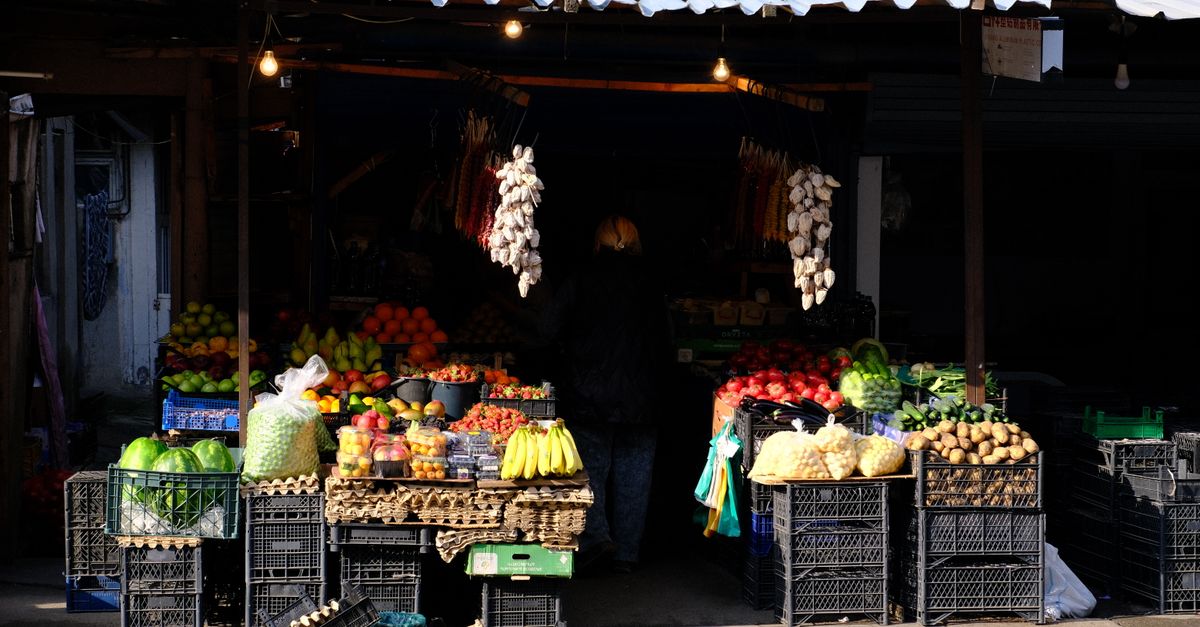
The neighbourhood around Skadarlija extends east into less touristed streets — Makednoska, Dositejeva, and Višnjićeva streets contain similar architecture to Skadarlija without the tourist pricing. The Bajloni market at the bottom of Skadarlija is an authentic neighbourhood market selling fruit, vegetables, and dairy at local prices; the outdoor seating of its several kafane is where Dorćol residents actually have their morning coffee.
3. Museum of Yugoslav History — Tito's Legacy
The Museum of Yugoslav History in the leafy Dedinje neighbourhood houses the most important collection of objects relating to the 45-year Titoist project of Yugoslav socialism — including the "House of Flowers," the mausoleum where Josip Broz Tito is buried, and the extraordinary collection of "relay batons" (štafete) — handmade objects given to Tito by Yugoslav citizens and delegations on Youth Day each year, representing a kind of folk art tradition that is simultaneously charming and politically complex.
The collection spans Yugoslavia's entire existence — from the partisan movement of World War II through the break with Stalin in 1948, the Non-Aligned Movement, the economic success of the 1960s-70s, and the beginning of the decline in the 1980s. The relay batons alone — thousands of them, in every material from carved wood to embroidered silk to hammered copper — constitute one of the most interesting collections of 20th-century folk craft in Europe.
The museum is at Botićeva 6, in the Dedinje neighbourhood — take bus 40 from Slavija Square to the Muzej Istorije Jugoslavije stop, or a taxi (€5–7 from the city centre). Open Tuesday to Sunday 10am to 6pm. Admission €7 (combined ticket for both museum buildings and the mausoleum). Allow 2 hours. The Tito mausoleum, in the House of Flowers building, is a surprisingly moving space regardless of one's views on Yugoslav socialism.
The Dedinje neighbourhood surrounding the museum is one of Belgrade's most pleasant residential areas — the former diplomatic district of socialist Yugoslavia, with wide avenues, mature trees, and a sequence of embassies and villas that reflect the architecture of the 1950s-70s in its most optimistic form. Walk back toward the city centre through the neighbourhood rather than taking the bus — a pleasant 40-minute walk through a part of Belgrade that few tourists see.
4. Zemun — The Habsburg Town
Zemun, on the western bank of the Danube opposite central Belgrade, was for most of its history a separate city — part of the Habsburg Empire while Belgrade was under Ottoman rule. The consequence is that Zemun has a completely different architectural and cultural character from the rest of Belgrade: cobbled lanes, yellow Habsburg-era civic buildings, a medieval tower, a riverfront promenade lined with fish restaurants, and the feeling of a prosperous Austrian provincial town rather than a Balkan capital.
The town's mediaeval Gardoš Tower (Kula Sibinjanin Janka) at the top of the hill offers the best view of the Danube in the entire Belgrade region — a 360-degree panorama that encompasses the river, Old Belgrade, Kalemegdan Fortress, and the agricultural plains to the north stretching toward Hungary. The tower is €2 to climb, open daily 9am to 6pm. The neighbourhood streets below the tower are the most architecturally intact 18th-century urban fabric in the Belgrade region.
Take bus 84 from Zeleni Venac in central Belgrade to the Zemun main square (40 minutes), or bus 15 or 84 from Brankov Most. The journey costs the standard 89 RSD bus fare. The riverfront promenade runs south from the old fish market for 2km and is lined with excellent fish restaurants — the carp, catfish, and river perch from the Danube are of exceptional quality. Budget €12–20 for a full fish meal with wine at one of the established riverfront restaurants.
The Zemun covered market on the main square is one of the best neighbourhood markets in the Belgrade region — selling excellent Serbian cheese, kajmak (clotted cream), smoked meats, and seasonal produce from the surrounding Vojvodina plain. Open daily 7am to 3pm. A portion of fresh kajmak with bread costs €1.50. The market bakery serves burek (filo pastry with meat or cheese) from 6am at €0.80–1.20 per piece — one of the great breakfast options in Belgrade's orbit.
5. Bajloni Market and Kafana Culture
The Bajloni market at the foot of Skadarlija is Belgrade's most neighbourhood-feeling market — a small, daily market selling fruit, vegetables, fish, dairy, and flowers to the residents of Dorćol and Palilula, with a string of kafane around its perimeter where the buying, selling, and socialising blur into a single extended morning ritual that stretches from the first vendors at 6am to the last kafana customers at noon.
The kafana culture of the Bajloni area represents an authentic survival of a distinctly Serbian urban tradition — the kafana as neighbourhood institution, where local residents have their morning coffee, read the newspaper, argue about football and politics, and maintain the social bonds that make urban life tolerable. Several of the kafane here have been run by the same families for three or four generations.
Walk north from the Republic Square along Cara Dušana and continue downhill to the market level, or take tram 2, 5, or 7 to the Skadarlija stop. The market and surrounding kafane are most alive from 7am to noon. A domaća kafa (Turkish coffee) costs 80–100 RSD (€0.65–0.85). The burek from the stand beside the market entrance is sold by weight from 6am — €0.80 per 100g, which is about the right portion for one person.
After the market, follow Tadeuša Košćuška street north toward the riverbank to find the Dorćol Platz urban space — a creative complex in a former industrial building that hosts weekend markets, concerts, and cultural events. The weekend market at Dorćol Platz (Saturday and Sunday 10am to 4pm) features Serbian artisan food producers, craftspeople, and small-scale designers, and is the best place in Belgrade to buy quality Serbian-made products as gifts or souvenirs.
6. Nikola Tesla Museum
The Nikola Tesla Museum is housed in a handsome 1920s villa in the Savamala neighbourhood and holds the personal archives and scientific instruments of the Serbian-American inventor — including 160,000 original documents, 2,000 books and journals, and the urn containing Tesla's ashes. It is one of the most important science museums in Southeast Europe and receives a fraction of the visitors it deserves, partly because Tesla's fame is greater in the United States than in the Balkans.
The collection includes Tesla's personal letters, laboratory notebooks, photographs, and the original patents for the alternating current electrical system that became the standard for electrical power distribution worldwide. Several of his original experimental instruments are displayed and regularly demonstrated — the Tesla coil demonstrations, in which a guide creates electrical discharges that light fluorescent tubes without contact, are genuinely spectacular.
The museum is at Krunska 51, in the Savamala neighbourhood — a ten-minute walk from Slavija Square or take tram 9 to the Museum stop. Open Tuesday to Friday 10am to 6pm, Saturday and Sunday 10am to 1pm. Admission €5. Guided tours with demonstrations run at set times (check the website for the current schedule) and are included in the admission. Allow 90 minutes for the full experience.
The Savamala neighbourhood surrounding the museum has become Belgrade's most dynamic creative district — a former industrial waterfront area along the Sava that now houses design studios, galleries, craft beer bars, and the city's best contemporary restaurant scene. The Mikser House creative complex at Karađorđeva 46 is the neighbourhood anchor, hosting market events, concerts, and exhibitions throughout the year.
7. Avala Mountain — The Summit View
Twenty kilometres south of Belgrade, Avala Mountain rises to 511 metres and offers a panoramic view of the entire city and the surrounding plains — a surprisingly dramatic vista given the modest altitude, achieved because the Serbian plain is absolutely flat and the city spreads enormously in every direction. The TV tower on the summit, rebuilt after NATO bombing destroyed the original in 1999, is the highest point and gives a 360-degree observation platform at 200 metres above the summit.
The approach through the Avala forest park, a protected forest of oak and beech that covers the mountain's slopes, is the main attraction for most Serbian visitors who come to walk the forest trails, breathe the clean air, and picnic at one of the designated areas. The famous Monument to the Unknown Hero (Monumentum Ignotum) at the summit — a striking abstract sculpture by Ivan Meštrović completed in 1938 — is one of the finest public monuments in Serbia.
Take bus 400 from Lasta Bus Station (a short walk from Slavija Square) for direct service, or combine tram and bus. The journey takes 40–50 minutes and costs €1.50 round trip. The mountain and forest are free to access and open year-round. The TV tower observation deck is €5. The forest trails are well-marked and range from easy 30-minute walks to full-day circuits of the mountain slopes.
The Summit Café at the top of the mountain serves Serbian traditional food — roštilj (grilled meats), bean soup, proja (cornbread) — at prices calibrated for the Serbian day-tripper market rather than foreign tourists. A full meal here costs €4–8. In clear weather, the view from the café terrace encompasses both the Danube and Sava rivers, several Danube islands, and on exceptional days the Fruška Gora mountain range 80km to the north.
8. The Republic Square Antiquarian Book Stalls
Every morning from 8am to around noon, a row of antiquarian book dealers sets up along the south side of Republic Square between the National Museum and the National Theatre, selling old books, prints, maps, photographs, postcards, and the full range of printed ephemera from Yugoslav and Serbian history. This is the best place in Belgrade to find vintage Tito-era memorabilia, pre-war Serbian photography, Ottoman-period illustrated books, and the remarkably inexpensive illustrated children's books from the Yugoslav socialist period that have become collector's items.
The dealers are mostly retired men who have been coming to the same spots for decades, and who know their stock with the precision of professional archivists. Their prices are set by the local market — Serbian collectors and academics who use the stalls regularly — which means that extraordinary finds are available at prices that reflect their value in the local economy rather than the international antique market.
The stalls are directly adjacent to the Republic Square (Trg Republike), which is also where the main tram lines converge — easily reached from anywhere in the city. Operating hours are 8am to noon, weekdays and Saturday; Sunday hours are shorter. No fixed prices — bargaining is expected and enjoyed. Budget €5–20 for interesting finds; rare historical photographs and original maps start at €10–30.
The National Museum of Serbia on Republic Square (admission €3, reopened in 2018 after 15 years of renovation) holds an extraordinary collection including a 14th-century French manuscript, one of the most complete Neolithic collections in Europe from the Vinča culture, and the full range of Serbian medieval art and Byzantine-influenced icon painting. The museum is severely undervisited given the quality of its collections — an appointment with Serbian art history that takes 2–3 hours to do properly.

9. Ada Ciganlija — The Beach Island
Ada Ciganlija is a river island in the Sava that has been connected to the Belgrade bank to create a 4km-long peninsula of parkland, beaches, sports facilities, and café terraces that serves as the primary leisure destination for Belgrade's entire population in summer — and is almost entirely unknown to foreign visitors. On a July weekend, over 200,000 people come to Ada Ciganlija to swim, sunbathe, play sport, and enjoy the easy sociability that Serbs are extraordinarily good at.
The island has a 7km pebble and sand beach on its northern shore, a large lake in the centre for calmer swimming, water sports facilities on the southern shore, and a perimeter cycling and running track. The atmosphere is entirely democratic — families, young couples, groups of friends, elderly bathers — all coexisting on the same beaches without the class differentiation that characterises beach resorts in Western Europe.
Take tram 52 or 53 from Slavija Square to the last stop, then walk across the Ada Bridge (10 minutes). The beach and parkland are free to access. Parking is paid. Beach chair rental is €3–5 per day. The surrounding café terraces sell beer (€1.50–2), roštilj (grilled sausages €1.50–2 each), and corn on the cob (€0.80) at prices that reflect a local rather than tourist economy.
The lake at the centre of Ada Ciganlija is a freshwater swimming lake with clear, relatively warm water fed by the Sava — excellent for swimming without the mild current of the river proper. Kayak and SUP (stand-up paddleboard) rental is available at several points around the lake (€8–15 per hour). The island also has 11 tennis courts, 8 football pitches, a volleyball beach, and basketball courts — book in advance for summer weekends.
10. Zemun Quay Fish Restaurants
The Zemun quay (Zemunski kej) running along the Danube riverbank south of the old Zemun town centre is lined with fish restaurants serving freshwater fish caught directly from the Danube and Sava rivers — carp, catfish, pike perch, and river perch prepared in a tradition that goes back centuries and represents one of the great but internationally unknown cuisines of the Balkans. The riblja čorba (fish soup) here is extraordinary.
The restaurants on the Zemun quay are genuine working fish restaurants rather than tourist operations — they buy their fish from the same fishermen who have been selling on this quay since the Habsburg period. The preparation is simple: grilled, fried, or made into the deep-flavoured fish soup that is the signature dish of the Serbian Danube region. A whole grilled carp for two people with salad, bread, and house wine costs €20–30.
The quay is accessible from central Zemun by walking south along the riverbank from the old fish market, or by taking bus 84 from central Belgrade to the Zemun main square and then walking. Restaurant hours are typically noon to 11pm daily. The best of the quay restaurants: Šaran (The Carp), which has been operating in some form since 1892 and maintains the highest fish quality standards; and Aleksandar, which has the best riblja čorba and the most authentic neighbourhood atmosphere.
After dinner, walk north along the quay toward the old Zemun town to see the sunset over the Danube — one of the most beautiful views in the Belgrade region, with the river wide and golden and the distant outline of the Fruška Gora mountains visible on clear evenings. Several outdoor bar terraces on the quay stay open until midnight and serve good Serbian wine by the glass at €2–3 — a perfect ending to a full day in the Belgrade region.