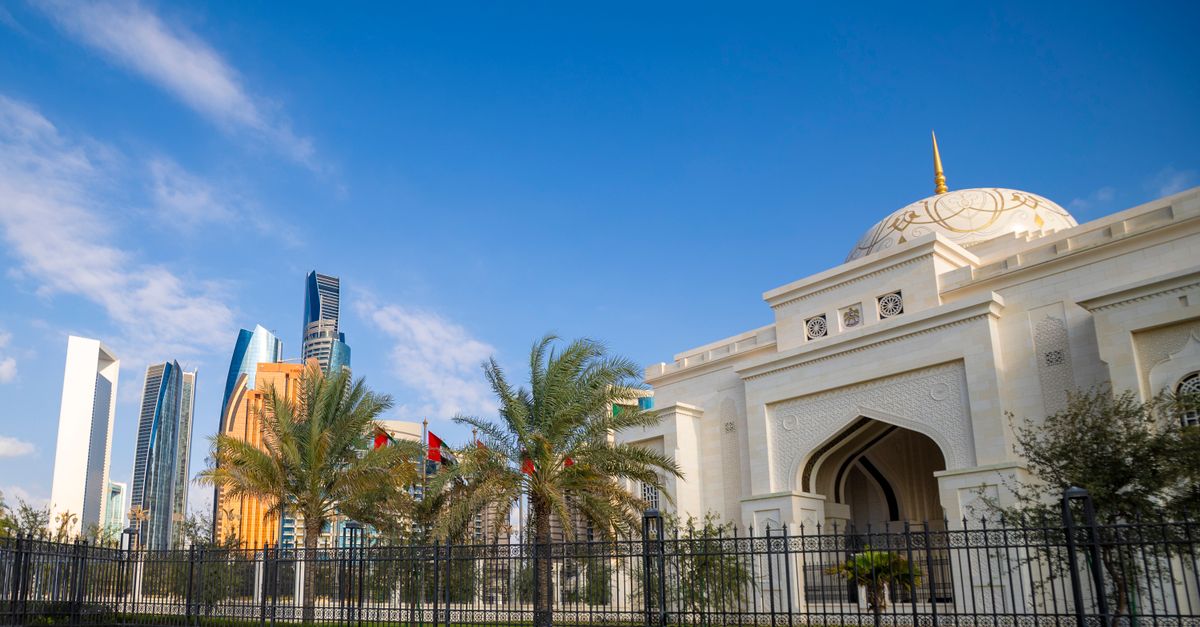
Bahrain has a curious reputation among Gulf travelers — it's where Saudis go for the weekend, where expats from across the region come for breathing space, and where Western visitors rarely linger long enough to notice that it's actually one of the more affordable destinations in the Gulf. The Bahraini Dinar (BHD) is one of the strongest currencies in the world — roughly USD 2.65 to one dinar — which makes the small numbers on menus and price tags deceptive. A 2 BHD lunch sounds cheap until you realise you've spent over five US dollars on a single plate of rice and chicken. But Bahrain rewards budget travelers more than its richer neighbors precisely because the country is small, walkable in parts, and packed with genuinely free attractions. A frugal but comfortable trip is realistic on BHD 25–40 per day, and this guide breaks down exactly how to make that work without missing the highlights of Manama, Muharraq, and the wider archipelago.
Getting There on a Budget
Gulf Air is the national carrier and operates the largest network into Bahrain International Airport (BAH), which sits on Muharraq Island just a short causeway from central Manama. The airline isn't a budget carrier, but it competes aggressively on regional routes and frequently runs sales that bring return fares from Indian cities, the Levant, and East Africa down to BHD 80–160. Booking six to ten weeks in advance and using flexible dates almost always produces the best results. Tuesdays and Wednesdays are typically cheaper than weekend flights, and avoiding the Friday-Saturday weekend departure window saves another 10–15 percent.

Jazeera Airways from Kuwait is the most reliable low-cost option for travelers connecting from elsewhere in the Gulf or from Europe via Kuwait City. Fares between BAH and KWI can dip to BHD 25–40 one-way during sales. Air Arabia from Sharjah and flydubai from Dubai both offer competitive fares to Bahrain, and combining a Bahrain trip with another Gulf city using these carriers is often cheaper than a single direct fare from Europe.
From Saudi Arabia, the King Fahd Causeway connects Bahrain to the Eastern Province by road. Buses from Dammam and Khobar to Manama cost around BHD 8–12 one-way and run multiple times daily. This is the cheapest entry point if you're already in the region, and Saudi tourists make up a significant portion of weekend traffic — book ahead for Thursday and Friday crossings.
Both Bahrain and Kuwait offer visa-on-arrival or eVisa options for most Western, GCC, and many Asian nationalities. Bahrain's eVisa costs BHD 9 for a single-entry tourist visa and BHD 29 for a multi-entry, two-week stay. The eVisa portal at evisa.gov.bh is genuinely the cheapest and fastest route — visa-on-arrival at the airport works but costs slightly more and takes longer.
Budget Accommodation
Bahrain does not have a hostel culture. There are no proper dorm-bed backpacker hostels in Manama or anywhere on the island, and the few that have tried to operate over the years have closed quickly because the local market doesn't support them. Budget accommodation here means small independent hotels, older mid-range chains running off-season specials, and short-term apartment rentals — all of which can produce prices that rival hostel rates in more expensive Gulf cities.

Al Jazira Hotel in the Manama Souq area is the most reliable bottom-of-market option for travelers who want a proper hotel rather than an apartment. Standard rooms typically run BHD 18–30 per night, with occasional weekday rates as low as BHD 15. The hotel is genuinely basic — small rooms, dated furnishings, intermittent wifi — but it's clean, the location is walking distance from Bab al-Bahrain and the souq, and the staff are friendly. For solo travelers and couples not fussed about luxury, this is the budget standard against which everything else gets measured.
Royal Plaza Hotel on Government Avenue is a step up at BHD 28–45 per night and offers a much more comfortable mid-range experience without breaking the budget. Rooms are larger, breakfast is sometimes included in promotional rates, and the central location keeps taxi costs down. Rates drop significantly during summer (May through September) and outside F1 weekend.
Apartment rentals via Airbnb and Booking.com in Adliya, Hoora, and the Manama Souq area frequently undercut hotels for stays of three nights or longer, with studio and one-bedroom apartments available from BHD 20–35 per night. Adliya in particular gives you walking access to Manama's best independent restaurants and cafés, while Hoora puts you within fifteen minutes' walk of the Bab al-Bahrain area.
Juffair, the area around the US Naval base, has a dense cluster of mid-range hotels that drop their rates aggressively during slow weeks — properties like Ramee Grand and Elite Crystal Hotel sometimes hit BHD 25–35 per night for double rooms with breakfast.
Eating Cheaply Like a Local
Eating cheaply in Bahrain is genuinely possible if you eat where Bahrainis, Indians, Filipinos, and Bangladeshis actually eat — which is to say, almost everywhere except the malls and the hotel restaurants. The Manama Souq and the older neighborhoods of Muharraq are dotted with local cafeterias and sit-down restaurants where a full meal costs BHD 1.5–3.

Haji's Cafe in the Manama Souq is the legendary spot for machboos — Bahrain's national rice-and-meat dish — and a generous plate of chicken or lamb machboos runs BHD 1.5–2.5. The cafe has been operating in some form for decades, and the queue at lunchtime tells you everything you need to know about the quality. Pair it with a glass of mint laban (yoghurt drink) for another 300 fils, and you've eaten properly for under BHD 3.
Balaleet — sweet vermicelli with saffron, served with a thin omelette on top — is the classic Bahraini breakfast and you'll find it for 500 fils to 1 BHD at small breakfast spots throughout the souq. Try it at any of the older breakfast cafes near Bab al-Bahrain.
Saturday food at Souq Waqif Manama brings out vendors selling traditional snacks like samboosa (300 fils), luqaimat (500 fils for a generous portion), and grilled corn for under 1 BHD. Combined with the cultural experience of wandering the souq on its busiest day, this is one of Bahrain's best-value cultural meals.
Indian and Pakistani cafeterias in the Hoora and Gudaibiya neighborhoods serve massive plates of biryani, curry with rice, or grilled meats for BHD 1–2. These places primarily serve the South Asian expatriate community, so the food is unsentimental and the portions are sized to feed manual laborers.
Fried fish and rice plates at the Muharraq fish market are a Bahraini classic — fresh hammour or sherry fried in front of you and served with rice and salad for BHD 2–3.
For very cheap eats, KFC, Pizza Hut, and the local chain Jasmis offer combo meals from BHD 1.5–2.5. These won't win awards but they fill a gap when you've already burned the day's calories on shawarma.
Free & Low-Cost Attractions
Bahrain has an unusually dense concentration of genuinely free or very-cheap attractions for a Gulf country, and the small size of the archipelago means you can hit most of them in two or three days without significant transport costs.

The Bahrain National Museum on the Manama Corniche is the country's most important cultural institution and entry costs just BHD 1. The collection covers six thousand years of Bahraini history — the Dilmun civilization, pearling, Islamic-era trade, modern statehood — and the building itself, designed by the Danish architect Krohn & Hartvig Rasmussen, is one of the most striking in the country. Plan two to three hours.
The Al Fateh Grand Mosque, one of the largest mosques in the world by capacity, is genuinely free to visit. Guided tours run multiple times daily in English and Arabic, modest dress is required (abayas are loaned free of charge to women), and the staff are welcoming and informative. The mosque's central dome is constructed from a single piece of fiberglass and the marble interior is genuinely impressive.
Bahrain Fort (Qal'at al-Bahrain) is a UNESCO World Heritage site and entry is free — only the small adjacent museum charges 500 fils. The fort sits on a tell with archaeological layers going back to the Dilmun period, and the seaside location at sunset is one of the most photogenic spots on the island.
The Bahrain Pearling Trail in Muharraq is also UNESCO-listed and free to walk. The trail runs through restored merchant houses, oyster bed sites, and the old port area — a self-guided wander takes two to three hours and costs nothing.
Bab al-Bahrain and the Manama Souq are free, of course, and a slow afternoon wandering the gold souq, the spice alleys, and the textile streets is one of the most culturally rich free activities in the country.
Beit Sheikh Isa bin Ali in Muharraq, the restored former residence of a 19th-century Bahraini ruler, charges 500 fils and is one of the best examples of traditional Gulf merchant architecture you can visit.
Getting Around on a Budget
Bahrain is small — roughly 50 kilometers north to south — and the major attractions cluster in Manama, Muharraq, and a handful of outlying sites. Transport costs are easily controlled if you avoid taxis as a default.

Public buses run by Bahrain Public Transport Company cover Manama, Muharraq, and the northern parts of the country reliably. The flat fare is BHD 0.300 (300 fils) per journey and a day pass costs BHD 1. Routes 100 and 110 are particularly useful for tourists — 100 connects the airport to central Manama via Muharraq, while 110 runs along the Manama Corniche to Seef Mall and onwards. Buses are clean, air-conditioned, and reliable, and the GoBus website and app show schedules and routes in English.
Taxis are the default for many residents but quickly inflate a budget. Standard metered fares within central Manama run BHD 2–4, but airport runs typically cost BHD 5–8 and trips to Bahrain Fort or further afield can exceed BHD 10. Always insist on the meter — drivers sometimes propose flat fares that overcharge tourists by 30–50 percent.
Careem operates in Bahrain and pricing is typically slightly cheaper than metered taxis for short trips and significantly cheaper for longer ones. Surge pricing is rare outside of weekend nights and the F1 weekend.
Money-Saving Tips
Bahrain is one of the more rewarding Gulf destinations for budget travelers if you plan around the seasonal patterns and avoid the obvious tourist traps. These tips compound — adopting all of them can shave 30–40 percent off a typical Bahrain trip budget.
Visit in November through April for tolerable weather and competitive (though not bottom-of-market) hotel rates. Avoid May through September unless heat doesn't bother you — the Bahraini summer regularly hits 45°C with humidity that makes outdoor sightseeing genuinely dangerous. The trade-off is that summer hotel rates fall by 40–50 percent, which can offset the misery if your itinerary is mostly indoor.
Avoid the F1 weekend at all costs unless you're attending the Bahrain Grand Prix. Hotel rates triple, taxis surge, and even cheap restaurants raise prices. The two weekends bracketing F1 are also expensive. Either come for the F1 deliberately or shift your trip three weeks in either direction.
Eat at cafeterias and local restaurants rather than mall food courts and hotel restaurants. The same plate of biryani that costs BHD 1.5 at a Hoora cafeteria runs BHD 5–8 in a mall.
Use buses instead of taxis for routine movement around Manama and Muharraq. The 100 and 110 routes alone cover most tourist itineraries.
Skip alcohol if your budget is genuinely tight. A single beer in a hotel bar costs as much as a full meal at Haji's Cafe. Bahrain's mocktail and fresh juice culture is extensive — try mint lemonade and karkadeh (hibiscus tea) instead.
Walk Manama and Muharraq rather than taxiing between souq sites. The souq area, the Pearling Trail, and the Corniche are all walkable from each other.
Combine attractions geographically — Muharraq sites in one half-day, Manama Corniche in another, outlying archaeological sites in a third. This minimizes transport and maximizes rest time during the hottest part of the day.