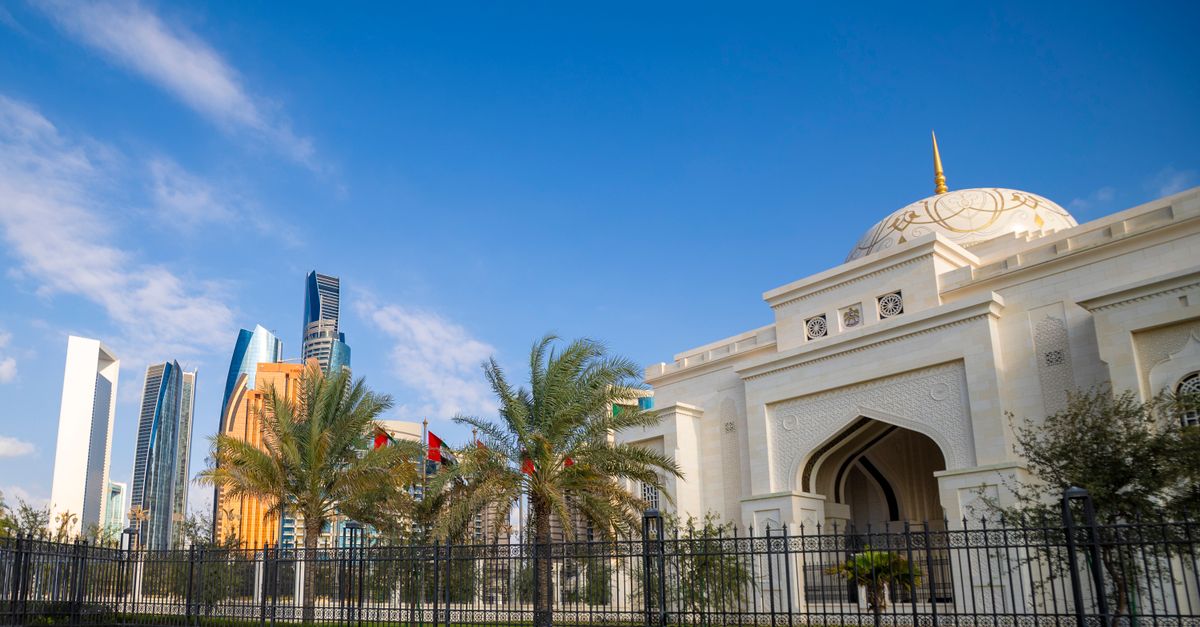
Bahrain exceeds expectations even when expectations are high. What images cannot convey is the texture — the way air feels on your skin at dusk, the aroma that greets you in the central market, conversations flowing in rhythms that belong only to this place.
This itinerary balances the must-see landmarks with quieter neighborhoods where the city's true character emerges. Eat everything, walk everywhere, and talk to strangers. The city rewards curiosity with generosity.

Bahrain Fort & National Museum
Morning (8:00 AM) — Bahrain Fort UNESCO morning: The atmosphere builds gradually as you explore — from initial orientation to genuine immersion. Allow at least an hour, more if you read every plaque and peer around every corner. The surrounding streets offer good cafes for a post-visit debrief over coffee or a cold drink. Check opening hours in advance as seasonal schedules vary.
Mid-Morning (10:30 AM) — Bahrain National Museum: This is one of Bahrain's defining experiences — photographs cannot fully convey the combination of visual impact and cultural significance. Spend at least 45 minutes here, preferably in the morning when the light is best and crowds are manageable. The views from elevated sections reward the climb, offering a perspective that reframes the city's layout.
Afternoon (1:00 PM) — Bab el-Bahrain gateway: Arrive early — by midday the tour groups arrive in force. The atmosphere is best appreciated at a slow pace, with stops to absorb details that reveal themselves only to those paying attention. A local guide can unlock layers of meaning invisible to the uninstructed eye. Budget at least an hour and resist the urge to rush.
Late Afternoon (3:30 PM) — Manama Souq walk: The combination of natural beauty and human history here creates an experience on multiple levels. First-time visitors often focus on the photogenic elements, but the deeper reward comes from understanding why this place exists and what it means to the people who live here. Take your time — the place is not going anywhere.
Evening (6:00 PM) — Gold Souq browsing: What makes this stop essential is how it connects to Bahrain's larger story — a narrative of decisions, ambitions, and compromises that explain why the city looks and feels the way it does. Experiencing it in person adds a dimension that reading about it cannot replicate.
Muharraq & Mosque
Morning (8:00 AM) — Al Fateh Grand Mosque tour: The atmosphere builds gradually as you explore — from initial orientation to genuine immersion. Allow at least an hour, more if you read every plaque and peer around every corner. The surrounding streets offer good cafes for a post-visit debrief over coffee or a cold drink. Check opening hours in advance as seasonal schedules vary.
Mid-Morning (10:30 AM) — Muharraq heritage trail: This is one of Bahrain's defining experiences — photographs cannot fully convey the combination of visual impact and cultural significance. Spend at least 45 minutes here, preferably in the morning when the light is best and crowds are manageable. The views from elevated sections reward the climb, offering a perspective that reframes the city's layout.
Afternoon (1:00 PM) — Sheikh Isa Bin Ali House: Arrive early — by midday the tour groups arrive in force. The atmosphere is best appreciated at a slow pace, with stops to absorb details that reveal themselves only to those paying attention. A local guide can unlock layers of meaning invisible to the uninstructed eye. Budget at least an hour and resist the urge to rush.
Late Afternoon (3:30 PM) — Bahrain pearling trail: The combination of natural beauty and human history here creates an experience on multiple levels. First-time visitors often focus on the photogenic elements, but the deeper reward comes from understanding why this place exists and what it means to the people who live here. Take your time — the place is not going anywhere.
Evening (6:00 PM) — Block 338 evening dining: What makes this stop essential is how it connects to Bahrain's larger story — a narrative of decisions, ambitions, and compromises that explain why the city looks and feels the way it does. Experiencing it in person adds a dimension that reading about it cannot replicate.
Tree of Life & Day Experiences
Morning (8:00 AM) — Tree of Life desert visit: The atmosphere builds gradually as you explore — from initial orientation to genuine immersion. Allow at least an hour, more if you read every plaque and peer around every corner. The surrounding streets offer good cafes for a post-visit debrief over coffee or a cold drink. Check opening hours in advance as seasonal schedules vary.
Mid-Morning (10:30 AM) — Royal Camel Farm: This is one of Bahrain's defining experiences — photographs cannot fully convey the combination of visual impact and cultural significance. Spend at least 45 minutes here, preferably in the morning when the light is best and crowds are manageable. The views from elevated sections reward the climb, offering a perspective that reframes the city's layout.
Afternoon (1:00 PM) — Al Areen Wildlife Park: Arrive early — by midday the tour groups arrive in force. The atmosphere is best appreciated at a slow pace, with stops to absorb details that reveal themselves only to those paying attention. A local guide can unlock layers of meaning invisible to the uninstructed eye. Budget at least an hour and resist the urge to rush.
Late Afternoon (3:30 PM) — Amwaj Islands walk: The combination of natural beauty and human history here creates an experience on multiple levels. First-time visitors often focus on the photogenic elements, but the deeper reward comes from understanding why this place exists and what it means to the people who live here. Take your time — the place is not going anywhere.
Evening (6:00 PM) — Evening dining in Adliya: What makes this stop essential is how it connects to Bahrain's larger story — a narrative of decisions, ambitions, and compromises that explain why the city looks and feels the way it does. Experiencing it in person adds a dimension that reading about it cannot replicate.

Budget Breakdown (Per Person, 3 Days)
| Category | Budget | Mid-Range | Luxury |
|---|---|---|---|
| Accommodation (3 nights) | BHD 45 | BHD 120 | BHD 375 |
| Food & Drinks | BHD 20 | BHD 50 | BHD 150 |
| Transport | BHD 10 | BHD 25 | BHD 75 |
| Activities | BHD 5 | BHD 15 | BHD 50 |
| Total | BHD 80 | BHD 210 | BHD 650 |
Practical Tips for Bahrain
Getting Around
Taxis, Uber/Careem covers most of Bahrain. Combine public transport for longer distances with walking for neighborhoods. Download offline maps before arriving. Multi-day transit passes almost always offer better value than single tickets.
When to Visit
Visit Bahrain during November-March for comfortable walking weather and accessible outdoor attractions. Shoulder seasons bring fewer crowds and lower prices.
Local Culture & Etiquette
Bahrain is the most socially liberal of the Gulf states — alcohol is served in licensed hotels and restaurants, dress codes are more relaxed than in neighbouring Saudi Arabia, and the atmosphere in cosmopolitan Manama is noticeably open. That said, Bahrain remains a Muslim-majority country and observing basic cultural courtesies makes an enormous difference to how you are received. In the older residential neighbourhoods of Muharraq and around traditional mosques, dress modestly — shoulders and knees covered. Women do not need to cover their hair, but carrying a light scarf for visiting religious sites is practical and respectful.
The concept of wasta — personal connections and social capital — shapes how Bahraini society functions. Visitors benefit from this culture in practical ways: a smile, a greeting in Arabic (As-salamu alaykum, to which the response is Wa alaykum assalam), and genuine curiosity about Bahraini life opens doors that remain closed to transactional tourists. At the Manama Souq and Muharraq's traditional market stalls, bargaining is expected for non-food items — start at around 60% of the asking price and settle somewhere in between. The process is social, not adversarial.
Ramadan reshapes daily life dramatically if you visit during the holy month (dates shift annually). Restaurants close during daylight hours and eating in public is prohibited during the fast. However, Ramadan evenings after Iftar (the fast-breaking meal at sunset) transform the city — the atmosphere on the Corniche and in the souqs after 8 PM is festive, communal, and genuinely memorable. The large Iftar tents at major hotels offer buffet meals open to non-Muslim guests (BHD 8-15 per person) and represent some of the most generous hospitality in the region.
Friday is the Islamic day of rest — most government offices, some shops, and traditional souqs operate on reduced hours or are closed on Friday mornings, but malls, hotels, and tourist restaurants remain fully open. The weekend in Bahrain is Friday-Saturday rather than Saturday-Sunday, so Thursday nights are the equivalent of a Friday night out. The Block 338 dining and entertainment district in Adliya (locally called just "the Block") is busiest Thursday evenings when Bahrainis and expats fill the outdoor terraces until midnight. Budget BHD 15-25 ($40-66) per person for dinner and drinks at mid-range Block 338 restaurants.
Continuing through the Gulf? Read our Kuwait City 3-Day Itinerary for your next adventure.


