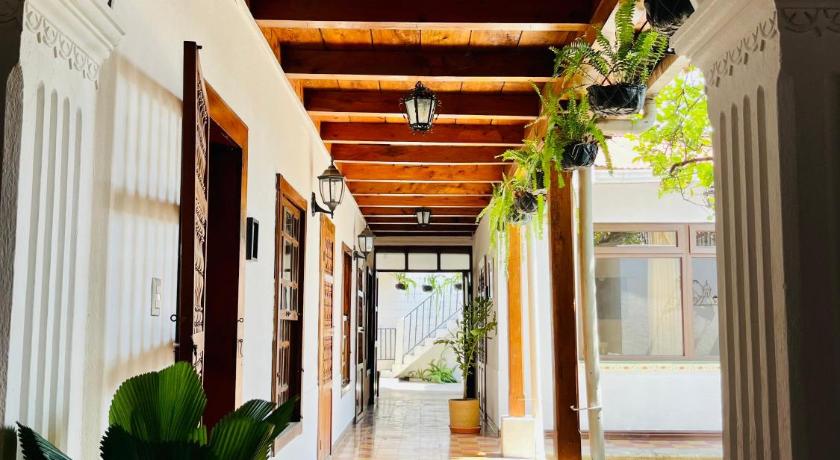
Antigua Guatemala reveals itself slowly to those willing to look beyond the guidebook summaries. The food tells stories that architecture alone cannot, and the rhythm of daily life carries a cadence that no amount of tourist infrastructure can replicate.
Three days is enough to fall under its spell, to eat meals that recalibrate your expectations, and to walk streets that hold past and present in productive tension. Come with comfortable shoes and an open appetite.

Colonial Center & Church Ruins
Morning (8:00 AM) — Parque Central morning: The atmosphere builds gradually as you explore — from initial orientation to genuine immersion. Allow at least an hour, more if you read every plaque and peer around every corner. The surrounding streets offer good cafes for a post-visit debrief over coffee or a cold drink. Check opening hours in advance as seasonal schedules vary.
Mid-Morning (10:30 AM) — Arco de Santa Catalina photo: This is one of Antigua Guatemala's defining experiences — photographs cannot fully convey the combination of visual impact and cultural significance. Spend at least 45 minutes here, preferably in the morning when the light is best and crowds are manageable. The views from elevated sections reward the climb, offering a perspective that reframes the city's layout.
Afternoon (1:00 PM) — Cathedral ruins exploration: Arrive early — by midday the tour groups arrive in force. The atmosphere is best appreciated at a slow pace, with stops to absorb details that reveal themselves only to those paying attention. A local guide can unlock layers of meaning invisible to the uninstructed eye. Budget at least an hour and resist the urge to rush.
Late Afternoon (3:30 PM) — Cerro de la Cruz viewpoint hike: The combination of natural beauty and human history here creates an experience on multiple levels. First-time visitors often focus on the photogenic elements, but the deeper reward comes from understanding why this place exists and what it means to the people who live here. Take your time — the place is not going anywhere.
Evening (6:00 PM) — Convento de las Capuchinas: What makes this stop essential is how it connects to Antigua Guatemala's larger story — a narrative of decisions, ambitions, and compromises that explain why the city looks and feels the way it does. Experiencing it in person adds a dimension that reading about it cannot replicate.
Coffee Plantation & Volcán Views
Morning (8:00 AM) — Coffee plantation tour: The atmosphere builds gradually as you explore — from initial orientation to genuine immersion. Allow at least an hour, more if you read every plaque and peer around every corner. The surrounding streets offer good cafes for a post-visit debrief over coffee or a cold drink. Check opening hours in advance as seasonal schedules vary.
Mid-Morning (10:30 AM) — Hobbitenango viewpoint: This is one of Antigua Guatemala's defining experiences — photographs cannot fully convey the combination of visual impact and cultural significance. Spend at least 45 minutes here, preferably in the morning when the light is best and crowds are manageable. The views from elevated sections reward the climb, offering a perspective that reframes the city's layout.
Afternoon (1:00 PM) — Mercado de Artesanías shopping: Arrive early — by midday the tour groups arrive in force. The atmosphere is best appreciated at a slow pace, with stops to absorb details that reveal themselves only to those paying attention. A local guide can unlock layers of meaning invisible to the uninstructed eye. Budget at least an hour and resist the urge to rush.
Late Afternoon (3:30 PM) — Jade Museum visit: The combination of natural beauty and human history here creates an experience on multiple levels. First-time visitors often focus on the photogenic elements, but the deeper reward comes from understanding why this place exists and what it means to the people who live here. Take your time — the place is not going anywhere.
Evening (6:00 PM) — Evening dining on Calle del Arco: What makes this stop essential is how it connects to Antigua Guatemala's larger story — a narrative of decisions, ambitions, and compromises that explain why the city looks and feels the way it does. Experiencing it in person adds a dimension that reading about it cannot replicate.
Acatenango or Lake Atitlán
Morning (8:00 AM) — Volcán Acatenango overnight hike: The atmosphere builds gradually as you explore — from initial orientation to genuine immersion. Allow at least an hour, more if you read every plaque and peer around every corner. The surrounding streets offer good cafes for a post-visit debrief over coffee or a cold drink. Check opening hours in advance as seasonal schedules vary.
Mid-Morning (10:30 AM) — OR Lake Atitlán day trip: This is one of Antigua Guatemala's defining experiences — photographs cannot fully convey the combination of visual impact and cultural significance. Spend at least 45 minutes here, preferably in the morning when the light is best and crowds are manageable. The views from elevated sections reward the climb, offering a perspective that reframes the city's layout.
Afternoon (1:00 PM) — Return to Antigua farewell dinner: Arrive early — by midday the tour groups arrive in force. The atmosphere is best appreciated at a slow pace, with stops to absorb details that reveal themselves only to those paying attention. A local guide can unlock layers of meaning invisible to the uninstructed eye. Budget at least an hour and resist the urge to rush.

Budget Breakdown (Per Person, 3 Days)
| Category | Budget | Mid-Range | Luxury |
|---|---|---|---|
| Accommodation (3 nights) | GTQ 450 | GTQ 1,200 | GTQ 3,600 |
| Food & Drinks | GTQ 250 | GTQ 600 | GTQ 1,500 |
| Transport | GTQ 60 | GTQ 150 | GTQ 500 |
| Activities | GTQ 150 | GTQ 400 | GTQ 1,200 |
| Total | GTQ 910 | GTQ 2,350 | GTQ 6,800 |
Practical Tips for Antigua Guatemala
Getting Around
Walking, tuk-tuks, chicken buses covers most of Antigua Guatemala. Combine public transport for longer distances with walking for neighborhoods. Download offline maps before arriving. Multi-day transit passes almost always offer better value than single tickets.
When to Visit
Visit Antigua Guatemala during November-April for comfortable walking weather and accessible outdoor attractions. Shoulder seasons bring fewer crowds and lower prices.
Neighbourhoods to Know
Antigua is small enough to walk end-to-end in 40 minutes, but each of its principal barrios has a distinct personality worth understanding before you set out. The colonial grid centres on Parque Central, where the Cathedral, Palacio de los Capitanes Generales, and the Portal del Comercio all face each other across a fountain-anchored plaza. This is where formal Antigua presents itself — polished stone, government buildings, and the most photographed arch in Central America. It is beautiful and worth your first morning, but it is only the beginning.
Heading north from the Parque along 1a Avenida Norte brings you to the residential stretch leading to the Arco de Santa Catalina. The two blocks flanking the arch are the most competitively priced for restaurants and cafes — Café Sky at 1a Avenida Norte 15 has rooftop views over Volcán Agua for the price of a coffee (GTQ 20-35). Continue past the arch and the energy shifts toward local commerce: tortillerías fill the air with masa smoke by 7 AM, hardware stores sell in bulk, and schoolchildren in white uniforms spill out at 12:30 PM.
The western barrio around Alameda Santa Lucía has Antigua's cheapest sleeping and eating options — budget hospedajes from GTQ 80-150 per night and comedores (local canteens) where a full lunch of rice, beans, chicken, and salad costs GTQ 35-55. This is where domestic tourists and long-term expats live, not where Airbnb guests stay. The Mercado Municipal on 4a Calle Poniente is the antidote to tourist-zone prices: fresh fruit (GTQ 5-15/item), local cheese (GTQ 30-50), and prepared food stalls serving black bean soup (GTQ 15) and tamales (GTQ 12) starting at 6 AM. Come hungry and bring small bills.
San Pedro Las Huertas and Santa Ana, two villages immediately south of the city limits, give the most honest picture of daily Guatemalan life within reach of Antigua. Tuk-tuks from the south end of Antigua cost GTQ 10-15 and the 10-minute ride delivers you to markets and churches that see almost no foreign visitors. The Sunday market in San Pedro runs 7-11 AM and sells produce, weavings, and copal incense at prices entirely untouched by tourist economics.
Seasonal Highlights
Antigua's calendar is governed by two forces: the rainy and dry seasons, and the extraordinary procession of religious and cultural festivals that transform the city several times a year. The dry season runs from November through April, delivering reliably blue skies, comfortable temperatures of 18-24°C, and dusty streets that make the cobblestones glow golden in afternoon light. This is peak season — February and March see occupancy rates climb above 85% and hotel prices rise 30-50% over low-season rates. Book accommodation at least three weeks ahead for any visit between Christmas and Holy Week.
Semana Santa (Holy Week, the week before Easter) is the defining event of Antigua's year and one of Central America's most extraordinary spectacles. Alfombras — elaborate carpets of coloured sawdust, flowers, pine needles, and fruit — are laid across the cobblestone streets throughout the week, covering entire blocks in intricate designs that take neighbourhoods hours to construct and processions minutes to walk across. The largest processions on Good Friday involve floats weighing several tons, carried by hundreds of cucuruchos (purple-robed bearers), moving through clouds of incense along routes cleared of all vehicle traffic. Hotels charge triple rates and sell out a year in advance for the main procession nights. If you cannot book a room, day-trip from Guatemala City and leave before midnight — most visitors who try to stay regret arriving without accommodation booked months ahead.
The rainy season from May through October brings afternoon downpours that last 2-4 hours but clear by evening, leaving the surrounding volcanoes unnaturally sharp and green against blue skies. Volcán Agua turns from grey to vivid green within days of the first rains. Costs drop: budget hospedajes fall to GTQ 80-100 per night, tour operators offer 20-30% discounts to fill groups, and restaurants are less crowded on weekday evenings. The coffee harvest begins in October across the farms surrounding Antigua — plantation tours at Finca El Pilar (GTQ 80-120) and La Hermosa include guided picking and wet-processing demonstrations that connect the coffee in your cup directly to the landscape you are standing in.
November marks the start of Día de los Muertos preparations, with the kite festival at Santiago Sacatepéquez — 40 minutes from Antigua — drawing crowds on November 1 to watch enormous barriletes (kites up to 20 metres across) lifted over the cemetery as a way of communicating with ancestors. The kites are hand-built over months from tissue paper and bamboo in designs of increasing elaboration. Minibuses from Antigua's main terminal cost GTQ 15-20 each way. Arrive by 9 AM to see the kites fully assembled before the crowds make navigation difficult and the best viewing positions are taken.
Heading to Costa Rica? Read our San José Costa Rica 3-Day Itinerary for your next adventure.