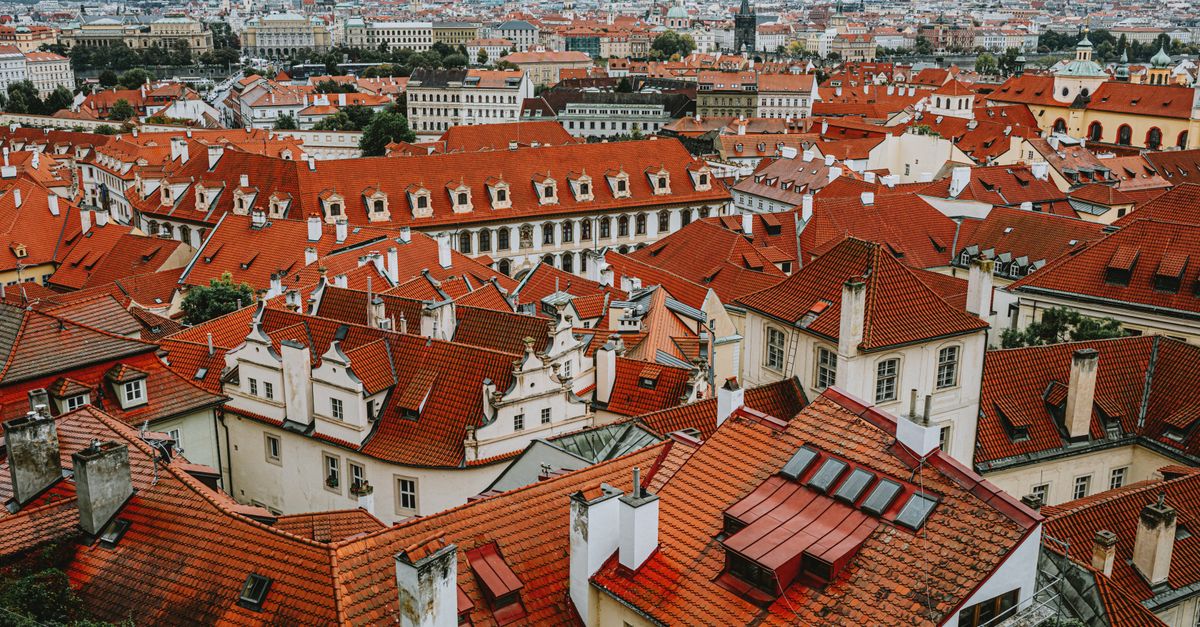
Yangon is Myanmar's largest city and former capital, a place where colonial-era British buildings crumble beside gleaming Buddhist pagodas and street vendors sell mohinga noodles from steaming pots at dawn. The city moves at a slower pace than its Southeast Asian neighbors, and the Shwedagon Pagoda — one of Buddhism's holiest sites — dominates the skyline and the spiritual life of the entire country.
The Myanmar kyat (MMK) is the local currency. ATMs are available but can be unreliable — carry US dollars in crisp, unmarked bills as backup. Taxis don't use meters; agree on a fare before getting in. Grab works in Yangon for ride-hailing. Central Yangon is compact and walkable during cooler hours.
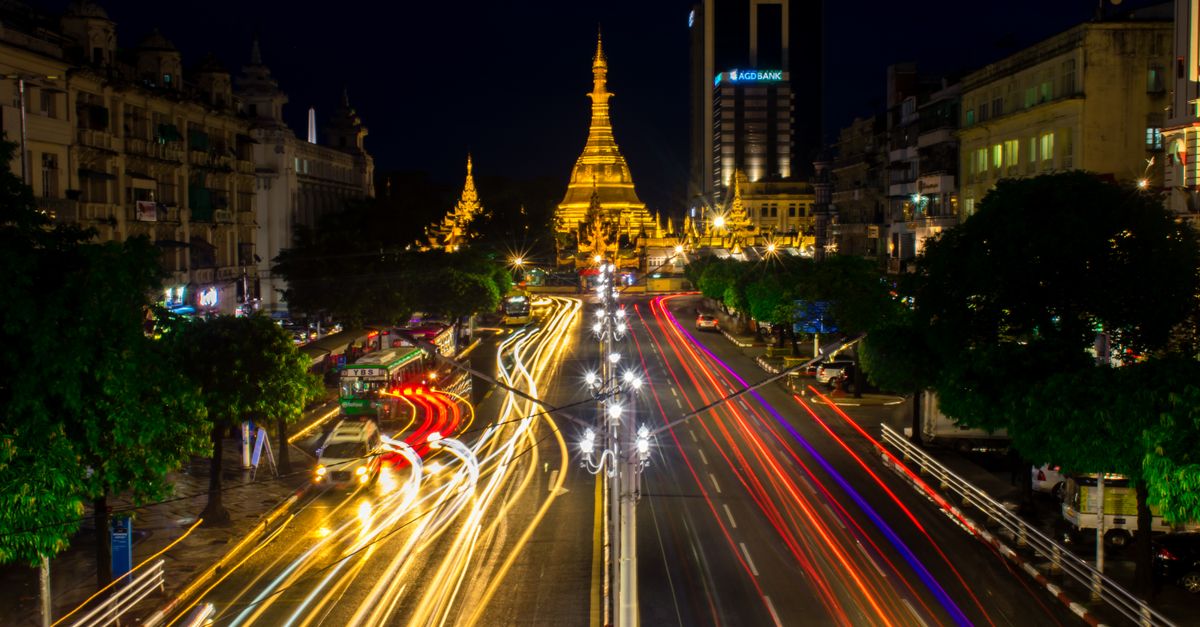
Shwedagon Pagoda, Downtown & Colonial Quarter
Morning (6:00 AM) — Shwedagon Pagoda: Myanmar's most sacred Buddhist site rises 99 meters above the city, covered in 60 tons of gold leaf and topped with 7,000 diamonds and rubies. Entry MMK 10,000 for foreigners. Visit at dawn when monks chant and devotees circle the stupa clockwise. The atmosphere at sunrise is profoundly spiritual. Remove shoes before entering.
Late Morning — Downtown Colonial Walk: Walk the grid of crumbling British colonial buildings between Sule Pagoda and the Strand Hotel. The Secretariat Building (now partially open for tours, MMK 5,000) is where General Aung San was assassinated in 1947. The architecture is magnificent and largely unrestored.
Afternoon — Bogyoke Aung San Market: Yangon's main market (closed Mondays) sells lacquerware, gems, textiles, and antiques under a colonial-era roof. Bargain firmly — start at 40% of asking price. The gemstone section is fascinating even if you're not buying.
Evening — 19th Street (Chinatown): This narrow street erupts nightly into an open-air beer station with plastic chairs, barbecue smoke, and Myanmar Beer (MMK 1,500/bottle). Grilled skewers run MMK 500-1,000 each. Choose any busy stall and point at what looks good.
River, Pagodas & Local Life
Morning — Kandawgyi Lake & Karaweik Palace: Walk around this scenic lake with Shwedagon views. The Karaweik Palace (a concrete replica of a royal barge) is photogenic from outside. Continue to Chaukhtatgyi Pagoda to see a massive 66-meter reclining Buddha (free entry).
Midday — Yangon Circular Railway: The 3-hour loop train (MMK 200 for foreigners) circles the entire city through suburbs, markets, and rice paddies. Board at Yangon Central Station. The Insein Market stop (1 hour in) is the most interesting — vendors load produce onto the train. A window into daily Burmese life.
Afternoon — Inya Lake & University Area: The leafy streets around Yangon University and Inya Lake are the city's most pleasant for walking. Café culture is growing here — sit with a Burmese milk tea (lahpet yay, MMK 500) and watch the student crowd.
Evening — Shwedagon at Night: Return to Shwedagon after dark when the golden stupa is illuminated against the night sky. The crowds thin after 8 PM, and the atmosphere shifts from bustling devotion to quiet contemplation. Your ticket is valid for same-day re-entry.
Dala Township & Departure Sights
Morning — Dala Ferry & Village Walk: Take the public ferry across the Yangon River from Pansodan Jetty (MMK 4,000 round trip for foreigners, 10 minutes). Dala is a rural township with ox carts, rice paddies, and stilted houses just across the water from Yangon's skyline. Hire a trishaw (MMK 5,000/hour) to explore nearby villages.
Afternoon — Sule Pagoda & Mahabandula Garden: The 2,200-year-old Sule Pagoda (MMK 3,000) sits in a traffic roundabout in the city center — a metaphor for Yangon's blend of ancient and modern. The adjacent Mahabandula Garden is a quiet spot for people-watching.
Evening — The Strand Hotel Bar: Even if you can't afford a room, drinks at The Strand (Myanmar's most storied colonial hotel) are reasonable — cocktails MMK 8,000-12,000. The restored interiors transport you to 1920s Rangoon.

Practical Tips
Myanmar's tourism infrastructure is developing rapidly but remains basic outside major cities. Power outages are common — carry a portable charger. Internet is slow and censored — download offline maps and essential apps before arrival. ATMs exist in cities but can be unreliable — carry US dollars in crisp, unmarked bills as backup. Visa on arrival is available for most nationalities (fees vary) or apply for an e-visa online before travel.
Dress modestly throughout Myanmar — covered shoulders and knees are expected at all religious sites and appreciated in public areas. Remove shoes and socks at all pagodas and temples — carry your shoes in a bag as you may exit from a different entrance. The local greeting is 'mingalaba.' Myanmar people are remarkably welcoming and curious about foreign visitors — conversations happen easily and warmly.
Myanmar's monsoon (June-September) brings heavy rain, especially in coastal and southern areas. Bagan and upper Myanmar are drier. The cool season (November-February) is ideal for travel — pleasant temperatures, clear skies, and festival season. The hot season (March-May) is brutally hot (40°C+) everywhere except highland areas. Budget $30-50/day for comfortable mid-range travel.
Getting Around
Yangon's transport network is a patchwork of colonial-era infrastructure and improvised modern solutions that, with some understanding, becomes manageable and even enjoyable. The city sprawls considerably — greater Yangon encompasses satellite townships connected to the centre by the circular railway and a network of highways — but the compact downtown grid between the river and Shwedagon Pagoda is walkable for most daytime sightseeing.
Taxis are the most practical option for most trips. Yangon taxis are almost always metered on paper but the meter is almost never used — agree on the fare before you get in. From downtown to Shwedagon Pagoda costs approximately MMK 3,000-5,000. From downtown to the airport (30-45 minutes, traffic dependent) runs MMK 8,000-15,000. Grab operates in Yangon and is the easiest option for avoiding negotiation — fares are fixed, drivers are rated, and the app works with international data or a local SIM. Download it before arrival.
The Yangon Circular Railway is not primarily a transport option — it is an experience in itself and should be treated as one. The three-hour loop (MMK 200 for foreigners) boards at Yangon Central Station, circles through 39 stations covering suburbs, markets, industrial zones, and rice paddies, and returns to the start. The Insein Market stop midway through is the journey's highlight, with vendors climbing aboard to sell produce, snacks, and sundries directly from baskets. Sit on the left side going out for the best views, switch to the right side on return.
Walking downtown remains the best way to absorb Yangon's colonial streetscape. The grid between Strand Road (riverside) and Maha Bandula Road covers the densest concentration of British-era architecture — the Secretariat Building, the old GPO, the Strand Hotel, Rangoon Court, and dozens of crumbling but magnificent warehouse buildings. Many are structurally fragile; don't enter derelict buildings. The best time to walk is early morning (before 9 AM) when heat is manageable and the streets belong to monks, market vendors, and office workers rather than traffic.
Best Times to Visit & Budgeting
Timing your visit matters enormously for both weather and crowds. Peak tourist seasons bring higher prices, sold-out accommodations, and crowded attractions. Shoulder seasons (the weeks just before and after peak) often deliver the best balance — good weather, manageable crowds, and reasonable prices. Off-season travel is the cheapest but check for monsoon rains, extreme heat, or seasonal closures.
Budget planning for three days should account for accommodation (30-40% of total), food (20-25%), transport (15-20%), activities and entrance fees (15-20%), and a contingency buffer (10%). The biggest savings come from choosing accommodations wisely — a well-located mid-range hotel that eliminates taxi costs can be cheaper than a budget hotel in a remote area plus daily transport.
Travel insurance is non-negotiable. A single hospital visit in most Asian countries costs more than a year of comprehensive travel insurance (0-80 for a 2-week trip). Ensure your policy covers emergency medical evacuation — this is the expensive scenario that justifies the premium. Download your policy documents to your phone for offline access.
Currency exchange tips: ATMs generally offer better rates than airport exchange counters. Withdraw larger amounts less frequently to minimize per-transaction fees. Carry some US dollars (0-100) as universal backup — they're accepted in emergencies across most of Asia. Notify your bank of travel plans to prevent card blocks. Use a travel-specific card (Wise, Revolut) for the best exchange rates and lowest fees.
Download essential apps before arriving: Google Maps (with offline maps for your destination), Google Translate (with offline language packs), the local ride-hailing app (Grab for Southeast Asia, DiDi for China, Uber/Ola for India), and your accommodation booking confirmation. A portable battery pack (10,000-20,000 mAh) keeps your phone alive through a full day of navigation, photography, and ride-hailing.