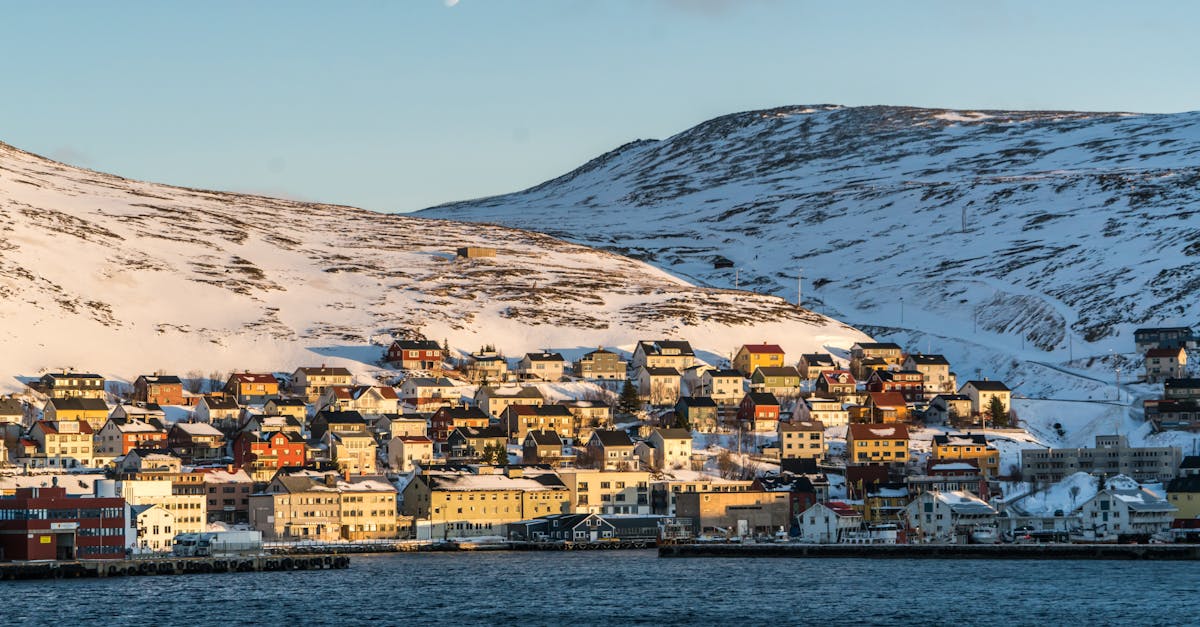
Tromsø is the gateway to Arctic Norway — a vibrant university town 350 kilometres above the Arctic Circle where northern lights dance from September to March, the midnight sun blazes from May to July, and a surprisingly cosmopolitan culture thrives in the polar darkness.

Arctic Cathedral, Cable Car & Town
Morning (9:00 AM): Start your exploration of Tromsø with a visit to Arctic Cathedral. Take time to absorb the atmosphere and historical significance of this landmark, which defines the character of the city. The architecture and setting reward slow, attentive observation — bring a camera and comfortable shoes for the walking ahead.
Mid-Morning (11:00 AM): Continue to Polaria, one of the area's most compelling attractions. The cultural depth here is considerable, and you will want at least an hour to appreciate what is on offer. Local guides can provide invaluable context for understanding what you are seeing and its significance to the region.
Lunch (1:00 PM): Head to Fjellheisen cable car for an authentic local meal. Regional cuisine here is distinctive and affordable — expect to pay NOK8-14 for a satisfying main course with local flavours. Ask your server for recommendations and try the house speciality, which typically features seasonal ingredients sourced from nearby producers.
Afternoon (2:30 PM): Explore Polar Museum, where the pace slows and the city reveals its more intimate side. This area rewards wandering without a strict plan — the best discoveries come from turning down unexpected side streets, peering into courtyards, and stopping at any cafe that catches your eye.
Evening (6:30 PM): As the light softens, find a spot for an aperitivo or early evening drink with views. Then settle in for dinner at a locally recommended restaurant where traditional recipes are prepared with care. A full dinner with wine runs NOK15-25 per person and represents excellent value for the quality.
Arctic Wildlife & Dog Sledding
Morning (9:00 AM): Dedicate the morning to Arctic wildlife. This is one of the region's standout experiences, combining cultural significance with genuine beauty. The collections and exhibits here are thoughtfully curated and deserve at least two hours of unhurried attention. Early arrival means smaller crowds and better photographs.
Mid-Morning (11:00 AM): Walk to dog sledding, shifting the day's pace toward exploration and discovery. The streets in this area have a character distinct from the main tourist zones — more residential, more authentic, and often more architecturally interesting. Small shops and local businesses give a genuine sense of daily life here.
Lunch (12:30 PM): Eat at whale watching, where the food scene shows its depth. Markets and local restaurants here serve dishes that showcase regional ingredients and cooking traditions passed down through generations. Budget NOK8-12 for a satisfying lunch with a drink.
Afternoon (2:30 PM): Spend the afternoon at gardens and parks. This is an ideal time for a more relaxed pace — whether that means sitting in a park, browsing local shops, or visiting a gallery. The afternoon light transforms the architecture and landscape, creating ideal conditions for photography and quiet appreciation.
Evening (7:00 PM): Tonight, venture beyond the tourist centre for dinner. The best restaurants are often in residential neighbourhoods where locals eat — look for places with full tables and handwritten menus. Expect to spend NOK12-20 for dinner with local wine or beer, and savour the slower rhythms of evening dining culture here.
Northern Lights Chase & Sommarøy Island
Morning (9:00 AM): Use your final morning for Northern lights chase, which offers a different perspective on the region. Whether this involves a short journey out of the centre or a deeper exploration of an area you passed through earlier, the change of scenery provides fresh context for everything you have seen in the previous two days.
Mid-Morning (11:00 AM): Continue to Sommarøy island. The views and experiences here are among the most memorable the area offers, and the timing — late morning, with the sun high and the light clear — shows everything at its best. Take your time and resist the urge to rush through to the next thing.
Lunch (12:30 PM): Settle in for a proper Arctic cuisine. This is your last chance to sample the local cuisine, so order generously and try anything you have been meaning to taste. Local specialities run NOK8-15 for main courses, and the relaxed midday atmosphere encourages lingering over an extra coffee or glass of wine.
Afternoon (2:30 PM): Spend the afternoon revisiting favourite spots or exploring anything you missed. Every city and region has layers that reveal themselves only on the third day — return to the places that moved you most, or seek out the quiet corners that guidebooks overlook. The best travel memories often come from these unplanned final hours.
Evening (6:30 PM): A farewell dinner at a special restaurant caps the trip. Choose somewhere that represents the best of local cuisine and ambiance — a place where the food, setting, and service combine to create a lasting memory. Budget NOK20-30 for a memorable final meal with wine, and toast to a destination that deserves a return visit.
Budget Breakdown (Per Person, 3 Days)
| Category | Budget (NOK) | Mid-Range (NOK) | Luxury (NOK) |
|---|---|---|---|
| Accommodation (3 nights) | NOK 700 | NOK 2,000 | NOK 5,000 |
| Food & Drinks | NOK 550 | NOK 1,200 | NOK 3,000 |
| Transport | NOK 120 | NOK 300 | NOK 600 |
| Activities & Entry Fees | NOK 200 | NOK 600 | NOK 1,500 |
| Total 3 Days | NOK 1,570 | NOK 4,100 | NOK 10,100 |
Practical Information for Tromsø
Tromsø operates differently from most European cities, shaped by its Arctic latitude, extreme seasonal light conditions, and the logistical realities of life 350 kilometres above the Arctic Circle. A few practical details help enormously before you land.
Getting there: Tromsø Airport (TOS) sits on Tromsøya island, 5 km from the city centre. SAS, Norwegian, and Widerøe connect the city to Oslo, Bergen, and other Norwegian hubs several times daily; budget around NOK 700–1,500 for a domestic return ticket booked two to three weeks ahead. Flybussen airport buses run every 20 minutes and cost NOK 89 one-way; taxis from the rank outside arrivals cost NOK 180–220.
Getting around: The city centre on Tromsøya island is walkable in 20 minutes end to end. Local buses operated by Troms Fylkestrafikk cover routes to residential areas, the university campus, and the base of the Fjellheisen cable car on the eastern shore. A single bus journey costs NOK 42 with the Troms Billett app (considerably cheaper than paying the driver); a 24-hour pass costs NOK 125 and covers unlimited travel including the Tromsøbrua bridge to the mainland side.
Money and costs: Norway is among Europe's most expensive countries. Budget realistically: a supermarket sandwich and coffee costs NOK 100–130; a restaurant main course runs NOK 180–320 at mid-range places like Mathallen on Grønnegata or Arctandria Sjømat on Strandtorget. Alcohol prices are steep — a half-litre of local Mack beer (brewed since 1877 at what was once the world's northernmost brewery) costs NOK 80–100 at a bar. Convenience stores (Narvesen, Rema 1000) provide better-value snacks and packed lunches for day excursions.
Weather and clothing: No amount of written description prepares first-timers for Arctic cold. In January, temperatures average -4°C but drop to -15°C or below during clear, aurora-optimal nights. Layering is the principle: a moisture-wicking base layer, insulating mid-layer, and a windproof outer shell. Rental shops near the harbour offer full thermal outfits (NOK 400–600 per day) for those underestimating the cold, which is the practical choice for a single visit. Waterproof boots with insulated linings are essential from October to April.
Aurora forecasting: The Norwegian Meteorological Institute's Yr.no app gives hour-by-hour cloud cover forecasts — cloud is the primary enemy of aurora viewing. The University of Tromsø's Space Weather Centre publishes Kp-index predictions showing solar activity; a Kp of 3 or above combined with clear skies over Tromsøya virtually guarantees visible aurora from late August to mid-April.


